

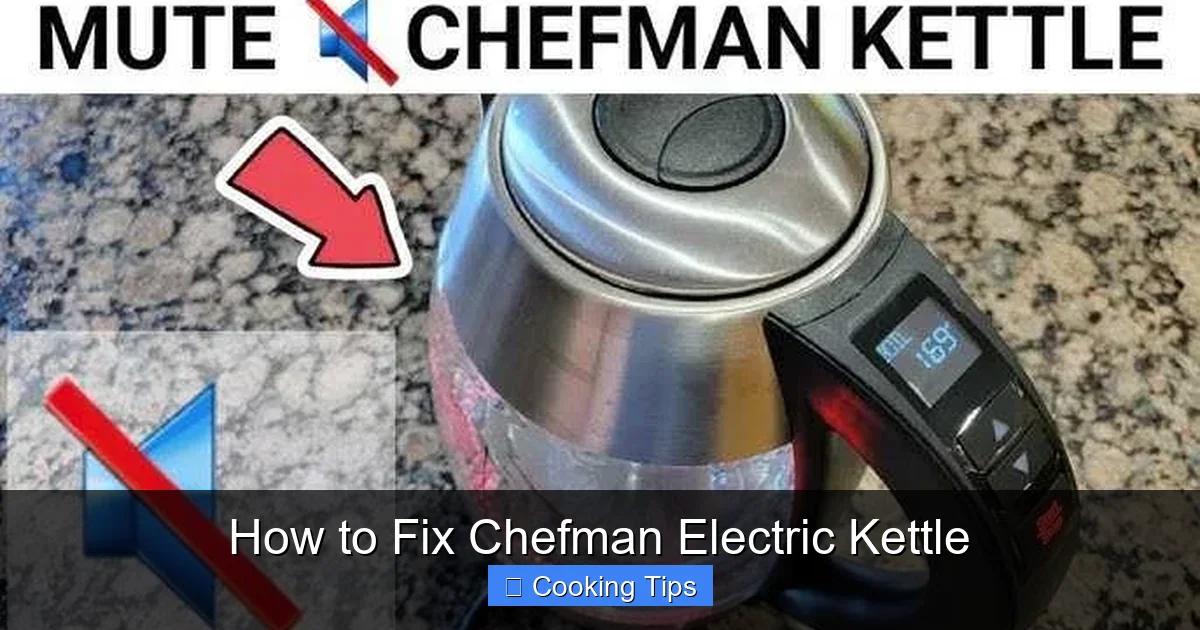
Is your Chefman electric kettle not working as it should? This comprehensive guide offers practical solutions for common problems like no power, not heating, or leaking. We’ll walk you through simple troubleshooting steps and provide clear instructions so you can get your kettle back to boiling in no time. From basic checks to more involved fixes, learn how to repair your Chefman electric kettle with confidence.
How to Fix Chefman Electric Kettle
Your Chefman electric kettle is a modern kitchen essential, making hot beverages and meal prep a breeze. But what happens when it suddenly stops working? Don’t despair! Many common Chefman electric kettle problems can be fixed with a little troubleshooting and know-how. This guide is designed to help you diagnose and resolve issues so you can enjoy hot water whenever you need it.
We’ll cover everything from simple power-related glitches to more complex issues like a kettle that refuses to heat or a persistent leak. By following these step-by-step instructions, you’ll be empowered to get your Chefman electric kettle back in working order, saving you the hassle of a replacement and the disappointment of a cold cuppa.
Key Takeaways
- Identify the power source and connection: Ensure the kettle is properly plugged into a working outlet and that the base is clean and making good contact.
- Check for boil-dry protection activation: If the kettle shut off unexpectedly, it might have activated its safety feature due to a lack of water. Allow it to cool and try again.
- Inspect the lid and seal for damage: Leaks often stem from a faulty or improperly seated lid, so check for cracks or wear on the sealing components.
- Understand the auto shut-off function: This is a safety feature; if it’s not working, it could indicate a problem with the thermostat or the lid sensor.
- Clean mineral deposits regularly: Limescale buildup can hinder heating efficiency and even cause some operational issues, so regular descaling is crucial.
- Look for visible signs of damage: Examine the cord, plug, and kettle body for any obvious physical damage that could be causing the malfunction.
Common Chefman Electric Kettle Problems and Solutions
Let’s dive into the most frequent issues people encounter with their Chefman electric kettles and how to tackle them.
1. The Kettle Has No Power
This is perhaps the most frustrating problem. You press the button, and nothing happens. Let’s break down the possible causes and fixes.

Visual guide about How to Fix Chefman Electric Kettle
Image source: irrorwxhiqijjr5q.ldycdn.com
Check the Power Outlet
Before you blame the kettle, ensure it’s not a simple power issue.
- Test the outlet: Plug another small appliance, like a lamp or a toaster, into the same outlet to confirm it’s working. If the other appliance also doesn’t work, the problem lies with your household’s electricity, not the kettle.
- Check your circuit breaker: If the outlet isn’t working, head to your home’s electrical panel and check if the circuit breaker for that outlet has tripped. Reset it if necessary.
Inspect the Kettle’s Plug and Cord
Damage to the plug or cord can prevent power from reaching the kettle.
- Visual inspection: Carefully examine the kettle’s power plug and the entire length of the cord for any signs of fraying, cuts, or exposed wires. If you find any damage, do not use the kettle and consider it unsafe.
- Clean the plug and outlet: Sometimes, dust or debris can accumulate on the plug or in the outlet, hindering a good connection. Gently clean both with a dry cloth.
Ensure Proper Base Connection
Most electric kettles sit on a power base. A secure connection is vital.
- Seat the kettle firmly: Make sure the kettle is properly seated on its base. There’s usually a distinct click or feeling when it’s connected correctly.
- Clean the base contacts: Both the bottom of the kettle and the power base have electrical contacts. Over time, these can accumulate mineral deposits or grime. Unplug the base and gently clean these contacts with a soft, damp cloth. Ensure they are completely dry before reconnecting power.
2. The Kettle Doesn’t Heat Water
The kettle turns on, the light might illuminate, but the water stays cold. This can be due to a few things.
Visual guide about How to Fix Chefman Electric Kettle
Image source: 9meters.com
Boil-Dry Protection May Have Activated
Chefman electric kettles have a safety feature called “boil-dry protection.” If the kettle is turned on with insufficient water, it will automatically shut off to prevent damage.
- Allow it to cool: If you suspect this has happened, unplug the kettle and let it cool down completely.
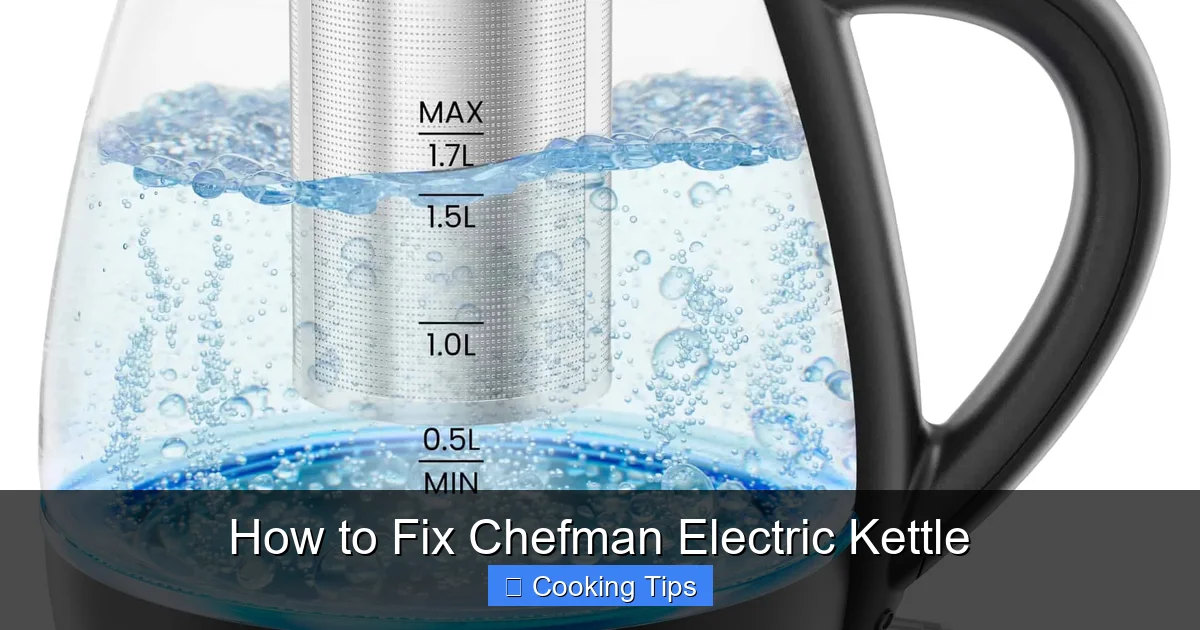
- Add sufficient water: Once cooled, refill the kettle with an adequate amount of water, ensuring it’s above the minimum fill line but not exceeding the maximum.
- Try again: Plug it back in and attempt to boil water again.
Internal Heating Element Issue
The heating element inside the kettle could be faulty or have buildup that’s affecting its performance.
- Descaling is key: Mineral deposits (limescale) from tap water can build up on the heating element, significantly reducing its efficiency and even preventing it from heating.
- How to descale:
- Fill with water and vinegar/citric acid: Fill the kettle about halfway with a mixture of equal parts white vinegar and water, or use about 1-2 tablespoons of citric acid dissolved in water.
- Boil (if possible): If your kettle still heats slightly, bring the mixture to a boil. If it doesn’t heat at all, let the mixture sit in the kettle for at least an hour, or even overnight.
- Discard and rinse: Empty the descaling solution and rinse the kettle thoroughly with clean water. You may need to boil a full kettle of clean water and discard it to remove any residual vinegar smell or taste.
- Repeat if necessary: For heavily scaled kettles, you might need to repeat the descaling process.
Thermostat or Sensor Malfunction
The thermostat or temperature sensors within the kettle are responsible for controlling the heating process and the auto shut-off. If these are faulty, the kettle won’t heat correctly.
- Signs of malfunction: The kettle might overheat, not reach boiling point, or the auto shut-off might not engage.
- Professional repair or replacement: If descaling and basic checks don’t resolve the heating issue, it’s possible the thermostat or sensors are to blame. Unfortunately, these components are usually not user-serviceable. In such cases, contacting Chefman customer support for repair options or considering a replacement might be necessary.
3. The Kettle Leaks Water
A leaking kettle is not only messy but can also be a safety hazard.

Visual guide about How to Fix Chefman Electric Kettle
Image source: images-na.ssl-images-amazon.com
Check the Lid and Seal
The most common culprit for leaks is a problem with the lid.
- Is the lid closed properly? Ensure the lid is fully closed and latched. Sometimes, it just needs to be pushed down firmly.
- Inspect the lid for damage: Look for cracks in the lid itself or any signs of wear on the rubber or silicone seal around the lid. If the seal is degraded, cracked, or missing, it won’t create a watertight barrier.
- Clean the lid and seal: Debris or mineral buildup can prevent the lid from sealing properly. Clean the lid and the rim of the kettle where the lid meets.
Inspect the Spout and Pouring Mechanism
Some kettles have a spout that might be damaged or have a filter that’s not seated correctly.
- Look for cracks: Examine the spout for any cracks or damage.
- Check the filter: If your kettle has a removable filter, ensure it’s properly inserted and seated. A misplaced filter can allow water to escape.
Cracks in the Kettle Body
While less common, the main body of the kettle itself could have a crack.
- Thorough visual inspection: Carefully inspect the entire exterior of the kettle, especially around the base and seams, for any visible cracks or damage.
- Material concerns: If your kettle is made of glass, be extra vigilant for hairline cracks. Plastic kettles can also develop stress fractures over time. If you find a crack in the kettle body, it is unsafe to use.
4. The Auto Shut-Off Feature Isn’t Working
The auto shut-off feature is a critical safety mechanism. If it fails, your kettle could continue to boil indefinitely, which is dangerous.
Ensure the Lid is Properly Closed
Many kettles rely on a sensor that’s activated when the lid is fully closed and latched. If the lid isn’t secured, this sensor may not trigger the shut-off mechanism.
- Test with lid open: Try boiling water with the lid slightly ajar (but still safe to do so, perhaps for a very short time to observe). If it still boils without shutting off, the lid sensor might not be the primary issue, but the lid closure is still important for normal operation.
- Check the lid mechanism: Ensure the latch and any hinges on the lid are functioning correctly and not obstructed.
Mineral Buildup on Sensors
Similar to the heating element, sensors can also become covered in limescale, preventing them from accurately detecting the water temperature or steam.
- Descale thoroughly: Perform a thorough descaling as described in section 2. Pay attention to cleaning around the lid and any visible sensor points if accessible.
Internal Component Failure
The auto shut-off is linked to the kettle’s internal thermostat and control systems. If these fail, the feature will not work.
- Safety first: If your kettle consistently fails to shut off, it poses a significant safety risk. Do not use it.
- Contact manufacturer: This is an issue that typically requires professional repair or replacement. Reach out to Chefman customer support.
5. The Kettle is Making Unusual Noises
A boiling kettle naturally makes noise, but sometimes it can sound different.
Limescale Buildup
As water heats, especially hard water, it leaves behind mineral deposits. This limescale can build up on the heating element and the bottom of the kettle.
- The “rumbling” sound: When limescale is present, air bubbles can get trapped within it. As the water heats, these bubbles expand, causing a louder, rumbling, or knocking sound.
- Solution: Descale! Regular descaling is the best way to prevent and remove this buildup. Follow the descaling instructions in section 2.
Water Level Too Low
If the water level is very low, the heating element might be exposed to air, causing sputtering or unusual noises as it heats the metal directly.
- Check the water level: Always ensure the water is between the minimum and maximum fill lines.
Troubleshooting Tips for Chefman Electric Kettles
Here are some general tips to keep in mind when trying to fix your Chefman electric kettle:
- Always unplug before inspecting: For safety reasons, always unplug the kettle from the power outlet before you attempt any cleaning or inspection of the kettle, its base, or its cord.
- Refer to your user manual: Your Chefman electric kettle came with a user manual. It often contains a specific troubleshooting section for your model. Keep it handy!
- Be patient: Some fixes, like descaling, require time and possibly repetition to be effective.
- Know when to stop: If you’ve tried all the common fixes and your kettle is still not working, or if you see any damaged components, it’s time to consider professional help or replacement. Don’t attempt repairs that involve dismantling the kettle beyond basic cleaning if you’re not experienced.
- Contact Chefman Support: For persistent issues or if your kettle is still under warranty, don’t hesitate to contact Chefman’s customer support. They can offer further assistance, repair options, or guidance on warranty claims.
When to Consider Replacement
While this guide aims to help you fix your Chefman electric kettle, there comes a point where repair might not be feasible or cost-effective. Consider replacing your kettle if:
- There’s visible damage to the power cord or plug: This is a serious safety hazard.
- The kettle has cracks in its body: Especially in glass or plastic, cracks compromise the integrity and safety of the appliance.
- Internal components seem to have failed: If the heating element or control board appears to be the issue and is not repairable.
- The cost of repair outweighs the cost of a new kettle.
- The kettle is old and has had numerous issues.
Conclusion
Your Chefman electric kettle is a valuable appliance that can often be brought back to life with a bit of detective work. By systematically checking the power source, connections, lid, and by performing regular maintenance like descaling, you can resolve most common issues. Remember to prioritize safety by unplugging the appliance before any inspection or cleaning. If you encounter problems that seem beyond basic troubleshooting, don’t risk further damage or safety hazards; contact Chefman customer support for assistance or consider a replacement. Enjoy your perfectly boiled water!
