

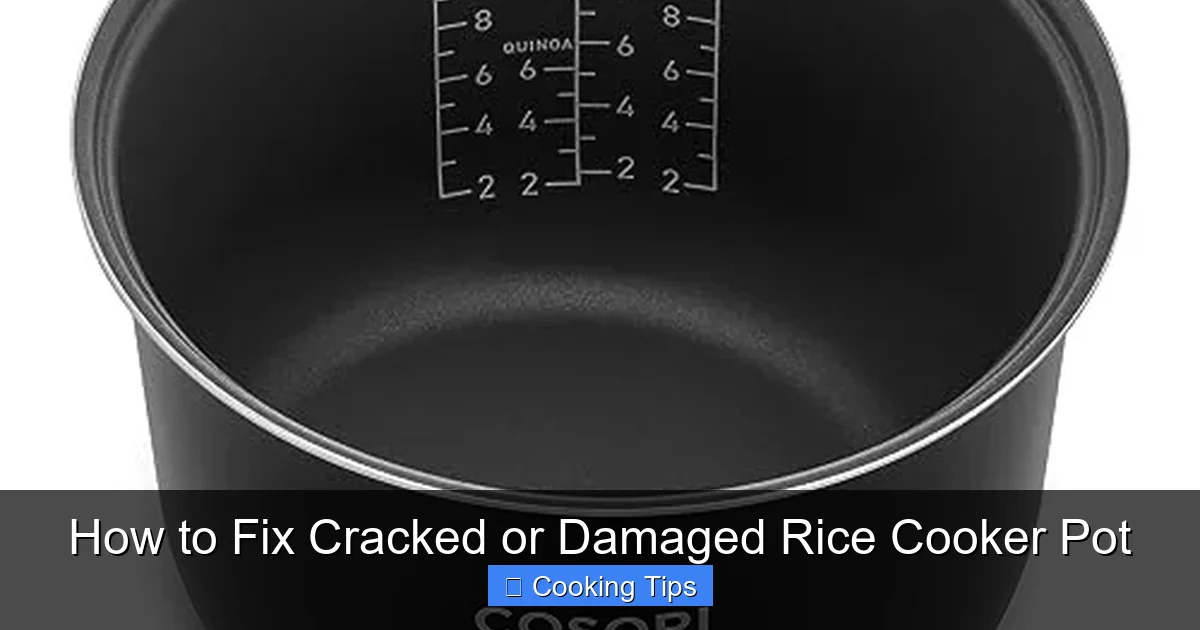
Dealing with a cracked or damaged rice cooker pot can be frustrating, but there are steps you can take to address it. This guide will walk you through the process of assessing the damage, exploring repair options, and ultimately deciding if a repair is feasible or if replacement is necessary. Don’t throw away your rice cooker just yet!
How to Fix Cracked or Damaged Rice Cooker Pot
It’s a disheartening moment when you pull out your rice cooker pot, ready to whip up a perfect batch of rice, only to discover a crack or some other form of damage. Your immediate thought might be to toss the entire appliance. But hold on! Before you declare your trusty rice cooker obsolete, let’s explore whether it’s possible to fix a cracked or damaged rice cooker pot. In this comprehensive guide, we’ll walk you through the process of assessing the damage, looking at potential (though often temporary) repair solutions, and understanding when it’s time to call it quits and get a replacement.
Key Takeaways
- Assess the Damage Carefully: Not all cracks are created equal. Understanding the severity and location of the damage is the first crucial step.
- Non-Stick Coatings Cannot Be Repaired: If the non-stick coating itself is chipped or peeling, the inner pot is likely beyond repair and needs replacement.
- Minor Cracks May Be Patchable (with caution): For some materials and types of damage, temporary or even semi-permanent fixes might be possible, but always prioritize safety.
- Understand Material Limitations: Different pot materials (stainless steel, aluminum, ceramic) behave differently when damaged and repaired.
- Safety First: Any repair attempt must ensure the food remains safe to eat and doesn’t leach harmful substances.
- Replacement is Often the Best Solution: For most damaged rice cooker pots, especially those with non-stick issues, buying a new inner pot is the safest and most effective option.
- Preventative Measures are Key: Learn how to care for your rice cooker pot to avoid future damage.
Understanding the Problem: Why Does a Rice Cooker Pot Crack?
Rice cooker pots, especially those with non-stick coatings, are designed for durability. However, like anything, they can sustain damage over time. Common reasons for cracks and damage include:
- Thermal Shock: Rapid temperature changes, like plunging a hot pot into cold water, can stress the material and lead to cracks.
- Physical Impact: Dropping the pot or hitting it against a hard surface can cause chips or cracks.
- Abrasive Cleaning: Using harsh scouring pads or metal utensils on the non-stick surface can scratch and weaken it, eventually leading to peeling or cracks.
- Age and Wear: Over extended periods of heavy use, even well-maintained pots can develop minor imperfections.
Step 1: Assess the Damage
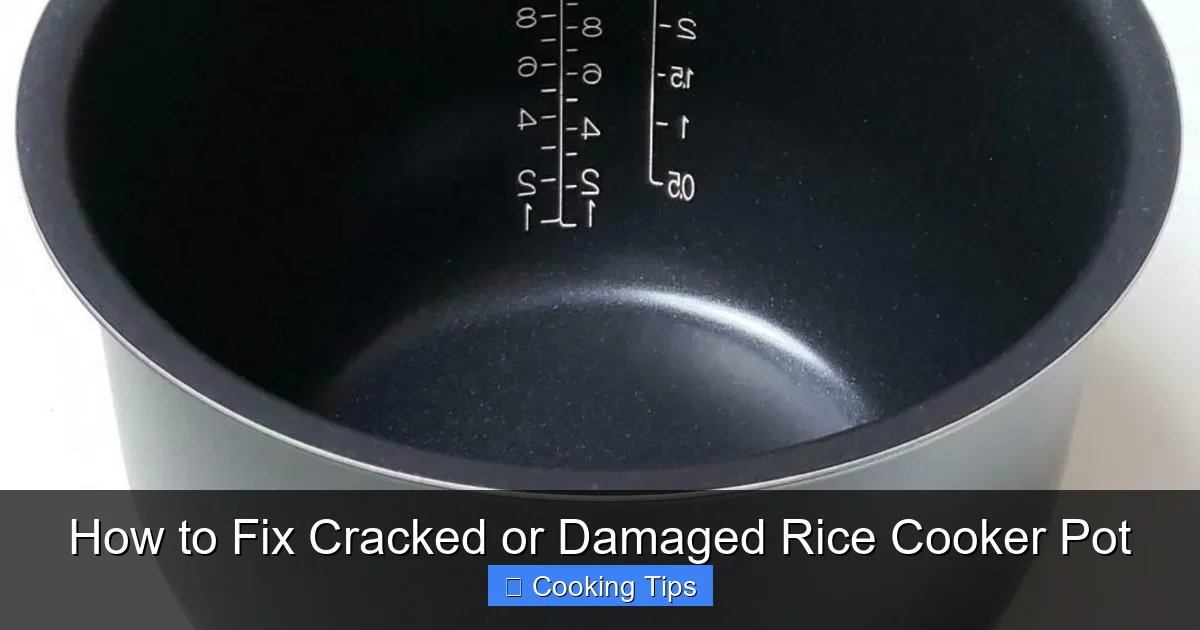
Visual guide about How to Fix Cracked or Damaged Rice Cooker Pot
Image source: storables.com
The first and most critical step is to thoroughly examine your rice cooker pot. The type and severity of the damage will determine your options.
H3: Inspect for Cracks
Carefully look over the entire inner surface and exterior of the pot.
- Location of the Crack: Is it on the bottom, the sides, or near the rim? A crack on the cooking surface is far more problematic than one on the exterior that doesn’t affect functionality.
- Size and Depth: Is it a hairline crack, a deep fissure, or a shattered section? Small, superficial cracks might seem fixable, but deep ones are a different story.
- Material of the Pot: Is it stainless steel, aluminum, or ceramic? The material will influence potential repair methods.
H3: Check for Non-Stick Coating Damage
If your pot has a non-stick coating, this is a separate but equally important inspection.
- Peeling or Chipping: If the non-stick coating is flaking off, bubbling, or has significant chips, this is a major red flag.
- Scratches: While minor scratches might not seem like a big deal, deep scratches can compromise the coating’s integrity and lead to further peeling.
Step 2: Evaluate Repair Feasibility
Visual guide about How to Fix Cracked or Damaged Rice Cooker Pot
Image source: down-ph.img.susercontent.com
This is where things get a bit nuanced. For most rice cooker pots, especially those with non-stick surfaces, a true, long-lasting “fix” is often not possible or advisable.
H3: The Non-Stick Coating Dilemma
Let’s address the elephant in the room: **non-stick coatings cannot be effectively repaired.** Once the non-stick layer is compromised, it’s compromised.
- Why it’s difficult to repair: The specialized coatings used in rice cooker pots are bonded to the metal during manufacturing. Applying a similar coating at home is virtually impossible, and using temporary sealants could leach into your food.
- The risk: Continuing to use a pot with a damaged non-stick coating can lead to rice sticking, uneven cooking, and potential ingestion of the coating material, which is not healthy.
H3: Cracks in Other Materials (Stainless Steel, Aluminum, Ceramic)
If your pot is made of a different material and the damage is *not* related to a non-stick coating, there might be limited options.
- Stainless Steel: Small dents or minor bends in stainless steel pots can sometimes be gently hammered back into shape. However, deep cracks in stainless steel are difficult to repair reliably for food use. Welding might be an option for a skilled metalworker, but it’s unlikely to be cost-effective for a rice cooker pot.
- Aluminum: Similar to stainless steel, aluminum can be dented or bent. Cracks in aluminum are also challenging to fix at home for food-grade applications.
- Ceramic: If your rice cooker has a ceramic inner pot and it’s cracked, it’s almost certainly not repairable. Ceramic is brittle and cracks tend to spread.
Step 3: Exploring Potential “Fixes” (Use with Extreme Caution)
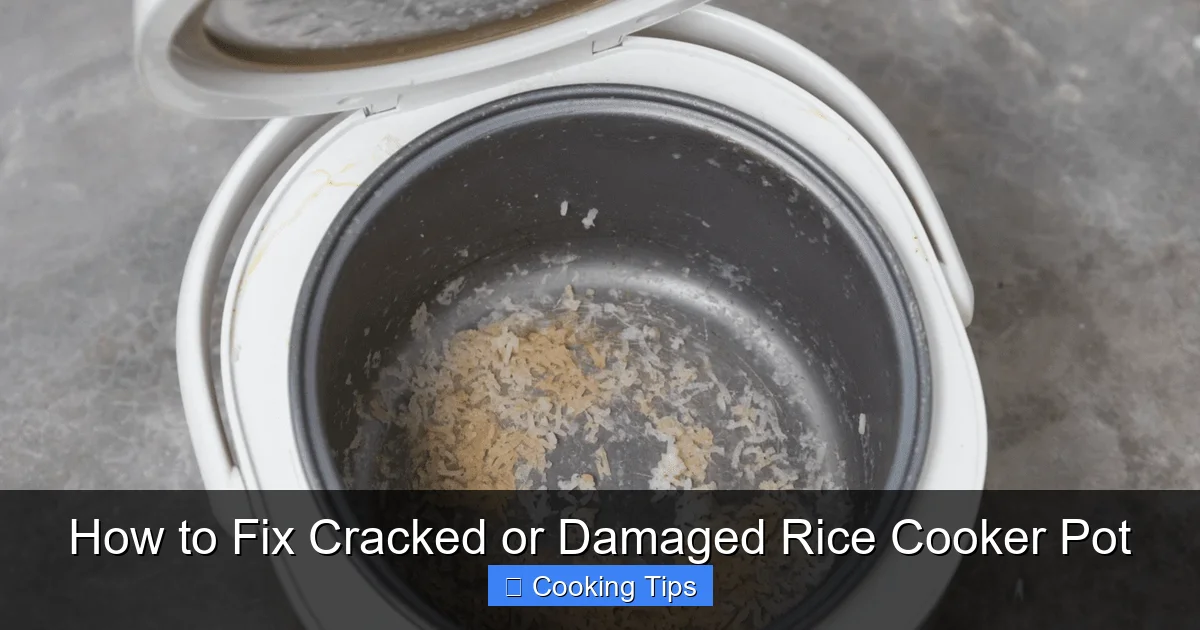
Visual guide about How to Fix Cracked or Damaged Rice Cooker Pot
Image source: ricearray.org
It’s important to preface this section by stating that for most damaged rice cooker pots, especially those with non-stick coatings, **replacement is the safest and most recommended option.** However, for minor damage on pots *without* non-stick coatings, or as a very temporary, last-ditch effort, some people explore the following.
H3: For Non-Stick Pots: Understand the Limitations
If your non-stick coating is damaged, there is no safe or effective way to repair it. Any attempt to use adhesives or sealants will likely fail, potentially release harmful fumes when heated, and contaminate your food. The only real “fix” for a damaged non-stick coating is to replace the inner pot.
H3: For Minor Cracks (No Non-Stick Coating)
If you have a pot made of stainless steel or aluminum that has a very minor crack (and absolutely no non-stick coating), and you’re willing to accept the risks, here are some approaches people have considered. Again, **this is generally not recommended for regular use.**
- High-Temperature Epoxy (Food-Grade): There are some food-grade, high-temperature epoxy kits available. It is crucial to ensure the epoxy is specifically rated as food-safe and can withstand the temperatures of your rice cooker. Even then, the bond might not be permanent, especially with repeated heating and cooling cycles. You would need to thoroughly clean and degrease the area, mix the epoxy precisely according to instructions, apply it, and allow it to cure completely before even considering use. Read reviews and understand the limitations.
- Metal Patching (Highly Complex): For experienced DIYers or metalworkers, a small patch might be considered. This would involve cutting a piece of compatible metal, shaping it to fit the crack, and then attempting to bond it using soldering or even welding. This is a highly technical process, unlikely to be done at home without specialized equipment and expertise, and the risk of compromising the pot’s integrity or creating uneven surfaces remains high.
Important Warning: The primary concern with any repair on a cooking vessel is food safety. You do not want to introduce chemicals or materials into your food that could be harmful. If you have any doubt, do not proceed.
Step 4: When to Replace Your Rice Cooker Pot
In most cases, replacing the inner pot is the best course of action. It’s safer, more effective, and often more cost-efficient than attempting a risky repair.
H3: Signs It’s Time for a New Pot
- Any damage to the non-stick coating: Peeling, chipping, deep scratches. This is non-negotiable.
- Deep or spreading cracks: If the crack is more than hairline or you suspect it will worsen.
- Warping or significant dents: If the pot no longer sits level or heat distribution is affected.
- Any damage that compromises food safety: If you have any doubt about the pot’s integrity.
H3: How to Find a Replacement Pot
Fortunately, finding a replacement inner pot is often straightforward.
- Check the Manufacturer’s Website: Most appliance manufacturers sell replacement parts directly. Visit the support or parts section of your rice cooker’s brand website.
- Online Retailers: Websites like Amazon, eBay, and specialized appliance parts stores often carry a wide range of replacement inner pots.
- Model Number is Key: You’ll need your rice cooker’s exact model number to find a compatible inner pot. This is usually found on a sticker on the bottom of the unit or on the original packaging.
- Measure Your Old Pot: If you can’t find the model number, you can carefully measure the diameter and height of your existing pot to find a close match. However, ensure it’s a pot designed for your specific rice cooker model to guarantee a perfect fit and proper functionality.
Step 5: Preventive Measures to Avoid Future Damage
Once you have a new or repaired pot, it’s wise to take steps to prevent future damage.
- Avoid Thermal Shock: Let the pot cool down somewhat before washing it. Never immerse a hot pot in cold water.
- Use Soft Utensils: Only use wooden, silicone, or plastic utensils to stir and serve rice. Never use metal.
- Gentle Cleaning: Wash the pot with a soft sponge or cloth and mild dish soap. Avoid abrasive scrubbers or steel wool.
- Dry Thoroughly: Always dry the pot completely before storing it.
- Handle with Care: Treat your rice cooker pot gently. Avoid dropping it or banging it against hard surfaces.
Conclusion: When in Doubt, Replace It
While the idea of fixing a cracked rice cooker pot might seem appealing to save money, it’s crucial to prioritize safety and the quality of your cooked rice. For any damage involving the non-stick coating, replacement is the only sensible option. For minor, non-critical cracks in non-coated pots, some very cautious DIY repairs might be considered, but the risks are significant. Ultimately, the longevity and safety of your cooking appliances rely on using them in good condition. If your rice cooker pot is damaged, investing in a replacement inner pot is often the best and safest solution for ensuring delicious, perfectly cooked rice for years to come. Happy cooking!
