

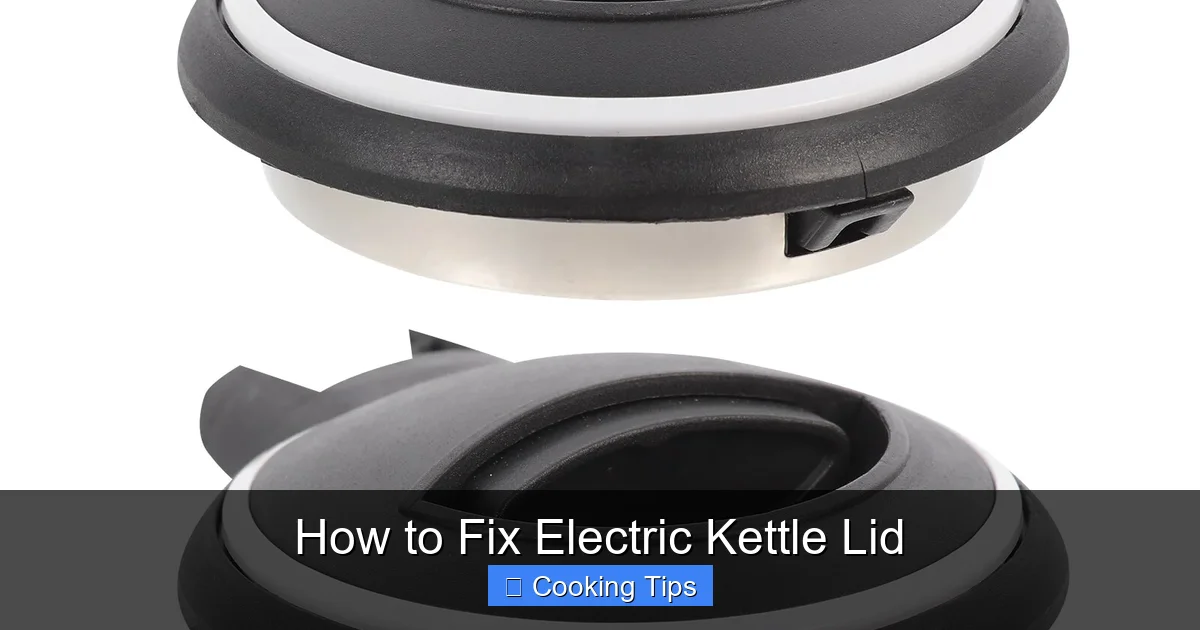
Is your electric kettle lid stuck, loose, or not closing properly? This guide offers practical solutions to common electric kettle lid problems. Learn to diagnose issues, perform simple repairs, and maintain your lid for optimal performance and safety. Get your kettle lid working perfectly again with our easy-to-follow steps.
How to Fix Electric Kettle Lid
An electric kettle is a kitchen staple, making hot drinks and cooking tasks quicker. But what happens when the lid decides to act up? A stubborn lid that won’t open, a loose one that threatens to fall off, or one that just won’t snap shut can be incredibly frustrating. These issues don’t just inconvenience you; a faulty lid can also be a safety hazard, affecting the kettle’s automatic shut-off function.
Don’t worry! Most electric kettle lid problems are surprisingly simple to fix. This guide will walk you through common lid issues and provide clear, step-by-step instructions to get your electric kettle lid working perfectly again. We’ll cover everything from sticky lids to broken hinges, empowering you with the knowledge to perform easy DIY repairs.
Key Takeaways
- Identify the specific lid problem: Recognizing whether the lid is stuck, loose, won’t close, or has a broken hinge is the first step to effective repair.
- Safety first: Always unplug the electric kettle and ensure it is completely cool before attempting any repairs to prevent burns or electric shock.
- Simple tools are often enough: Many lid issues can be resolved with basic household items like a cloth, mild soap, and perhaps a small screwdriver.
- Cleaning is crucial: Mineral deposits and debris are frequent culprits behind a malfunctioning lid; thorough cleaning can often fix the problem.
- Hinges and latches need attention: For mechanical issues, carefully examine the lid’s hinge mechanism and latch for any signs of damage, obstruction, or wear.
- When to seek professional help: If the kettle’s internal wiring or electrical components are implicated, or if a repair seems beyond your comfort level, it’s best to consult a professional or consider replacement.
Understanding Common Electric Kettle Lid Problems
Before we dive into fixing, let’s identify what might be wrong with your electric kettle lid. Knowing the specific issue will help us target the solution effectively. Here are some of the most frequent problems:
- Stuck Lid: The lid refuses to open, no matter how much you press the release button or try to lift it.
- Loose Lid: The lid feels wobbly, doesn’t fit snugly, or seems like it might fall off during use.
- Lid Won’t Close: You can’t get the lid to latch or seal properly, preventing the kettle from boiling.
- Broken Hinge or Latch: Part of the lid’s mechanism, like the hinge or the latch that secures it, appears damaged or broken.
- Steam Vent Blockage: The lid has a steam vent, and if it’s blocked, it can cause pressure issues and affect lid operation.
Safety First: Preparing for Repair
Before you begin any troubleshooting or repair, safety is paramount. Electric kettles involve both water and electricity, so taking precautions is crucial.
Step 1: Unplug and Cool Down
The very first step, before touching anything, is to unplug your electric kettle from the power outlet. Once unplugged, ensure the kettle has completely cooled down. Trying to work on a hot kettle can lead to serious burns.
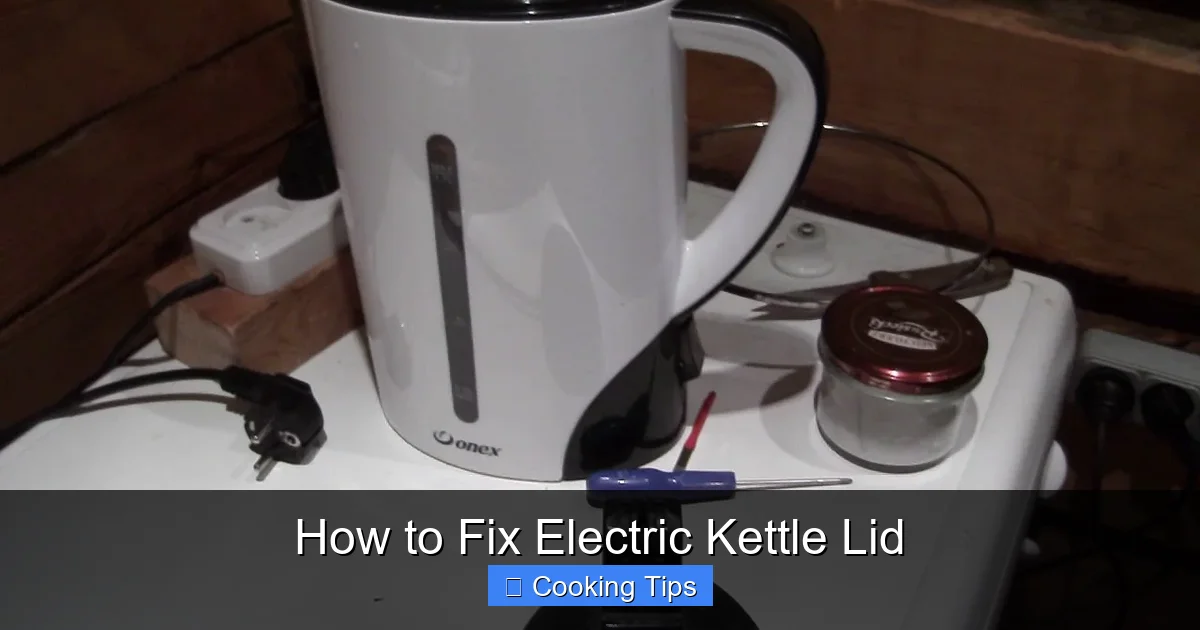
Visual guide about How to Fix Electric Kettle Lid
Image source: i.ytimg.com
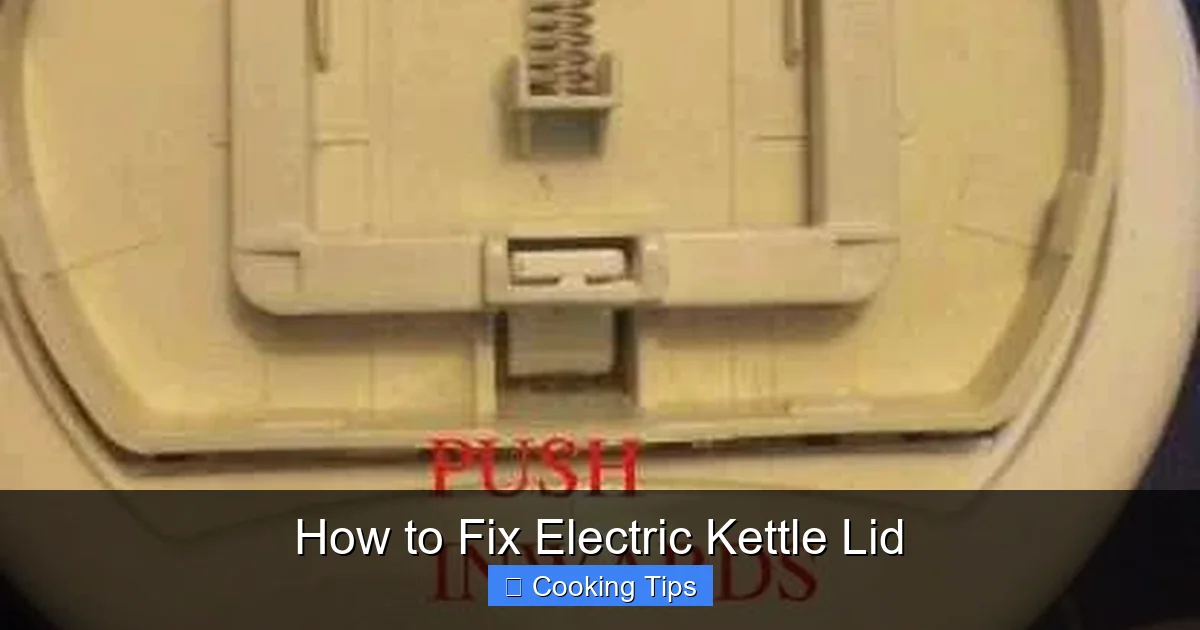
Visual guide about How to Fix Electric Kettle Lid
Image source: kitchenadvising.com
Step 2: Gather Your Tools
For most lid repairs, you won’t need specialized tools. Here’s what you might find helpful:
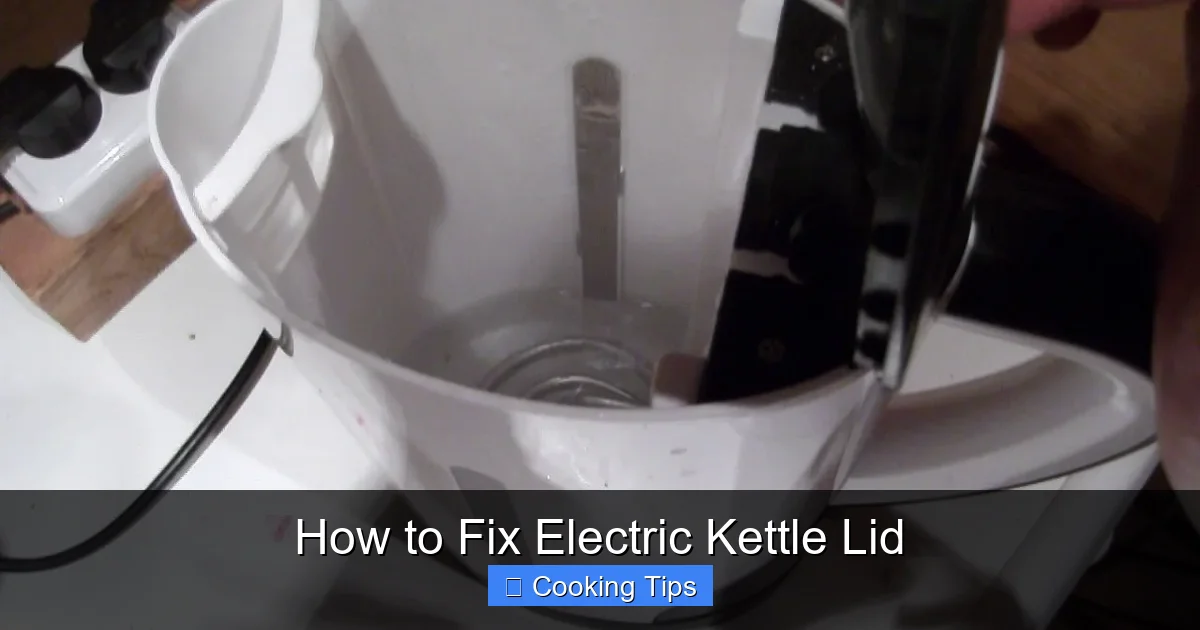
Visual guide about How to Fix Electric Kettle Lid
Image source: i.ytimg.com
- A soft, damp cloth
- Mild dish soap
- A soft-bristled brush (like an old toothbrush)
- A small, dry cloth for wiping
- A small flathead screwdriver (for some models, if a part needs gentle prying)
Fixing a Stuck Electric Kettle Lid
A stuck lid is often the most common and frustrating issue. It usually happens due to mineral buildup (limescale) or a slightly misaligned mechanism.
Step 1: Inspect for Obstructions
Carefully examine the area around the lid’s opening and the latch mechanism. Sometimes, a small piece of debris or dried residue can prevent the lid from opening.
Step 2: Gentle Wiggling and Pressure
Try gently wiggling the lid while pressing the release button or trying to lift it. Don’t force it. Sometimes, a gentle back-and-forth motion can dislodge a minor obstruction.
Step 3: Cleaning the Lid Edges and Mechanism
Mineral deposits are frequent culprits. Limescale can build up around the rim where the lid seals, causing it to stick.
Sub-step 3.1: Prepare a Cleaning Solution
Mix a solution of equal parts white vinegar and water, or use a dedicated kettle descaler. If you don’t have vinegar, a bit of mild dish soap mixed with water can also help break down residues.
Sub-step 3.2: Apply the Solution
Dip a soft cloth into the cleaning solution. Gently wipe around the rim of the kettle where the lid closes and around the edges of the lid itself. For tighter spots, use a cotton swab dipped in the solution.
Sub-step 3.3: Let it Sit
Allow the solution to sit for about 10-15 minutes. This gives it time to soften any mineral buildup or sticky residue.
Sub-step 3.4: Wipe and Rinse
Use a clean, damp cloth to wipe away the loosened debris. You can then use a dry cloth to wipe everything down.
Sub-step 3.5: Test the Lid
After cleaning, try opening the lid again. It should now release more easily. If it’s still a bit stiff, you can repeat the cleaning process.
Fixing a Loose Electric Kettle Lid
A loose lid can be annoying and potentially unsafe. It might not be sealing correctly, which could affect the kettle’s auto shut-off feature.
Step 1: Check for Warping or Damage
Inspect the lid and the rim of the kettle. Is the lid warped? Is the kettle’s rim bent or damaged? If the plastic has warped due to heat over time, it might not fit as snugly as it used to.
Step 2: Examine the Sealing Gasket
Many kettles have a rubber or silicone gasket around the lid or the kettle opening to ensure a tight seal. Check if this gasket is in place, undamaged, and free from debris. If it’s loose or damaged, it might be causing the wobbly fit.
Sub-step 2.1: Reseat the Gasket
If the gasket has come slightly loose, try to push it back into its groove firmly. Ensure it’s evenly seated all around.
Sub-step 2.2: Clean the Gasket
If the gasket is dirty, clean it with mild soap and water, then dry it thoroughly. Dirt can make it slippery and less effective.
Step 3: Tighten Screws (If Applicable)
Some kettle lids are attached with small screws, especially where the hinge connects. If you notice any loose screws, use a small, appropriate screwdriver to gently tighten them. Be careful not to overtighten, as this can strip the threads or crack the plastic.
Step 4: Consider a Replacement Lid
If the lid itself is significantly warped, cracked, or the gasket is beyond repair, you may need to purchase a replacement lid. Check the manufacturer’s website or contact their customer support to see if replacement parts are available for your specific model.
Fixing an Electric Kettle Lid That Won’t Close
This issue is often related to obstructions or a faulty latch mechanism.
Step 1: Clear Any Obvious Blockages
Look for anything preventing the lid from closing fully. This could be a small piece of food, dried-on residue, or even a misaligned component.
Step 2: Check the Latch Mechanism
Examine the latch, which is usually a small plastic or metal piece that clicks into place. Is it stuck? Is it bent?
Sub-step 2.1: Clean the Latch
Use a damp cloth or an old toothbrush to gently clean around the latch. Sometimes, dirt or limescale can prevent it from engaging properly.
Sub-step 2.2: Lubricate (Sparingly, if needed)
If the latch mechanism feels stiff, you can try applying a tiny amount of food-grade silicone lubricant. Use it very sparingly and wipe away any excess. Avoid using oil-based lubricants, as they can degrade plastic over time.
Step 3: Ensure Proper Alignment
Sometimes, the lid might not close because it’s not perfectly aligned with the kettle body. Try gently pressing down on different parts of the lid to see if it clicks into place.
Fixing a Broken Hinge or Latch on the Lid
This is a more serious issue, but sometimes repairable.
Step 1: Assess the Damage
Carefully examine the hinge or latch. Is it a clean break, or is a piece missing? Are the connection points still intact?
Step 2: Reattaching a Hinge
If the hinge has simply detached from the lid or kettle body, and the plastic connection points are still good, you might be able to reattach it.
Sub-step 2.1: Clean the Surfaces
Clean the broken surfaces thoroughly. Ensure they are dry and free from dust or grease.
Sub-step 2.2: Use Strong Adhesive
For plastic hinges, a strong, flexible plastic adhesive or epoxy designed for use on plastics can sometimes work. Apply the adhesive carefully to one surface, then press the broken parts together firmly. Hold them in place for the time recommended by the adhesive manufacturer.
Important Note: Ensure any adhesive used is safe for contact with surfaces that might come into contact with water. Many super glues can become brittle and may not hold up well to repeated use and temperature changes.
Step 3: Repairing a Latch
If a small part of the latch has broken off, it can be very difficult to repair effectively. In many cases, this type of damage means the lid will need to be replaced.
Step 4: Consider Professional Repair or Replacement
If the hinge or latch is severely broken, or if you’re not confident in your ability to make a durable repair, it’s often best to consider replacing the entire electric kettle. Repeatedly trying to fix a structurally compromised lid can lead to further damage.
Troubleshooting Lid Issues Related to Steam Vents
Some electric kettle lids have small vents to allow steam to escape. If these vents get clogged, it can sometimes affect the lid’s seal or operation.
Step 1: Locate the Steam Vent
Find the small openings on the lid designed for steam release.
Step 2: Clean the Vents
Use a toothpick or a small, thin object to gently poke into the vents and dislodge any debris. You can also use a damp cloth with a bit of mild soap to clean the area around the vents.
Step 3: Check for Blockages Affecting Pressure
If you suspect a blocked vent is causing pressure buildup that affects the lid, ensuring it’s clear should help.
When to Consider Replacement
While many lid issues are fixable, there comes a point when a repair is no longer practical or safe. Consider replacing your electric kettle if:
- The lid is severely cracked or warped and no longer fits securely.
- The hinge or latch mechanism is broken beyond repair, and replacement parts are unavailable or too costly.
- You notice any damage to the kettle’s power cord or internal electrical components.
- The cost and effort of repair outweigh the cost of a new kettle.
Replacing an electric kettle is often the most cost-effective and safest solution when the lid is severely damaged or when there are concerns about the kettle’s overall integrity.
Conclusion
Dealing with a faulty electric kettle lid can be a nuisance, but as you’ve seen, many common problems have simple solutions. By following the steps outlined in this guide, you can often fix a stuck, loose, or unclosing lid with basic cleaning and gentle adjustments. Always remember to prioritize safety by unplugging the appliance and allowing it to cool before attempting any repairs. Regular cleaning and maintenance can also prevent many of these issues from occurring in the first place, ensuring your electric kettle remains a reliable kitchen companion for years to come. If your lid issues are severe or beyond simple fixes, don’t hesitate to consider replacement to ensure both safety and functionality.
