

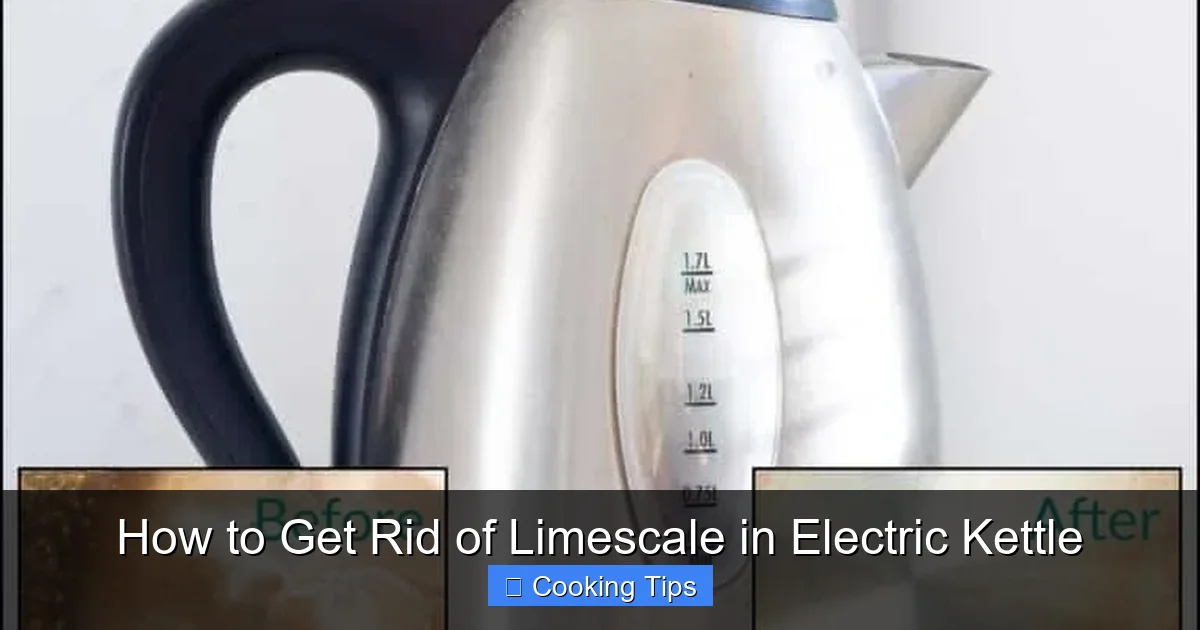
Are you tired of limescale buildup in your electric kettle? This comprehensive guide will walk you through simple, effective ways to remove it, ensuring your kettle heats faster and your beverages taste better. We’ll explore natural solutions like vinegar and citric acid, offering step-by-step instructions and helpful tips to keep your appliance in top condition. Get ready to enjoy clean, limescale-free water every time!
Key Takeaways
- Understand Limescale: Limescale is a common mineral deposit that affects kettles, impacting performance and taste.
- Natural Solutions are Best: Effective and eco-friendly methods using household items like vinegar and citric acid are readily available.
- Vinegar Power: White vinegar is a highly effective descaler due to its acidity, breaking down mineral deposits with ease.
- Citric Acid Alternative: Citric acid offers a less pungent, equally effective option for tackling limescale.
- Regular Maintenance is Key: Frequent descaling prevents heavy buildup, making future cleaning quicker and easier.
- Safety First: Always unplug your kettle and ensure adequate ventilation when using cleaning solutions.
How to Get Rid of Limescale in Electric Kettle
An electric kettle is a kitchen essential, perfect for a quick cuppa, a soothing herbal tea, or even a speedy start to cooking. But over time, you might notice a white, chalky residue forming inside. This is limescale, a common issue that can affect not just the appearance of your kettle but also its efficiency and the taste of your drinks. Don’t worry! Getting rid of limescale is simpler than you might think, and you likely have the perfect tools right in your kitchen.
This guide will equip you with everything you need to know about tackling limescale in your electric kettle. We’ll delve into why it forms, the best natural methods for its removal, and how to keep your kettle sparkling clean for longer. Say goodbye to that unsightly buildup and hello to perfectly heated, pure-tasting water!
Why Does Limescale Form in Electric Kettles?
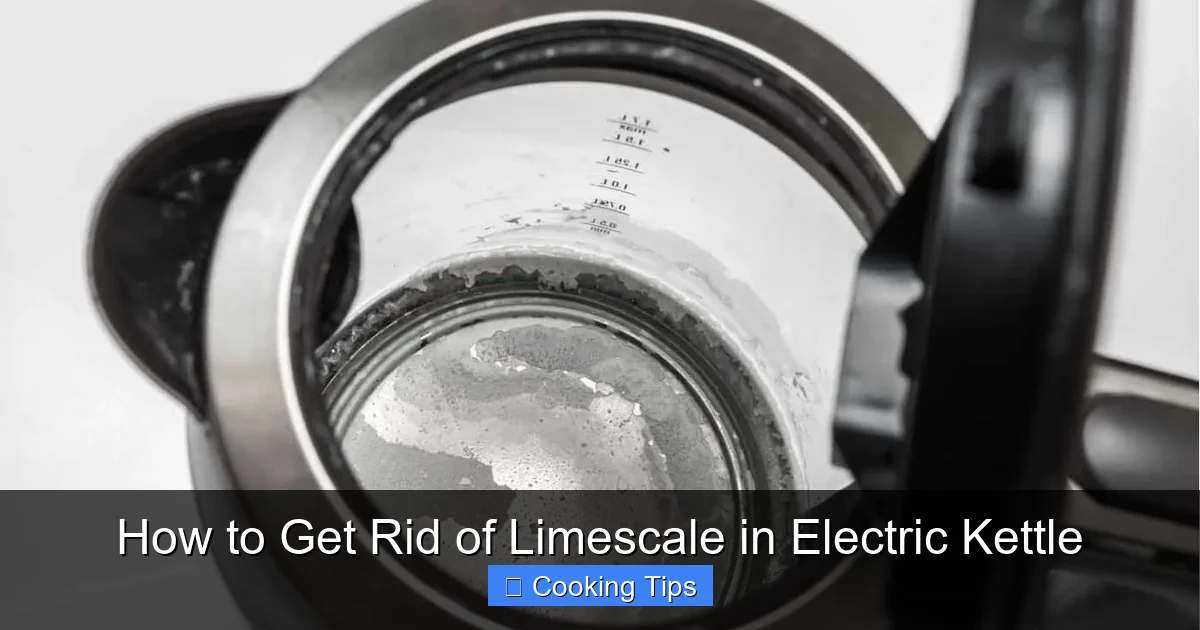
Before we dive into the cleaning methods, it’s helpful to understand what limescale is and why it’s so prevalent in kettles. Limescale is essentially a deposit of minerals, primarily calcium and magnesium, found naturally in hard water. When water is heated, these minerals precipitate out of the solution and cling to the heating element and the inner surfaces of your kettle.
The more mineral-rich your water supply (i.e., the harder your water), the faster limescale will build up. This buildup can be unsightly, but it also has practical consequences. A thick layer of limescale acts as an insulator, meaning your kettle’s heating element has to work harder and longer to boil the water. This translates to increased energy consumption and longer waiting times for your hot water. Furthermore, limescale particles can flake off into your water, affecting the taste and clarity of your beverages.
The Benefits of Regular Limescale Removal
Regularly descaling your electric kettle offers several significant benefits:
- Improved Efficiency: A clean heating element transfers heat more effectively, meaning your kettle boils water faster and uses less electricity.
- Enhanced Taste: Removing mineral deposits ensures your water is pure, leading to better-tasting hot drinks.
- Extended Kettle Lifespan: Limescale can put a strain on the heating element. Regular cleaning helps prevent potential damage and prolongs the life of your appliance.
- Improved Hygiene: A clean kettle is a more hygienic kettle.
- Aesthetics: No one wants a dirty-looking kettle. Regular cleaning keeps it looking its best.
Now, let’s get to the good stuff – how to actually remove that pesky limescale!
Method 1: The White Vinegar Powerhouse
Visual guide about How to Get Rid of Limescale in Electric Kettle
Image source: healthy-food-near-me.com
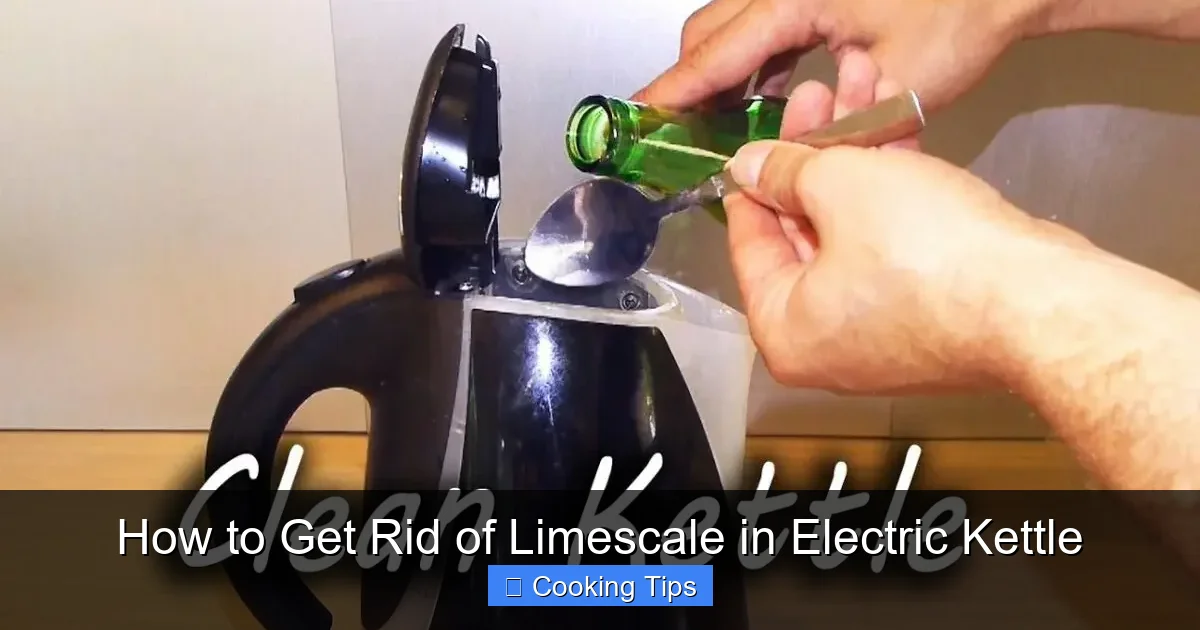
White vinegar is a kitchen staple with incredible cleaning power, and it’s particularly effective against limescale due to its acidity. It’s a safe, natural, and inexpensive way to get your kettle looking like new.
Step-by-Step Vinegar Cleaning
Follow these simple steps for a sparkling clean kettle using white vinegar:
Step 1: Prepare Your Kettle
First and foremost, **unplug your electric kettle** from the power source. This is crucial for your safety. Empty any remaining water from the kettle. If there are any large, loose pieces of limescale, you can try to rinse them out with plain water.
Step 2: Create the Cleaning Solution
In a jug or directly in the kettle (if it’s easy to pour into), mix equal parts white vinegar and water. A common ratio is 1 cup of white vinegar to 1 cup of water. For heavily scaled kettles, you might opt for a slightly stronger solution, perhaps 2 parts vinegar to 1 part water, but start with the 1:1 ratio.
Step 3: Fill the Kettle
Pour the vinegar and water solution into your electric kettle. Ensure the liquid level is high enough to cover the limescale deposits. Ideally, it should reach at least the maximum fill line, but don’t fill it past this point.
Step 4: Let It Soak
Let the solution sit in the kettle for at least 30 minutes. For particularly stubborn limescale, you can let it soak for an hour or even overnight. The acidity of the vinegar will work to break down the mineral deposits.
Step 5: Boil the Solution (Optional but Recommended)**
After the soaking period, you can further boost the cleaning process by boiling the solution. Place the kettle back on its base and switch it on. Let it boil as if you were making hot water, then switch it off and let it cool slightly. Be sure to do this in a well-ventilated area, as the vinegar smell can be quite strong.
Step 6: Empty and Rinse Thoroughly
Once the solution has cooled down enough to handle safely, carefully empty the kettle. You should see that much of the limescale has dissolved. Rinse the inside of the kettle thoroughly with fresh, cold water. You may need to repeat the rinsing process a few times to remove any lingering vinegar smell or taste. You can also use a soft cloth or sponge to gently scrub away any remaining loosened limescale, but avoid abrasive materials that could scratch the kettle’s surface.
Step 7: Boil Plain Water
To ensure there’s no residual vinegar taste in your next cup of tea, boil a full kettle of plain water and discard it. You might want to repeat this step one or two more times just to be absolutely sure.
Method 2: Citric Acid – The Odor-Free Alternative
Visual guide about How to Get Rid of Limescale in Electric Kettle
Image source: image.shutterstock.com
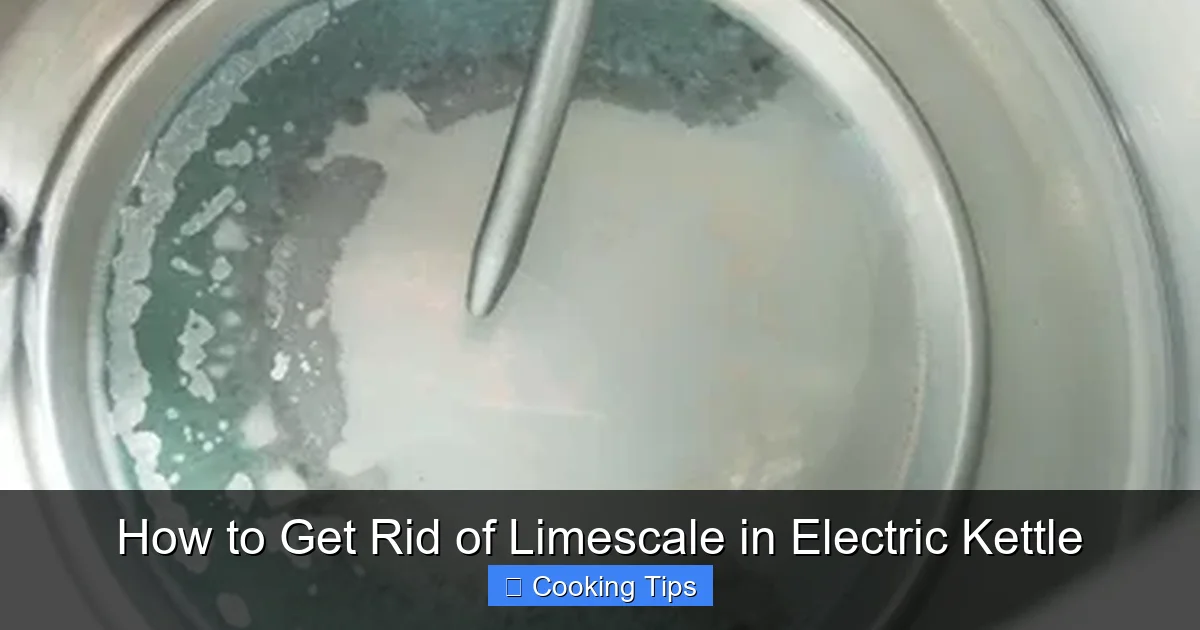
If the smell of vinegar is a deterrent, citric acid is an excellent alternative. It’s a natural acid found in citrus fruits and is available in powdered form at most supermarkets or health food stores. It’s just as effective as vinegar but without the strong aroma.
Step-by-Step Citric Acid Cleaning
Here’s how to use citric acid to descale your kettle:
Step 1: Unplug and Empty
As with the vinegar method, start by **unplugging your kettle** and emptying any existing water.
Step 2: Add Citric Acid
Add 1-2 tablespoons of citric acid powder directly into the kettle. The exact amount will depend on the size of your kettle and the severity of the limescale.
Step 3: Add Water
Fill the kettle with water, ensuring the citric acid powder dissolves and the water level covers the limescale. Again, don’t fill beyond the maximum fill line.
Step 4: Let It Sit and Boil
Let the solution sit for about 15-30 minutes. Then, **boil the mixture** in the kettle. After boiling, turn off the kettle and let it cool for another 15-30 minutes.
Step 5: Empty and Rinse
Discard the citric acid solution and rinse the kettle thoroughly with clean water. Gently wipe away any remaining residue with a soft cloth.
Step 6: Final Rinse Boil
Boil a kettle of fresh water and discard it to remove any lingering traces of citric acid. Repeat if necessary.
Method 3: Baking Soda for Mild Buildup
Visual guide about How to Get Rid of Limescale in Electric Kettle
Image source: maidforyou.com.au
While not as powerful as vinegar or citric acid for heavy limescale, baking soda can be effective for lighter deposits and as a general cleaner to keep your kettle fresh.
Step-by-Step Baking Soda Cleaning
Step 1: Unplug and Empty
Ensure your kettle is unplugged and empty.
Step 2: Add Baking Soda
Add 1-2 tablespoons of baking soda to the kettle.
Step 3: Add Water and Boil
Fill the kettle with water, and then boil the mixture.
Step 4: Let It Sit and Rinse
Once boiled, turn off the kettle and let the solution cool. Empty the kettle and rinse it thoroughly with plain water. You can use a soft cloth to gently scrub away any loosened residue.
Step 5: Final Rinse Boil
Boil a kettle of plain water and discard it to ensure no baking soda taste remains.
Troubleshooting Common Limescale Issues
* Stubborn Limescale: If after the initial cleaning, some limescale remains, you can repeat the chosen method. For vinegar, try a stronger concentration or a longer soaking time. For citric acid, add a little more powder and let it sit longer before boiling.
* Vinegar Smell Lingering: The best way to combat a persistent vinegar smell is through thorough rinsing and multiple boilings of plain water. You can also add a slice of lemon to the final rinse boil for a fresher scent.
* Abrasive Cleaning Concerns: Never use steel wool, abrasive pads, or harsh scouring powders inside your electric kettle. These can scratch the surface and damage the heating element. Stick to soft cloths, sponges, and gentle scrubbing.
* Descaling Light Indicators: Some kettles have a limescale indicator light. If this remains on after cleaning, it might be a notification rather than a persistent problem, and the cleaning should resolve it. Always consult your kettle’s manual if unsure.
Preventing Future Limescale Buildup
The best defense against limescale is prevention. Here are a few tips to keep your kettle cleaner for longer:
* **Use Filtered or Bottled Water:** If you have very hard water, using filtered water or bottled water can significantly reduce the rate of limescale buildup. A water filter jug is a good investment.
* **Empty the Kettle After Each Use:** Don’t leave water sitting in the kettle overnight or for extended periods. Emptying it after each use means fewer minerals are left behind to form deposits.
* **Wipe Down Regularly:** After emptying, give the inside of your kettle a quick wipe with a soft cloth. This can help remove any surface moisture and prevent mineral deposits from forming.
* **Descale Regularly:** Make descaling a part of your routine. Aim to descale your kettle every 1-3 months, depending on your water hardness and how often you use it. This prevents heavy buildup, making each cleaning session much quicker and easier.
Conclusion
Keeping your electric kettle free from limescale is a simple yet important part of maintaining your kitchen appliances and ensuring the quality of your hot beverages. With common household items like white vinegar or citric acid, you can easily tackle this common problem. Remember to prioritize safety by always unplugging your kettle before cleaning and to rinse thoroughly to ensure pure-tasting water. By following these steps and incorporating regular descaling into your routine, you’ll enjoy a faster, more efficient, and cleaner-tasting kettle for years to come. Happy brewing!
