
Heat the pan until a droplet of water sizzles and skitters across the surface.
I’ve cooked for years in home and professional kitchens, and knowing how to know pan is hot enough is one of the most useful skills you can learn. This guide breaks the science and the simple tests into clear steps. You’ll get fast checks, thermometer targets, tips for different pans, and mistakes to avoid so your food browns evenly and stays juicy.
Why it matters to know when your pan is hot enough
Getting the heat right changes taste, texture, and safety. If you don’t know how to know pan is hot enough, food sticks, stews instead of sears, and you waste time and oil. A properly heated pan gives a crisp crust, even cooking, and predictable results.
I speak from experience: I once ruined a batch of fish because the pan was too cold. After learning simple tests, my sears improved fast and my cooking time dropped. Understanding how to know pan is hot enough makes every recipe more reliable.

7 reliable ways to know pan is hot enough
Use these methods alone or together. Each test answers “how to know pan is hot enough” for different foods and pans.
-
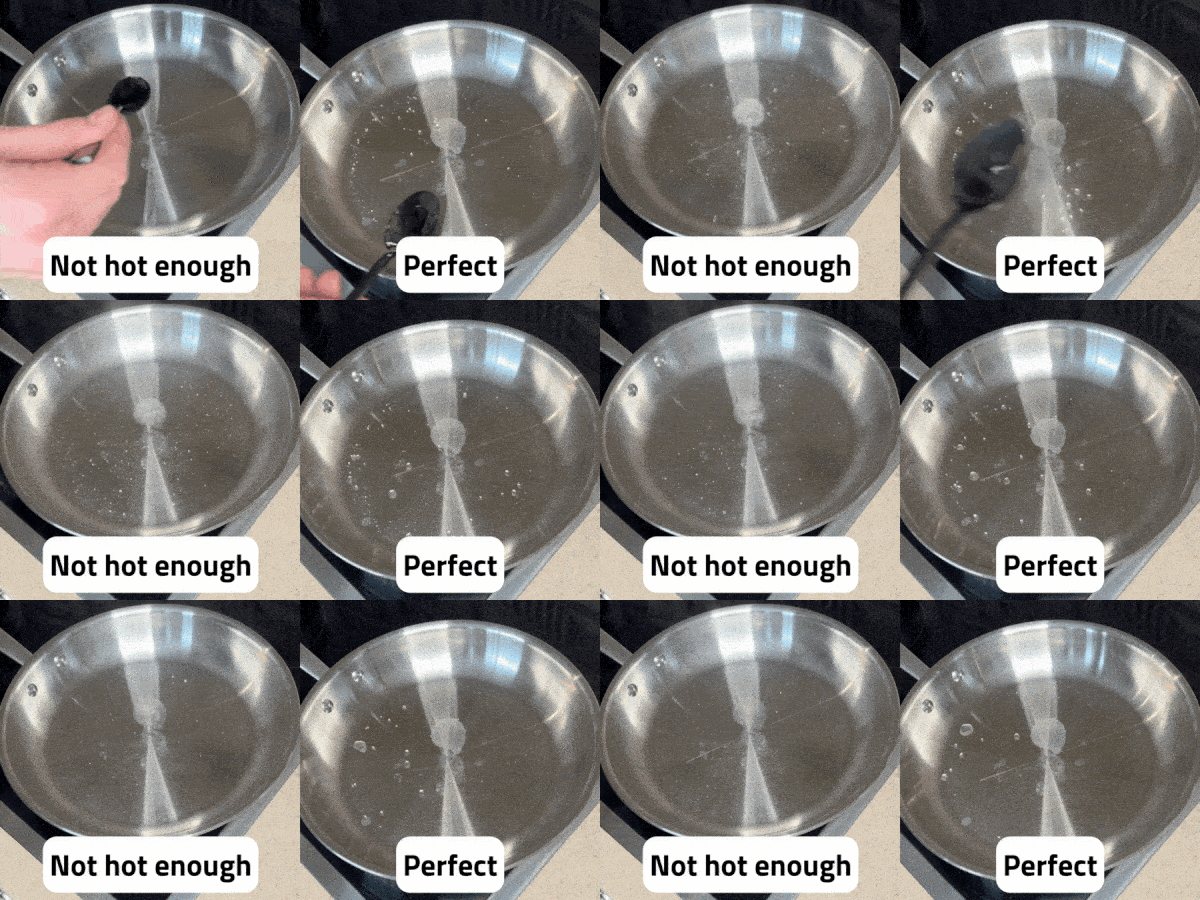
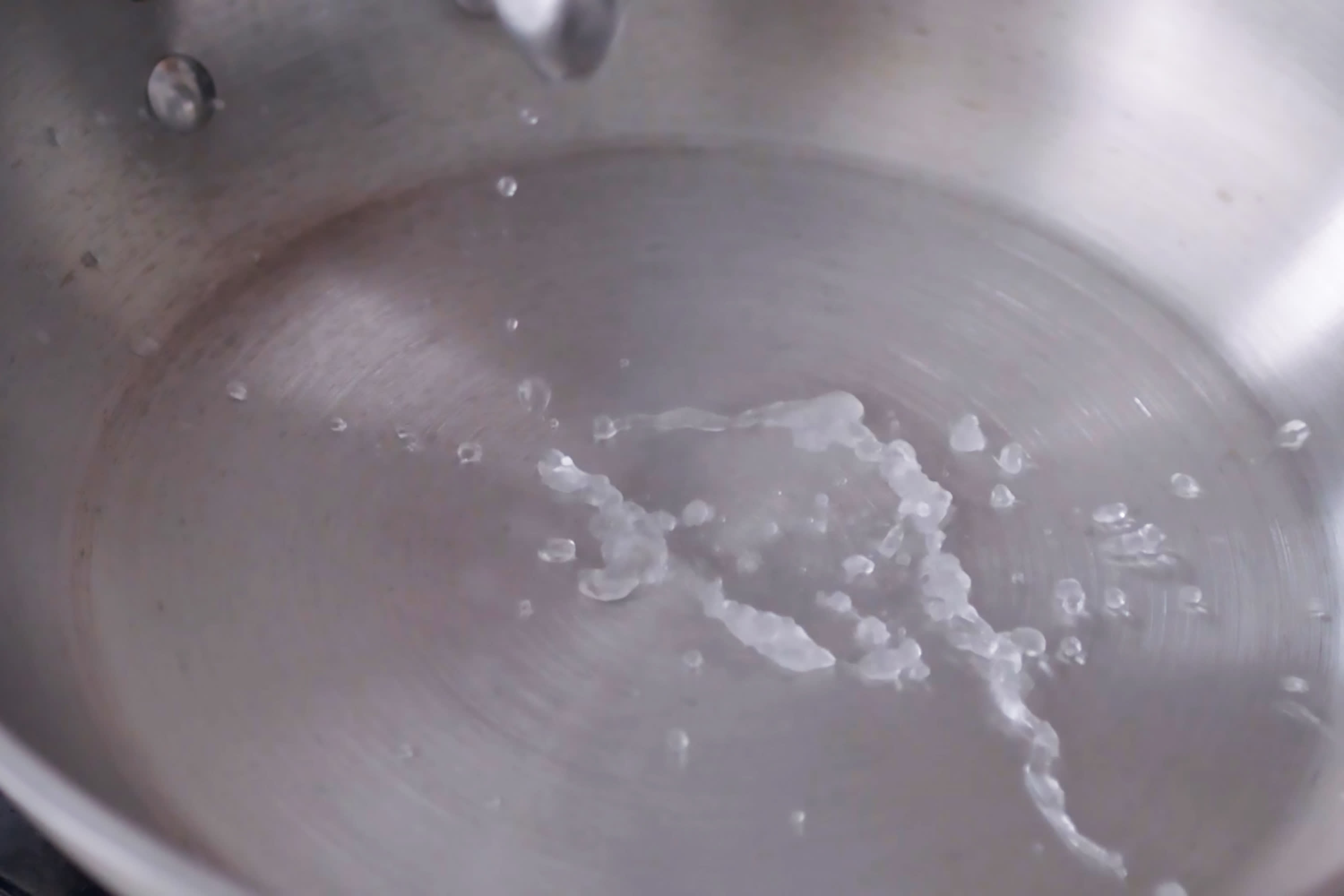
Water droplet test
- Sprinkle a few drops of water on the pan. If they sizzle and leap, the pan is hot enough for searing. If the water immediately evaporates into vapor or smokes away, the pan is too hot.
- I use this test for steak and veggies. It’s fast and clear.
-
Oil shimmer and movement
- Add a thin layer of oil, tilt the pan. When the oil thins and shimmers and moves smoothly, the pan is ready. For nonstick, do this on low-medium to avoid damaging the coating.
- I learned to rely on shimmer for quick sautés. It signals even heat across the surface.
-
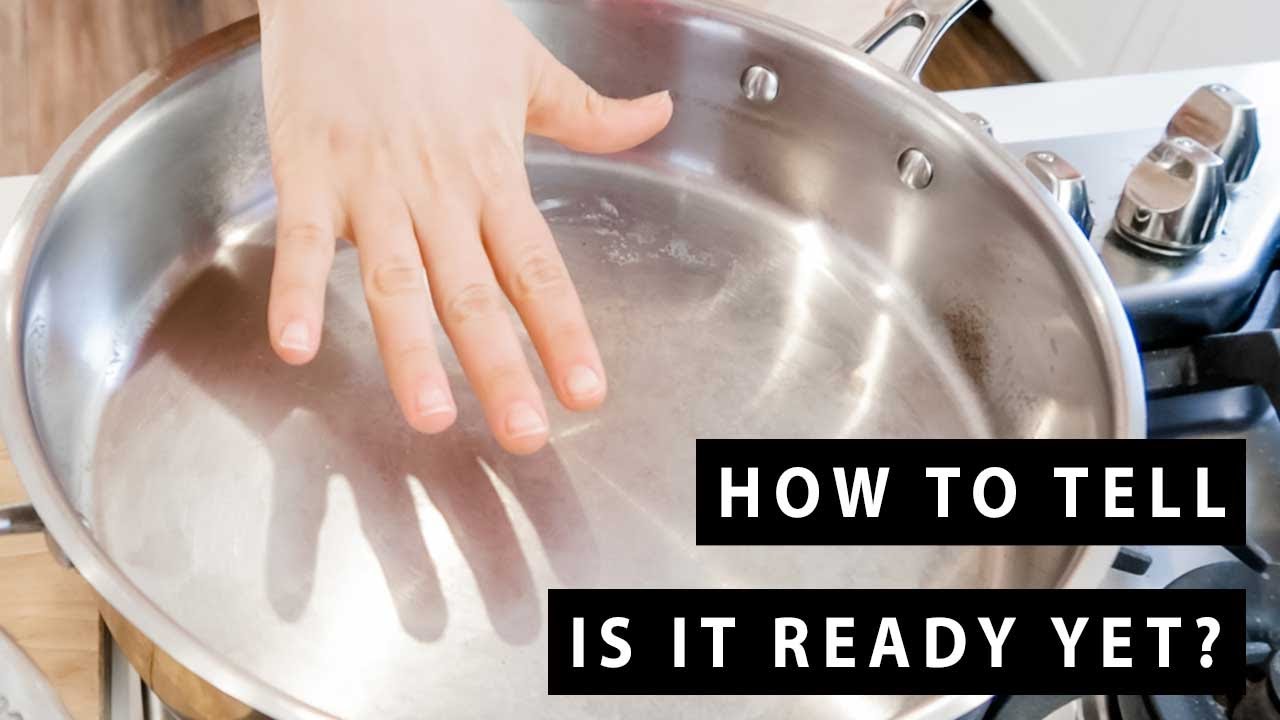
The hand-hover (safe) test
- Hold your hand about 4–6 inches above the pan. If you can hold it there for 4–6 seconds, heat is medium. If you can only hold it 1–2 seconds, it’s high. Never touch the pan surface.
- This is a rough, burner-specific check I use when I don’t have a thermometer.
-
Thermometer or infrared thermometer
- A surface thermometer reads pan temp precisely. Aim for 350–500°F for searing and 300–375°F for sautéing. Use an infrared thermometer for fast checks on stainless and cast iron.
- I keep an inexpensive infrared gun by the stove for repeatable results.
-
Oil smoke point as a guide
- Know the oil smoke points: olive oil smokes lower than avocado oil. If oil smokes right away, the pan is hotter than the oil’s smoke point and likely too hot for delicate food.
- This helped me stop burning garlic while still getting good browning on meats.
-
Food behavior test
- Place the food in the pan. If it sizzles immediately and releases naturally after a minute or two, the pan was hot enough. If it sticks badly, the pan was too cold.
- This test is the final proof for how to know pan is hot enough during cooking.
-
Time and burner setting
* Learn how long your pan takes to heat on each burner. For example, a medium cast iron pan might take 7–10 minutes to reach searing temperature on medium-high.- I mark times in my head for each burner. It saves trial and error.

Heat levels and ideal temperatures for common tasks
Match the pan temp to what you cook. Knowing how to know pan is hot enough means matching temps to technique.
-
Low heat (200–300°F)
- Use for gentle cooking, warming, and slow sauces.
-
Medium heat (300–375°F)
- Good for most sautés, pancakes, and eggs.
-
Medium-high heat (375–450°F)
- Ideal for stir-frying, browning, and pan-searing thin cuts.
-
High heat (450–550°F)
- Best for a strong sear on steaks and quick blackening. Use with caution on nonstick pans.
I check these temps with an infrared thermometer when practicing new recipes. It trains your eye and your burner feel.
Common mistakes and how to avoid them
Avoid these traps to get consistent results when figuring out how to know pan is hot enough.
-
Mistake: Adding food to a cold pan
- Fix: Preheat the pan using the water or oil shimmer test so food sears instead of steams.
-
Mistake: Overheating nonstick pans
- Fix: Use medium heat and watch oil shimmer; nonstick coatings degrade at high temps.
-
Mistake: Relying only on time
- Fix: Use tests—water droplet, oil shimmer, or a thermometer—because burner power and pan material vary.
-
Mistake: Too much oil or overcrowding
- Fix: Use a thin layer of oil and cook in batches so the pan stays hot. Crowding drops temp and prevents browning.
-
Mistake: Ignoring pan type
- Fix: Learn how to know pan is hot enough by pan type: cast iron holds heat and needs more time; stainless heats faster; nonstick needs gentler heat.

Personal tips, tricks, and troubleshooting
Here are lessons I learned the hard way and tips that saved me time and food.
-
Tip: Season your cast iron and preheat longer
- Cast iron needs more heat time. I heat mine on medium for 7–10 minutes before searing. It then keeps steady heat.
-
Tip: Use the right oil for the job
- Choose oils with higher smoke points for high heat. I use avocado oil for searing and olive oil for medium sautés.
-
Tip: Practice with a thermometer
- Spend a few sessions checking pan temps with an infrared thermometer. It trains your eye to know how to know pan is hot enough without gadgets.
-
Tip: Let food dry before searing
- Pat meat and fish dry. Moisture cools the pan and interferes with searing.
-
Troubleshooting: Food sticking despite tests
- Wait longer. Often the pan looks ready but needs another minute. A proper sear forms when the protein naturally releases.
I once stopped using a nonstick for high-heat searing because I burned the coating. Switching to stainless for searing and keeping nonstick for eggs cleared up many problems.
Frequently Asked Questions of how to know pan is hot enough
How long should I preheat a pan before cooking?
Most pans take 2–5 minutes on medium-high heat; cast iron can take 7–10 minutes. Use the water or oil shimmer test to confirm the pan is hot enough.
Can I use a thermometer to check pan temperature?
Yes. An infrared thermometer gives quick surface readings; a contact thermometer works too. Aim for 350–500°F depending on the cooking task.
Is the water droplet test safe for nonstick pans?
A tiny drop is fine, but avoid high heat on nonstick pans to protect the coating. Use the oil shimmer test as a gentler alternative.
What happens if the pan is too hot?
Food can burn on the surface while staying raw inside, and oils can smoke or break down. If the pan is too hot, lower the heat and let it cool slightly before continuing.
How do I know when a cast iron pan is hot enough?
Heat cast iron longer until it radiates noticeable heat and a drop of water sizzles and skitters. Using an infrared thermometer helps you hit searing temps reliably.
Conclusion
Cooking depends on heat control, so learning how to know pan is hot enough will improve flavor, texture, and speed. Use quick tests—water droplet, oil shimmer, hand-hover, or a thermometer—and adjust for pan type and oil. Practice these checks and you’ll build reliable intuition in the kitchen.
Try one test tonight and note the difference in your next sear. If this guide helped, leave a comment, share your results, or subscribe for more practical cooking tips.
