

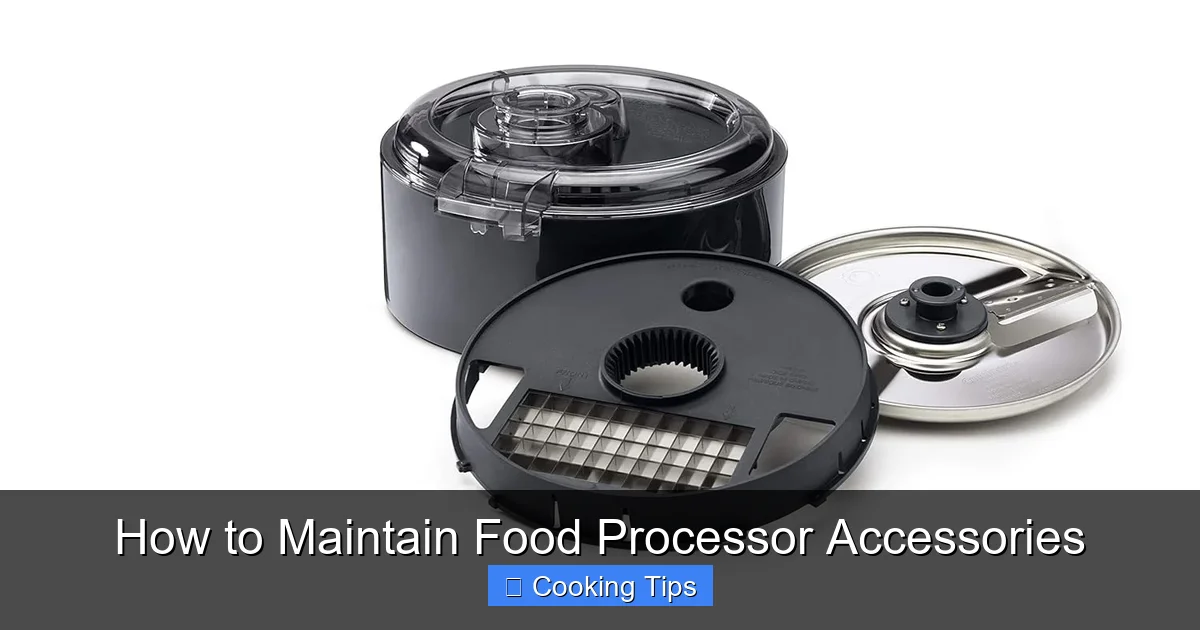
Extend the life of your food processor and its attachments with proper maintenance. This comprehensive guide will walk you through the best practices for cleaning, drying, storing, and troubleshooting your food processor accessories. By following these simple steps, you’ll ensure your equipment remains efficient and hygienic for years to come. Regular care prevents damage and keeps your kitchen tools performing optimally.
Your food processor is a workhorse in the kitchen, capable of tackling everything from chopping onions to kneading dough. But its true power lies in its diverse set of accessories: blades, discs, bowls, and lids. To ensure your food processor continues to perform at its best and lasts for years, proper maintenance of these accessories is absolutely essential. This guide will provide you with a comprehensive understanding of how to clean, care for, and store every part of your food processor, keeping it in tip-top condition.
Key Takeaways
- Regular Cleaning is Crucial: Immediately after use, wash all food processor accessories to prevent food particles from drying and becoming difficult to remove.
- Dishwasher Safety Varies: Always check your appliance’s manual to determine which accessories are dishwasher-safe. Top racks are generally preferred for plastics.
- Hand Washing for Longevity: For delicate parts or when unsure about dishwasher safety, hand washing with warm, soapy water is the safest and most effective method.
- Thorough Drying Prevents Mold: Ensure all accessories are completely dry before storing them to prevent the growth of mold and mildew, which can damage materials and compromise hygiene.
- Proper Storage Protects Blades: Store blades carefully, ideally in their original containers or blade guards, to prevent accidental cuts and damage to the sharp edges.
- Address Odor Issues Promptly: Persistent odors can often be removed with natural cleaning solutions like baking soda or vinegar, but prevention through immediate cleaning is key.
- Troubleshooting Common Problems: Be aware of common issues like dull blades or cracked plastic and know how to address them or when it’s time for replacement.
Understanding Your Food Processor Accessories
Before diving into maintenance, it’s helpful to know what you’re working with. Most food processors come with a standard set of accessories, each with its own cleaning and care requirements:
- Processing Bowl: The main container where food is processed. Usually made of durable plastic.
- Lid: Seals the bowl and often includes a feed chute and pusher.
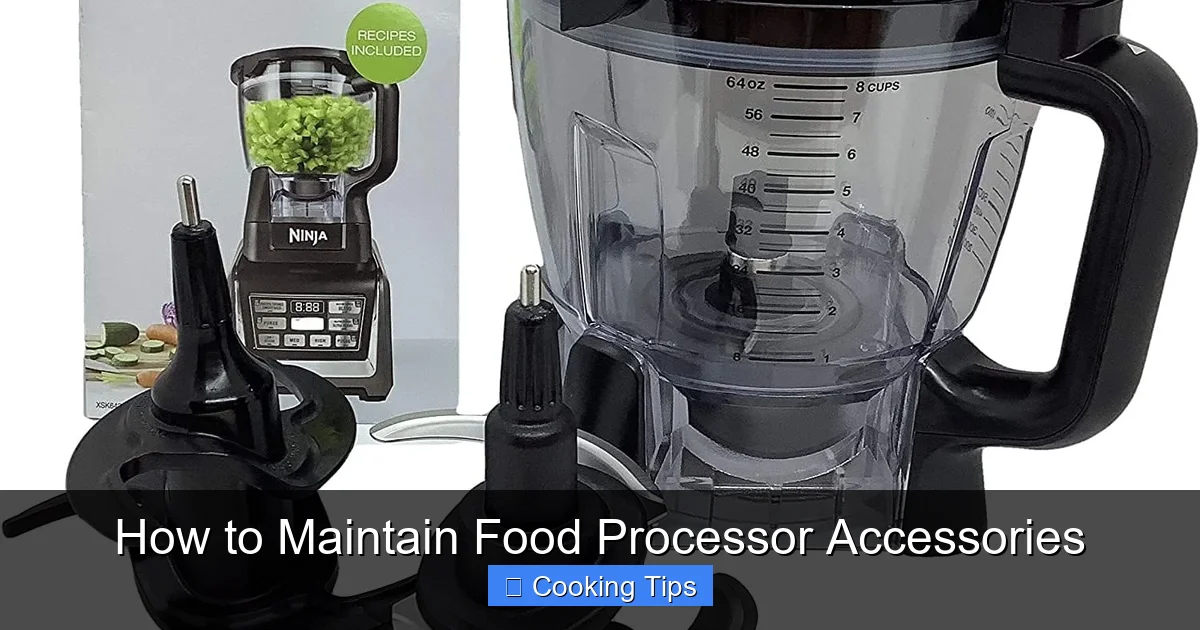
- S-Blade: The most common blade, used for chopping, pureeing, and mixing. Made of stainless steel.
- Dicing Disc: For creating uniform cubes of fruits and vegetables.
- Shredding Disc: For shredding cheese, vegetables, and other foods.
- Emulsifying/Whipping Disc: Used for making mayonnaise, whipped cream, and other emulsions.
- Pushers: Used to safely guide food down the feed chute.
Each of these parts plays a vital role, and their longevity depends on how well you care for them. Neglecting even one small part can impact the overall performance and hygiene of your food processor.
The Golden Rule: Clean Immediately After Use
This is the single most important tip for maintaining any kitchen appliance, and food processor accessories are no exception. Food particles, especially sticky or colorful ones like tomato sauce or berries, can dry and harden, making them incredibly difficult to remove. This not only creates a breeding ground for bacteria but can also stain plastics and etch metal surfaces over time.
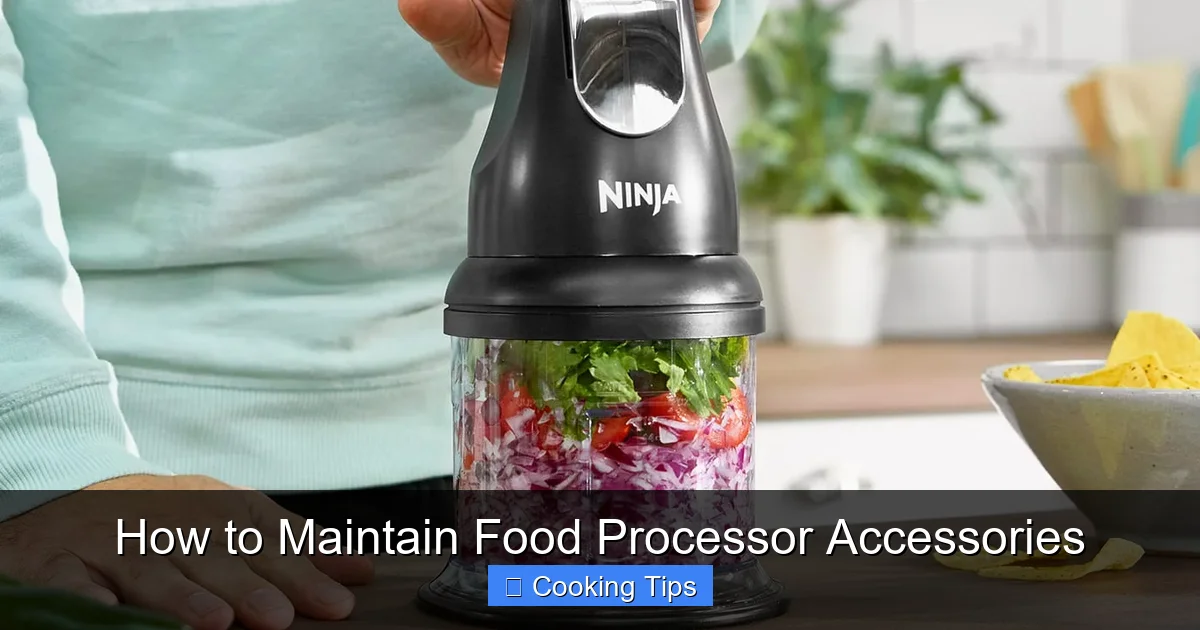
Visual guide about How to Maintain Food Processor Accessories
Image source: americanrecipes.co.uk
Why Immediate Cleaning Matters
- Prevents Stains: Fresh food residue is far less likely to stain plastic bowls and lids.
- Easier Removal: Wet food is much easier to wipe or rinse away than dried-on bits.
- Hygienic Practices: Minimizes the risk of bacterial growth and cross-contamination.
- Preserves Blade Sharpness: Food acids left on blades can degrade their sharpness over time.
So, as soon as you’ve finished processing, take a moment to disassemble your food processor and deal with the parts. It might seem like a chore, but it will save you a lot of effort and keep your accessories looking and performing their best.
Cleaning Methods: Dishwasher vs. Hand Washing
The debate between dishwasher and hand washing is a common one for kitchenware. For food processor accessories, both methods have their place, but it’s crucial to know when to use each.
Visual guide about How to Maintain Food Processor Accessories
Image source: m.media-amazon.com
Dishwasher Safety: Know Before You Go
Many food processor accessories are designed to be dishwasher-safe. However, there are important caveats:
- Consult Your Manual: Always refer to your food processor’s instruction manual. It will explicitly state which parts are dishwasher-safe and any specific recommendations (e.g., top rack only).
- High Heat Concerns: The high heat of dishwashers can warp or degrade certain plastics over time, especially if they are older or of lower quality.
- Blade Damage: While many blades are dishwasher-safe, the harsh detergent and jostling in a dishwasher can dull their edges more quickly than gentle hand washing.
- Top Rack Preference: If your manual permits dishwasher use, always place plastic parts and bowls on the top rack. This is where the heat is less intense, reducing the risk of warping.
Example: If your manual says the processing bowl and lid are dishwasher-safe, you can typically place them on the top rack. However, for the S-blade, hand washing is often recommended to preserve its sharpness.
The Gentle Touch: Hand Washing for Longevity
Hand washing is the safest bet for most food processor accessories, especially for components you want to keep in pristine condition.
Step-by-Step Hand Washing Instructions:
- Disassemble: Carefully separate all components: bowl, lid, blade(s), discs, pusher, etc.
- Rinse: Immediately rinse all parts under warm running water to remove loose food debris.
- Prepare Wash Basin: Fill a sink or a basin with warm water and add a few drops of mild dish soap. Avoid harsh detergents.
- Wash Components:
- Bowls and Lids: Use a soft sponge or cloth to gently scrub all surfaces. Pay attention to crevices and the area around the lid seal.
- Discs: Carefully handle discs to avoid cuts. Use a sponge or brush to clean both sides. Ensure no food residue remains in the center hole or around the edges.
- Blades: This requires extreme caution. Hold the blade assembly by the central hub, never the sharp edges. Use a soft sponge or a dedicated brush (like a bottle brush) to clean around the blades. Never use abrasive scouring pads on blades, as this can scratch and dull them.
- Pushers and Other Small Parts: Wash these like bowls and lids, using a sponge.
- Rinse Thoroughly: Rinse each item under clean, warm running water to remove all soap residue.
- Inspect: Briefly inspect all parts to ensure no food particles or soap remain.
Pro Tip: For stubborn residue on bowls, you can let them soak in warm, soapy water for 15-30 minutes before washing.
Tackling Tough Stains and Odors
Sometimes, despite immediate cleaning, stains or lingering odors can be a problem, especially with certain ingredients like turmeric, garlic, or tomato sauce.
Visual guide about How to Maintain Food Processor Accessories
Image source: cuisinart.com
Natural Stain and Odor Removers
Before resorting to harsh chemicals, try these natural methods:
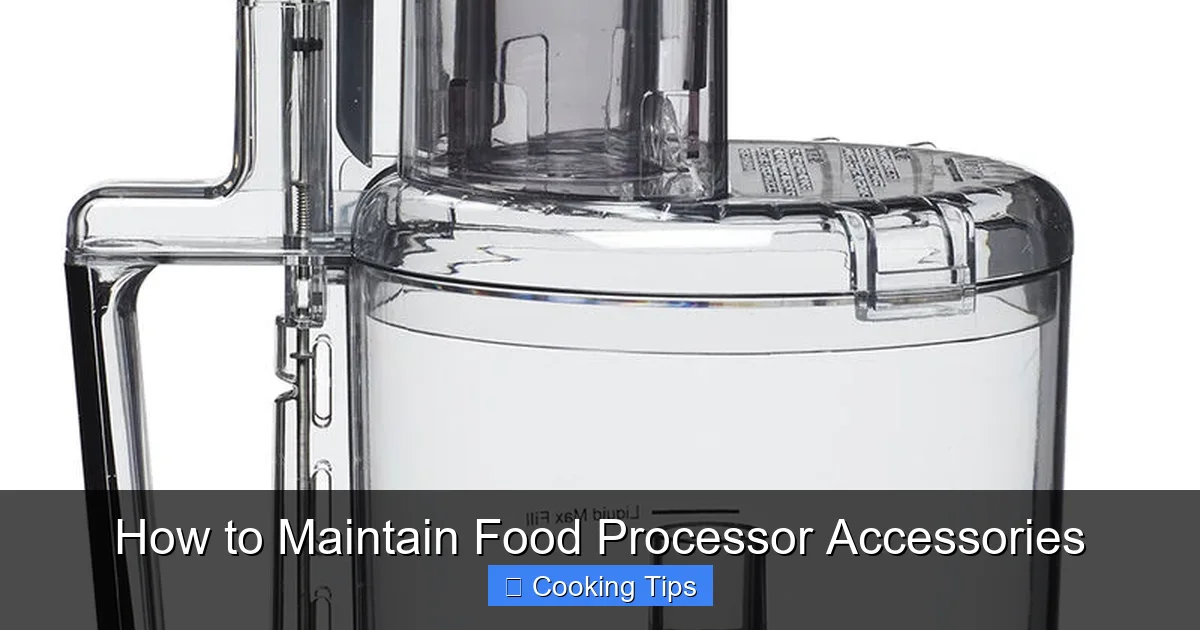
- Baking Soda Paste: Mix baking soda with a little water to form a paste. Apply it to stained areas or to the inside of the bowl. Let it sit for 15-30 minutes, then scrub gently with a soft sponge and rinse thoroughly. This is excellent for deodorizing as well.
- Vinegar Soak: For persistent odors, fill the bowl with a solution of equal parts white vinegar and water. Let it soak for an hour or two, then wash as usual. You can also use this diluted solution to wipe down lids and other plastic parts.
- Lemon Juice: The acidity of lemon juice can help lift stains and neutralize odors. Rub a cut lemon over stained areas or add lemon juice to your wash water.
Important Note: Always rinse thoroughly after using any of these cleaning agents to ensure no residual taste or smell affects your food.
Cleaning the Motor Base
The motor base itself usually does not come into contact with food and is not typically removable. However, it can accumulate dust and splatter from the bowl.
- Unplug First: Always ensure the food processor is unplugged before cleaning the base.
- Damp Cloth: Wipe down the exterior of the motor base with a soft, damp cloth.
- Avoid Water Submersion: Never immerse the motor base in water or put it in the dishwasher.
- Cleaning Vents: If there are vents, use a dry brush or a vacuum cleaner with a brush attachment to remove dust and debris.
The Crucial Step: Thorough Drying
This is another step that is often overlooked but is just as vital as cleaning. Dampness is the enemy of good storage and can lead to:
- Mold and Mildew Growth: Especially in plastic parts, dampness can encourage the growth of unsightly and unhealthy mold.
- Rusting of Blades: Stainless steel blades can still rust if left wet for extended periods, particularly if there are nicks or scratches on the surface.
- Lingering Odors: Trapped moisture can exacerbate any remaining food odors.
Best Drying Practices:
- Air Drying: The most recommended method is to let all accessories air dry completely on a drying rack. Ensure good air circulation around each part.
- Towel Drying: For faster drying, you can use a clean, lint-free towel. Be extra careful when towel-drying blades and discs.
- Blade Drying: It’s particularly important to thoroughly dry blades. You can hold the central hub and carefully wipe each blade with a towel. Ensure no water is trapped in any crevices.
- Bowl and Lid Drying: Ensure the inside and outside of the bowl and lid are dry. If your lid has a seal or gasket, ensure it’s dry.
Don’t Rush: It’s better to wait an extra hour for complete dryness than to store damp parts.
Proper Storage for Longevity and Safety
How you store your food processor accessories can make a big difference in their lifespan and your safety.
Storing Blades and Discs Safely:
These are the sharpest and most delicate parts. Mishandling can lead to:
- Accidental Cuts: This is the most significant safety risk.
- Dulling or Damaging Edges: Blades can get knocked against hard surfaces or other metal objects.
- Rusting: If not properly dried and stored in a dry environment.
Storage Solutions:
- Original Packaging: Many food processors come with specific storage containers or blade guards for the S-blade and discs. These are designed for safety and protection. Always use them if you have them.
- Blade Sleeves: If you don’t have original packaging, consider purchasing universal blade sleeves or covers. These are typically made of plastic and fit over the blades to protect them and prevent accidents.
- Dedicated Storage Box: A small, compartmentalized box or container can be used to store blades and discs separately. Line it with a soft cloth to cushion the parts and prevent them from rattling against each other.
- Handle with Care: When placing blades or discs into storage, always hold them by the central hub.
Example: Store your S-blade in its protective cover, and place your discs flat in a compartment of a storage bin, ensuring they don’t touch each other.
Storing Bowls, Lids, and Other Accessories:
- Nested Storage: If your food processor bowl is designed to nest over the motor base, this can be a convenient way to store the main unit. Ensure the blade is removed and stored safely before nesting.
- Stacking Bowls: If you have multiple bowls, they can often be stacked.
- Lid Storage: Lids can sometimes be placed on top of nested bowls or stored separately. Some lids have clips or slots for the pusher.
- Dry Environment: Store all accessories in a dry, clean cupboard or drawer.
Avoid Clutter: Don’t just toss everything into a drawer. Organized storage prevents damage and makes it easier to find what you need.
Troubleshooting Common Food Processor Accessory Issues
Even with the best maintenance, you might encounter occasional problems.
Issue: Dull Blades
- Cause: Regular use, improper cleaning (e.g., abrasive scrubbers), or dishwasher damage.
- Solution: For minor dullness, some specialized blade sharpeners for food processors exist. However, for significant dullness or nicks, it’s often best and safest to replace the blade. High-quality blades can last for many years with proper care, but they are not indestructible.
Issue: Cracked or Damaged Plastic Bowl/Lid
- Cause: Dropping, harsh dishwasher cycles, or age.
- Solution: Plastic accessories are prone to cracking over time. If a crack is significant, it compromises the seal and safety of the appliance. It’s generally recommended to replace the damaged part. Many manufacturers sell replacement bowls, lids, and pushers individually.
Issue: Persistent Stains or Odors
- Cause: Highly pigmented or pungent foods left too long, or incomplete cleaning.
- Solution: Revisit the natural cleaning methods mentioned earlier (baking soda, vinegar). If the issue persists, it might be a sign that the plastic has become porous and can no longer be fully deodorized.
Issue: Food Processor Not Working Correctly (Related to Accessories)
- Cause: The lid is not properly locked, the bowl is not seated correctly, or the blade/disc is not inserted properly.
- Solution: Always ensure all parts are securely in place according to your appliance’s instructions before turning it on. Many food processors have safety mechanisms that prevent them from operating if not assembled correctly.
When to Replace Food Processor Accessories
While maintenance can extend the life of your accessories, some parts are not meant to last forever.
- Blades: If blades are visibly dull, nicked, bent, or rusted, it’s time for a replacement. Dull blades require more power and can lead to uneven processing.
- Plastic Bowls and Lids: Cracks, deep scratches that harbor bacteria, or severe warping mean it’s time to replace them.
- Discs: If discs are bent, have sharp edges that are damaged, or have deep gouges, they should be replaced for safety and performance.
Replacing worn-out accessories ensures your food processor continues to function safely and efficiently. Always try to purchase genuine replacement parts from the manufacturer to ensure compatibility and quality.
Conclusion: Invest in Your Kitchen Tool’s Lifespan
Your food processor accessories are an investment in your culinary efficiency. By adopting a routine of immediate cleaning, mindful washing (whether by hand or dishwasher), thorough drying, and safe storage, you can significantly prolong their life and ensure they remain hygienic and effective. Pay attention to your appliance’s manual, be gentle with the sharp parts, and don’t hesitate to replace parts when they show signs of wear. A well-maintained food processor and its accessories will be a reliable partner in your kitchen for many years to come, making meal preparation a joy rather than a chore.
