

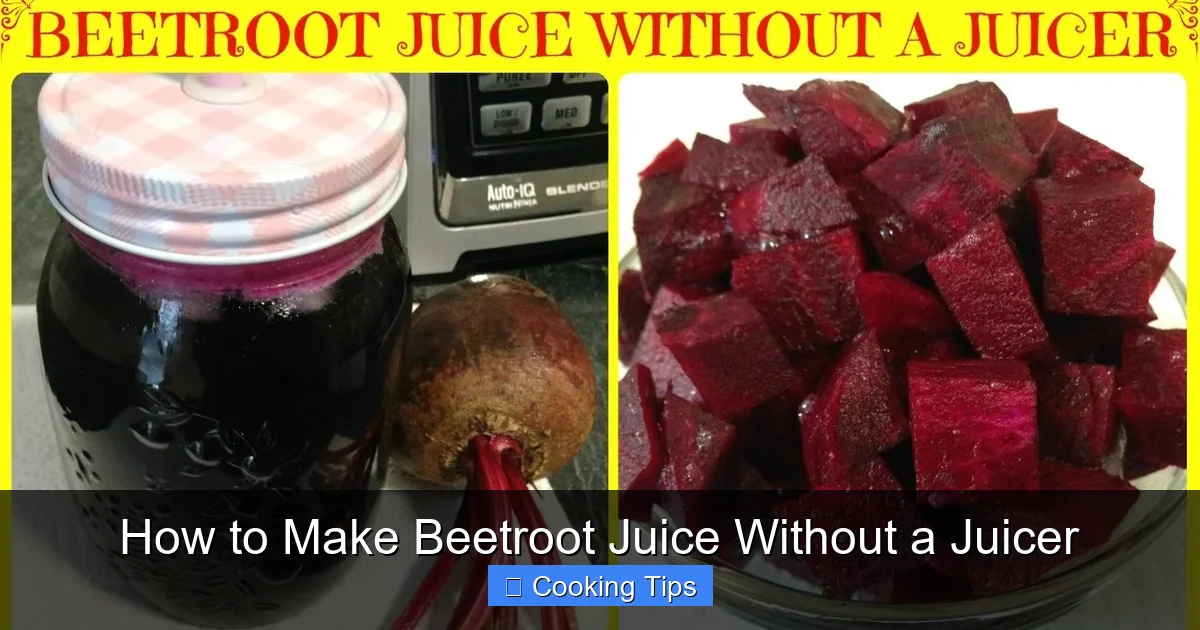
Discover how to make nutrient-rich beetroot juice even without a juicer! This guide offers simple, accessible methods using common kitchen tools. You’ll learn how to prepare your beets, extract their goodness, and enjoy a healthy, homemade beverage. Get ready to boost your health with this vibrant, earthy drink!
Key Takeaways
- Select the right beetroots: Choose fresh, firm beetroots for the best flavor and juice yield.
- Thorough washing is crucial: Properly clean your beetroots to remove any dirt and debris.
- Consider peeling or not: Decide whether to peel your beetroots based on your preference and the method used.
- Effective extraction methods: Master techniques like blending and straining or grating and squeezing to get your juice.
- Enhance flavor with additions: Learn how to combine beetroot juice with other fruits and vegetables for a tastier drink.
- Proper storage is key: Understand how to store your homemade beetroot juice to maintain freshness and nutrients.
- Troubleshooting common issues: Find solutions for common problems like a thick consistency or a bitter taste.
How to Make Beetroot Juice Without a Juicer
Welcome to your ultimate guide on making delicious and healthy beetroot juice, even if you don’t own a juicer! Beetroot, a powerhouse of nutrients, is known for its vibrant color and impressive health benefits. From improving blood flow to supporting your immune system, incorporating beetroot juice into your diet is a fantastic choice. Many people shy away from making it at home, thinking a specialized juicer is a necessity. However, that couldn’t be further from the truth! In this comprehensive guide, we’ll walk you through simple, effective methods that use common kitchen tools to extract all the goodness from your beetroots. Get ready to unlock the vibrant flavor and incredible health benefits of homemade beetroot juice, no juicer required!
Why Make Beetroot Juice?
Before we dive into the “how-to,” let’s quickly touch upon why beetroot juice is worth the effort. Beetroots are packed with vitamins, minerals, and antioxidants, most notably nitrates, which your body converts to nitric oxide. This compound helps to relax blood vessels, potentially lowering blood pressure and improving exercise performance. They also contain betalains, which give beets their stunning red hue and possess anti-inflammatory properties. Plus, they’re a good source of folate, manganese, and potassium. Making it at home allows you to control the ingredients, avoid added sugars, and enjoy the freshest possible product.
Choosing and Preparing Your Beetroots
The foundation of great beetroot juice starts with selecting and preparing your star ingredient.
Selecting the Best Beetroots
When heading to the grocery store or farmer’s market, look for beetroots that are:
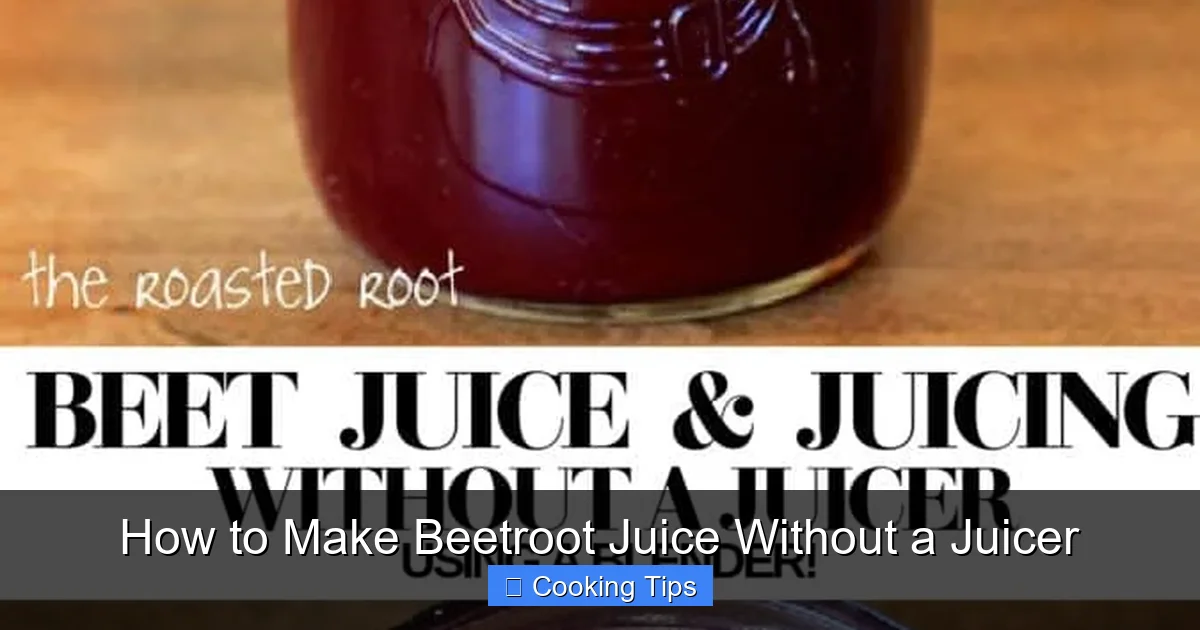
Visual guide about How to Make Beetroot Juice Without a Juicer
Image source: theroastedroot.net
- Firm and smooth: Avoid beets that are soft, wrinkled, or have excessive blemishes.
- Medium-sized: Smaller to medium-sized beets tend to be sweeter and less woody. Large beets can be tougher and sometimes have a more earthy flavor.
- With green tops attached (optional but good): If the green tops are still attached and look fresh, it’s a good sign of a recently harvested and healthy root. You can use these greens in salads or sauté them!
Washing Your Beetroots
This step is crucial to ensure your juice is clean and free of any dirt or grit.
- Rinse the beetroots thoroughly under cool running water.
- You can use a vegetable brush to gently scrub away any stubborn dirt clinging to the skin.
To Peel or Not to Peel?
This is a common question, and the answer depends on your method and preference:
- Peeling: If you’re using a blender and want a smoother juice, you might prefer to peel the beetroots. This also helps to reduce the earthiness. Use a vegetable peeler or a paring knife for this.
- Not peeling: If you’re using the grating method or if you have a high-powered blender and don’t mind a slightly earthier taste and texture, you can leave the skin on. Just make sure they are scrubbed very clean! The skin contains nutrients too.
Method 1: The Blender and Strainer Method (Most Common)
This is arguably the most straightforward and accessible way to make beetroot juice without a juicer. It requires a blender and a fine-mesh sieve or cheesecloth.
Step-by-Step Guide
- Chop the Beetroots: After washing and peeling (if you chose to), chop the beetroots into small, manageable cubes. Aim for pieces that are about 1-inch in size. This helps your blender process them more easily.
- Add Water: Place the chopped beetroot into your blender. Add a small amount of water to help with blending. Start with about 1/4 to 1/2 cup of water for every 1-2 medium beetroots. You can always add more if needed, but too much water can dilute the flavor and nutrients.
- Blend Until Smooth: Secure the lid on your blender and blend on high speed until the mixture is completely smooth and liquified. This might take a minute or two, depending on your blender’s power. If the mixture is too thick, add a tablespoon of water at a time and blend again.
- Strain the Juice: This is where you separate the liquid from the pulp.
- Using a Fine-Mesh Sieve: Place a fine-mesh sieve over a bowl or jug. Pour the blended beetroot mixture into the sieve. Use the back of a spoon to press down on the pulp, helping to extract as much liquid as possible.
- Using Cheesecloth: For an even clearer juice, line a sieve with a few layers of cheesecloth. Pour the blended mixture into the cheesecloth-lined sieve. Gather the edges of the cheesecloth and twist to squeeze out all the juice into the bowl below. This method might be a bit more time-consuming but yields excellent results.
- Discard or Repurpose Pulp: The leftover pulp can be discarded, or you can get creative! It can be added to smoothies, baked goods, or even composted.
Tips for Success with the Blender Method:
- High-Powered Blender: A more powerful blender will yield a smoother pulp, making it easier to extract the juice.
- Patience with Straining: Don’t rush the straining process. Pressing and squeezing gently will help you get the most juice.
- Taste and Adjust: After straining, taste your beetroot juice. If it’s too earthy for your liking, you can add a squeeze of lemon or lime juice, a touch of honey or maple syrup, or even mix it with other juices.
Method 2: The Grating and Squeezing Method
This method is ideal if you don’t have a blender or if you want a more hands-on approach. It requires a grater and a cheesecloth or a strong kitchen towel.
Step-by-Step Guide
- Prepare the Beetroots: Wash and peel your beetroots.
- Grate the Beetroots: Use the fine side of a box grater or a microplane to grate the beetroots. Grating breaks down the beetroot’s cell structure, making it easier to extract the juice.
- Gather the Grated Beetroot: Place the grated beetroot into a cheesecloth or a clean, lint-free kitchen towel.
- Squeeze Out the Juice: Twist the cheesecloth or kitchen towel tightly to squeeze out the juice into a bowl or jug. This will require some effort, but you’ll be surprised how much liquid you can extract.
Tips for Success with the Grating Method:
- Wear Gloves: Beetroot can stain your hands and surfaces. Wearing gloves is highly recommended.
- Use a Sturdy Towel: Ensure your kitchen towel is strong enough to withstand the squeezing pressure.
- Double Squeeze: If you want to maximize juice yield, you can re-grate any remaining pulp (if it still looks juicy) and squeeze again.
Enhancing Your Beetroot Juice
Plain beetroot juice is potent, but it can be quite intense. To make it more palatable and to add a wider array of nutrients, consider adding other ingredients.
Popular Additions:
- Fruits: Apples (sweetness and fiber), oranges (vitamin C and sweetness), lemons or limes (tanginess and to cut earthiness), berries (antioxidants).
- Vegetables: Carrots (sweetness and beta-carotene), ginger (zing and anti-inflammatory properties), celery (hydration and minerals), cucumber (hydration and mild flavor).
Flavor Combinations to Try:
- Classic Beet-Apple-Ginger: 1 beetroot, 1 apple, a small piece of ginger.
- Orange Zest Beet: 1 beetroot, 1 orange, 1/2 lemon.
- Green Power Beet: 1 beetroot, 1 cucumber, 2 celery stalks, a small piece of ginger.
How to Add Them:
- With the Blender Method: Add other chopped fruits and vegetables to the blender along with the beetroot before blending. Adjust the water as needed for consistency.
- With the Grating Method: For fruits like apples and carrots, you can grate them along with the beetroot and squeeze them together. For citrus fruits, squeeze their juice directly into your bowl after extracting the beetroot juice.
Storing Your Homemade Beetroot Juice
Once you’ve made your delicious beetroot juice, proper storage is essential to maintain its freshness and nutrient content.
Best Practice: Store beetroot juice in an airtight container (like a glass jar or bottle) in the refrigerator. It’s best consumed within 24-48 hours for optimal flavor and nutrient benefits. The vibrant color may fade slightly over time.
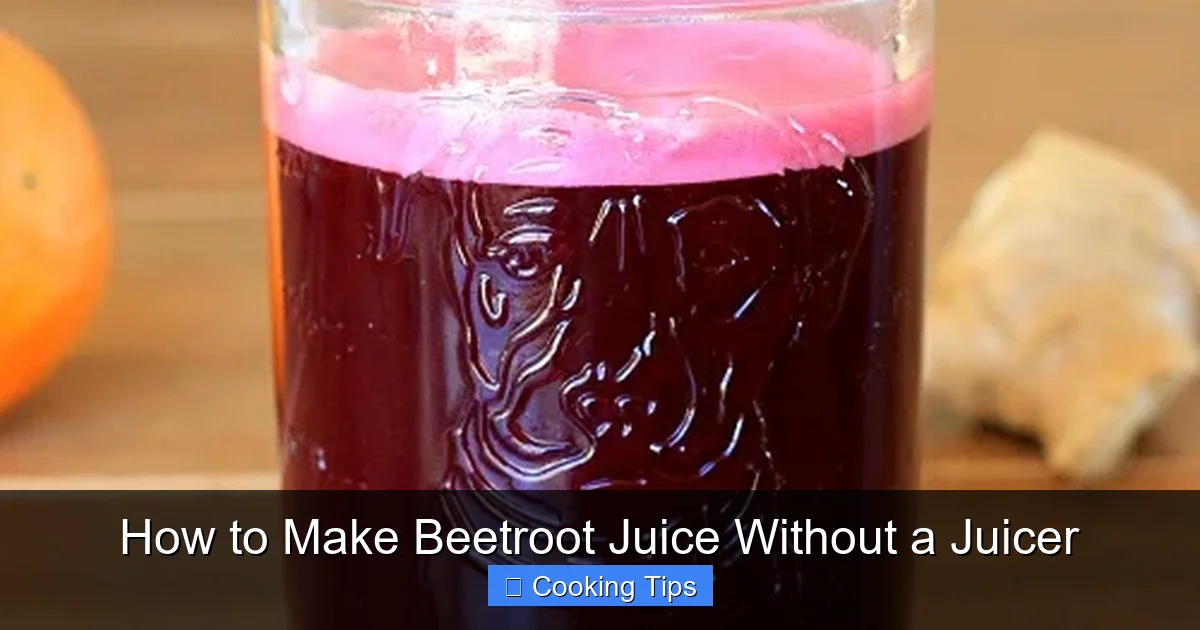
Visual guide about How to Make Beetroot Juice Without a Juicer
Image source: theroastedroot.net
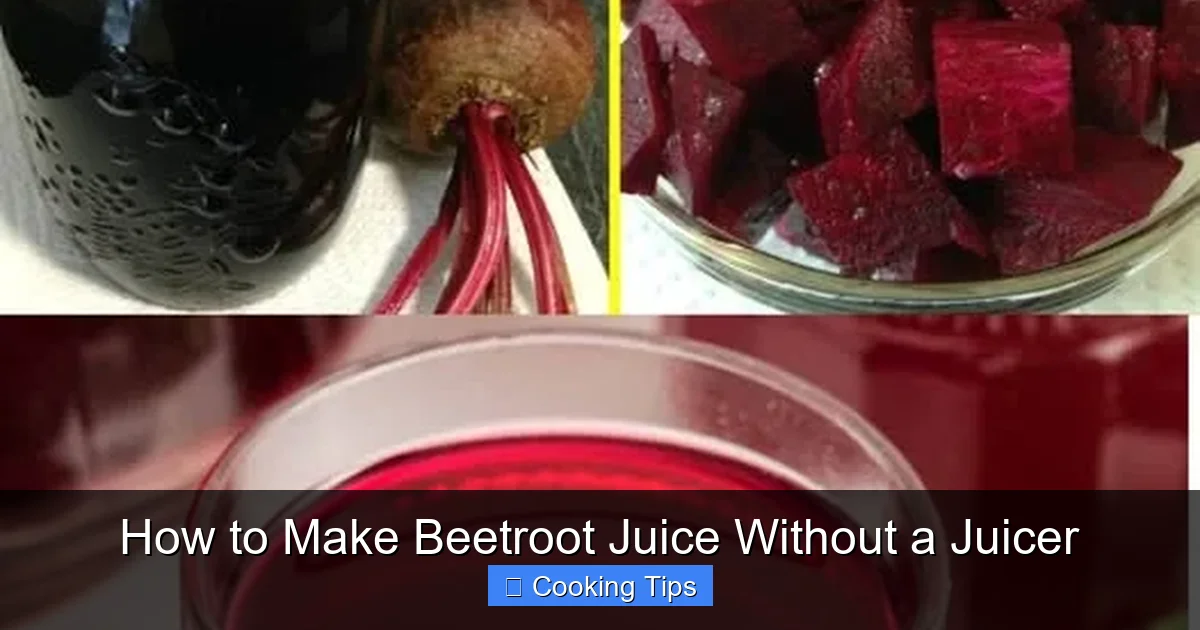
Visual guide about How to Make Beetroot Juice Without a Juicer
Image source: greentricks.me
Troubleshooting Common Issues
Even with the best intentions, you might encounter a few snags. Here are some common issues and their solutions:
Issue: The juice is too thick.
Solution: Add more water, a tablespoon at a time, and re-blend (if using the blender method) or stir well (if using the grating method). You can also mix it with a larger volume of water or other juices.
Issue: The juice tastes too earthy.
Solution: This is a common concern. Counteract the earthiness with:
- A squeeze of fresh lemon or lime juice.
- A dash of ginger.
- Sweeteners like honey, maple syrup, or dates (use sparingly).
- Mixing it with sweeter fruit juices like apple or orange juice.
Issue: Straining is difficult and messy.
Solution: If using the blender method, ensure your beetroot is blended very finely. If using cheesecloth, make sure it’s not overly full, and squeeze gently but firmly. A dedicated nut milk bag can also be very effective for straining.
Issue: My hands and surfaces are stained!
Solution: Unfortunately, beetroot is a master stain-maker. Always wear gloves when handling raw beetroot. For surfaces, a paste of baking soda and water can help lift stains, or a bleach-based cleaner might be necessary. Don’t worry too much; the vibrant color is part of its charm!
Conclusion
Making fresh beetroot juice at home without a juicer is entirely achievable and incredibly rewarding. Whether you opt for the easy blender and strainer method or the more hands-on grating technique, the result is a nutrient-dense beverage that’s bursting with flavor and health benefits. Experiment with different fruit and vegetable combinations to find your perfect blend. Enjoy this vibrant, earthy drink as a morning pick-me-up, a post-workout recovery aid, or simply as a delicious way to boost your daily intake of essential vitamins and minerals. So go ahead, grab those beetroots, and start juicing the resourceful way!
