

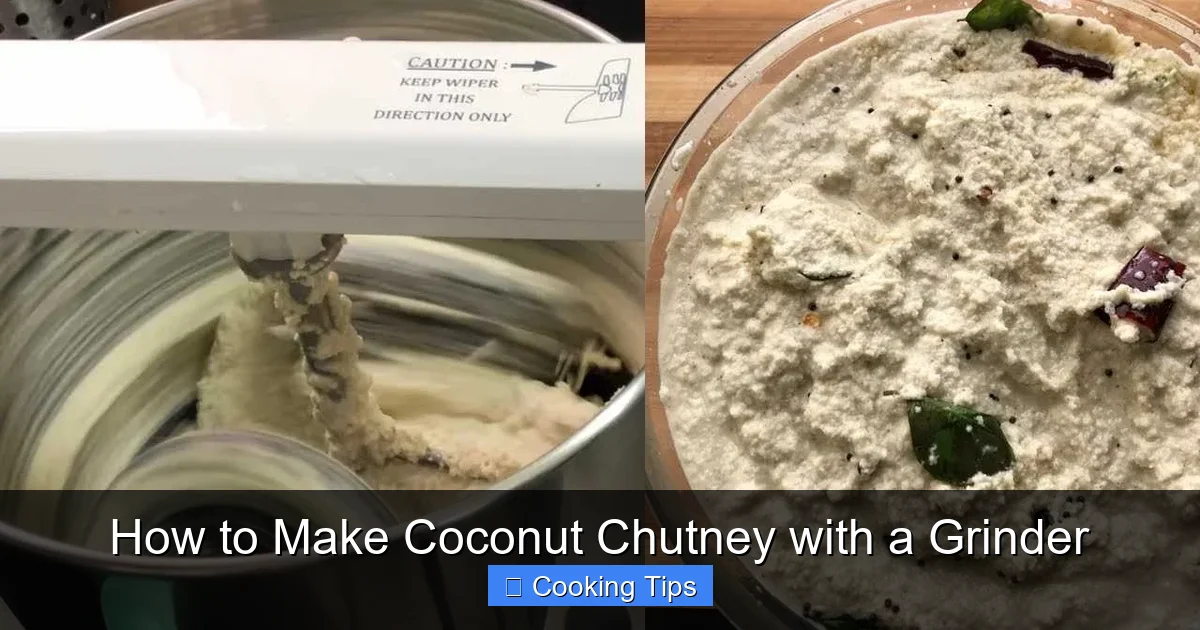
Discover the effortless way to prepare authentic coconut chutney using your kitchen grinder. This guide provides step-by-step instructions for a smooth, flavorful chutney, perfect for enhancing any South Indian meal. Learn essential tips for achieving the ideal consistency and taste, making it a go-to recipe for quick and delicious accompaniments.
Welcome, culinary adventurers! Are you ready to unlock the secret to a truly authentic and incredibly delicious coconut chutney? This versatile South Indian condiment is a staple at breakfast tables and dinner parties alike, pairing beautifully with everything from fluffy idlis and crispy dosas to savory vadas. And guess what? Making it from scratch with your trusty grinder is surprisingly simple and immensely rewarding.
In this comprehensive guide, we’ll walk you through every step of making mouthwatering coconut chutney using a grinder. We’ll cover everything from selecting the freshest ingredients to achieving that perfect, smooth consistency. Whether you’re a seasoned cook or just starting your culinary journey, you’ll be whipping up this flavorful chutney like a pro in no time. Get ready to impress yourself and your loved ones with this delightful homemade treat!
## Understanding Coconut Chutney
Coconut chutney, or “thengai chutney” in Tamil and “kobari chutney” in other Indian languages, is a cornerstone of South Indian cuisine. Its creamy texture and refreshing taste are a perfect complement to the often spicy and savory dishes it accompanies. The magic lies in the simple yet harmonious blend of fresh coconut, chilies, ginger, and a hint of sourness from tamarind or lemon. While traditional methods involve a stone grinder (ammi kal), modern kitchens have readily adopted electric grinders and blenders, making this delicacy accessible to everyone.
## Ingredients You’ll Need
Before we dive into the grinding, let’s gather our ingredients. The quality of your ingredients directly impacts the final taste, so opt for the freshest you can find.
### For the Chutney Base:
* Fresh Coconut: About 1.5 to 2 cups, freshly grated. You can use frozen grated coconut that has been thawed, but fresh is always best. Avoid desiccated coconut, as it won’t yield the right texture.
* Green Chilies: 2-4, depending on your spice preference. You can use a mix of mild and hot varieties.
* Ginger: A small piece, about 1 inch, peeled. This adds a lovely warmth and depth.
* Tamarind: A small marble-sized ball of tamarind pulp, or 1 teaspoon of tamarind paste. This provides the signature tang. If you don’t have tamarind, a squeeze of lemon juice at the end works too.
* Salt: To taste.
* Water: A few tablespoons, as needed for grinding.
### For the Tempering (Tadka/Chaunk):
* Oil: 1-2 tablespoons (coconut oil or any neutral vegetable oil).
* Mustard Seeds: 1 teaspoon.
* Urad Dal (Black Gram Lentils): 1 teaspoon (optional, but adds a nice texture and nutty flavor).
* Curry Leaves: A sprig of fresh curry leaves (about 8-10 leaves).
* Asafoetida (Hing): A pinch. This is crucial for aroma and digestion.
## Equipment You’ll Need
* Grinder or Blender: A powerful wet grinder is ideal for the smoothest results. However, a good quality blender with a “grind” or “pulse” function will also work. Make sure your blender has a smaller jar suitable for grinding chutney.
* Measuring Cups and Spoons
* Spatula or Spoon
* Small Pan: For tempering.
## Step-by-Step Guide to Making Coconut Chutney with a Grinder
Let’s get to the heart of it! Follow these steps for a perfect batch of coconut chutney.
### Step 1: Prepare the Coconut
If you’re using a whole fresh coconut, you’ll need to crack it open, extract the white flesh, and then grate it. If using pre-grated fresh coconut or thawed frozen coconut, you can proceed directly to this step.
Slicing and Grating Fresh Coconut (If Applicable)
Crack open the coconut. Scoop out the white flesh. You can use a knife to remove the brown skin from the flesh if you prefer a lighter-colored chutney, though it’s not strictly necessary. Then, grate the coconut flesh using a box grater or a food processor with a grating attachment.
Thawing Frozen Coconut (If Applicable)
If using frozen grated coconut, ensure it’s completely thawed at room temperature or overnight in the refrigerator. Squeeze out any excess water.
Step 2: Prepare the Other Base Ingredients
While the coconut is the star, the supporting cast is just as important. Let’s prep them.
Peeling and Chopping Ginger
Peel the small piece of ginger and give it a rough chop. This helps the grinder process it more easily.
Preparing Tamarind
If using tamarind pulp, soak it in about 2 tablespoons of warm water for 5-10 minutes. Squeeze the pulp to extract the juice and discard the fibrous bits and seeds. If using tamarind paste, you can add it directly.
Preparing Green Chilies
Wash the green chilies and trim off the stems. You can leave them whole or roughly chop them if you have a less powerful grinder.
### Step 3: Grind the Chutney Base
This is where the magic happens. The goal is a smooth, creamy paste. The process may vary slightly depending on whether you’re using a wet grinder or a blender.
Using a Wet Grinder
Add the grated coconut, chopped ginger, green chilies, tamarind pulp (or paste), and salt to the wet grinder. Add a tablespoon or two of water to help it start grinding. Let the grinder work its magic. The stones will grind the ingredients into a fine paste. Scrape down the sides occasionally with a spatula to ensure even grinding. Add a little more water, a tablespoon at a time, only if needed to achieve a smooth consistency. The chutney should be thick but pourable.
Using a Blender
Add the grated coconut, chopped ginger, green chilies, tamarind pulp (or paste), and salt to your blender jar. Start by adding just 1-2 tablespoons of water. Pulse the mixture a few times to break down the ingredients. Then, blend on a high speed, stopping to scrape down the sides of the jar with a spatula as needed. Add more water, a tablespoon at a time, only as needed to help the blender achieve a smooth, creamy paste. Be careful not to add too much water, or your chutney will become watery. Aim for a consistency similar to thick yogurt.
Step 4: Check and Adjust Seasoning
Once you have a smooth paste, taste the chutney. Does it need more salt? Is it tangy enough? Adjust the salt and tamarind (or add a squeeze of lemon juice if using) to your preference. If it’s too thick, you can add a tiny bit more water. If it’s too thin, you might need to add a bit more coconut, but this is harder to fix at this stage. The goal is a balanced flavor profile – a little spicy, a little tangy, and perfectly savory.
### Step 5: Prepare the Tempering (Tadka/Chaunk)
This step is crucial for adding an aromatic dimension to your coconut chutney. It’s a quick but essential process.
Heating the Oil
In a small pan, heat the oil over medium heat. Once the oil is hot, but not smoking, add the mustard seeds. Let them splutter and pop. This indicates they are cooked and ready to release their flavor.
Adding Urad Dal and Curry Leaves
Once the mustard seeds splutter, add the urad dal (if using). Fry it for a few seconds until it turns a light golden brown. Be careful not to burn it. Immediately add the fresh curry leaves. They will sizzle and crisp up. Be cautious as they might splutter.
Adding Asafoetida
Turn off the heat and add a pinch of asafoetida. Stir it quickly for a second. The residual heat is enough to cook it.
### Step 6: Combine Tempering with Chutney
Now, let’s bring it all together.
Pouring the Tempering
Immediately pour the hot tempering mixture (oil, mustard seeds, urad dal, curry leaves, and asafoetida) over the ground coconut chutney. You’ll hear a satisfying sizzle!
Mixing Well
Gently mix the tempering into the chutney using a spoon or spatula. Ensure the flavors are well distributed.
## Serving Your Delicious Coconut Chutney
Your freshly made coconut chutney is now ready to be devoured! It’s best served fresh, but can be stored.
Serving Suggestions
Serve a dollop of this creamy, flavorful chutney alongside:
- Hot idlis (steamed rice cakes)
- Crispy dosas (savory crepes)
- Soft vadas (savory lentil fritters)
- Upma (a savory porridge)
- Pongal (a rice and lentil dish)
- It’s also a fantastic side for rice and sambar or rasam.
### Storage Instructions
Coconut chutney is best enjoyed fresh. However, if you have leftovers, store them in an airtight container in the refrigerator. It should stay fresh for 2-3 days. Please note that the color might change slightly, and the fresh flavor will diminish over time. Always stir well before serving leftovers.
## Troubleshooting Common Chutney Issues
Even with the best intentions, sometimes things don’t go as planned. Here are a few common issues and how to fix them:
Chutney is too watery:
This is the most common problem. If you’ve added too much water, it’s tricky to fix. You can try adding a little more fresh grated coconut and grinding it again, but this might alter the flavor balance. In a pinch, you can use it as a thinner dip or sauce. For future batches, be very conservative with water, adding it only a tablespoon at a time.
Chutney is too thick and not grinding well:
This usually means you need more liquid. Add water, 1 tablespoon at a time, and continue grinding until you reach the desired consistency. Make sure your grinder or blender is powerful enough for the task.
Chutney is bland:
This is an easy fix! Taste and adjust the salt and tamarind (or lemon juice). You might also want to add an extra green chili or a tiny bit more ginger if you feel it needs more punch.
Chutney is too spicy:
If it’s too hot, you can try adding a bit more grated coconut to mellow out the heat. A small dollop of yogurt or sour cream can also help, though this will alter the traditional flavor profile.
Key Takeaways
- Fresh Coconut is Key: Using fresh, grated coconut will yield the best flavor and texture for your chutney.
- Grinder Choice Matters: A powerful wet grinder or a sturdy blender with a grinding function is ideal for achieving the right consistency.
- Flavor Balance is Crucial: Adjusting ingredients like green chilies, ginger, and tamarind is key to personalizing your chutney’s taste.
- Tempering Adds Depth: The final tempering (tadka/chaunk) with mustard seeds, curry leaves, and asafoetida significantly elevates the chutney’s aroma and flavor.
- Storage for Freshness: Properly stored coconut chutney can last for a few days in the refrigerator, but it’s best enjoyed fresh.
- Versatile Accompaniment: Coconut chutney pairs perfectly with idlis, dosas, vadas, and even rice dishes.
Conclusion
Congratulations! You’ve now learned how to make incredibly flavorful and authentic coconut chutney using your grinder. This simple recipe, when made with fresh ingredients and a little care, transforms into a culinary masterpiece that can elevate any South Indian meal. Remember, the key is to experiment with the spice levels and tanginess to find your perfect blend. So go ahead, give it a try, and enjoy the delightful taste of homemade coconut chutney. Happy grinding!
