
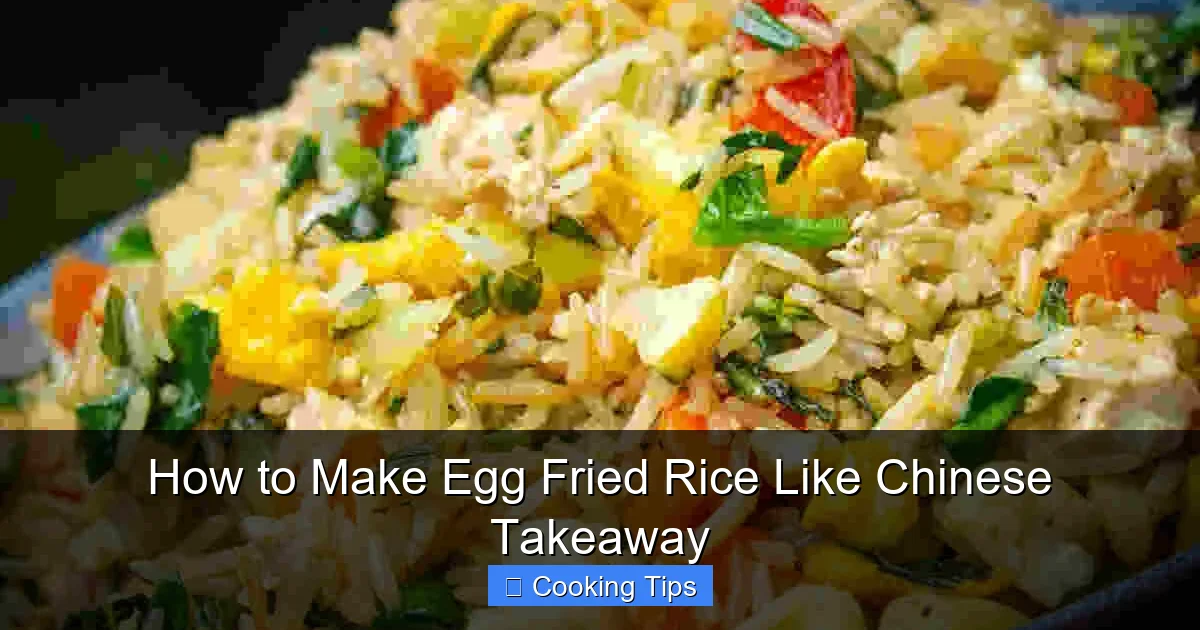
Unlock the secrets to restaurant-quality egg fried rice right in your own kitchen! This comprehensive guide breaks down every step, from choosing the perfect rice to achieving that signature smoky *wok hei* flavor. You’ll learn how to create fluffy, separate grains of rice and perfectly scrambled eggs, making your homemade Chinese takeaway a guaranteed success. Get ready to impress yourself and your family with this incredibly satisfying dish.
Are you tired of soggy, bland homemade fried rice that never quite matches the delicious, perfectly textured versions you get from your favorite Chinese takeaway? You’re not alone! The secret to achieving that authentic, irresistible flavor and texture lies in a few simple techniques and the right ingredients. This guide will take you through every step to create Chinese takeaway-style egg fried rice that will have everyone asking for your recipe.
We’ll cover everything from choosing the best rice and preparing it for frying to mastering the art of the stir-fry and achieving that elusive smoky *wok hei* flavor. Get ready to transform your kitchen into your own personal Chinese restaurant!
Key Takeaways
- Use Day-Old Cooked Rice: Refrigerated, day-old rice is drier and less likely to clump, which is essential for achieving distinct, fluffy grains in your fried rice.
- High Heat is Crucial: A very hot wok or pan is key to quickly cooking ingredients, preventing sogginess, and developing that desirable smoky flavor known as *wok hei*.
- Prep All Ingredients First (Mise en Place): Because stir-frying is so fast, have everything chopped, measured, and ready to go before you turn on the heat.
- Don’t Overcrowd the Pan: Cook in batches if necessary to ensure each ingredient can fry properly and develop good color and texture, rather than steam.
- The Role of Soy Sauce: Use a good quality light soy sauce for seasoning and color, and consider a touch of dark soy sauce for a deeper hue and richer flavor.
- Master the Egg Technique: Whether you scramble it in the pan or cook it separately, the goal is small, fluffy pieces of egg integrated throughout the rice.
The Foundation: Perfect Rice for Frying
The most common mistake people make with fried rice is using freshly cooked, warm rice. This rice is too moist and will clump together, resulting in a mushy, unappealing dish. The secret to fluffy, separate grains of fried rice is **day-old, refrigerated rice**.
Why Day-Old Rice is King
When rice is cooked and then chilled, it loses moisture and becomes firmer. This firmness allows the grains to separate easily when stirred in a hot wok, absorbing the savory sauces without becoming sticky.
How to Prepare Your Rice
The night before you plan to make your fried rice, cook your preferred type of white rice. Medium-grain or long-grain white rice works best. Avoid sticky rice varieties like sushi rice, as they are prone to clumping.
- Cook the Rice: Follow the package instructions for cooking your rice. Ensure it’s cooked through but not mushy.
- Cool and Refrigerate: Spread the cooked rice out on a baking sheet or a large plate to cool completely. Once cool, cover it and refrigerate it for at least 4 hours, or preferably overnight.
- Break Up Clumps: Before you begin cooking, gently break up any large clumps of rice with your hands or a fork. You want individual grains.
Essential Ingredients for Authentic Flavor
Beyond the rice, a few key ingredients elevate your egg fried rice from ordinary to extraordinary.
The Supporting Cast
- Eggs: Two or three large eggs are standard for a family-sized portion.
- Aromatics: Finely chopped garlic and ginger are non-negotiable for that classic Chinese flavor. Green onions (scallions) are also vital, both for flavor and garnish.
- Vegetables (Optional but Recommended): Peas and diced carrots are classic additions. Diced onion can also be used. Keep them small and uniform for quick cooking.
- Protein (Optional): Cooked chicken, pork, shrimp, or even tofu can be added for a more substantial meal. Ensure any raw protein is cooked before adding it to the fried rice.
- Seasonings:
- Light Soy Sauce: This is your primary seasoning for saltiness and umami.
- Dark Soy Sauce (Optional): A little goes a long way to add a deeper, richer color and a more complex flavor.
- Sesame Oil: A drizzle of toasted sesame oil at the end adds a wonderful nutty aroma and flavor.
- White Pepper: A pinch of white pepper offers a different kind of warmth than black pepper.
- MSG (Optional but Authentic): A tiny pinch of MSG can replicate the intense savory depth found in takeaway.
The Magic of High Heat: Stir-Frying Technique
This is where the true takeaway magic happens. Chinese stir-frying relies on intense heat to cook ingredients quickly, lock in flavor, and develop that signature *wok hei* – a smoky, charred aroma from the wok itself.
Setting Up for Success (Mise en Place)
Because stir-frying happens so fast, you must have everything prepared and within easy reach before you even turn on the stove. This is crucial to prevent burning ingredients or ending up with an unevenly cooked dish.

Visual guide about How to Make Egg Fried Rice Like Chinese Takeaway
Image source: kitchensanctuary.com
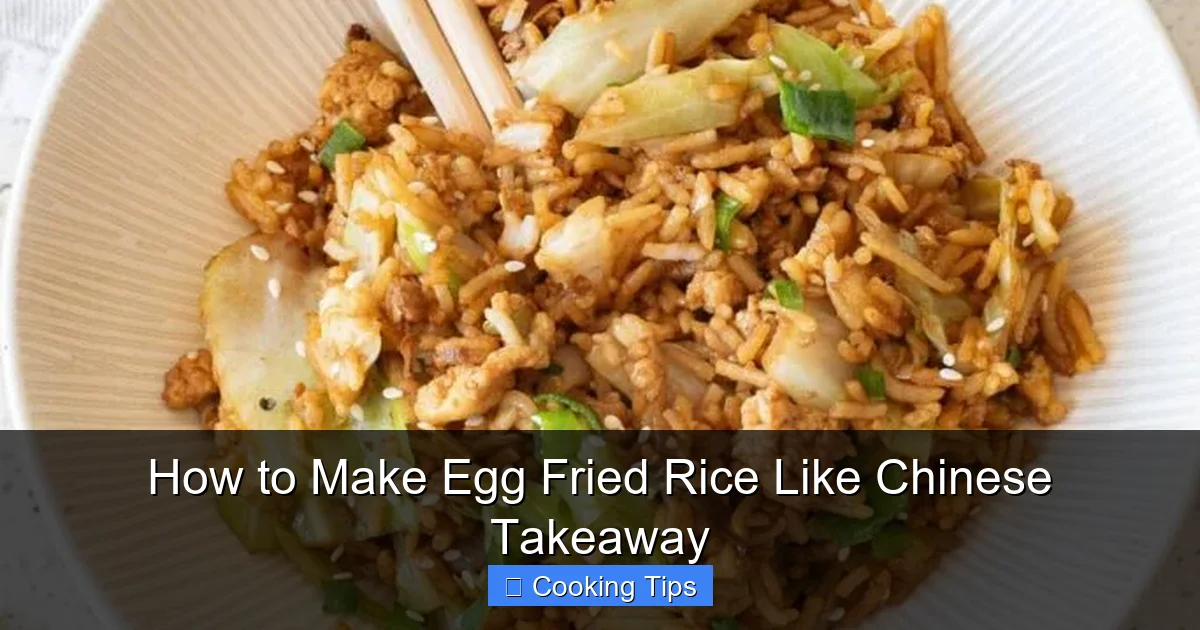
Visual guide about How to Make Egg Fried Rice Like Chinese Takeaway
Image source: kellystilwell.com
- Chop all your vegetables and aromatics.
- Beat your eggs in a bowl with a pinch of salt and white pepper.
- Have your cooked rice, soy sauces, sesame oil, and any other seasonings measured out.
- If adding cooked protein, have it ready.
Step-by-Step: Crafting Your Takeaway Egg Fried Rice
Let’s get cooking! Remember, speed is of the essence, so have everything ready to go.
Step 1: Prepare Your Wok or Pan
You’ll need a wok for the best results, but a large, heavy-bottomed skillet will also work. A non-stick pan is less ideal as it won’t get as hot or develop the same texture.

Visual guide about How to Make Egg Fried Rice Like Chinese Takeaway
Image source: kellystilwell.com
- Place your wok or skillet over the highest heat your stove can produce.
- Let it get extremely hot. You should see a slight shimmer of heat rising from it.
- Add a tablespoon of high-smoke-point oil (like vegetable, canola, or peanut oil) to the hot wok. Swirl it around to coat the surface.
Step 2: Cook the Eggs
There are two main schools of thought here: cooking the eggs separately first or scrambling them directly in the wok with the rice. For a classic takeaway style, cooking them first and then incorporating them often yields better results with smaller, fluffier egg pieces.
- Pour your beaten eggs into the hot, oiled wok.
- Let them set for a few seconds, then gently push them around with your spatula, scrambling them into small, fluffy curds.
- Cook until just set – don’t overcook them, as they will cook further with the rice.
- Remove the cooked egg from the wok and set it aside on a plate.
Step 3: Sauté the Aromatics and Vegetables
This is where the foundational flavors are built.
- Add another tablespoon of oil to the hot wok if needed.
- Add your minced garlic and ginger. Stir-fry for about 15-30 seconds until fragrant. Be careful not to burn them!
- If using diced onions or carrots, add them now and stir-fry for 1-2 minutes until they begin to soften slightly.
- Add frozen peas (if using) and stir-fry for another minute.
Step 4: Introduce the Rice
This is the main event!
- Add your cold, day-old rice to the wok.
- Break up any remaining clumps with your spatula.
- Stir-fry the rice for 3-5 minutes, constantly tossing and stirring it. The goal is to heat every grain evenly and start to get a slight toast on some of the grains. You’re not just warming it; you’re frying it.
Step 5: Season and Combine
Now it’s time to bring all the flavors together.
- Push the rice to one side of the wok.
- Pour your soy sauces (light and dark, if using) into the cleared space. Let them sizzle for a few seconds – this helps to caramelize them and release their aroma.
- Quickly stir the sauces into the rice, ensuring it’s evenly coated.
- Add the cooked egg back into the wok.
- If you’re adding any other cooked protein or vegetables like green onion whites, add them now.
- Stir everything together thoroughly, ensuring the rice is evenly colored and seasoned.
- Season with white pepper and a pinch of MSG if you like.
Step 6: The Finishing Touches
The final flourish that seals the deal.
- Turn off the heat.
- Drizzle with toasted sesame oil.
- Stir in most of your chopped green onions (save some for garnish).
- Give it one final toss to distribute the sesame oil and green onions.
- Taste and adjust seasoning if necessary – you might need a tiny bit more soy sauce or a pinch more pepper.
Tips for Takeaway Perfection
* Don’t Overcrowd: If you’re making a large batch, cook it in two separate pans. Overcrowding the wok steams the ingredients instead of frying them, leading to sogginess.
* Wok Hei Secrets: While true *wok hei* requires a powerful gas burner and a carbon steel wok, you can approximate the smoky flavor by getting your pan smoking hot before adding oil, and by not stirring too constantly in the initial stages of frying the rice. Allow some grains to sit and lightly char.
* Vegetable Prep: Cut vegetables into small, uniform pieces so they cook evenly and quickly.
* Oil Choice: Use an oil with a high smoke point. Avoid olive oil or butter, which can burn at high stir-frying temperatures.
* Soy Sauce Balance: Start with less soy sauce and add more to taste. It’s easier to add than to take away!
* White Pepper vs. Black Pepper: White pepper has a more subtle, peppery heat that is traditional in Chinese cooking, whereas black pepper is more pungent.
Troubleshooting Common Fried Rice Problems
* My rice is clumpy and mushy: You likely used freshly cooked rice. For next time, ensure you use cold, day-old rice and break up any large clumps thoroughly.
* My fried rice is bland: You might not have used enough soy sauce or seasonings. Don’t be afraid to taste and adjust. Ensure your aromatics (garlic, ginger) were fragrant.
* My vegetables are undercooked/overcooked: Ensure your vegetables are cut into small, uniform pieces. Add harder vegetables like carrots earlier than softer ones like peas.
* My fried rice is too oily: You might have used too much oil, or your pan wasn’t hot enough, causing the oil to pool rather than be absorbed. Ensure your wok is screaming hot before adding oil, and use just enough to coat the pan.
Conclusion
Making Chinese takeaway-style egg fried rice at home is incredibly rewarding and surprisingly achievable with the right knowledge. By using day-old rice, high heat, and the correct preparation techniques, you can consistently create a dish that is fluffy, flavorful, and utterly delicious. No more settling for less – your homemade fried rice will now be a star! Enjoy the process, experiment with your favorite additions, and savor the taste of authentic Chinese cooking in your own home. Happy stir-frying!
