


Discover the joy of making homemade grape jelly with this straightforward guide using readily available grape juice. You’ll learn how to achieve a perfectly set, flavorful jelly with minimal fuss. This recipe is ideal for beginner canners and experienced cooks alike, providing a delicious and rewarding way to preserve the taste of grapes.
Key Takeaways
- Effortless Preparation: Making grape jelly from grape juice simplifies the process significantly, eliminating the need to boil down fresh grapes.
- Consistency is Key: Understanding the role of pectin and proper cooking times is crucial for achieving the ideal jelly set.
- Safety First: Adhering to safe canning practices is essential for preserving your jelly and ensuring it’s safe for consumption.
- Flavor Customization: While classic grape is delicious, you can experiment with different grape juice varieties for unique flavor profiles.
- Equipment Essentials: Having the right tools, from jars to a large pot, makes the jelly-making process much smoother.
How to Make Grape Jelly from Grape Juice
Welcome, aspiring jelly makers! In this 2026 guide, we’re diving into the wonderfully simple process of creating delicious, homemade grape jelly using just grape juice. Forget the mess and time commitment of boiling down fresh grapes; this method is a game-changer for busy home cooks and novice canners alike. You’ll learn how to transform store-bought or homemade grape juice into a shimmering, perfectly set jelly that’s bursting with fruity flavor. Get ready to impress your family and friends with your homemade goodness!
Making jelly from juice is a fantastic way to enjoy the taste of grapes year-round. It’s perfect for toast, biscuits, or even as a glaze for your favorite dishes. This guide will walk you through every step, from gathering your ingredients to safely preserving your finished product.
Understanding the Basics: What Makes Jelly Gel?
Before we begin, it’s helpful to understand the science behind jelly making. The magic ingredient is pectin. Pectin is a natural gelling agent found in fruits. Grapes are naturally high in pectin, but using grape juice concentrates this goodness. When pectin is combined with sugar and acid, and then heated, it creates that signature wobbly, spreadable texture we all love in jelly. We’ll be using a commercial pectin product to ensure a reliable set, especially when working with juice.
Visual guide about How to Make Grape Jelly from Grape Juice
Image source: i1.wp.com
Gather Your Ingredients and Equipment
Having everything ready before you start is key to a smooth jelly-making experience. Here’s what you’ll need:
Visual guide about How to Make Grape Jelly from Grape Juice
Image source: livelikeyouarerich.com
Ingredients:
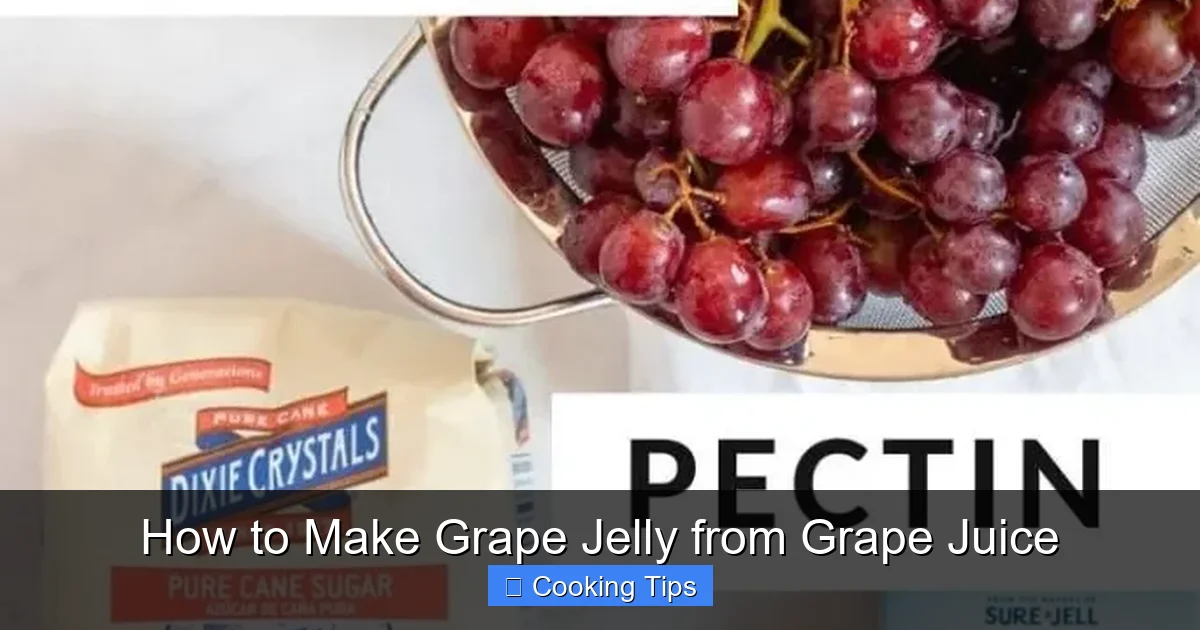
- Grape Juice: 4 cups (Use 100% grape juice, preferably Concord for classic flavor. Avoid juice with added sweeteners or preservatives, as these can interfere with gelling.)
- Granulated Sugar: 3 cups (Standard granulated sugar is best.)
- Liquid Pectin: 1 box (Follow the instructions on your chosen pectin brand, as amounts can vary slightly.)
- Lemon Juice: 1 tablespoon (This adds a touch of brightness and helps with the gelling process by providing acidity.)
Equipment:
- Large Pot or Dutch Oven: Heavy-bottomed pots distribute heat evenly, preventing scorching.
- Canning Jars: 4-5 half-pint (8 oz) jars, with matching lids and bands. Ensure they are clean and sterilized.
- Canning Funnel: Makes filling jars mess-free.
- Ladle: For transferring hot jelly.
- Jar Lifter: For safely handling hot jars.
- Candy Thermometer or Jelly Thermometer: While not strictly necessary for this recipe (as we rely on pectin’s instructions), it can be a helpful tool for understanding jelly consistency.
- Small Saucepan: For sterilizing lids.
- Tongs: For handling lids.
- Large Pot for Water Bath Canning: If you plan to preserve your jelly.
- Clean Kitchen Towels: For wiping jar rims.
Step-by-Step Guide to Making Grape Jelly
Now, let’s get to the fun part! Follow these steps carefully for perfect grape jelly every time.
Visual guide about How to Make Grape Jelly from Grape Juice
Image source: abakershouse.com
Step 1: Sterilize Your Jars and Lids
Sterilization is crucial for safe canning. This ensures any bacteria are killed, extending the shelf life of your jelly.
Sterilizing Jars:
- Wash jars, lids, and bands in hot, soapy water. Rinse thoroughly.
- Place the jars upright on a rack in a large pot. Fill the pot with enough water to cover the jars by at least an inch.
- Bring the water to a boil and boil for 10 minutes. Keep the jars in the hot water until you’re ready to fill them.
Sterilizing Lids:
- While the jars are processing, place the lids in a small saucepan with enough water to cover them.
- Gently heat the water to a simmer (do not boil). Keep them warm until ready to use.
- Do not boil the bands; just wash and rinse them.
Step 2: Prepare the Grape Juice Mixture
This is where the magic begins to happen!
In your large pot or Dutch oven, combine the grape juice, granulated sugar, and lemon juice. Stir well to dissolve the sugar as much as possible before heating.
Step 3: Bring the Mixture to a Boil
Place the pot over high heat. Stir constantly, making sure the sugar is fully dissolved. Once the mixture reaches a full, rolling boil (a boil that cannot be stirred down), let it boil for exactly 1 minute.
Step 4: Add the Pectin
Remove the pot from the heat. Carefully pour in the liquid pectin. Stir it in quickly and thoroughly for about 1 minute, ensuring it’s well incorporated into the hot juice mixture.
Step 5: Return to a Boil and Cook
Place the pot back on high heat. Bring the mixture to a full, rolling boil again. This boil must be a vigorous one that cannot be stirred down. Boil hard for exactly 1 minute.
Tip: This short, intense boiling period is crucial for activating the pectin and achieving the proper set.
Step 6: Skim Off Foam
Once the 1-minute boil is complete, remove the pot from the heat. Use a spoon to skim off any foam that has risen to the surface. Foam can make your jelly look cloudy and less appealing.
Step 7: Fill the Jars
This step needs to be done quickly while the jelly is still hot and liquid.
- Using your jar lifter, carefully remove one sterilized jar at a time from the hot water.
- Place the jar on a clean surface (a wire rack or wooden board is ideal to protect your countertop from heat).
- Using a ladle and canning funnel, fill the hot jar with the hot jelly, leaving about a 1/4-inch headspace at the top.
- Wipe the rim of the jar clean with a damp kitchen towel. This is essential for a good seal.
- Remove a lid from the warm water using tongs, place it on the jar, and screw on the band until it’s fingertip tight. Do not overtighten.
- Repeat with the remaining jars.
Step 8: Process in a Water Bath (Optional, for Shelf Stability)
If you plan to store your jelly on the pantry shelf, water bath canning is necessary.
- Once all jars are filled and sealed, carefully place them in your pre-heated water bath canner. Ensure the jars are covered by at least 1-2 inches of water.
- Bring the water to a rolling boil. Once boiling, process the jars for 10 minutes (adjusting for altitude if necessary – consult a reliable canning guide for your area).
- After the processing time, turn off the heat, remove the canner lid, and let the jars sit in the hot water for another 5 minutes before carefully removing them with the jar lifter.
Step 9: Cool and Check for Seals
Place the hot, processed jars upright on a towel-lined surface, leaving space between them. Let them cool undisturbed for 12-24 hours. You may hear popping sounds as the jars seal – this is a good sign!
After cooling, check that the lids have sealed by pressing down on the center. If the lid doesn’t flex up and down, it’s sealed. If a lid hasn’t sealed, refrigerate that jar and consume it within a few weeks.
Troubleshooting Your Grape Jelly
Even with the best intentions, sometimes things don’t go perfectly. Here are a few common issues and how to fix them:
Jelly Didn’t Set (Too Runny):
Cause: Incorrect pectin amount, not enough boiling time, too much sugar, or insufficient acid.
Solution: You can re-process the jelly. Measure out 2 cups of the runny jelly and 1/4 cup sugar and 1 tablespoon of liquid pectin. Reheat to a boil, boil for 1 minute, skim, and re-jar and process if desired. Or, simply refrigerate and use it as a syrup for pancakes or ice cream.
Jelly is Too Hard (Too Firm):
Cause: Overcooked the jelly, or too much pectin was used.
Solution: Unfortunately, there’s no easy fix for jelly that’s too hard. You can try warming it gently and adding a little more juice or water to soften it, but the texture may not be ideal. Next time, be careful with your cooking time and pectin amount.
Jelly is Cloudy:
Cause: Stirring the jelly too much after adding pectin, not skimming foam properly, or impurities in the juice.
Solution: While not ideal for appearance, cloudy jelly is still perfectly safe and tasty. Skimming foam diligently before jarring helps prevent this.
Crystallization:
Cause: Sugar recrystallizing.
Solution: Ensure all sugar is dissolved before boiling. Using adequate acid (like lemon juice) also helps prevent crystallization.
Enjoy Your Homemade Grape Jelly!
Congratulations! You’ve successfully made delicious grape jelly from grape juice. Store your properly sealed jars in a cool, dark place for up to a year. Once opened, refrigerate your jelly.
This simple recipe is a rewarding way to bring the taste of homemade goodness into your kitchen. Share it with loved ones, spread it on your favorite breakfast treats, and savor the sweet taste of your accomplishment!
