

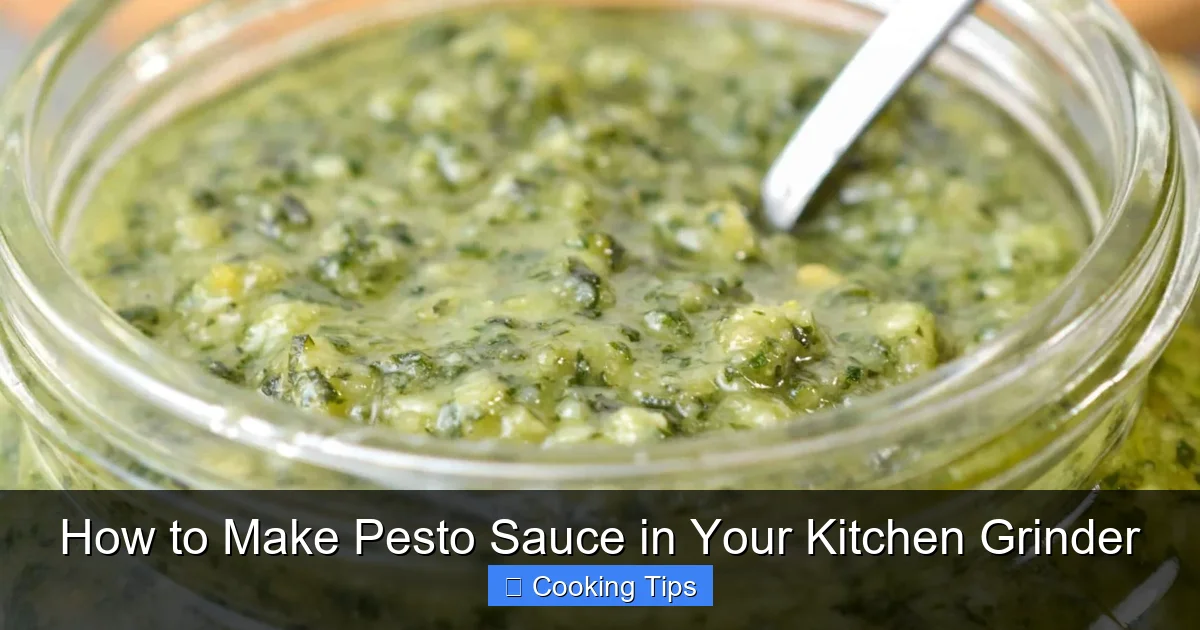
Unlock the secret to incredibly fresh and flavorful pesto sauce right in your kitchen using your trusty grinder! This guide provides a simple, step-by-step method to transform fresh basil, pine nuts, garlic, Parmesan, and olive oil into a vibrant, homemade pesto. Enjoy restaurant-quality pesto with minimal effort and discover the versatility of this classic Italian sauce for countless dishes.
How to Make Pesto Sauce in Your Kitchen Grinder
Are you craving that vibrant, fresh, and incredibly delicious taste of pesto sauce? The good news is, you don’t need a fancy food processor or a mortar and pestle to achieve pesto perfection. Your humble kitchen grinder, the one you might use for coffee beans or spices, can actually be an amazing tool for making pesto! In this comprehensive guide, we’ll walk you through the simple process of creating luscious, homemade pesto sauce using just your grinder.
Forget store-bought pesto that often lacks the punch of fresh ingredients. Making pesto at home is not only rewarding but also incredibly easy when you know how. We’ll cover everything from selecting the best ingredients to the step-by-step grinding process, plus tips for storing your pesto and using it in delightful ways. Get ready to elevate your meals with this versatile Italian classic!
Key Takeaways
- Effortless Pesto: Your kitchen grinder is a surprisingly effective tool for making smooth and flavorful pesto sauce in minutes.
- Fresh Ingredients are Key: Using the freshest basil, good quality pine nuts, and aged Parmesan will significantly impact the taste.
- Customizable Flavor: Pesto is incredibly adaptable. Adjust garlic, cheese, nuts, and herbs to suit your personal preferences.
- Grinder Maintenance: Proper cleaning of your grinder after making pesto ensures future use for other tasks and prevents flavor transfer.
- Storage Savvy: Learn the best ways to store your homemade pesto to maintain its vibrant color and freshness.
- Beyond Pasta: Discover the many delicious ways to use your homemade pesto beyond its traditional pasta pairing.
Why Use a Kitchen Grinder for Pesto?
You might be wondering, “Can my coffee grinder *really* make pesto?” Absolutely! While a food processor offers a larger capacity, a grinder provides an excellent way to make smaller batches of pesto quickly and efficiently. It’s perfect for those times when you want just enough pesto for a single meal or to experiment with different flavor combinations without committing to a large batch. The grinding action breaks down the ingredients effectively, creating a wonderfully smooth and emulsified sauce.
Ingredients You’ll Need
The beauty of pesto lies in its simplicity. High-quality ingredients shine through. Here’s what you’ll need for a basic, delicious pesto:
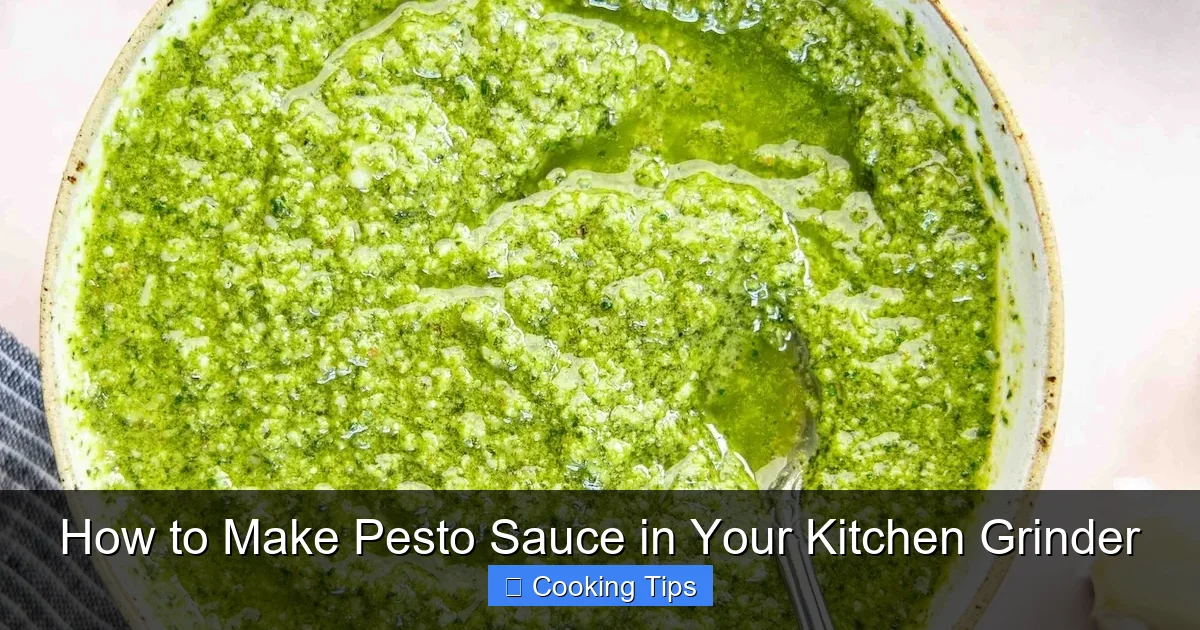
Visual guide about How to Make Pesto Sauce in Your Kitchen Grinder
Image source: onceuponachef.com
- Fresh Basil: About 2 cups, loosely packed. Make sure it’s fresh and vibrant for the best flavor.
- Pine Nuts: About 1/4 cup. Toasted pine nuts add a deeper, nuttier flavor, but raw is also fine.
- Garlic: 1-2 cloves, depending on your preference. Start with one if you’re unsure.
- Parmesan Cheese: About 1/2 cup, finely grated. Use good quality Parmesan Reggiano for the best taste.
- Extra Virgin Olive Oil: About 1/4 cup, plus more as needed. Use a good quality olive oil for its flavor.
- Salt: A pinch, to taste.
- Black Pepper: A pinch, to taste (optional).
Step-by-Step Guide: Making Pesto in Your Grinder
Let’s get grinding! This process is quick and satisfying.
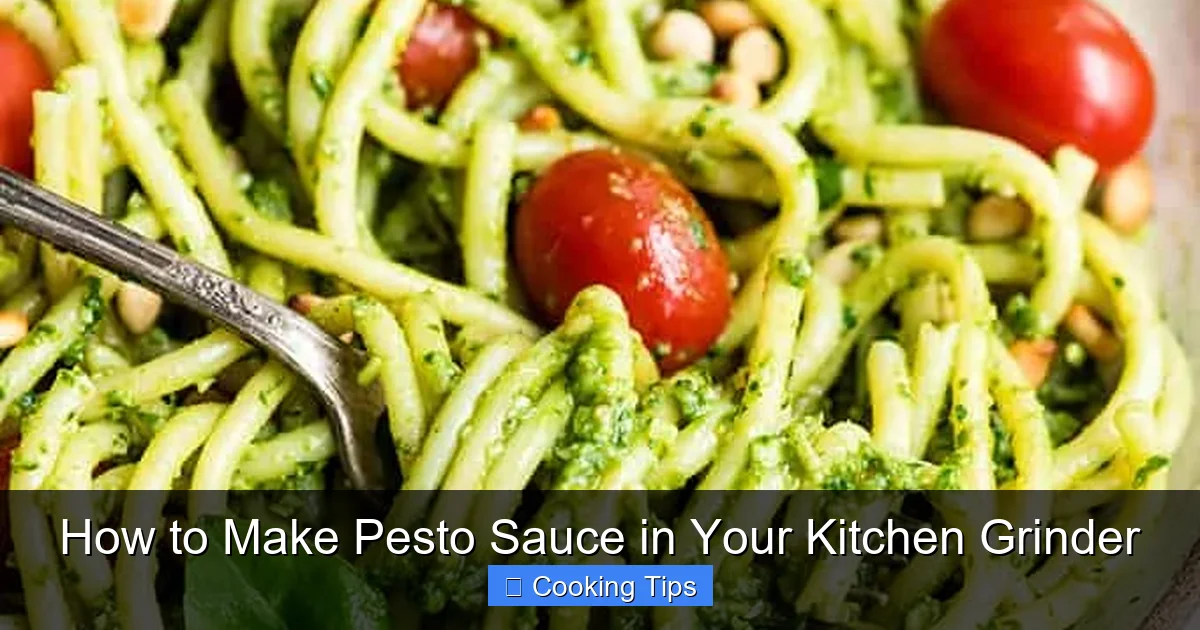
Visual guide about How to Make Pesto Sauce in Your Kitchen Grinder
Image source: joyfoodsunshine.com
Step 1: Prepare Your Ingredients
Before you start grinding, ensure all your ingredients are prepped. This makes the process smooth and efficient.
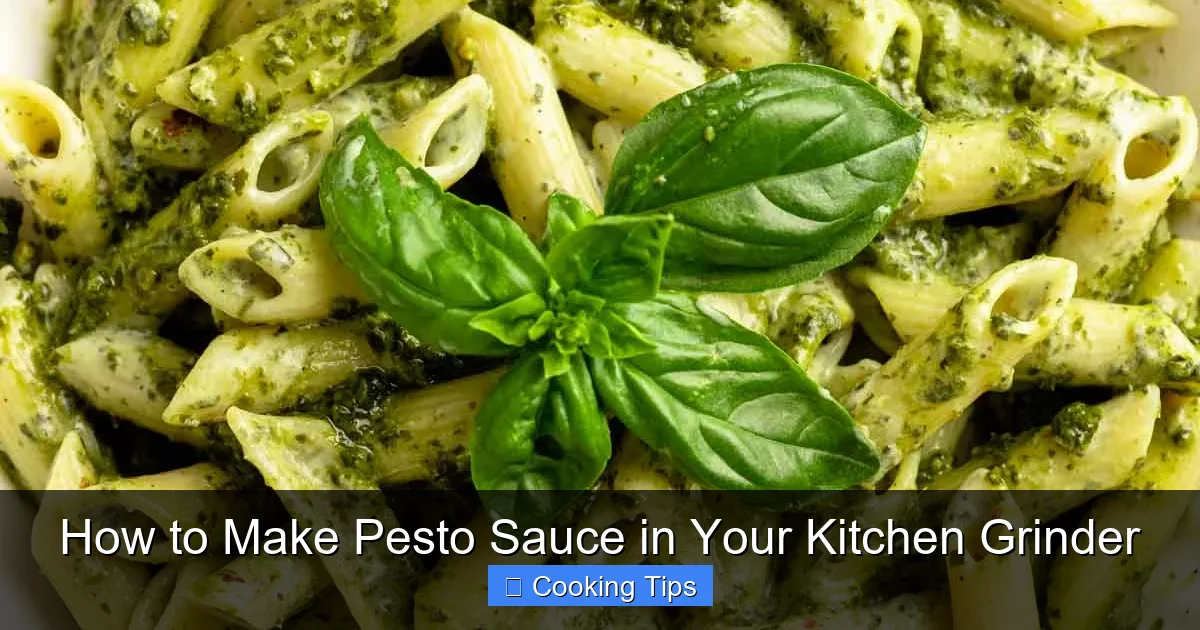
Visual guide about How to Make Pesto Sauce in Your Kitchen Grinder
Image source: richanddelish.com
Wash and Dry the Basil
Gently wash your basil leaves and pat them thoroughly dry with paper towels or a clean kitchen towel. Excess water can make your pesto watery and reduce its shelf life. Ensure the leaves are completely dry before proceeding.
Toast the Pine Nuts (Optional but Recommended)
To toast pine nuts, spread them in a dry skillet over medium-low heat. Stir them constantly for 3-5 minutes until they are lightly golden and fragrant. Watch them closely as they can burn quickly. Let them cool completely before grinding.
Grate the Parmesan
If you bought a block of Parmesan, grate it finely. Pre-grated cheese often contains anti-caking agents that can affect the texture of your pesto.
Peel the Garlic
Peel your garlic cloves. You can leave them whole or roughly chop them if they are very large.
Step 2: Grind the Dry Ingredients
This is where your grinder really comes into play. We’ll start by grinding the firmer, dry ingredients to create a base.
Add Pine Nuts and Garlic
Place the cooled, toasted pine nuts and the garlic cloves into the grinding chamber of your kitchen grinder. Make sure your grinder is clean and dry.
Grind Until Coarsely Chopped
Pulse the grinder a few times until the pine nuts and garlic are coarsely chopped. You don’t want a powder at this stage; just break them down.
Add the Parmesan Cheese
Add the grated Parmesan cheese to the grinding chamber with the pine nuts and garlic.
Grind Again
Pulse a few more times until the cheese is well incorporated with the nuts and garlic. Scrape down the sides of the grinding chamber if needed. At this point, you should have a slightly gritty mixture.
Step 3: Add the Basil
Now it’s time to add the star of the show – the basil!
Add Basil Leaves
Add the dry basil leaves to the grinding chamber. You might need to do this in batches if your grinder’s capacity is small. Don’t overfill it.
Pulse to Chop
Pulse the grinder again. The basil will start to break down. Continue pulsing and grinding until the basil is finely chopped but not yet a paste. Scrape down the sides of the chamber periodically to ensure everything is getting ground evenly.
Step 4: Emulsify with Olive Oil
This step is crucial for creating that smooth, pesto texture.
Slowly Drizzle in Olive Oil
With the grinder running (if your grinder allows for this, otherwise, you’ll do this in stages), slowly drizzle in the extra virgin olive oil through the lid opening. If your grinder doesn’t have a drizzle opening, you’ll grind in short bursts, add the oil, and then grind again.
Continue Grinding Until Smooth
Continue grinding and drizzling the olive oil until the mixture emulsifies and reaches your desired pesto consistency. You’re looking for a smooth, vibrant green sauce. You might need to add a little more olive oil to achieve the perfect texture. Don’t be afraid to experiment with the amount of olive oil to get it just right.
Step 5: Season and Taste
The final step is to perfect the flavor.
Add Salt and Pepper
Add a pinch of salt and a pinch of black pepper (if using).
Pulse to Combine
Pulse the grinder a final time to incorporate the seasonings.
Taste and Adjust
Scoop a small amount of pesto and taste it. Does it need more salt? More garlic? A little more Parmesan? Adjust the seasonings as needed and pulse again briefly to combine.
Practical Tips for Pesto Success
- Don’t Overfill: Grinders work best when they aren’t packed too full. If you’re making a larger batch, you might need to work in several small batches.
- Cleanliness is Crucial: Ensure your grinder is spotless before you start. Any residue from previous uses (like coffee grounds) can alter the taste of your pesto.
- Freshness Matters: Use the freshest basil you can find. It will make a world of difference.
- Nut Alternatives: If you don’t have pine nuts or have an allergy, walnuts or even sunflower seeds can be used as alternatives.
- Herb Variations: While basil is traditional, you can also experiment with other herbs like parsley, mint, or even spinach for different flavor profiles.
Troubleshooting Common Pesto Problems
Even with the best intentions, sometimes things don’t go perfectly. Here are a few common issues and how to fix them:
My pesto is too oily.
If your pesto seems a bit too oily, you can try adding a little more grated Parmesan cheese or a few more pine nuts. Pulse them in gently to absorb some of the excess oil. Alternatively, you can reserve the excess oil and drizzle it over the pesto when serving.
My pesto is too dry.
If your pesto is too thick or dry, simply drizzle in a little more extra virgin olive oil, a tablespoon at a time, while pulsing or mixing, until you reach your desired consistency.
My pesto is bitter.
Bitter pesto can sometimes be caused by older basil leaves or too much garlic. If it’s slightly bitter, you can try balancing it with a pinch of sugar or a squeeze of lemon juice. Make sure your basil was fresh and not bruised.
My pesto has turned brown.
Pesto can oxidize and turn brown if exposed to too much air. To help prevent this, press a layer of plastic wrap directly onto the surface of the pesto before sealing the container. Adding a tiny bit of lemon juice can also help preserve its green color.
Storing Your Homemade Pesto
Once you’ve made your delicious pesto, you’ll want to store it properly to enjoy it later.
Refrigeration
Transfer your pesto to an airtight container or a jar. For best results and to prevent oxidation, pour a thin layer of olive oil over the top of the pesto before sealing the container. This creates a barrier against air. Homemade pesto can be stored in the refrigerator for 3-5 days.
Freezing
Pesto freezes beautifully! You can freeze it in ice cube trays for convenient single-serving portions. Once frozen, pop out the pesto cubes and store them in a freezer-safe bag or container. Frozen pesto will last for several months.
Beyond Pasta: Creative Ways to Use Your Pesto
Pesto is incredibly versatile and can be used in so many delicious ways:
- Sandwiches and Wraps: Spread it on grilled chicken sandwiches, paninis, or veggie wraps for an instant flavor boost.
- Dips: Mix it with cream cheese or Greek yogurt for a unique and flavorful dip.
- Roasted Vegetables: Toss roasted vegetables like potatoes, broccoli, or asparagus with pesto for a fresh, herbaceous twist.
- Meats and Fish: Use it as a marinade or topping for grilled chicken, fish, or steak.
- Salad Dressings: Whisk it into a vinaigrette for a zesty salad dressing.
- Stuffed Eggs: Add a dollop to deviled eggs for a gourmet touch.
Conclusion
Making pesto sauce in your kitchen grinder is a simple, effective, and rewarding way to enjoy fresh, homemade flavor. With just a few key ingredients and a few minutes of your time, you can create a vibrant sauce that will transform your meals. Don’t be afraid to experiment with the ingredient ratios to find your perfect pesto blend. So, the next time you crave that classic Italian taste, grab your grinder and whip up a batch of this incredible pesto – your taste buds will thank you!
