


Keep your coffee tasting its best and your health protected by understanding how to prevent mold and bacteria in your coffee maker. This guide provides step-by-step cleaning instructions and practical tips to ensure a hygienic brewing experience. Regular maintenance is key to enjoying safe and delicious coffee every day.
Prevent Mold Bacteria In Your Coffee Maker Now
Do you love that morning cup of coffee? Of course you do! But what if that delicious brew is hiding a not-so-delicious secret? Coffee makers, with their warm, moist environments and leftover coffee grounds, can become breeding grounds for mold and bacteria. This can not only affect the taste of your coffee but also pose health risks.
Don’t worry! Keeping your coffee maker clean and free from unwanted guests is easier than you think. This guide will walk you through everything you need to know to prevent mold and bacteria in your coffee maker. We’ll cover daily habits, deep cleaning techniques, and important maintenance tips. Get ready to enjoy a safer, tastier cup of coffee!
Key Takeaways
- Regular Cleaning is Crucial: Consistent cleaning after each use and periodic deep cleans are essential to prevent the buildup of coffee grounds, oils, and water residue, which are breeding grounds for mold and bacteria.
- Descaling is a Must: Mineral deposits (scale) from water can trap moisture and create an ideal environment for microbial growth. Descaling regularly removes these deposits and purges the machine.
- Drying is Key: Moisture is mold’s best friend. Ensuring all parts of the coffee maker are dry after use and cleaning significantly inhibits mold and bacteria.
- Proper Storage Matters: Storing your coffee maker correctly, especially the carafe and filter basket, can prevent lingering moisture and contamination.
- Use Quality Water: Filtered water not only improves coffee taste but also reduces mineral buildup, contributing to a cleaner machine over time.
- Address Leaks and Clogs Promptly: Any leaks or clogs can lead to stagnant water, creating a perfect breeding ground for unwanted microorganisms. Fix these issues immediately.
Why Mold and Bacteria Love Your Coffee Maker
Before we dive into the “how-to,” let’s understand “why.” Your coffee maker is essentially a perfect little ecosystem for mold and bacteria to thrive.
Moisture: After brewing, water often remains in the reservoir, tubes, and heating element. This constant dampness is ideal for microbial growth.
Food Source: Leftover coffee grounds and oils from the coffee itself act as a nutrient source for these unwanted organisms.
Warmth: The residual heat from brewing creates a cozy, comfortable temperature for mold and bacteria to multiply.
Darkness: Many parts of the coffee maker are dark, which is a preferred environment for many types of mold.
These conditions can lead to various types of mold, including Aspergillus and Penicillium, and an array of bacteria like E. coli and Salmonella. These can cause respiratory issues, allergic reactions, stomach upset, and general illness. Plus, they’ll make your coffee taste bitter and stale.
Daily Habits for a Cleaner Coffee Maker
Prevention is always better than a cure, and that’s especially true for keeping your coffee maker mold-free. Implementing a few simple daily habits can make a huge difference.
After Each Brew: The Quick Clean-Up
This is the most important step you can take. Taking just a minute or two after each brewing cycle will significantly reduce the risk of mold and bacteria buildup.
Discard Used Grounds Promptly
As soon as your coffee is brewed, remove the used coffee filter and grounds from the filter basket. Don’t let them sit there for hours.

Visual guide about Prevent Mold Bacteria In Your Coffee Maker Now
Image source: assets2.cbsnewsstatic.com
Visual guide about Prevent Mold Bacteria In Your Coffee Maker Now
Image source: coffeedetective.com
- Open the lid and carefully remove the filter basket.
- If you use paper filters, discard the filter with the grounds.
- If you use a reusable filter, empty the grounds into your compost or trash.
Rinse the Filter Basket and Carafe
Give the filter basket and the carafe a quick rinse under warm water. This removes any lingering coffee residue and oils.
- Use your faucet to rinse both the basket and the carafe.
- You don’t need soap for this daily rinse, just water is fine.
Leave the Lid Open
This is a crucial step for drying. After emptying and rinsing, leave the lid of the coffee maker open. Also, leave the carafe lid off if it’s detachable.
- Allow air to circulate inside the machine.
- This helps to dry out any residual moisture that could harbor mold.
Weekly Deep Cleaning: The Essential Routine
Daily quick cleans are great, but a more thorough cleaning once a week is necessary to tackle any buildup that might have started. This will involve a bit more effort but is vital for long-term prevention.
Step 1: Disassemble and Wash Removable Parts
Take apart everything you can and give it a good scrub.
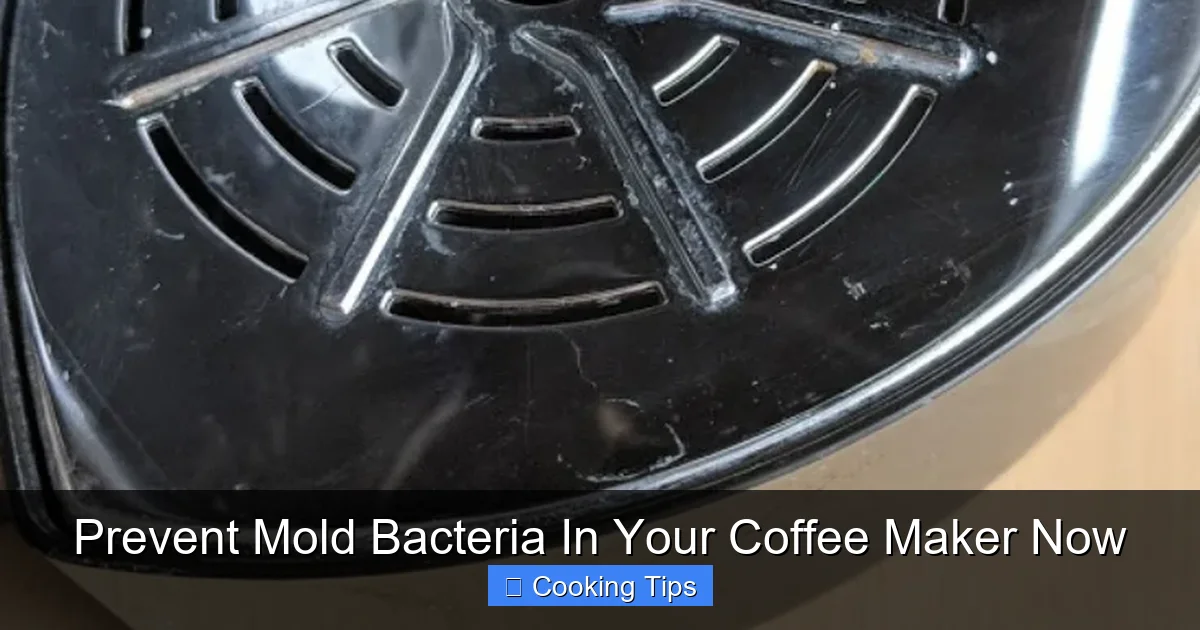
Visual guide about Prevent Mold Bacteria In Your Coffee Maker Now
Image source: coffeedetective.com
Wash the Carafe
The carafe, whether glass or thermal, needs a thorough washing.
- Use warm, soapy water. A mild dish soap is perfect.
- Use a bottle brush or a sponge to scrub the inside of the carafe, ensuring you reach all surfaces.
- Pay special attention to the lid and any crevices.
- Rinse thoroughly with clean water.
Wash the Filter Basket and Reusable Filter
These parts collect coffee oils and grounds, making them prime spots for mold.
- Wash the filter basket with warm, soapy water.
- If you have a reusable filter, scrub it well to remove all coffee particles and oils.
- Rinse both thoroughly.
Clean the Water Reservoir Lid and Other Detachable Parts
Don’t forget smaller components like the lid that covers the water reservoir, or any other parts that can be removed.
- Wash these with warm, soapy water.
- Rinse them well.
Step 2: Clean the Exterior
While you’re at it, give the outside of your coffee maker a wipe down.
- Use a damp cloth to wipe down the exterior surfaces.
- You can use a bit of mild soap on the cloth if there are any sticky spots or coffee splatters.
- Make sure to wipe the warming plate gently.
Step 3: Dry Everything Thoroughly
This is a non-negotiable step. Moisture is the enemy of a clean coffee maker.
- Air dry all washed parts completely.
- You can also use a clean, lint-free towel to dry them if you’re in a hurry, but air drying is often more effective for ensuring all crevices are dry.
- Once dry, reassemble your coffee maker.
Monthly Deep Cleaning: The Descaling Process
Even with regular cleaning, mineral deposits from your water can build up inside your coffee maker. This is called scaling, and it can create a perfect hiding place for mold and bacteria. Descaling removes these deposits and is crucial for both machine performance and hygiene.
What is Descaling?
Descaling is the process of removing mineral deposits (limescale) that build up over time from the water used in your coffee maker. These minerals, primarily calcium and magnesium, come from tap water and can clog your machine’s internal components and affect the taste of your coffee. More importantly, they create rough surfaces and trap moisture, which can encourage mold and bacteria growth.
How to Descale Your Coffee Maker
The method for descaling can vary slightly depending on your coffee maker’s brand and model, so always check your owner’s manual. However, the general process is quite similar for most drip coffee makers.
Option 1: Using White Vinegar (The Natural Approach)
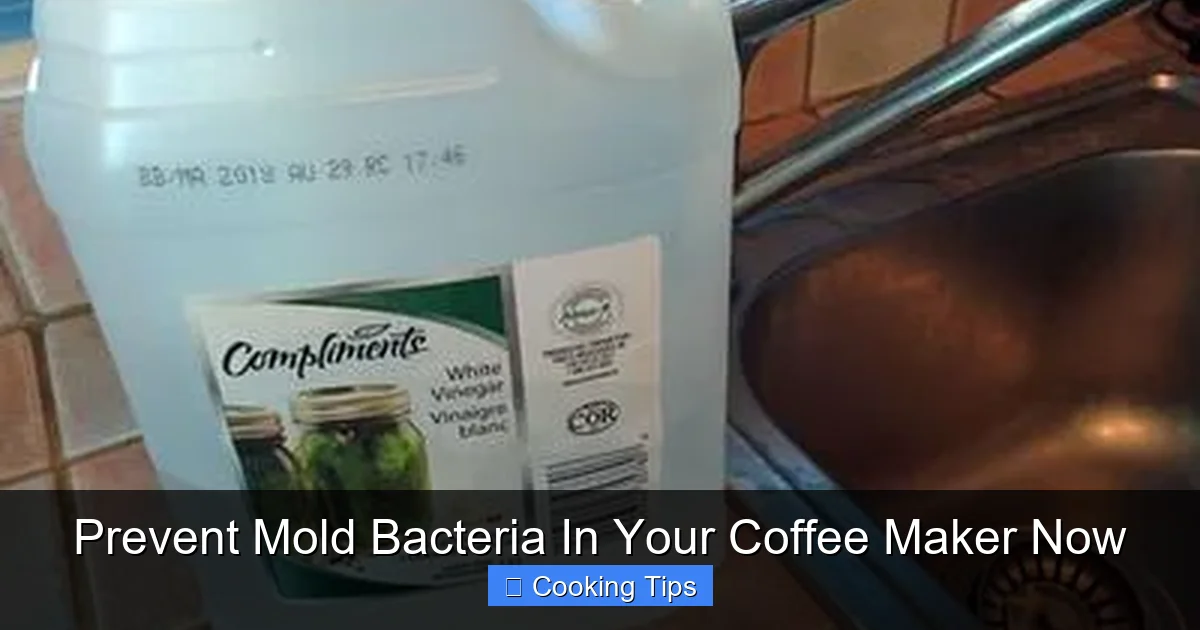
White vinegar is a highly effective and natural descaling agent that’s readily available.
What You’ll Need:
- White vinegar
- Clean water
- A clean cloth
The Process:
- Prepare the Solution: Fill the water reservoir with equal parts white vinegar and water. For example, if your reservoir holds 10 cups, use 5 cups of vinegar and 5 cups of water.
- Start a Brew Cycle: Place an empty paper filter in the filter basket. Turn on the coffee maker and let it run about half of the vinegar-water solution through.
- Let it Sit: Turn off the coffee maker and let the solution sit inside the machine for at least 30 minutes to an hour. This allows the vinegar to break down the mineral deposits.
- Complete the Cycle: Turn the coffee maker back on and let the remaining solution brew completely.
- Rinse Cycles: Discard the vinegar-water solution and the filter. Now, run at least two to three full cycles with plain, clean water to thoroughly rinse out any vinegar taste or smell. You might need more rinses if you can still detect vinegar.
- Clean Removable Parts: While the machine is rinsing, wash the carafe, filter basket, and reusable filter with warm, soapy water as you would during your weekly clean.
Option 2: Using a Commercial Descaling Solution
Many brands offer specific descaling solutions for coffee makers. These are often formulated to be highly effective and safe for your machine.
What You’ll Need:
- Commercial coffee maker descaling solution
- Clean water
The Process:
- Follow Manufacturer Instructions: The most important step here is to read and follow the instructions on the descaling solution packaging precisely. Each product may have slightly different dilution ratios or procedures.
- Prepare the Solution: Typically, you’ll mix the descaling solution with water in the reservoir according to the product’s directions.
- Run the Cycle: Run the solution through a brew cycle as instructed. Some solutions may require sitting time, while others might be designed to run through immediately.
- Rinse Thoroughly: After running the descaling solution, you’ll need to run several cycles with fresh, clean water to rinse away any residue and prevent your coffee from tasting like the descaler.
- Clean Removable Parts: Wash all removable parts as usual after descaling.
How Often Should You Descale?
This depends on your water hardness and how often you use your coffee maker. A general guideline is:
- Soft Water Areas: Once every 3-6 months.
- Hard Water Areas: Once every 1-3 months.
If you notice your coffee brewing slower, or if your coffee maker starts making more noise, these can be signs that it’s time to descale.
Troubleshooting Common Mold and Bacteria Issues
Sometimes, despite your best efforts, you might notice a stubborn spot of mold or an unpleasant odor. Here’s how to tackle those issues.
Persistent Odors
If your coffee maker smells musty or off, even after cleaning, it might mean mold is lurking in hard-to-reach places.
- Deep Clean Again: Perform a thorough descaling cycle followed by several plain water rinses.
- Clean the Showerhead: If your coffee maker has a removable showerhead (where the water drips onto the grounds), detach it and soak it in a vinegar-water solution or a mild bleach solution (use cautiously and rinse extremely well). Check your manual for how to remove it.
- Inspect the Reservoir: Look inside the reservoir for any visible mold. If you find it, you may need to use a small brush and a mild cleaning solution to scrub it out.
Visible Mold Spots
If you see visible mold, it’s essential to act quickly.
- Immediate Cleaning: Follow the descaling process thoroughly.
- Targeted Scrubbing: For visible spots in removable parts, use a scrub brush with soapy water or a vinegar solution.
- Consider a Bleach Solution (with Extreme Caution): In rare, stubborn cases, a very diluted bleach solution (1 teaspoon bleach per gallon of water) can be used to soak parts *briefly*, followed by extensive rinsing. However, many manufacturers advise against using bleach as it can damage certain materials and leave behind harmful residues if not rinsed perfectly. Vinegar or commercial descalers are generally preferred and safer.
What If I Can’t Reach a Part?
Some coffee makers have internal components that are difficult to access.
- Regular Descaling is Key: This is where regular descaling truly shines, as it flushes out internal areas.
- Small Brush/Pipe Cleaner: For very accessible nooks, a small bottle brush or a pipe cleaner might help dislodge stubborn residue.
- When in Doubt, Replace: If you suspect mold or bacteria in an inaccessible part and cannot get it clean, it might be time to consider replacing your coffee maker to ensure your health and coffee quality.
Tips for Extra Prevention
Beyond regular cleaning and descaling, here are a few more tips to keep your coffee maker in top shape.
Use Filtered Water
Using filtered water can make a big difference. It reduces the mineral content in your water, which means less scale buildup. Less scale means less opportunity for mold and bacteria to hide.
Don’t Let Coffee Sit in the Carafe
Once brewed, coffee is best enjoyed fresh. Letting it sit on the warming plate for extended periods can not only degrade the flavor but also encourage bacterial growth in the carafe.
Replace Old Coffee Filters
If you use paper filters, make sure to dispose of them properly after each use. If you use a reusable filter, ensure it is cleaned and dried thoroughly after each use.
Store Your Coffee Maker Properly
When not in use, especially for extended periods, ensure all parts are dry and consider storing the carafe and filter basket separately with their lids open to allow for maximum air circulation.
Invest in a High-Quality Coffee Maker
Some coffee maker designs are easier to clean than others. Coffee makers with simpler designs, fewer nooks and crannies, and easily removable parts can be less prone to harboring mold and bacteria.
Conclusion
Keeping your coffee maker clean and free from mold and bacteria is not just about taste; it’s about your health. By implementing a routine of daily rinsing, weekly deep cleaning, and monthly descaling, you can ensure every cup of coffee you brew is fresh, safe, and delicious. Remember, a little bit of regular effort goes a long way in preventing those unwelcome microscopic visitors. So, happy brewing, and enjoy your perfectly clean coffee!
