

Rust on your favorite kitchen knife? Don’t despair! This guide offers several effective, DIY methods to tackle rust, from gentle abrasives to natural remedies. Learn how to clean, polish, and properly care for your blades to prevent future rust. Restore your knives to their former glory and ensure they perform optimally for years to come.
Key Takeaways
- Gentle Approach First: Always start with the least abrasive method to avoid damaging your knife’s blade.
- Natural Rust Removers: Many common household items like baking soda, vinegar, and lemon juice can effectively dissolve rust.
- Abrasive Power: For tougher rust, consider using fine-grit sandpaper or a specialized rust eraser, but use with caution.
- Cleaning is Crucial: Thoroughly wash and dry your knife after rust removal to prevent re-contamination and further damage.
- Prevention is Key: Proper storage, immediate drying after washing, and occasional oiling are vital to stop rust from forming.
- Know Your Blade: Understand the type of steel your knife is made from, as this can influence the best removal method.
How to Remove Rust From Kitchen Knife
Is your beloved kitchen knife showing unwelcome orange spots? Rust is a common foe for even the most cherished blades, but don’t let it dull your shine or compromise your cooking. In this comprehensive guide, we’ll walk you through proven, easy-to-follow methods to banish rust from your kitchen knives, restoring them to their former glory. By the end of this article, you’ll be equipped with the knowledge and techniques to tackle rust effectively and keep your knives in pristine condition for years to come.
Rust forms when iron in steel reacts with oxygen and moisture. While it might seem daunting, removing rust from a kitchen knife is often simpler than you think. We’ll explore both gentle and more robust techniques, so you can choose the best approach based on the severity of the rust and the type of knife you own. Plus, we’ll delve into essential preventative measures to ensure your knives stay rust-free long after the orange invaders are gone.
Understanding Your Knife’s Steel
Before we dive into rust removal, it’s helpful to have a basic understanding of your knife’s material. Most kitchen knives are made from stainless steel, which contains chromium. This chromium forms a passive oxide layer that protects the steel from corrosion. However, this layer can be compromised, especially in high-carbon stainless steel or if the knife is exposed to harsh conditions.
Visual guide about How to Remove Rust from Kitchen Knife
Image source: img.pacifiko.com
Different types of steel have varying levels of rust resistance. For instance, high-carbon stainless steel offers superior edge retention but is more prone to rust than standard stainless steel. Knowing this helps you select the most appropriate and safest rust removal method for your specific knife.
Gentle Methods for Mild Rust
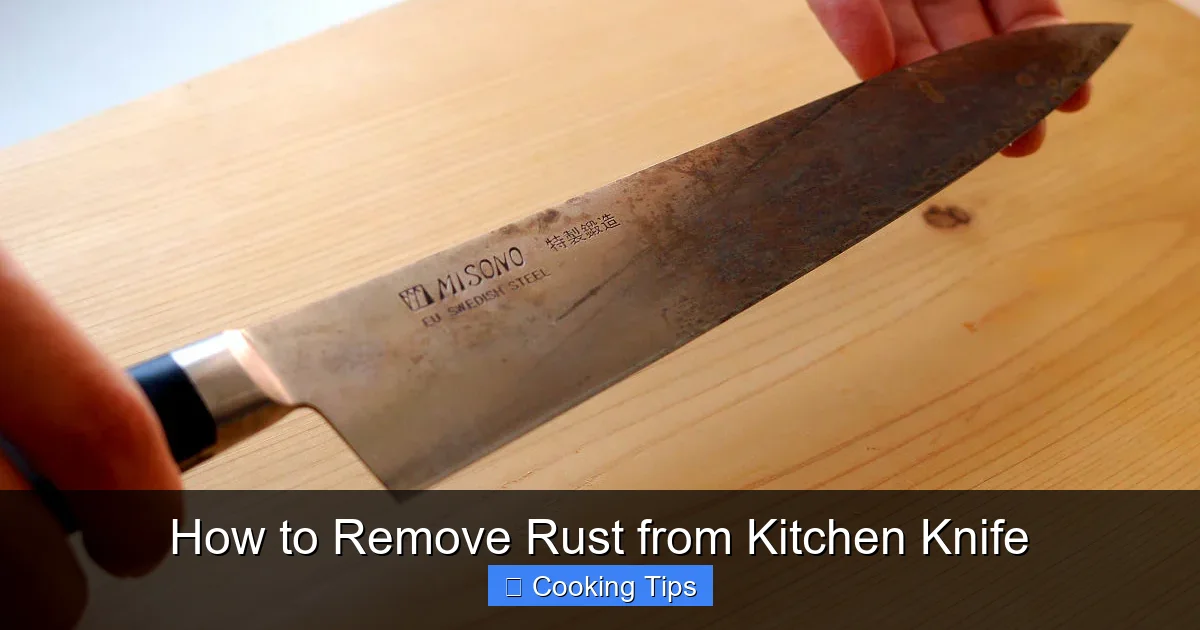
Often, rust spots on kitchen knives are superficial and can be removed with simple, everyday household items. These methods are ideal for light rust and for knives with delicate finishes.
Visual guide about How to Remove Rust from Kitchen Knife
Image source: globalkitchenjapan.com
1. Baking Soda Paste
Baking soda is a mild abrasive and a fantastic natural cleaner. It’s perfect for tackling light rust without scratching your blade.
How to Use Baking Soda:
- Mix the Paste: In a small bowl, combine baking soda with a little water to create a thick paste. Aim for a consistency similar to toothpaste.
- Apply to Rust: Using a soft cloth or a sponge, gently rub the baking soda paste onto the rusted areas of the knife. Work in the direction of the blade’s grain if you can see it.
- Let it Sit: Allow the paste to sit on the rust for about 15-30 minutes. This gives the baking soda time to work on breaking down the rust.
- Scrub Gently: Use the cloth or sponge to gently scrub away the rust. For stubborn spots, you might need to use a soft-bristled brush (like an old toothbrush) or the edge of a non-metallic spoon.
- Rinse and Dry: Thoroughly rinse the knife with warm water and dry it immediately and completely with a soft, lint-free cloth.
Tip: If the rust is a bit more stubborn, you can add a few drops of lemon juice to the baking soda paste for a mild acidic boost.
2. Vinegar Soak
White vinegar is acidic and can effectively dissolve rust. This method is best for knives with rust spots that aren’t too widespread.
How to Use Vinegar:
- Prepare the Soak: Pour enough white vinegar into a shallow dish or container to submerge the rusted portion of the knife.
- Soak the Blade: Place the knife in the vinegar so that only the rusted areas are submerged. Avoid soaking the handle, especially if it’s made of wood or other sensitive material.
- Monitor Closely: Let the knife soak for no more than 30 minutes to an hour. Vinegar is acidic and can etch the steel if left for too long. Check the rust progress every 15-20 minutes.
- Scrub and Rinse: Once the rust appears loosened, remove the knife from the vinegar. Use a soft cloth, sponge, or a soft-bristled brush to gently scrub away the softened rust. Rinse the knife thoroughly with warm water.
- Dry Immediately: This step is critical! Dry the knife completely with a soft cloth to prevent new rust from forming.
Caution: Never soak your entire knife, especially the handle, in vinegar for extended periods. Prolonged exposure can damage certain handle materials.
3. Lemon Juice and Salt
The citric acid in lemon juice, combined with the abrasive nature of salt, makes for another effective natural rust remover.
How to Use Lemon Juice and Salt:
- Prepare the Mixture: Sprinkle a generous amount of table salt onto the rusted areas of the knife blade.
- Add Lemon Juice: Squeeze fresh lemon juice directly onto the salt, creating a paste-like consistency.
- Let it Work: Allow the lemon juice and salt mixture to sit on the rust for about 1-2 hours.
- Scrub and Clean: Use a soft cloth, sponge, or a soft-bristled brush to scrub the rusted areas. The salt will act as a gentle abrasive.
- Rinse and Dry: Rinse the knife thoroughly under running water and dry it immediately and completely.
Note: This method is best for lighter rust and should be monitored to avoid any potential etching from the acidity.
More Robust Methods for Stubborn Rust
When rust has a firm grip on your knife, you might need to step up to slightly more aggressive methods. Always proceed with caution to avoid damaging the blade’s finish.
Visual guide about How to Remove Rust from Kitchen Knife
Image source: assets.wfcdn.com
4. Steel Wool or Fine-Grit Sandpaper
For tougher rust spots, a fine-grit abrasive like steel wool (use the finest grade, such as #0000) or sandpaper can be effective. This method requires a lighter touch.
How to Use Steel Wool/Sandpaper:
- Choose Your Abrasive: Opt for the finest grade of steel wool (0000 is recommended) or very fine-grit sandpaper (400 grit or higher).
- Lubricate (Optional but Recommended): For steel wool, a bit of oil (like mineral oil or vegetable oil) can help it glide more smoothly and reduce the risk of scratching. For sandpaper, you can use water.
- Gentle Rubbing: Gently rub the rusted area with the steel wool or sandpaper. Always move in the direction of the blade’s grain to minimize visible scratching. Apply minimal pressure.
- Check Progress: Regularly check the blade to see if the rust is lifting. You don’t want to over-abrasive the steel.
- Clean Thoroughly: Once the rust is gone, wash the knife with warm, soapy water to remove any residue. Dry it immediately and completely.
Warning: This method can alter the finish of your knife blade if not done carefully. It’s best reserved for knives where a minor change in finish is acceptable or for the back of the blade.
5. Commercial Rust Erasers/Removers
There are specialized products available that are designed specifically for rust removal on metal surfaces. These can be very effective but should be used according to the manufacturer’s instructions.
How to Use Commercial Rust Removers:
- Read Instructions: Always read and follow the product’s instructions carefully. Different products have different application methods and safety precautions.
- Test in an Inconspicuous Area: If possible, test the product on a small, hidden area of the blade first to ensure it doesn’t damage the finish.
- Apply and Wait: Apply the rust remover as directed, which might involve rubbing it on or letting it sit for a specified time.
- Wipe Away: Use a clean cloth to wipe away the rust and the remover.
- Clean and Dry: Thoroughly wash the knife with soap and water to remove all traces of the chemical and dry it completely.
Consideration: These products can be more aggressive, so use them judiciously and with appropriate personal protective equipment (like gloves).
Post-Rust Removal Care: Polishing and Protection
Once you’ve successfully removed the rust, your knife might look a little duller. Polishing can restore its shine. Furthermore, proper care is crucial to prevent rust from returning.
Polishing Your Knife Blade
After removing rust, you might notice some dullness or faint scratches. You can bring back the shine with a bit of polishing.
- For Stainless Steel: A non-abrasive metal polish or even a bit of automotive wax can be used. Apply a small amount to a soft cloth and gently rub it onto the blade in the direction of the grain. Buff with a clean cloth until shiny.
- For a Sharper Edge: If the rust removal process has dulled your blade’s edge, it’s time to sharpen it. Use your preferred sharpening method, whether it’s a whetstone, electric sharpener, or honing steel.
Preventing Future Rust
Prevention is always better than cure, especially when it comes to rust on your valuable kitchen knives.
- Wash and Dry Immediately: This is the golden rule! After each use, wash your knife with warm, soapy water and dry it thoroughly with a soft cloth. Don’t let it air dry or sit wet in the sink or dishwasher.
- Avoid the Dishwasher: Dishwashers expose knives to prolonged moisture, harsh detergents, and abrasive cycles, all of which can lead to rust and dulling. Hand-washing is always the best choice.
- Store Properly: Store your knives in a knife block, on a magnetic strip, or in individual sheaths to protect the blades from moisture and prevent them from knocking against other metal objects.
- Oiling (for High-Carbon Steel): If you have knives made from high-carbon steel, consider applying a thin layer of food-grade mineral oil to the blade after washing and drying. This creates a protective barrier against moisture.
- Regular Inspection: Take a moment to inspect your knives periodically for any signs of discoloration or rust. Addressing small issues early prevents them from becoming major problems.
Troubleshooting Common Issues
Sometimes, rust removal doesn’t go as smoothly as planned. Here are a few common issues and how to address them:
- Blade Still Rusty After Treatment: If the rust persists after trying a method, it might be too deeply ingrained. Try a slightly more aggressive method (like fine-grit sandpaper) or repeat the chosen method. Ensure you’re scrubbing thoroughly.
- Knife Blade is Scratched: If you’ve used an abrasive method and noticed scratches, don’t worry too much. For stainless steel, a metal polish can often help to blend in minor scratches. For deeper scratches, you might consider professional sharpening or re-finishing services if the knife is particularly valuable.
- Rust Returns Quickly: This almost always points to inadequate drying or improper storage. Re-emphasize the importance of immediate and thorough drying after every wash and ensure knives are stored in a dry environment, away from moisture.
Conclusion
Rust on your kitchen knives doesn’t have to be a death sentence for these essential culinary tools. With the right approach and a little care, you can effectively remove rust and restore your blades to their former sharpness and beauty. Remember to start with the gentlest methods and only escalate if necessary. Most importantly, embrace preventative care: wash, dry, and store your knives properly. By following these tips, you’ll not only banish rust but also ensure your kitchen knives remain reliable, safe, and a joy to use for every meal you prepare in 2026 and beyond.
