

This comprehensive guide will help you navigate the process of replacing your old food processor, specifically for shredding tasks, in 2026. We’ll cover everything from identifying the right features to purchasing and mastering your new appliance. Learn to shred vegetables, cheeses, and more with ease and efficiency. Get ready to revolutionize your meal preparation.
How to Replace Food Processor for Shredding
Are you tired of spending precious time hand-shredding vegetables for your salads, slaws, or casseroles? Is your old food processor struggling to keep up, leaving you with uneven, mangled ingredients? If so, it’s time for an upgrade! Replacing your food processor, especially for shredding tasks, can be a game-changer in your kitchen. In 2026, the market offers an incredible array of advanced appliances designed to make your meal preparation faster, easier, and more enjoyable.
This guide is designed to walk you through every step of replacing your food processor with a model that excels at shredding. We’ll cover what to look for, how to make the best choice for your needs, the purchasing process, and how to get the most out of your new kitchen workhorse. Say goodbye to tedious chopping and hello to perfectly shredded ingredients in seconds!
Key Takeaways
- Understand Your Needs: Before buying, assess your typical shredding volume, the types of ingredients you process most often, and your budget to make an informed decision.
- Key Features to Look For: Prioritize models with sturdy S-blades for general chopping and shredding, dedicated shredding discs (reversible for different textures), a powerful motor, and a wide feed chute for larger items.
- Motor Power Matters: For efficient and consistent shredding, especially with tough ingredients like hard cheeses or dense vegetables, opt for a food processor with at least 600 watts of power.
- Disc Quality and Variety: High-quality stainless steel shredding discs are essential for durability and performance. Consider models offering multiple disc options for fine, medium, and coarse shredding.
- Ease of Use and Cleaning: Look for intuitive controls, simple assembly, and dishwasher-safe parts. A wide feed chute minimizes the need for pre-chopping, saving you time.
- Safety First: Ensure the food processor has safety interlocks that prevent operation unless all parts are correctly assembled.
- Maintenance for Longevity: Proper cleaning and storage after each use will extend the life of your new food processor and keep it performing at its best.
Why Upgrade Your Food Processor for Shredding?
Food processors have become indispensable tools in modern kitchens, and their ability to shred is often a primary reason for purchase. Whether you’re grating cheese for pizza, shredding carrots for carrot cake, or preparing coleslaw for a barbecue, a good food processor can save you hours of manual labor. However, older models or those not designed for robust shredding can be frustrating. They might:
- Produce unevenly shredded pieces, making your dishes look unappealing.
- Struggle with harder ingredients like Parmesan cheese or dense root vegetables.
- Overheat or strain the motor, leading to a shorter lifespan.
- Have a small feed chute, requiring extensive pre-cutting of ingredients.
- Be difficult to assemble or clean, making you less likely to use them.
Upgrading to a newer model designed with shredding in mind means you’ll benefit from improved motor power, more efficient blade designs, and enhanced user-friendly features. This means consistent results every time, less effort for you, and more culinary creativity!
Step 1: Assess Your Shredding Needs
Before you even start browsing, take a moment to think about how you’ll primarily use your new food processor for shredding. This self-assessment is crucial for picking the right appliance and avoiding buyer’s remorse.
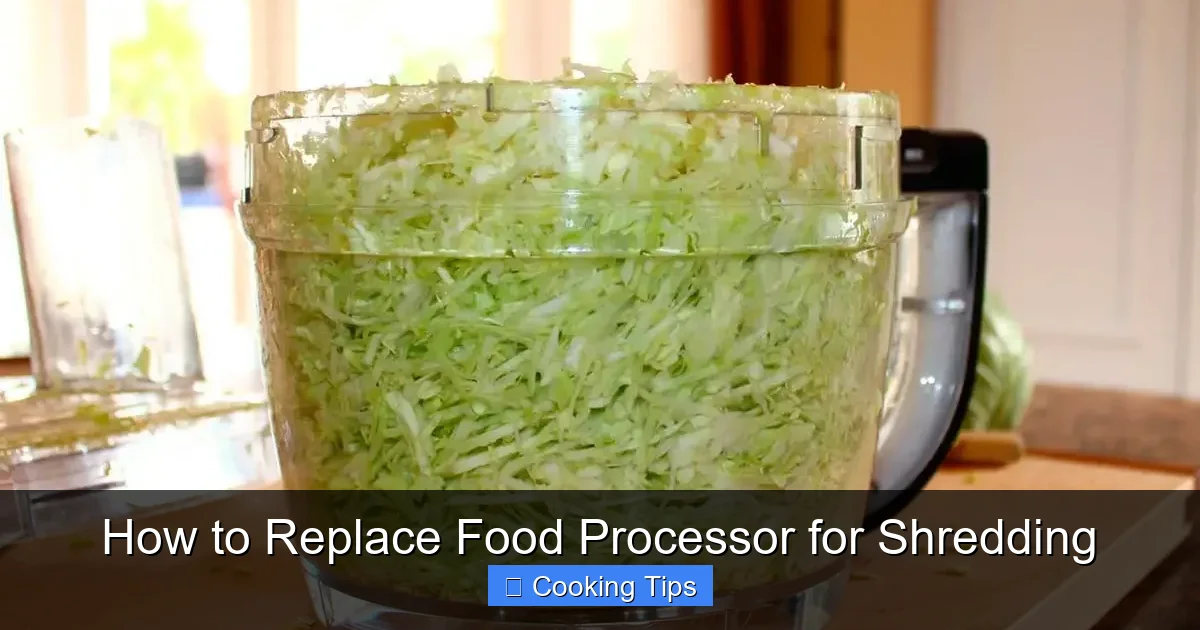
Visual guide about How to Replace Food Processor for Shredding
Image source: dreamkitchen.solutions
Consider the Volume
Do you typically shred small amounts for a single meal, or do you often prepare large batches for meal prepping or entertaining? If you’re often cooking for a crowd, you’ll want a larger capacity bowl and a more powerful motor that can handle larger loads without overheating.
Identify Ingredient Types
What do you shred most often?
- Soft Cheeses: Mozzarella, cheddar
- Hard Cheeses: Parmesan, Gruyère
- Vegetables: Carrots, zucchini, cabbage, potatoes, onions
- Fruits: Apples for pies
- Nuts: For baking or toppings
If you frequently shred hard cheeses or dense vegetables, you’ll need a food processor with a robust motor and high-quality, sharp shredding discs. For softer ingredients, a less powerful model might suffice.
Think About Other Uses
While shredding is your priority, consider if you’ll use your food processor for other tasks like chopping, pureeing, or dough making. If so, look for a model that offers versatility with multiple blades and functions.
Step 2: Key Features to Look For in a Shredding Food Processor
Once you know your needs, you can start looking at specific features. In 2026, innovation has made food processors more efficient and user-friendly than ever before.

Visual guide about How to Replace Food Processor for Shredding
Image source: images-na.ssl-images-amazon.com
Motor Power (Watts)
This is arguably the most critical factor for shredding performance. The higher the wattage, the more power the motor has to tackle tougher ingredients and larger volumes.
- 600-800 Watts: Suitable for most everyday shredding tasks of vegetables and softer cheeses.
- 800-1000 Watts: Ideal for more demanding tasks like shredding hard cheeses and large quantities of dense vegetables.
- 1000+ Watts: For serious home cooks who frequently process large amounts of tough ingredients or use their food processor for heavy-duty tasks.
Don’t be fooled by high peak wattage claims; look for continuous wattage as a better indicator of sustained power.
Bowl Capacity
Food processor bowls are measured in quarts or liters. This determines how much food you can process at once.
- 4-6 Cups (approx. 1-1.5 Liters): Good for small households or single servings.
- 7-10 Cups (approx. 2-2.5 Liters): A versatile size for most families, handling common shredding tasks well.
- 12+ Cups (approx. 3+ Liters): Best for large families, frequent entertainers, or those who do a lot of batch prepping.
Consider the overall dimensions of the appliance, too, as larger bowls usually mean a larger footprint on your counter.
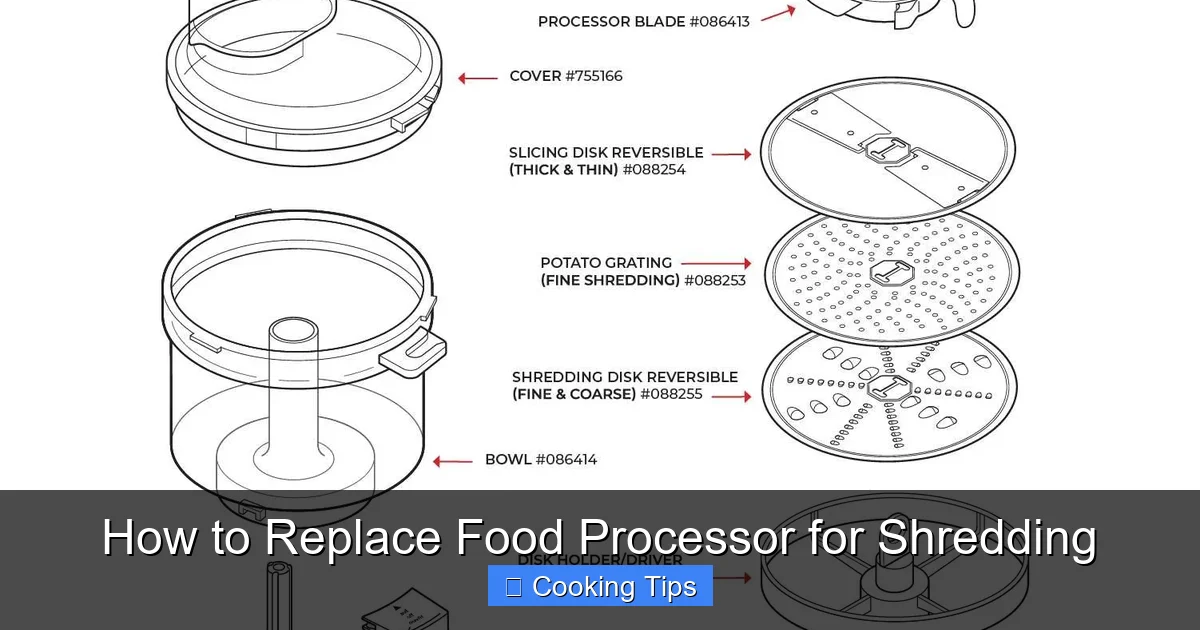
Shredding Discs
This is where the magic happens for shredding. Most good food processors come with at least one reversible shredding disc.
- Reversible Discs: These typically have a fine shredding side and a coarse shredding side, offering versatility.
- Separate Discs: Some premium models offer separate discs for fine, medium, and coarse shredding, as well as slicing.
- Material: Look for high-quality, durable stainless steel discs that stay sharp and resist rust.
Check if the discs are easy to swap out and clean. Some models offer innovative disc storage solutions to keep them organized.
Feed Chute Size
A wider feed chute means you can fit larger pieces of food, like whole carrots or peeled onions, into the processor without having to chop them into smaller, manageable sizes first. This is a huge time-saver when shredding.
- Standard Feed Chute: Accommodates most common vegetables and fruits.
- Extra-Wide Feed Chute (often called a “wide mouth” or “continuous feed”): Can often fit whole potatoes or large zucchini, significantly reducing prep time.
Look for a pusher that also has a smaller opening within it for adding ingredients while the processor is running.
Ease of Use and Cleaning
No one wants a kitchen gadget that’s a hassle to operate or clean.
- Intuitive Controls: Simple buttons (On, Off, Pulse) are generally preferred. Some models have multiple speed settings, which can be useful for different textures.
- Assembly: The parts should click together securely and intuitively.
- Dishwasher-Safe Parts: This is a must-have! Ensure the bowl, lid, pusher, and discs are dishwasher safe for quick cleanup.
- Easy-to-Clean Design: Some models have smoother interiors and fewer nooks and crannies, making them easier to wipe down.
Safety Features
Safety is paramount. Look for appliances with robust safety interlock systems, meaning the motor won’t operate unless the bowl and lid are securely locked in place.
Step 3: Research and Choose Your New Food Processor
With so many options available in 2026, research is key. Start by identifying reputable brands known for their quality kitchen appliances.
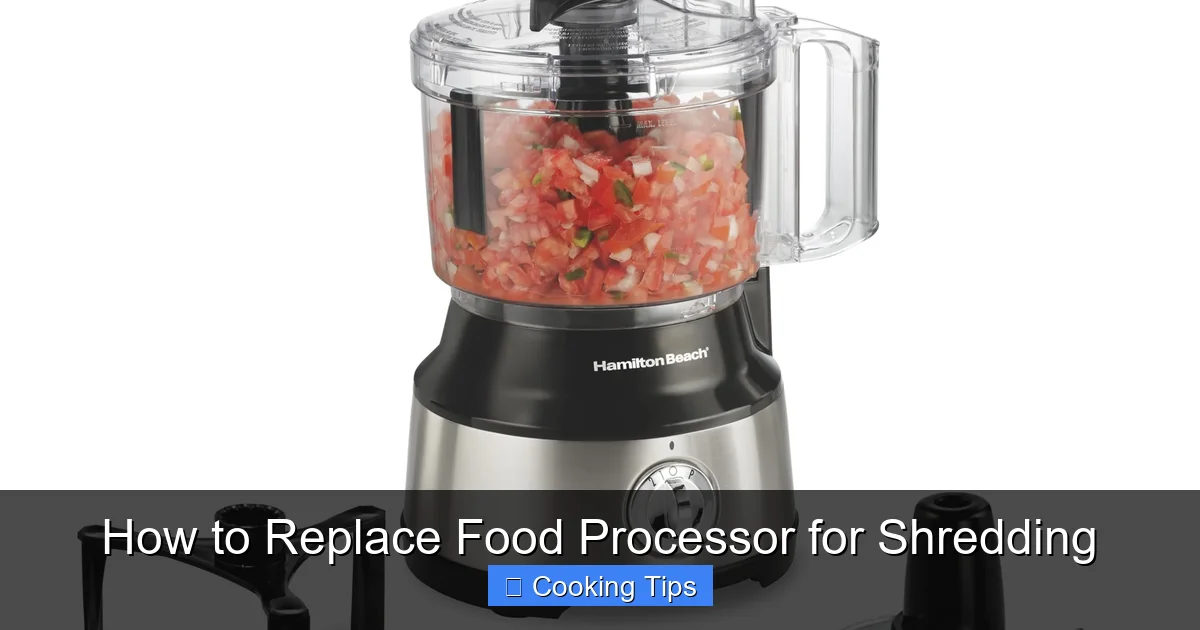
Visual guide about How to Replace Food Processor for Shredding
Image source: m.media-amazon.com
Read Reviews
Customer reviews on retail websites and from reputable cooking publications can offer invaluable insights. Pay close attention to reviews that specifically mention shredding performance, motor durability, and ease of cleaning. Look for recurring positive or negative comments.
Compare Models
Create a shortlist of 2-3 models that seem to fit your criteria. Compare their specifications side-by-side: motor wattage, bowl capacity, included discs, dimensions, and price.
Consider Your Budget
Food processors range from budget-friendly options to high-end professional models.
- Entry-Level ($50-$100): Basic functions, smaller capacity, less powerful motor. May be suitable for occasional shredding of soft items.
- Mid-Range ($100-$250): Good balance of power, capacity, and features. Often include multiple shredding discs and a decent motor. Excellent for most home cooks.
- High-End ($250+): Powerful motors, large capacities, premium materials, extensive accessory options, and often more durable construction. Ideal for frequent, heavy-duty use.
Remember that investing a little more upfront can mean a more durable and efficient appliance that lasts longer.
Brand Reputation and Warranty
Stick with well-known brands like Cuisinart, Breville, KitchenAid, Braun, or Magimix. These brands typically offer good performance and reliable warranties. Check the warranty period – a longer warranty often indicates a manufacturer’s confidence in their product’s durability.
Step 4: The Purchase and Unboxing
Once you’ve made your decision, it’s time to buy!
Where to Buy
- Online Retailers: Amazon, Best Buy, Williams Sonoma, etc., offer wide selections and often competitive pricing.
- Department Stores: Macy’s, Target, etc., can be good for seeing models in person and taking advantage of sales.
- Specialty Kitchen Stores: Offer expert advice and often carry higher-end models.
Unboxing and Initial Inspection
When your new food processor arrives, take a moment to carefully unbox it.
- Check that all parts listed in the manual are present.
- Inspect for any damage that may have occurred during shipping.
- Read through the user manual thoroughly before assembling or using. Pay attention to safety instructions and cleaning recommendations.
Step 5: Mastering Your New Food Processor for Shredding
Now for the fun part – putting your new appliance to work!
Assembly and First Use
Follow the manual’s instructions for proper assembly. Before the first use, it’s recommended to wash all removable parts in warm, soapy water or run them through the dishwasher (if they are dishwasher safe) to remove any manufacturing residues.
Using the Shredding Discs
- Select the Right Disc: For general shredding of vegetables like carrots or zucchini, the reversible disc with the coarser side usually works best. For harder cheeses, you might prefer the finer side or a dedicated fine shredding disc.
- Proper Placement: Ensure the disc is seated correctly on the spindle and that the lid is securely locked. The processor will not operate if it’s not.
- Feed Chute Technique: Place your ingredient into the feed chute. Use the pusher to guide it down towards the rotating disc. Apply steady, even pressure. Don’t force the food. If it’s too large, you may need to cut it down slightly, especially if you don’t have an extra-wide feed chute.
- Shredding Cheese: For hard cheeses, it’s often best to chill them slightly beforehand. This helps them shred cleanly rather than turning into a paste.
- Shredding Vegetables: For items like cabbage or onions, you might want to cut them into manageable pieces that fit your feed chute easily.
Cleaning After Use
Prompt cleaning is essential for maintaining your food processor.
- Immediate Rinse: Rinse all parts that came into contact with food as soon as possible after use.
- Dishwasher vs. Hand Wash: If parts are dishwasher safe, use that option for maximum convenience. If hand washing, use warm, soapy water and a soft sponge or brush. Avoid abrasive scrubbers that could scratch the plastic.
- Motor Base: Never immerse the motor base in water. Wipe it clean with a damp cloth.
- Drying: Ensure all parts are completely dry before reassembling or storing to prevent mold and mildew.
Troubleshooting Common Shredding Issues
Even with a new appliance, you might encounter minor issues. Here are a few common ones:
Uneven Shredding
Cause: Not applying even pressure with the pusher, food pieces too large or irregularly shaped, or dull blades on the disc.
Solution: Ensure you’re using consistent pressure. Cut ingredients into uniform sizes that fit the chute. Check if the discs are sharp; if not, and they are not replaceable, it might be time for a new appliance or disc set.
Motor Straining or Overheating
Cause: Trying to process too much at once, using a motor that’s too small for the task, or shredding very hard ingredients for extended periods.
Solution: Process ingredients in smaller batches. Allow the motor to cool down between uses if it feels hot. Ensure you’re using a model with adequate wattage for your needs.
Food Getting Stuck
Cause: Overfilling the feed chute, ingredients that are too soft and gummy.
Solution: Don’t pack the feed chute too tightly. For softer ingredients like cooked potatoes, you might need to chill them first to firm them up. Sometimes, a quick pulse can help dislodge stuck food.
Conclusion
Replacing your food processor for shredding in 2026 is an investment that pays dividends in saved time and effort in the kitchen. By carefully assessing your needs, focusing on key features like motor power and disc quality, and doing your research, you can find an appliance that will become your go-to tool for countless culinary creations. Embrace the ease and efficiency of a modern food processor, and get ready to shred your way to delicious meals with confidence!
