

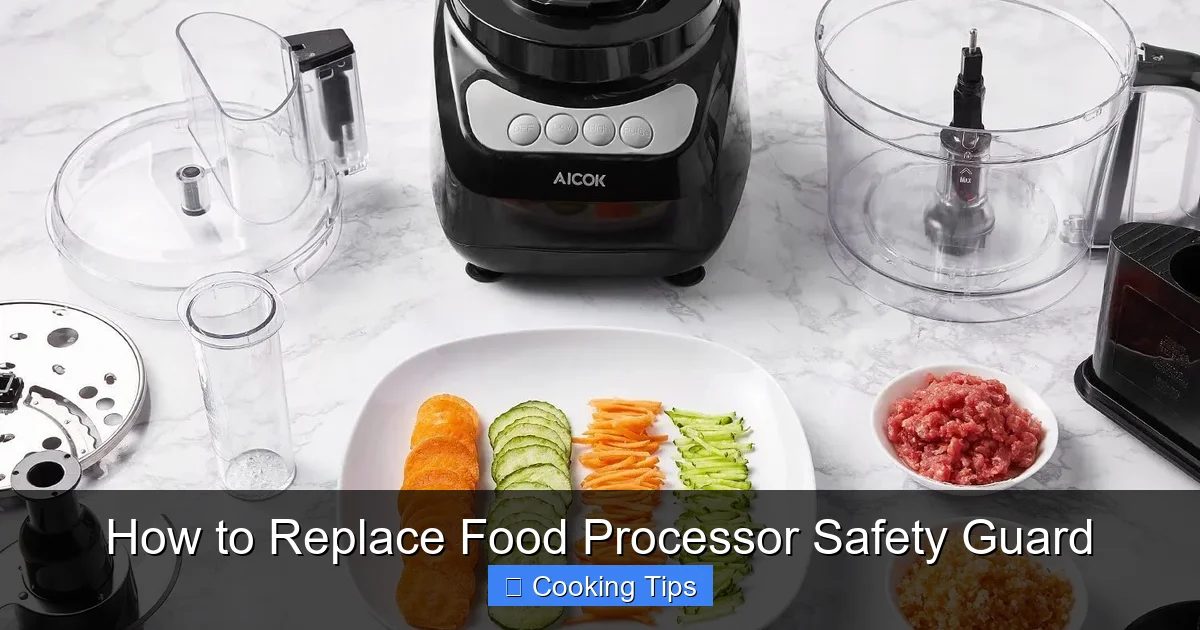
Is your food processor safety guard cracked or missing? Don’t let it sideline your culinary adventures! This guide provides clear, step-by-step instructions to safely remove and replace your food processor safety guard. We’ll cover everything from identifying the correct replacement part to ensuring a secure and safe fit, so you can get back to effortless chopping, blending, and pureeing.
Key Takeaways
- Identify the Right Replacement: Always use the exact replacement safety guard specified for your food processor model to ensure proper fit and functionality.
- Safety First: Always unplug your food processor and ensure all parts are clean and dry before beginning the replacement process.
- Careful Removal: Gently detach the old safety guard, noting any specific locking mechanisms or alignment points.
- Proper Installation: Align the new safety guard precisely with the unit’s housing and secure it according to the manufacturer’s instructions.
- Test for Security: Before using your food processor, thoroughly test the newly installed safety guard to ensure it’s firmly in place and the appliance won’t operate without it.
- Consult Your Manual: Your food processor’s user manual is the best resource for model-specific instructions and troubleshooting.
How to Replace Food Processor Safety Guard
Welcome to your ultimate guide on replacing a food processor safety guard! We know how frustrating it can be when a crucial part of your beloved kitchen gadget breaks or goes missing. A food processor is a real time-saver, helping you whip up everything from quick weeknight meals to elaborate holiday feasts. But when the safety guard is compromised, your appliance might become unusable or, worse, unsafe.
In this comprehensive guide, we’ll walk you through the entire process of replacing your food processor safety guard, step-by-step. You’ll learn how to identify the correct replacement part, safely remove the old guard, install the new one, and ensure everything is working as it should. By the end of this guide, you’ll be confident in your ability to get your food processor back in prime working condition, ready for all your culinary endeavors in 2026 and beyond!
Let’s dive in and get your food processor back to its full, safe potential!
Understanding the Food Processor Safety Guard
Before we get our hands dirty, it’s important to understand what the safety guard does and why it’s so critical. The safety guard, often integrated into the bowl or lid assembly, is a key component of your food processor’s interlock system. Its primary function is to prevent the appliance from operating unless it’s correctly assembled and in place. This means the blades won’t spin, and the motor won’t engage if the safety guard isn’t properly secured.
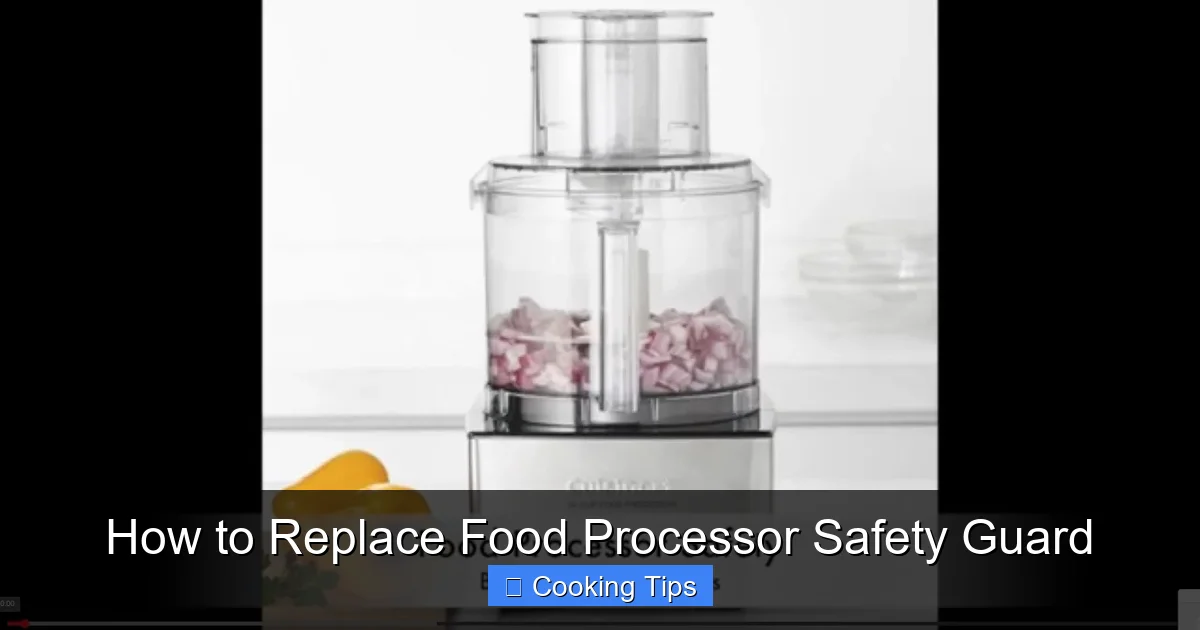
Visual guide about How to Replace Food Processor Safety Guard
Image source: i.ytimg.com
This feature is paramount for preventing accidents. Imagine accidentally turning on a food processor with exposed blades – it’s a recipe for disaster! The safety guard ensures that your hands and anything else stay safely away from the moving parts. When this guard is damaged, cracked, or lost, its ability to perform this vital safety function is compromised, rendering your food processor potentially dangerous to use.
When Do You Need to Replace Your Safety Guard?
Several signs indicate that your food processor safety guard needs replacement. The most obvious is visible damage. This could include:
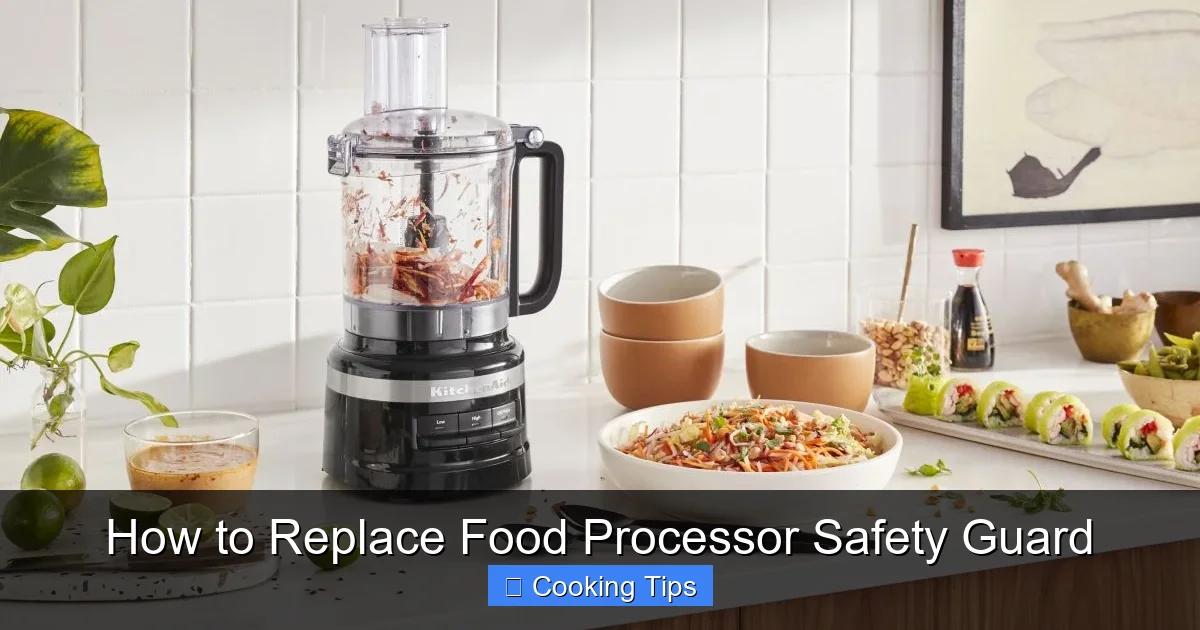
Visual guide about How to Replace Food Processor Safety Guard
Image source: kitchenaid-h.assetsadobe.com
- Cracks or Splits: Even small cracks can weaken the guard and compromise the interlock system.
- Missing Pieces: If parts of the guard have broken off, it’s no longer a complete safety mechanism.
- Warping: Heat or age can cause the plastic to warp, preventing it from seating correctly.
- Loose Fit: If the guard feels wobbly or doesn’t snap securely into place, its safety function is compromised.
- Interlock System Failure: If your food processor starts working even when the safety guard isn’t perfectly in place, the guard or the associated interlock mechanism is failing, and the guard is the most likely culprit to check first.
Ignoring these issues puts you and your kitchen at unnecessary risk. Replacing the safety guard is often a simple and cost-effective solution compared to buying a whole new appliance.
Step 1: Gather Your Tools and Information
Before you start the actual replacement, it’s essential to have everything you need. This ensures a smooth and efficient process.
Visual guide about How to Replace Food Processor Safety Guard
Image source: kitchenhabit.com
Identify Your Food Processor Model
This is the most crucial step. You cannot simply buy a generic safety guard. You need one specifically designed for your food processor model. Look for a label on the base of your food processor. It usually contains the brand name, model number, and serial number. Take a clear photo of this label or write down the information accurately. If the label is missing or unreadable, check your appliance’s original packaging or user manual.
Order the Correct Replacement Part
Once you have your model number, you can begin searching for a replacement safety guard. Your best bet is to:
- Visit the Manufacturer’s Website: Most manufacturers have an online store or a parts department where you can order genuine replacement parts. Enter your model number to find compatible accessories.
- Check Online Retailers: Large online marketplaces often carry a wide range of appliance parts. Be sure to verify the part number and compatibility before purchasing.
- Contact Customer Support: If you’re having trouble finding the part, reach out to the manufacturer’s customer support. They can guide you to the correct part and often provide ordering assistance.
Tip: Sometimes, the safety guard is part of a larger assembly, like the bowl or lid. Read product descriptions carefully to ensure you’re ordering the correct piece.
Gather Basic Tools
For most food processor safety guard replacements, you won’t need specialized tools. However, it’s good to have these on hand:
- A clean, dry cloth for wiping down parts.
- A small, flathead screwdriver (occasionally needed for releasing clips, but often not).
- Your food processor’s user manual.
Step 2: Prepare Your Food Processor for Replacement
Safety is paramount. Before you touch anything, ensure your appliance is safe to work on.
Unplug the Food Processor
This cannot be stressed enough. Always unplug your food processor from the power outlet. Do not rely on just turning it off. A sudden surge of power could be dangerous.
Disassemble Removable Parts
Carefully remove the food processor bowl, lid, and any blades or attachments. Place them on a clean, stable surface. This will give you better access to the area where the safety guard is located and ensure all components are clean before reassembly.
Clean the Area
While the parts are disassembled, take the opportunity to clean them thoroughly. Use warm, soapy water for the bowl and lid. Dry all parts completely before proceeding. A clean workspace reduces the risk of introducing debris into your appliance.
Step 3: Remove the Old Safety Guard
This step can vary slightly depending on your food processor model. Consult your user manual if you’re unsure. Generally, the safety guard is either a component of the lid or integrated into the bowl assembly.
If the Safety Guard is Part of the Lid
Many food processors have a safety guard integrated into the lid. This often works with a locking mechanism that engages when the lid is properly secured onto the bowl.
Locate Locking Tabs or Clips
Examine the lid where it attaches to the bowl. You’ll likely find small tabs, notches, or clips that are part of the safety guard mechanism. These are designed to align with corresponding slots or hooks on the food processor base or bowl. Some lids might have a rotating mechanism to lock the safety guard in place.
Gently Detach the Guard (if separable)
In some designs, the safety guard might be a separate piece that clips or screws onto the main lid. If this is the case, look for small screws or clips holding it in place. Carefully unscrew them or gently pry the clips open. Avoid forcing anything. If it doesn’t come apart easily, it might be an integrated unit, and you’ll be replacing the entire lid assembly.
Note Alignment Points
As you remove the lid, pay close attention to how the safety guard aligns with the rest of the lid and how the lid itself fits onto the bowl. Taking a quick photo can be helpful for reassembly.
If the Safety Guard is Integrated into the Bowl
Less commonly, the safety guard might be part of the bowl itself, especially in older or specialized models. This might involve a specific shape or a mechanism on the rim of the bowl that interacts with the appliance’s motor housing.
Inspect the Bowl Rim
Examine the rim of the food processor bowl. Look for any unusual shapes, indentations, or locking features that are part of the safety mechanism. These are what prevent the motor from running unless the bowl is correctly seated.
Determine if the Bowl is Replaceable as a Unit
If the safety guard is integrated into the bowl, and it’s damaged, you will likely need to replace the entire bowl assembly. Most food processor bowls are designed to be a single unit with the safety mechanism built-in. You would follow the same ordering process as for a lid, using your model number to find the correct replacement bowl.
Discard the Old Part Safely
Once removed, set aside the damaged safety guard or lid for disposal. If there are any small, loose parts, keep them together to ensure they don’t become a hazard.
Step 4: Install the New Safety Guard
Now it’s time to fit your brand-new safety guard. This is essentially the reverse of removal, but with careful attention to detail.
Align the New Guard/Lid
Carefully take your new safety guard or lid assembly. Align it with the food processor base or the bowl, just as the old one would have been. Pay close attention to any notches, tabs, or keyways. These are critical for correct alignment and will ensure the safety interlock engages properly.
Secure the New Guard/Lid
If your safety guard was attached to the lid with screws or clips, reattach it now. Ensure all screws are tightened snugly, but don’t overtighten, as this can strip the threads or crack the plastic. If the guard is part of the lid, and the lid simply clicks or twists into place, ensure you hear or feel a secure lock. Some lids have a specific orientation that needs to be followed.
Ensure a Snug Fit
The new safety guard or lid should fit perfectly. There should be no gaps or wobbling. If it feels loose, recheck the alignment and ensure all securing mechanisms are properly engaged.
Step 5: Test the Food Processor
This is the moment of truth! Before you start processing any food, you must test the safety features to ensure everything is working correctly.
Reassemble the Food Processor
Place the food processor bowl back onto the base. Attach the new lid securely. Insert any blades or attachments as you normally would.
Test the Interlock System
With the food processor plugged in (but the power switch OFF), try to engage the safety mechanism. Many food processors have a small button or lever on the side of the motor housing that the lid or bowl pushes. This button disengages when the lid is not properly secured.
Attempt to Turn On the Food Processor
Now, turn the power switch ON. Your food processor should NOT start. If it does, unplug it immediately and recheck all steps. The interlock system should prevent operation.
Test with the Lid Secured
Now, ensure the lid is fully and correctly locked into place. Once it’s securely in position, try turning the food processor on again. It should now operate normally.
Important: If your food processor still doesn’t work, or if it operates with the lid unlocked, there might be an issue with the interlock switch on the motor base itself, or the new part may be faulty. Consult your manual or contact the manufacturer.
Troubleshooting Common Issues
Even with the best intentions, you might run into a few hiccups. Here are some common problems and their solutions:
The New Guard Doesn’t Fit
Cause: You may have received the wrong replacement part, or there could be a slight manufacturing variation.
Solution: Double-check the model number on your appliance and the part number on the packaging. If they match and it still doesn’t fit, contact the seller or manufacturer for an exchange. Ensure you are trying to fit it in the correct orientation.
The Food Processor Still Won’t Turn On
Cause: The interlock switch on the motor base might be faulty, or the new safety guard isn’t engaging the switch correctly.
Solution: Carefully examine how the new guard interacts with the motor base’s interlock switch. You might need to adjust the seating of the bowl or lid slightly. If the issue persists, the interlock switch itself may need repair or replacement, which is often a more complex task best handled by a professional or by contacting the manufacturer.
The New Guard Feels Loose
Cause: It might not be fully seated, or a locking mechanism isn’t engaged.
Solution: Ensure all clips, tabs, or latches are firmly in place. Sometimes, pressure applied in the wrong area can prevent a secure fit. Try applying even pressure around the perimeter of the lid or bowl.
Conclusion
Replacing a food processor safety guard might seem daunting, but as you’ve seen, it’s a manageable task with the right information and a methodical approach. By following these steps, you can confidently and safely replace your damaged or missing guard, restoring your food processor to its full functionality. Remember, identifying the correct part and prioritizing safety throughout the process are key to success.
A functional safety guard is not just a convenience; it’s a crucial safety feature that protects you from serious injury. Don’t compromise on kitchen safety. With a little effort, you can ensure your food processor remains a reliable and safe tool in your kitchen for years to come. Happy processing!
