

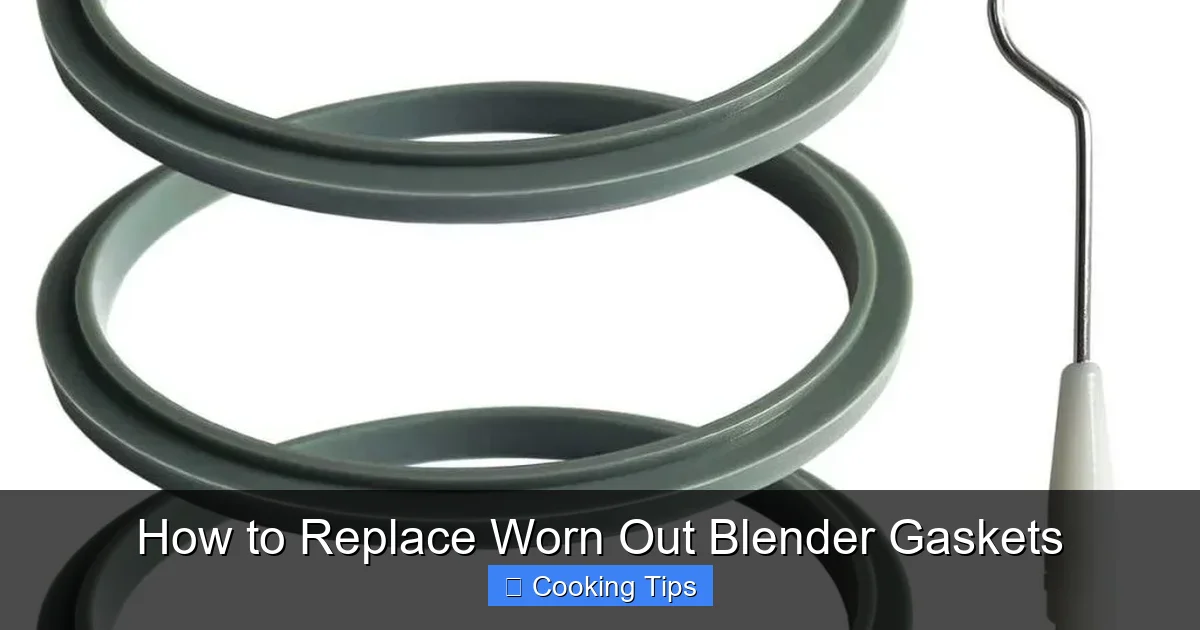
Dealing with a leaky blender? This guide provides a comprehensive walkthrough on how to replace worn-out blender gaskets. We’ll cover everything from identifying the problem to selecting the right replacement parts and performing the swap. Don’t let a small leak disrupt your kitchen routine; with these simple steps, you can restore your blender’s performance and prevent messy countertop spills. Save money and reduce waste by repairing instead of replacing your entire appliance.
Are you tired of finding little puddles of smoothie or soup around the base of your blender? That dreaded leak is often a sign that your blender’s gasket, also known as a seal, has seen better days. These humble rubber or silicone rings are the unsung heroes that keep your blended creations inside the pitcher, not all over your kitchen counter. Fortunately, replacing a worn-out blender gasket is a straightforward process that most home cooks can tackle with confidence. This guide will walk you through every step, ensuring your blender is back to its leak-free, powerful self in no time.
We’ll cover how to spot a failing gasket, what tools you’ll need, and the step-by-step instructions to remove the old one and install a new one. By the end of this guide, you’ll have the knowledge to save your favorite blender from an early demise and keep your kitchen clean and tidy.
Key Takeaways
- Identify a Failing Gasket: Look for leaks, spills, or a loose blade assembly as clear signs your blender gasket needs replacing.
- Safety First: Always unplug your blender before attempting any maintenance to avoid accidental operation.
- Know Your Blender Model: The correct gasket is crucial; identify your blender’s make and model number for an exact match.
- Gather Your Tools: You’ll typically need a soft cloth, possibly a flathead screwdriver or pliers, and your new gasket.
- Careful Disassembly: Gently detach the blade assembly, paying attention to how the old gasket was positioned.
- Proper Installation: Ensure the new gasket is seated correctly and snugly to create a watertight seal.
- Test for Leaks: After reassembly, run a small amount of water through the blender to confirm a secure, leak-free seal.
Why Your Blender Gasket Needs Replacing
Blender gaskets are made from flexible materials like rubber or silicone. Over time, these materials can degrade due to a variety of factors.
Common Causes of Gasket Wear
- Age: Like any rubber component, blender gaskets become brittle and less flexible with age.
- Heat: Frequent blending of hot ingredients can accelerate the breakdown of the gasket material.
- Harsh Cleaning: While important, abrasive cleaning methods or harsh detergents can wear down the gasket over time.
- Staining and Odors: If you frequently blend strongly colored or odorous ingredients (like turmeric or garlic), these can permeate the gasket material, leading to staining and lingering smells. While not always a functional issue, it can be unsightly.
- Physical Damage: Accidental nicks or tears during cleaning or assembly can compromise the gasket’s integrity.
Signs of a Failing Gasket
Before you can replace your gasket, you need to be sure it’s the culprit. Here are the tell-tale signs:
- Leaks During Blending: This is the most obvious sign. If you see liquid seeping out from around the blade assembly while the blender is running, your gasket is likely compromised.
- Leaks After Blending: Even if it doesn’t leak during operation, you might notice residue on the outside of the pitcher or on your countertop after blending and emptying.
- Loose Blade Assembly: The gasket helps secure the blade assembly to the bottom of the blender jar. If it feels unusually loose or wobbly, the gasket might be worn or flattened.
- Visible Cracks or Tears: Take a close look at the gasket. If you see any cracks, splits, or areas where it looks flattened or misshapen, it’s time for a replacement.
- Persistent Odors or Stains: While less about function and more about aesthetics and hygiene, deeply stained or smelly gaskets might be beyond saving and could be replaced for freshness.
Gathering Your Supplies
Before you dive in, make sure you have everything you need. This will make the process smoother and prevent you from having to stop midway.
Essential Tools and Materials
* New Blender Gasket: This is the most important item! We’ll discuss how to find the correct one later.
* Soft Cloths: You’ll need a few for cleaning.
* Mild Dish Soap: For cleaning parts.
* Optional: Flathead Screwdriver or Butter Knife: Sometimes helpful for gently prying off a stubborn old gasket. Use with extreme caution to avoid damaging your blender.
* Optional: Pliers: May be useful if the blade assembly is difficult to unscrew. Again, be gentle.
* Your Blender’s Instruction Manual: If you still have it, it can be a great resource.
Finding the Right Replacement Gasket
This is a critical step. Using the wrong gasket can lead to leaks or damage your blender.
How to Identify Your Blender Model
The best way to find a compatible gasket is to know your blender’s make and model number.
- Check the Blender Base: Most manufacturers put a sticker on the bottom or back of the blender base with the model number, serial number, and manufacturing information.
- Look on the Blender Jar: Sometimes, the model number might also be printed on the blender jar itself, often near the handle or base.
- Consult Your Manual or Packaging: If you still have the original box or user manual, the model information will be prominently displayed.
- Manufacturer’s Website: If you can’t find it anywhere else, try searching for your blender brand online. You might be able to identify your model by its appearance.
Where to Buy Replacement Gaskets
Once you have your model number, you can purchase a new gasket from several sources:
- Manufacturer’s Official Website: This is often the most reliable place to find genuine replacement parts.
- Online Retailers: Websites like Amazon, eBay, or specialized appliance parts stores carry a wide variety of blender gaskets. Ensure you are buying from a reputable seller.
- Appliance Repair Shops: Local appliance repair shops might stock common blender parts or be able to order them for you.
Tip: If you’re unsure, take a clear picture of your blender’s blade assembly and the old gasket and send it to a supplier. Many offer customer service to help you find the correct part.
Step-by-Step Guide to Replacing Your Blender Gasket
Now for the hands-on part! Follow these steps carefully for a successful gasket replacement.
Step 1: Safety First! Unplug Your Blender
This is the most important step. Never work on your blender while it’s plugged into an electrical outlet.
Action: Locate the power cord and unplug it from the wall socket. Ensure it’s completely disconnected before proceeding.
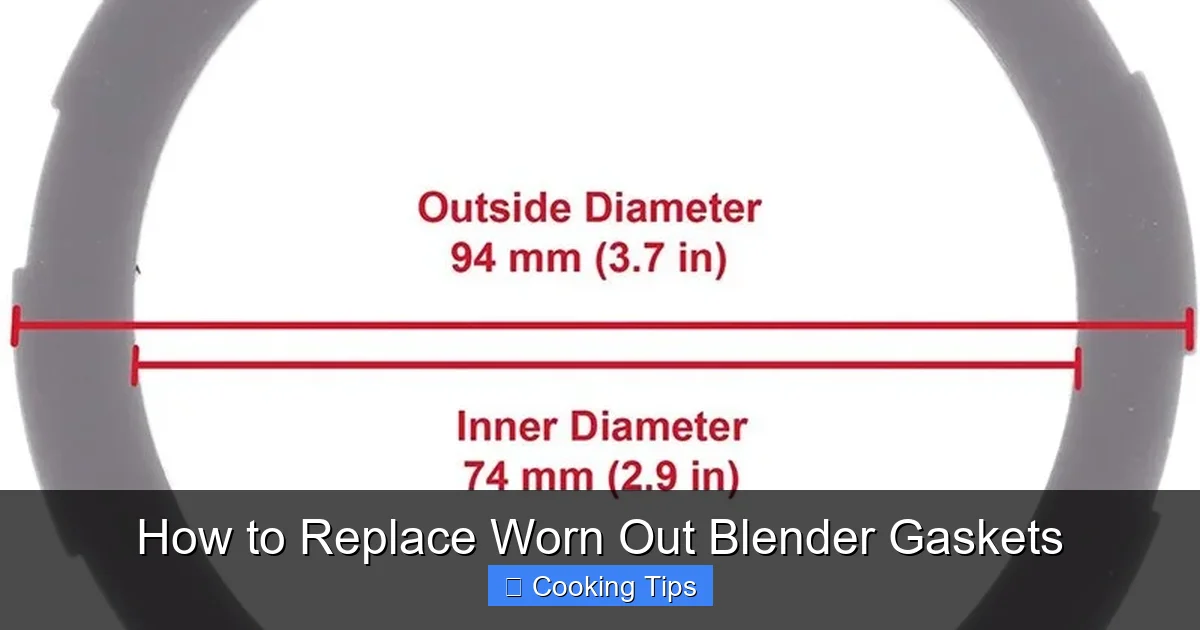
Visual guide about How to Replace Worn Out Blender Gaskets
Image source: images.nexusapp.co
Visual guide about How to Replace Worn Out Blender Gaskets
Image source: prabhatusa.com
Visual guide about How to Replace Worn Out Blender Gaskets
Image source: kitchenadvising.com
Step 2: Disassemble the Blender Jar
You’ll need to separate the blade assembly from the blender jar to access the gasket.
Detaching the Blade Assembly
- Turn the Jar Upside Down: Place the blender jar on a stable surface, upside down, so the blade assembly is facing upwards.
- Identify the Locking Ring: At the bottom of the jar, you’ll see the blade assembly. There’s usually a threaded ring that holds it in place.
- Unscrew the Locking Ring: This ring typically unscrews counter-clockwise. Some can be quite tight.
- If it’s loose: You might be able to unscrew it by hand.
- If it’s tight: You may need a rubber grip or a clean cloth to get a better hold. In rare cases, a pair of pliers might be necessary, but be very careful not to apply too much force, which could damage the plastic jar or the blade assembly. Some manufacturers suggest using a rubber grip or a specific tool that came with your blender.
- Carefully Remove the Blade Assembly: Once the locking ring is off, the blade assembly should slide out. Be mindful of the sharp blades!
Step 3: Remove the Old Gasket
With the blade assembly out, you can now access the old gasket.
Getting the Old Gasket Out
- Locate the Gasket: The gasket is usually a flat ring seated around the base of the blade assembly, where it meets the jar.
- Gently Pry it Loose: Most gaskets are simply seated in place and can be gently pried out.
- Using your fingers: Try to get a fingernail or the edge of your finger under the gasket and lift it out.
- Using a tool (with caution): If it’s stuck, you can use the edge of a flathead screwdriver or a butter knife to gently lever it out. Be extremely careful not to scratch or gouge the plastic housing of the blade assembly or the jar. The goal is to lift the gasket, not to force it.
- Inspect the Area: Once the old gasket is out, take a moment to inspect the area where it was seated. Ensure there’s no debris or residue left behind.
Step 4: Clean the Blade Assembly and Jar
A clean surface ensures a better seal with the new gasket.
Washing the Components
- Wash the Blade Assembly: Wash the blade assembly carefully with warm, soapy water. Be extremely cautious of the sharp blades.
- Wash the Blender Jar: Wash the inside of your blender jar thoroughly.
- Rinse and Dry: Rinse all parts thoroughly to remove any soap residue. Then, dry everything completely with a clean, soft cloth. This is important; moisture can affect how the new gasket seals.
Step 5: Install the New Gasket
This is where you bring your blender back to life!
Seating the New Gasket Correctly
- Identify the Correct Side: Most gaskets are symmetrical, but some might have a slightly thicker or thinner side. Refer to the old gasket’s position if unsure.
- Place the New Gasket: Carefully position the new gasket onto the blade assembly where the old one was. It should sit flat and snugly.
- Press it into Place: Gently press around the edges of the gasket to ensure it’s seated evenly and securely. It should fit snugly into its groove or recess.
- Check for Gaps: Run your finger around the gasket to make sure there are no gaps or parts sticking out. A perfectly seated gasket is key to preventing leaks.
Step 6: Reassemble the Blade Assembly
Now you’ll put everything back together.
Putting it Back Together
- Reattach the Blade Assembly: Carefully place the blade assembly back into the bottom of the blender jar, ensuring it’s aligned correctly.
- Screw on the Locking Ring: Screw the locking ring back onto the jar’s base, turning it clockwise until it’s snug. Again, use a cloth or rubber grip for better traction if needed. It should be tight, but don’t overtighten, as this can crack the plastic.
- Ensure it’s Secure: Gently try to wiggle the blade assembly. It should feel secure and not loose.
Step 7: Test for Leaks
The moment of truth!
The Leak Test
- Fill with Water: Fill the blender jar with a small amount of water (about 1/4 to 1/2 cup).
- Secure the Lid: Place the lid firmly on the blender jar.
- Run the Blender (Briefly): Place the jar back onto the blender base, plug it in, and run the blender on a low setting for a few seconds.
- Check for Leaks: Unplug the blender, remove the jar, and carefully inspect the bottom of the jar and the blade assembly for any signs of leakage.
If you see no leaks, congratulations! You’ve successfully replaced your blender gasket. If you notice a small drip, unplug the blender, remove the blade assembly, and ensure the gasket is seated perfectly. Sometimes, reassembling it can help it settle into place.
Troubleshooting Common Issues
Even with the best intentions, you might encounter a hiccup. Here are some common problems and how to solve them.
Gasket Won’t Seat Properly
* Problem: The new gasket seems too loose, too tight, or won’t sit flat.
* Solution: Double-check that you have the correct gasket for your blender model. Sometimes gaskets are slightly different sizes even for similar-looking blenders. Ensure the seating area on the blade assembly and jar is perfectly clean and free of debris. Try gently warming the gasket in a bowl of warm (not hot) water for a minute; this can make it more pliable and easier to seat.
Blade Assembly is Still Loose
* Problem: Even with the new gasket and the locking ring tightened, the blade assembly feels wobbly.
* Solution: Ensure the locking ring is fully and properly threaded. Sometimes it can cross-thread slightly. Clean the threads on both the jar and the locking ring. If it’s still loose, there might be a manufacturing defect in the jar or the blade assembly itself, or the threads might be stripped. In this case, it may be time to consider replacing the entire blender jar or the unit.
Still Leaking After Replacement
* Problem: Despite replacing the gasket, the blender is still leaking.
* Solution:
- Gasket Placement: Unplug and re-check the gasket’s position. Is it perfectly flat and centered? Is it caught on anything?
- Damaged Jar or Blade Assembly: Inspect the plastic jar and the housing of the blade assembly for any cracks, chips, or warped areas, especially around the threading for the locking ring. Even a hairline crack can cause leaks.
- Wrong Gasket: It’s possible, though less common if you followed the model number carefully, that the gasket is subtly incorrect.
If you suspect damage to the jar or blade assembly, you may need to replace these parts or the entire blender.
Maintaining Your Blender Gasket
Once you’ve replaced your gasket, you’ll want to keep it in good condition to extend its life.
Tips for Longevity
- Clean After Each Use: Rinse the blender jar, blade assembly, and gasket immediately after use.
- Gentle Cleaning: Use warm, soapy water and a soft cloth or sponge. Avoid abrasive scrubbers or harsh chemicals.
- Air Dry: Allow all parts to air dry completely before reassembling or storing.
- Store Properly: If you store your blender jar with the blade assembly attached, ensure the gasket is dry and not compressed. Some people prefer to store the blade assembly separately to prevent premature wear on the gasket.
- Avoid Blending Extremely Hot Liquids for Extended Periods: While many blenders are designed for hot blending, prolonged exposure to very high heat can degrade the gasket faster. Let hot ingredients cool slightly if possible.
Conclusion
Replacing a worn-out blender gasket is a simple yet effective way to bring your appliance back to its prime performance. It saves you money, reduces waste, and keeps your kitchen clean and enjoyable. By following these step-by-step instructions, you can tackle this common kitchen repair with confidence. Remember to always prioritize safety, gather the right parts, and be gentle during the process. Enjoy your leak-free blending adventures!
