
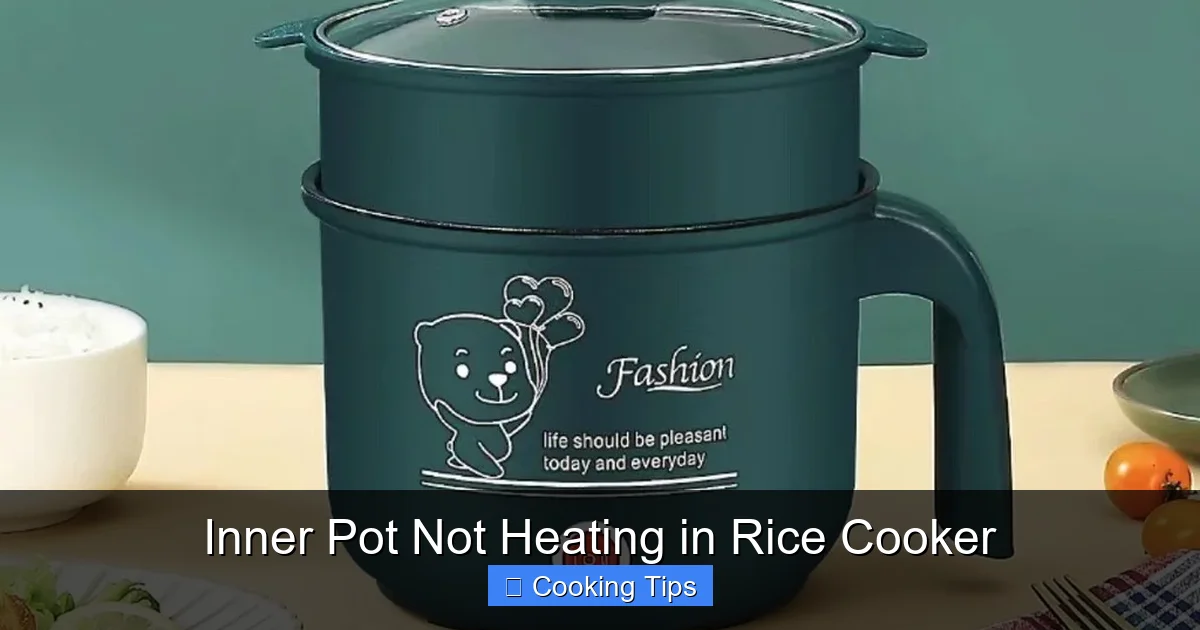
Experiencing an inner pot not heating in your rice cooker? Don’t panic! This comprehensive guide will walk you through the most common reasons and practical solutions to get your rice cooker back to its perfect cooking state. We’ll cover simple checks, potential component issues, and when it might be time for professional help or a new appliance. Ensure perfectly cooked rice every time by following these expert tips.
Inner Pot Not Heating in Rice Cooker
It’s a familiar scene: you’ve meticulously measured your rice, added the water, pressed the button, and then… nothing. The rice cooker is on, the lights are illuminated, but the inner pot remains stubbornly cool. This can be incredibly frustrating, especially when you’re anticipating a delicious, fluffy bowl of rice. Fortunately, an inner pot not heating in your rice cooker is often a fixable problem.
This guide, updated for 2026, will equip you with the knowledge to diagnose and potentially solve why your rice cooker’s inner pot isn’t heating. We’ll cover everything from simple, user-error issues to more complex internal component problems. By following these steps, you’ll be well on your way to enjoying perfectly cooked rice once again.
Key Takeaways
- Inspect the Power Connection: The most basic, yet often overlooked, issue is a loose or damaged power cord or plug.
- Clean the Heating Element and Pot Sensors: Buildup of food debris or mineral deposits can interfere with the heating process.
- Check the Lid and Steam Vent: A misaligned lid or a clogged steam vent can prevent the cooker from reaching optimal cooking temperature.
- Understand the Thermostat/Thermal Fuse: These internal components regulate temperature and can fail, causing heating issues.
- Test the Inner Pot: Ensure the inner pot is correctly seated and making proper contact with the heating element.
- Consider Age and Wear: Older rice cookers may experience component degradation, making repairs less cost-effective.
- Safety First: Always unplug your rice cooker before performing any inspection or cleaning to prevent electrical shock.
Understanding How Your Rice Cooker Works
Before we dive into troubleshooting, it’s helpful to understand the basic mechanism behind most standard rice cookers. At its core, a rice cooker heats water to a specific temperature to cook the rice.
* **Heating Element:** This is typically a coil or plate located at the base of the cooker, underneath the inner pot. When the cooker is powered on, electricity flows through this element, generating heat.
* **Inner Pot:** This is the removable pot where you place your rice and water. It’s designed to absorb and distribute heat evenly.
* **Thermostat/Thermal Fuse:** These are crucial safety and control components. The thermostat monitors the temperature and tells the heating element when to turn on and off to maintain the correct cooking temperature. A thermal fuse is a safety device that cuts power if the cooker overheats.
* **Sensors:** Some modern rice cookers have sensors that detect the presence and position of the inner pot, ensuring it’s making proper contact with the heating element.
When the inner pot isn’t heating, it means one or more of these components, or their connections, aren’t functioning as they should.
Step-by-Step Troubleshooting Guide
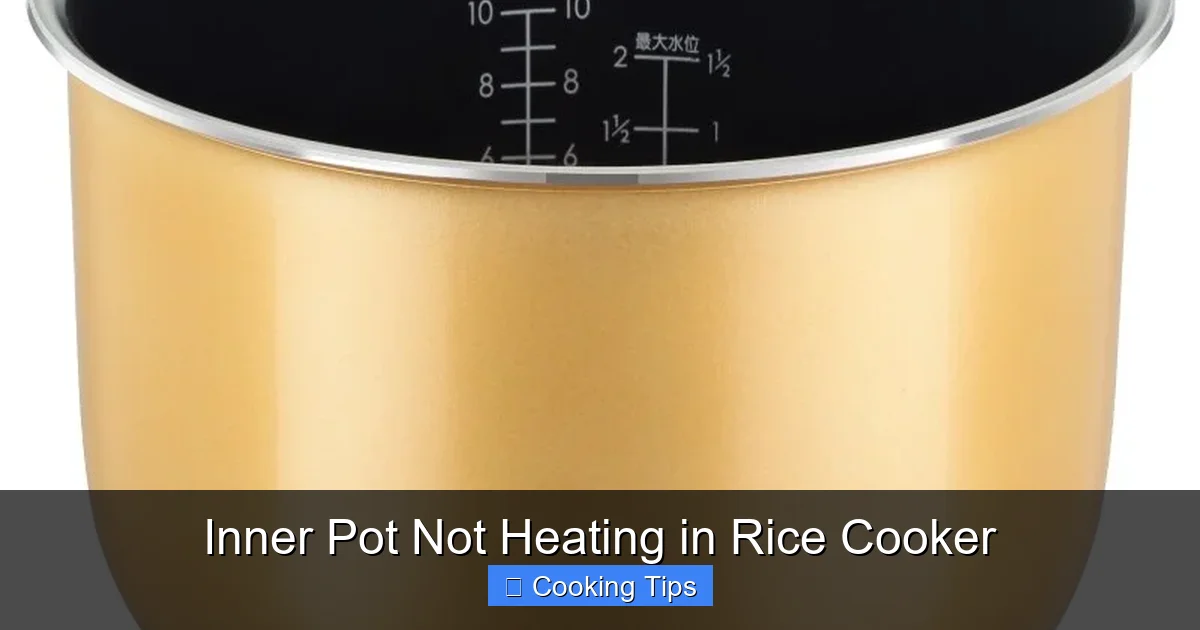
Visual guide about Inner Pot Not Heating in Rice Cooker
Image source: images.nexusapp.co
Let’s start with the simplest checks and move towards more involved troubleshooting. Remember to always unplug your rice cooker before performing any inspection or cleaning to ensure your safety.
Step 1: The Obvious Checks – Power and Placement
This might sound basic, but it’s the most common reason for a seemingly non-heating rice cooker.
Check the Power Cord and Outlet
* **Is the cord securely plugged in?** Ensure the plug is firmly seated in both the rice cooker’s power port and the wall outlet.
* **Inspect the power cord for damage.** Look for any visible cuts, fraying, or melted spots. If the cord is damaged, do not use the rice cooker. You may need to replace the cord or the entire appliance.
* **Try a different outlet.** Plug the rice cooker into a different wall outlet to rule out a faulty outlet. Make sure the outlet is working correctly by testing it with another appliance.
* **Check the circuit breaker.** If the outlet is part of a circuit that has tripped, your rice cooker won’t receive power.
Ensure the Inner Pot is Correctly Seated
Most modern rice cookers have safety mechanisms that prevent them from heating if the inner pot isn’t properly placed.
* **Remove the inner pot.**
* **Inspect the bottom of the inner pot and the heating element area.** Look for any debris, rice grains, or residue that might be preventing it from sitting flush.
* **Clean the area.** Use a soft, damp cloth to wipe away any obstructions.
* **Reinsert the inner pot.** Make sure it sits firmly and evenly on the heating element. You should feel or hear a slight click or secure seating. Some models have a small indentation or guide to ensure correct alignment.
Step 2: Cleaning and Maintenance – The Forgotten Heroes
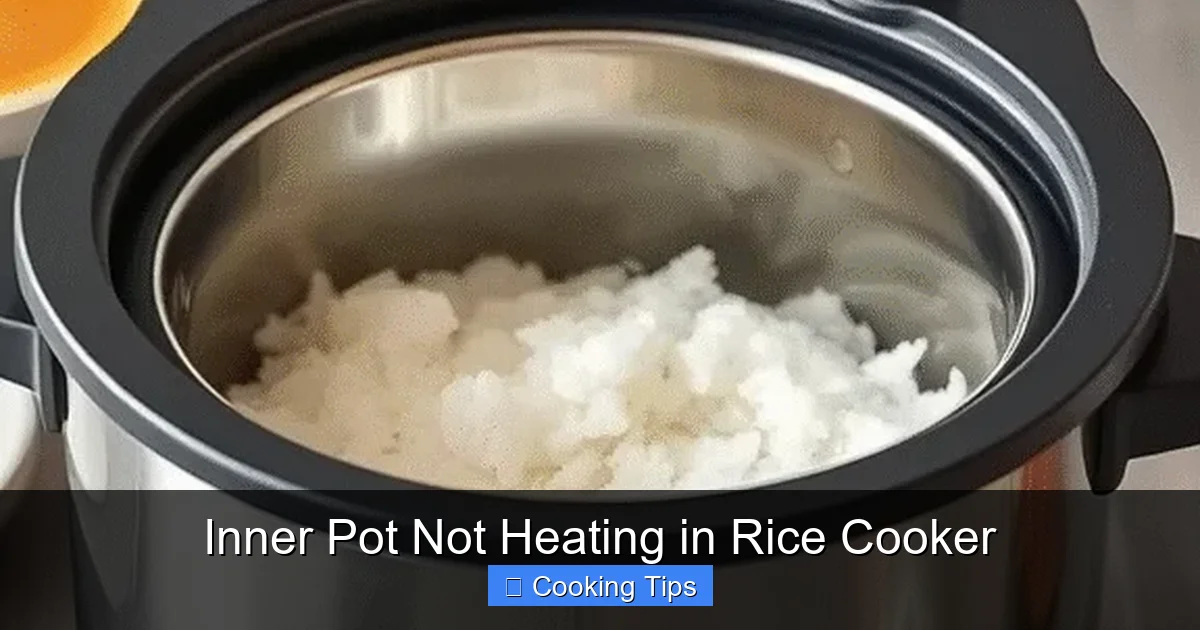
Visual guide about Inner Pot Not Heating in Rice Cooker
Image source: itrendworld.com
A clean rice cooker is a happy rice cooker. Food particles and mineral buildup can significantly interfere with its function.
Clean the Heating Element
* **Unplug the unit.**
* **Ensure the inner pot is removed.**
* **Gently wipe the heating element.** Use a dry or slightly damp cloth. For stubborn residue, you might need a soft brush or a nylon scrubber. Avoid abrasive materials that could scratch or damage the element.
* **Allow it to dry completely** before reassembling.
Clean the Inner Pot and Lid
* **Wash the inner pot thoroughly.** Remove any lingering food particles.
* **Inspect the lid and steam vent.** Food debris can clog the steam vent, which is essential for pressure regulation and proper cooking.
* **Unclog the steam vent.** Use a toothpick or a small brush to carefully remove any blockages from the steam vent.
* **Wipe down the lid.** Ensure the gasket (if your model has one) is clean and free of debris.
Step 3: Checking the Lid and Sealing
The lid plays a vital role in trapping heat and steam. An improperly sealed lid can prevent the cooker from reaching the necessary temperature.
Is the Lid Properly Closed?
* **Ensure the lid is fully latched.** Some rice cookers have a lock or specific way the lid needs to be closed.
* **Check for any obstructions.** Make sure nothing is preventing the lid from closing completely.
Inspect the Lid Gasket (if applicable)
* **Some high-end or multi-function rice cookers have a removable silicone or rubber gasket around the lid.**
* **Inspect this gasket for damage, tears, or hardened residue.** A damaged gasket won’t create a proper seal, leading to heat loss.
* **Clean the gasket gently.** If it’s removable, wash it. Ensure it’s dried and reattached correctly.
Step 4: Internal Component Checks (Use Caution!)
If the basic checks haven’t resolved the issue, you might be looking at an internal component problem. This step requires a bit more caution and, if you’re not comfortable with electronics, it’s best to consult a professional or consider replacement.
The Thermostat or Thermal Fuse
This is a common culprit for a rice cooker that powers on but doesn’t heat.
* **How to Check (Advanced):** This usually involves disassembling the outer casing of the rice cooker, which varies significantly by model. You would need to locate the thermostat or thermal fuse (often near the heating element) and test for continuity using a multimeter. A blown thermal fuse or a faulty thermostat will not allow electricity to pass through.
* **Symptoms of Failure:** The cooker may turn on (lights illuminate) but the heating element stays cold. It might heat up briefly and then stop.
* **Replacement:** If these components are found to be faulty, they can sometimes be replaced, but it requires sourcing the correct part and some technical skill. For many consumer-grade rice cookers, the cost and effort of repair might outweigh buying a new one.
The Heating Element Itself
While less common than thermostat issues, the heating element can fail.
* **How to Check (Advanced):** Similar to checking the thermostat, this involves disassembly and testing for continuity with a multimeter.
* **Symptoms of Failure:** No heat at all, even when all other components seem fine.
* **Replacement:** Replacing the heating element is often a complex repair and may not be cost-effective.
Step 5: Consider the Age and Model of Your Rice Cooker
Technology evolves, and so does appliance reliability.
* **Older Models:** Components like thermostats, fuses, and even heating elements can degrade over time due to wear and tear. If your rice cooker is several years old, a component failure is more likely.
* **Budget Models:** Less expensive rice cookers might use less durable components, making them more prone to issues over time.
* **Cost-Benefit Analysis:** Before investing significant time or money into repairing an older or inexpensive rice cooker, compare the potential repair cost to the price of a new, modern rice cooker. For many, purchasing a new unit is the more practical solution.
When to Seek Professional Help or Replace Your Rice Cooker
If you’ve gone through the troubleshooting steps and your rice cooker still isn’t heating, it’s time to make a decision.
When to Call a Professional
* **You suspect an internal electrical issue** but lack the tools or expertise to safely diagnose or repair it.
* **The damage is significant** (e.g., a visibly burnt component or damaged wiring).
* **Your rice cooker is a high-end, specialized model** where replacement would be very costly.
However, be aware that appliance repair services can be expensive, and for most standard rice cookers, the repair cost might be close to or exceed the price of a new appliance.
When to Replace Your Rice Cooker
* **You’ve identified a damaged power cord.** This is a safety hazard.
* **You’re uncomfortable with any of the troubleshooting steps,** especially those involving disassembly.
* **The rice cooker is old** and has served you well, but its time has likely come.
* **The cost of repair is significant** compared to the price of a new one.
* **You consistently experience problems** even after attempting basic fixes.
Practical Tips for Keeping Your Rice Cooker in Top Shape
Preventative maintenance can help avoid issues like the inner pot not heating.
* **Always unplug before cleaning.** Safety first!
* **Clean after every use.** Don’t let food residue harden.
* **Use a soft cloth or sponge.** Avoid abrasive scrubbers.
* **Ensure everything is dry** before reassembly and storage.
* **Store properly.** Keep it in a dry place, away from excessive moisture.
* **Handle with care.** Avoid dropping or banging the cooker.
Conclusion
An inner pot not heating in your rice cooker can be a puzzling problem, but by systematically working through these troubleshooting steps, you can often identify and resolve the issue. From simple power checks to understanding internal components, this guide aims to empower you to revive your beloved kitchen appliance. Remember to always prioritize safety, especially when dealing with electrical devices. If you’ve exhausted all troubleshooting options and the problem persists, it may be time to consider investing in a new rice cooker to ensure perfectly cooked rice for years to come. Happy cooking!
