

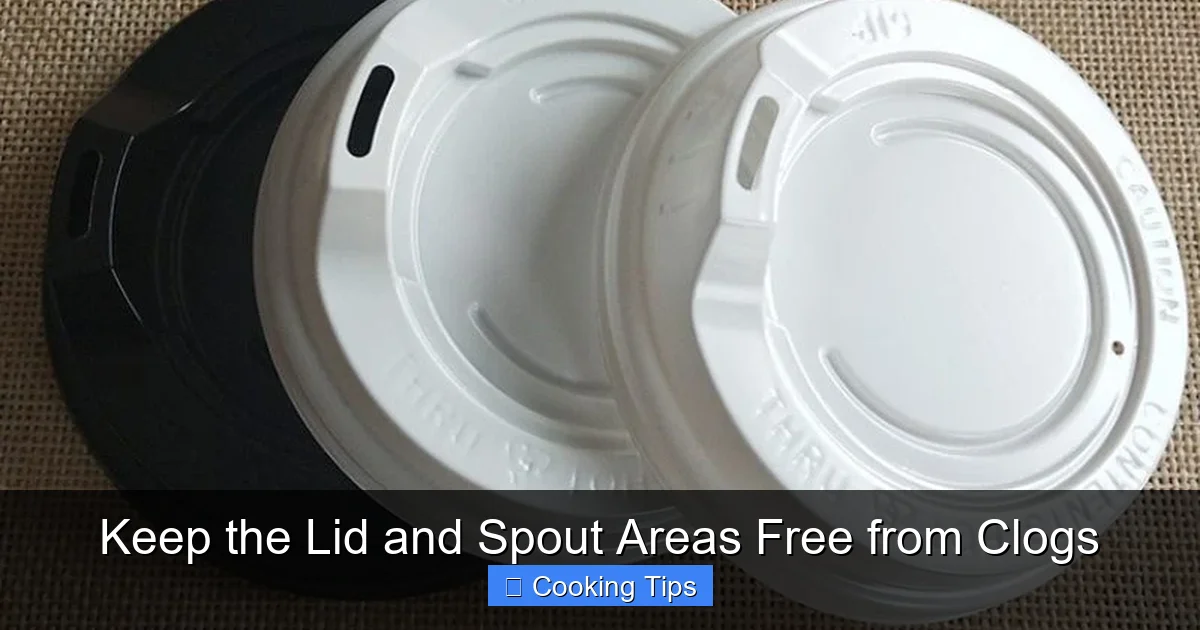
Clogged lids and spouts can be a frustrating kitchen nuisance. This guide provides practical, easy-to-follow steps to prevent and clear blockages in your cookware, pitchers, and dispensers. By implementing these simple techniques, you’ll ensure smoother pouring and a more enjoyable cooking experience, keeping your kitchen tools in top condition.
Key Takeaways
- Regular Cleaning is Crucial: The most effective way to prevent clogs is to consistently clean lid and spout areas after each use.
- Wipe Away Residue Promptly: Don’t let food particles and liquids dry and harden. A quick wipe-down prevents future blockages.
- Use the Right Tools: Simple tools like toothpicks, pipe cleaners, and small brushes are invaluable for reaching tight spots and clearing stubborn clogs.
- Consider Material Matters: Different materials require different cleaning approaches. Be mindful of scratches and damage to delicate surfaces.
- Preventative Measures are Key: Simple habits like not overfilling containers and allowing liquids to cool slightly can significantly reduce the likelihood of clogs.
- Troubleshooting Common Issues: Understanding how to deal with specific types of clogs, whether from grease, dried sauces, or sugary liquids, is essential.
Keep the Lid and Spout Areas Free from Clogs
Are you tired of wrestling with stubborn lids or dealing with frustratingly slow pouring from a clogged spout? It’s a common kitchen problem, but one that’s easily preventable and fixable with a little know-how. This comprehensive guide will walk you through everything you need to know to keep the lid and spout areas of your kitchen essentials free from annoying clogs. We’ll cover everything from everyday cleaning habits to tackling those more persistent blockages, ensuring your cooking and serving experiences are always smooth and enjoyable.
Imagine reaching for your favorite teapot, only to find the spout blocked with dried tea leaves, or trying to pour oil from a bottle, but the dispenser dribbles out in frustratingly small amounts. These clogs not only disrupt your workflow but can also lead to mess and waste. But don’t worry! By following these simple steps and adopting a few good habits, you can banish these kitchen woes for good.
Understanding Why Clogs Happen
Before we dive into the solutions, let’s quickly understand what causes these pesky clogs. Most often, they are a result of food or liquid residue left behind after use.
- Dried Food Particles: Bits of food, spices, or herbs can get stuck in narrow openings.
- Greasy Residue: Oily substances, when cooled, can solidify and create blockages.
- Sugary Liquids: Syrups, honey, or sweetened beverages can harden when exposed to air, forming sticky, stubborn clogs.
- Mineral Deposits: In areas with hard water, mineral buildup can also contribute to clogs over time, especially in kettles and dispensers.
Preventative Measures: The First Line of Defense
The best way to deal with clogs is to prevent them from forming in the first place. This involves simple, consistent habits that take only a few moments after each use.
Clean Immediately After Use
This is by far the most important tip. Don’t let food or liquid residue sit and dry.
- For Pots and Pans: After emptying the contents, give the lid and the rim of the pot or pan a quick rinse under hot water. If there are any stubborn bits, use a soft sponge or dishcloth.
- For Pitchers and Bottles: Rinse them out thoroughly with warm water as soon as they are emptied. This is especially important for anything containing milk, juice, or sugary drinks.
- For Kettles and Teapots: Empty them completely after use. If you’ve brewed tea, a quick rinse will remove most of the tea leaves.
Wipe Down Regularly
Even if you rinse, a quick wipe can catch anything you might have missed.
- Lid Edges: Pay close attention to the edges of lids, especially where they meet the pot or container. These areas are prime spots for trapped food.
- Spout Openings: A quick swipe with a damp cloth around the spout can remove surface residue before it hardens.
Avoid Overfilling
When you overfill a pot or pitcher, it increases the likelihood of liquid or food reaching and potentially clogging the lid’s vent or the spout. Try to leave a little headroom.
Allow Hot Liquids to Cool Slightly Before Sealing
For items like thermoses or some travel mugs, allowing very hot liquids to cool for a minute or two before sealing the lid can help prevent condensation buildup that might later contribute to clogs.
Cleaning Techniques for Stubborn Clogs
Sometimes, despite our best efforts, clogs happen. Here’s how to tackle them effectively without damaging your kitchenware.
Clearing Lid Clogs
Visual guide about Keep the Lid and Spout Areas Free from Clogs
Image source: cdn.shopify.com
Lid clogs can happen around the rim, in vent holes, or even in intricate lid designs.
Step 1: Initial Rinse and Soak
Start with the simplest approach.
- Hot Water Rinse: Run hot water over the affected lid area. Often, this is enough to loosen minor blockages.
- Soaking: If rinsing isn’t enough, soak the lid in warm, soapy water for 15-30 minutes. This helps to soften dried-on residue. Use a mild dish soap.
Step 2: Gentle Scrubbing
After soaking, use appropriate tools to gently scrub away the loosened debris.
- Soft Sponge or Dishcloth: For general residue on smooth surfaces, these are ideal.
- Bottle Brush (Small): A small, flexible bottle brush is excellent for cleaning around the lid’s inner rim and any grooves.
- Toothbrush (Old): An old, clean toothbrush is perfect for scrubbing tight corners and intricate lid designs.
Step 3: Dealing with Persistent Clogs in Vent Holes
Vent holes are notorious for trapping small particles.
Using a Toothpick or Skewer
- Gentle Probing: Carefully insert a toothpick or the pointed end of a wooden skewer into the vent hole. Gently wiggle it to dislodge any trapped debris. Be careful not to push the clog further in or damage the lid.
- Rinse Again: After probing, rinse the lid thoroughly with hot water to wash away any dislodged particles.
Using Pipe Cleaners
Pipe cleaners are wonderfully flexible and absorbent.
- Twist and Push: Bend a pipe cleaner and use it to twist and push through vent holes. The fuzzy material can grab and pull out debris.
- Multiple Passes: You might need to use a few pipe cleaners to ensure the hole is completely clear.
Clearing Spout Clogs

Visual guide about Keep the Lid and Spout Areas Free from Clogs
Image source: img.freepik.com
Spouts, whether on pitchers, oil bottles, or syrup dispensers, are designed for pouring and can easily become blocked.
Step 1: Initial Flush and Soak
Similar to lid clogs, start with water.
- Hot Water Flush: Try running hot water through the spout. Sometimes, the pressure and heat are enough.
- Soak the Spout Area: If the spout is detachable, soak it separately in warm, soapy water. If it’s not detachable, try to fill the container with warm, soapy water and let it sit for a while, ensuring the water reaches the spout.
Step 2: Using Specialized Tools
For more stubborn blockages, you’ll need more targeted tools.
The Power of Pipe Cleaners
Pipe cleaners are your best friend for spouts.
- Thread Through: Gently thread a pipe cleaner through the spout from the opening. Work it back and forth to break up and remove the clog.
- Clean All Angles: If the spout has bends, a flexible pipe cleaner can navigate them.
Toothpicks and Skewers for Tight Spots
- Careful Probing: Use a toothpick or skewer to carefully poke at the clog. Work from both ends of the spout if possible.
- Avoid Force: Never force a toothpick or skewer. If it meets significant resistance, try soaking or a different method.
Small Brushes
- Straw Brush: A brush designed for cleaning straws is often the perfect size for many spouts.
- Tiny Detail Brushes: Sometimes, very small art brushes or cleaning brushes designed for electronics can be useful for very narrow spouts.
Step 3: Addressing Specific Types of Clogs
Different substances require slightly different approaches.
Greasy Clogs
Grease can solidify when it cools.
- Hot Water and Degreaser: After soaking in warm, soapy water, try flushing with very hot water. A dish soap known for its grease-cutting power is best. For very tough grease, a diluted solution of a mild degreaser (used for kitchens) might be considered, but ensure it’s rinsed thoroughly.
- Baking Soda Paste: A paste made from baking soda and water can be gently worked into greasy areas to help absorb and lift the grease.
Sugary Clogs
These can become very hard and sticky.
- Warm Water Soak is Key: Extensive soaking in warm water is essential to soften the sugar.
- Vinegar Solution: For stubborn sugary clogs, a soak in a 1:1 solution of warm water and white vinegar can be very effective. The acidity of the vinegar helps to break down the hardened sugar. Rinse extremely well afterward.
Herb and Spice Clogs
Small bits of herbs and spices can accumulate.
- Mechanical Removal: Toothpicks, pipe cleaners, and gentle probing are usually the most effective methods here.
- Soaking: Soaking can help soften any binding agents if they are part of a dried sauce.
Troubleshooting Common Issues
Here are a few common problems and how to solve them:
“My lid vent isn’t letting steam escape!”
This is usually a blockage of dried food or condensation. Follow the steps for cleaning lid vent holes using a toothpick or pipe cleaner. Ensure you rinse thoroughly afterward to remove any dislodged debris.
“My oil bottle spout is totally blocked!”
This is often solidified oil. Soak the spout in hot, soapy water, then use a pipe cleaner or a straw brush to dislodge the hardened oil. You might need to use a degreasing dish soap.
“The syrup dispenser is dripping too slowly.”
This is likely hardened sugar. Soak the spout thoroughly in warm water, then use a toothpick or a pipe cleaner to break up the sugar crystals. A vinegar solution soak can also be very effective here.
“I’m worried about scratching my non-stick pot lid.”
Always use soft tools. Avoid abrasive sponges, steel wool, or harsh scrubbing. Stick to soft cloths, old toothbrushes, and flexible pipe cleaners. For non-stick surfaces, gentle is always better.
Conclusion
Keeping the lid and spout areas of your kitchen essentials free from clogs is a simple yet impactful practice that contributes to a more efficient and enjoyable cooking and serving experience. By adopting regular cleaning habits, using the right tools when clogs do occur, and understanding how to tackle different types of blockages, you can ensure your kitchenware functions perfectly for years to come. So, next time you encounter a stubborn clog, remember these tips, and you’ll be well on your way to smoother pours and cleaner lids. Happy cooking!
