

This guide provides essential safety advice for keeping your kitchen power cords away from water and hot surfaces. Understanding these risks is crucial to prevent electrical hazards and ensure a safe cooking environment. By following simple precautions, you can significantly reduce the chances of accidents and keep your appliances functioning properly.
Keep Power Cord Safe Water Hot Surfaces
Welcome to our comprehensive guide on a crucial aspect of kitchen safety that often gets overlooked: keeping your power cords away from water and hot surfaces. In the heart of our homes, the kitchen is where culinary magic happens. We chop, we mix, we bake, and we boil. But with all this activity, it’s easy to forget about the electrical pathways that power our beloved kitchen gadgets. Damaged or carelessly placed power cords are a silent threat, capable of causing electric shocks, fires, and appliance malfunctions. This guide will equip you with the knowledge and practical steps to ensure your power cords are always safe, protecting you, your family, and your kitchen.
Key Takeaways
- Understand the Risks: Water conducts electricity, posing a severe shock hazard when it contacts damaged or exposed power cords. Heat can degrade insulation, leading to short circuits and fires.
- Strategic Appliance Placement: Position appliances with cords away from sinks, dishwashers, and any sources of moisture. Keep them at a safe distance from stovetops, ovens, and toasters.
- Cord Management Techniques: Utilize cable clips, ties, or designated cord organizers to keep cords tidy and prevent them from dangling near hazards.
- Regular Cord Inspection: Periodically check power cords for any signs of wear, fraying, cuts, or melted sections. Replace damaged cords immediately.
- Water Source Awareness: Be mindful of steam, spills, and condensation. Wipe down countertops and appliance exteriors regularly to remove moisture.
- Hot Surface Safety Zone: Establish a clear perimeter around hot appliances like ovens and toasters where cords should never be routed or allowed to rest.
- Appliance Usage Etiquette: Always unplug appliances after use and store cords properly. Never leave appliances plugged in and unattended, especially near water or heat.
Why Is This So Important? The Dangers Explained
Before we dive into the “how-to,” let’s understand the “why.” Ignoring the potential dangers of water and heat exposure to your power cords can have serious consequences.
The Electrifying Threat of Water
Water is a conductor of electricity. When it comes into contact with the exposed wires within a power cord, or even the casing if it’s compromised, it creates a pathway for electricity to travel.
* Electric Shock Hazard: If you touch a wet appliance, a wet cord, or even a wet surface where a faulty cord is located, the electricity can pass through your body to the ground, causing a painful and potentially fatal electric shock. This is particularly dangerous in the kitchen, which is often a hub of water activity with sinks, dishwashers, and frequent spills.
* Short Circuits and Fires: Water can cause internal damage to the wiring, leading to short circuits. These short circuits generate heat and sparks, which can easily ignite nearby flammable materials, starting a kitchen fire.
The Scorching Danger of Heat
Power cords have insulation designed to protect the wires and prevent heat from escaping during normal operation. However, prolonged or excessive exposure to heat can degrade this insulation.
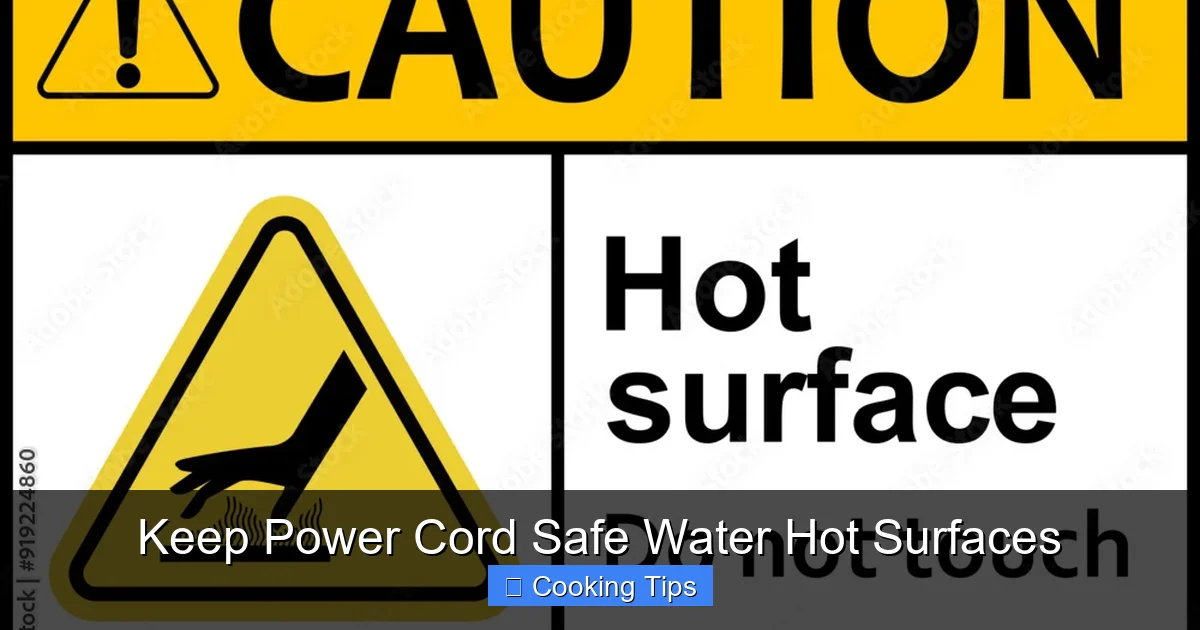
* Melting and Insulation Degradation: High temperatures, such as those from a stovetop, oven, or even a very hot appliance itself, can melt or weaken the plastic or rubber insulation of a power cord. This exposes the internal wires, making them vulnerable to damage and increasing the risk of electric shock and short circuits.
* Fire Risk: When insulation melts, the exposed wires can come into contact, creating sparks and heat. If these exposed wires touch flammable materials like paper towels, curtains, or wooden cabinets, a fire can quickly start.
* Appliance Damage: Heat can also damage the internal components of the cord itself, leading to an incomplete circuit, flickering power, or complete failure of the appliance.
Step-by-Step Guide to Keeping Your Power Cords Safe
Visual guide about Keep Power Cord Safe Water Hot Surfaces
Image source: as1.ftcdn.net
Now that we understand the risks, let’s implement practical strategies to mitigate them. Safety isn’t just about knowing the dangers; it’s about proactively preventing them.
Step 1: Strategic Appliance Placement – The Foundation of Safety
Visual guide about Keep Power Cord Safe Water Hot Surfaces
Image source: as1.ftcdn.net
The simplest way to keep cords away from hazards is to ensure they are never near them in the first place. This starts with thoughtful appliance placement.
H3: Proximity to Water Sources
* Sink and Dishwasher Zones: Always position small appliances like toasters, blenders, mixers, and coffee makers at a safe distance from your sink and dishwasher. Avoid placing them directly in front of the sink or where splashing is common. A good rule of thumb is to keep them at least a foot or two away, especially if you have young children who might play near water.
* Countertop Configuration: When setting up your kitchen workspace, plan where your appliances will live. If your outlets are near the sink, consider using extension cords that are specifically rated for kitchen use and are routed away from the immediate water splash zone. However, it’s always best to avoid relying on extension cords if possible.
* Dish Drying Areas: Be mindful of where you place wet dishes to dry. Ensure that any power cords are not dangling over the drying rack or in the path of dripping water.
H3: Clearance from Hot Surfaces
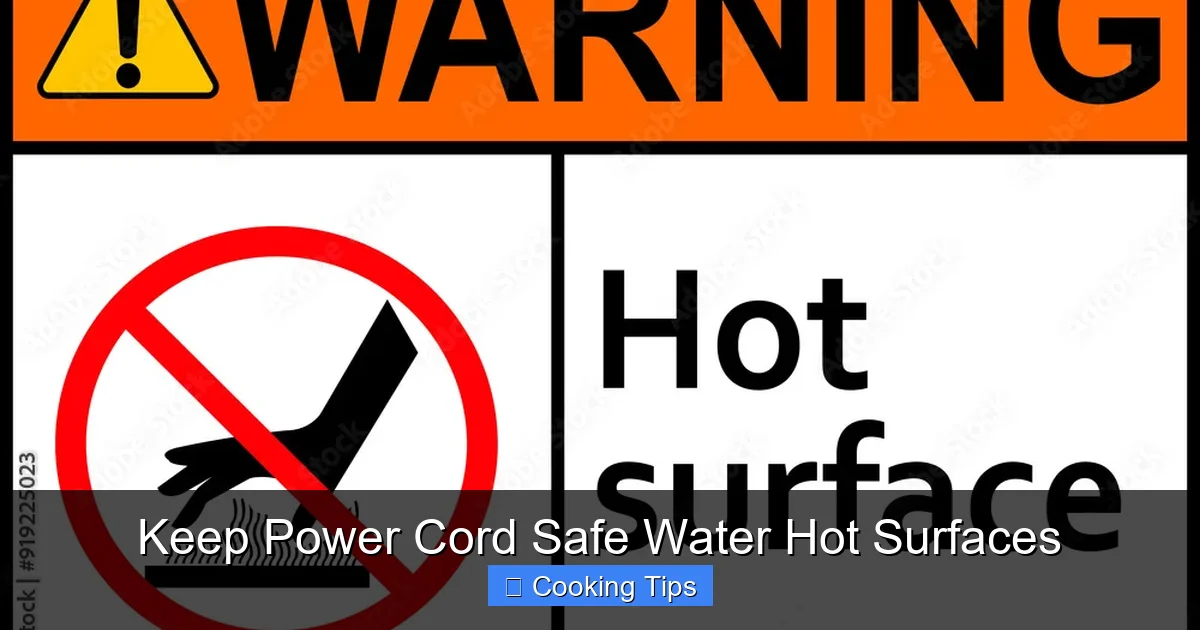
* Stovetops and Ovens: This is critical. Never place appliances or their cords near the stovetop or oven, especially when they are in use. The heat radiating from these appliances can easily damage cords. Ensure there’s a significant buffer zone. Even when not in use, an oven can retain heat for a while.
* Toasters and Grills: These appliances get very hot. Keep their cords clear of the appliance itself and any hot surfaces they might be near. Don’t let the cord drape over the side of a counter where it could brush against a hot toaster.
* **Microwaves and Other Heating Appliances:** While less intense than a stovetop, microwaves and other heating appliances also generate heat. Position their cords so they don’t touch the appliance’s exterior, particularly around vents where heat is released.
Step 2: Effective Cord Management – Tidy is Safe
Visual guide about Keep Power Cord Safe Water Hot Surfaces
Image source: static.vecteezy.com
Once your appliances are in their safe zones, managing the cords themselves becomes paramount. Loose, dangling cords are a hazard waiting to happen.
H3: Securing and Bundling Cords
* **Cable Ties and Straps:** Use Velcro cable ties, zip ties (loosely applied so they can be removed), or reusable cord wraps to bundle excess cord length. This prevents them from sprawling across the counter or floor.
* **Cable Clips and Holders:** Invest in adhesive cable clips or cord holders that can be attached to the underside of cabinets or the back of countertops. These keep cords neatly tucked away and prevent them from hanging down.
* **Avoid Over-Bundling:** While tidiness is good, don’t wrap cords too tightly, especially if they are connected to an appliance that generates heat. This can trap heat and potentially damage the cord.
H3: Routing Cords Safely
* **Behind Appliances:** Whenever possible, route cords behind appliances rather than letting them hang freely. Ensure there’s still enough space for ventilation if the appliance requires it.
* **Along Walls and Cabinets:** Use cable clips to run cords along the base of cabinets or the backsplash, keeping them out of the main workspace and away from potential spills or splashes.
* **Avoid Tripping Hazards:** Never let cords lie across walkways or floors where they can be tripped over. This is especially important in a busy kitchen.
Step 3: Regular Inspection – Proactive Protection
Even with the best placement and management, power cords can wear out over time. Regular checks are non-negotiable.
H3: What to Look For
* **Fraying and Fissures:** Examine the entire length of the cord, paying close attention to the areas near the plug and the appliance connection. Look for any signs of fraying, exposed wires, or cracks in the insulation.
* **Melted Sections:** Check for any discoloration or melted-looking spots on the cord, especially near where it connects to the appliance or the plug. This is a clear indicator of heat damage.
* **Bent or Damaged Plugs:** Ensure the plug is intact, with no bent pins or cracked casing. A damaged plug can create poor connections and pose a shock risk.
* **Stiff or Brittle Cords:** Over time, some cord materials can become stiff or brittle, increasing the likelihood of cracking.
H3: What to Do If You Find Damage
* Immediately Unplug: If you find any damage to a power cord, unplug the appliance immediately. Do not use the appliance until the cord is repaired or replaced.
* **Replacement is Key:** For most home users, replacing a damaged power cord is the safest and most practical solution. Most small appliances have readily available replacement cords. If you’re unsure how to replace it, consult the appliance’s manual or contact the manufacturer.
* **Professional Repair for Integrated Cords:** Some appliances have cords that are permanently integrated. If such a cord is damaged, it’s best to seek professional repair services or consider replacing the appliance, as attempting DIY repairs on integrated cords can be dangerous.
* **Discard Damaged Cords:** Never try to “fix” a damaged cord with tape. Tape is not designed to insulate electrical wires and will not provide a safe solution. Discard the cord and the appliance if it cannot be safely repaired.
Step 4: Smart Appliance Usage – Habits Make Safety
Your daily habits around your kitchen appliances play a significant role in cord safety.
H3: Unplugging After Use
* **The “When Not In Use” Rule:** Get into the habit of unplugging appliances when they are not in use, especially those that don’t need to be constantly plugged in (like toasters, blenders, etc.). This eliminates the risk of a damaged cord being live.
* **Cool Down Period:** Allow appliances to cool down completely before unplugging and storing them, particularly those that generate significant heat. This prevents heat from transferring to the cord during storage.
H3: Avoiding Overloading Outlets
* One Appliance Per Outlet (Ideally): While kitchen appliances are often plugged into multi-outlet power strips, be mindful of the total wattage. Overloading an outlet can cause the cord to overheat, increasing fire risk. Consult the appliance’s manual or the power strip’s rating for safe usage.
* **Quality Power Strips:** Use surge protectors or power strips that are UL-listed and designed for the type of appliances you are using.
Step 5: Mindful of Steam and Condensation
Beyond direct water spills, steam and condensation can also pose a threat.
H3: Vents and Moisture
* **Appliance Vents:** Be aware of where steam or hot air vents from appliances. Ensure that power cords are not routed directly in front of these vents, as the moisture and heat can cause damage over time.
* **Countertop Dryness:** Regularly wipe down countertops, especially around sinks and dishwashers, to remove any residual moisture. A dry surface is a safer surface for electrical cords.
* **Dishwasher Usage:** When your dishwasher is running, steam can escape from the door seal. Keep appliance cords away from the dishwasher during its operation.
Troubleshooting Common Cord Issues
Sometimes, you might encounter minor issues with your cords. Here’s how to address them safely.
H3: Flickering Power or Intermittent Operation
* **Cause:** This is often a sign of a loose connection or internal damage within the cord.
* **Solution:** First, check if the plug is fully seated in the outlet. If it is, inspect the cord for any visible damage. Try gently wiggling the cord near the plug and the appliance connection (with the appliance off). If the flickering stops when you move it a certain way, it indicates damage and the cord needs replacement.
H3: Appliance Smells “Burnt”
* **Cause:** This is a serious warning sign, often indicating overheating due to a damaged cord, a faulty appliance, or an overloaded outlet.
* **Solution:** **Immediately unplug the appliance.** Do not use it again until the source of the problem is identified and resolved. Inspect the power cord and the outlet for any signs of melting or burning. If the cord appears damaged or melted, it must be replaced. If the issue persists or you can’t identify the cause, it’s best to consult a qualified electrician or consider replacing the appliance.
Conclusion: A Safer Kitchen is a Happier Kitchen
Mastering the art of keeping power cords away from water and hot surfaces is an indispensable skill for any home chef. It’s not about being overly cautious; it’s about being informed and proactive. By implementing strategic appliance placement, employing effective cord management techniques, conducting regular inspections, and adopting smart usage habits, you can significantly reduce the risks of electrical hazards in your kitchen.
Remember, these simple steps are the building blocks of a safe cooking environment. A little attention to detail goes a long way in preventing accidents, protecting your appliances, and ensuring that your time in the kitchen is always enjoyable and, most importantly, safe. So, take a moment today to assess your kitchen’s cord safety and make the necessary adjustments. Your peace of mind, and potentially your safety, will thank you for it.
