

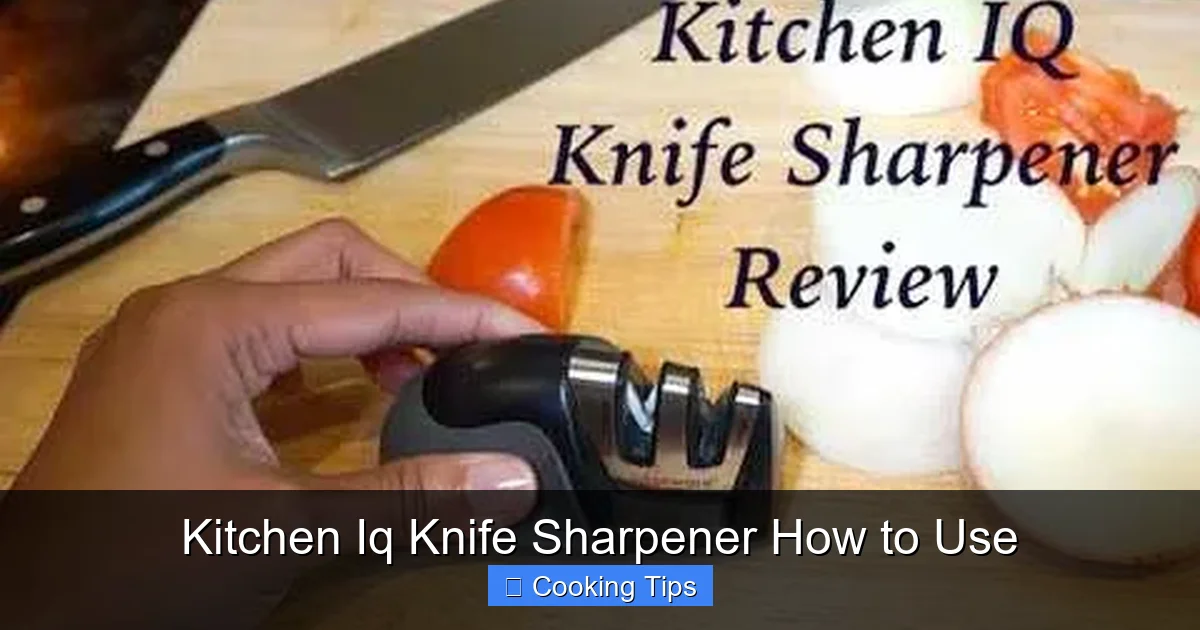
Learn how to effectively use your KitchenIQ knife sharpener to bring your dull knives back to life. This comprehensive guide covers everything from preparation to sharpening techniques and maintenance, ensuring you can achieve a razor-sharp edge with ease. By following these simple steps, you’ll enhance your cooking experience and improve kitchen safety.
Key Takeaways
- Understand Your Sharpener: Familiarize yourself with the different slots (coarse, fine, ceramic) and their purpose for optimal sharpening.
- Proper Knife Grip: Learn the correct way to hold your knife to ensure safety and consistent sharpening angles.
- Gentle but Firm Pressure: Apply moderate, even pressure throughout the sharpening process for best results without damaging the blade.
- Alternating Strokes: Sharpen each side of the blade alternately to maintain an even edge.
- Cleanliness is Key: Always clean your knife and sharpener after use to prevent rust and ensure longevity.
- Regular Maintenance: Develop a routine for sharpening your knives to keep them in top condition.
- Troubleshooting Common Issues: Address problems like nicks or uneven edges with the appropriate sharpening techniques.
KitchenIQ Knife Sharpener: How to Use for Razor-Sharp Blades
Welcome to your ultimate guide on mastering the KitchenIQ knife sharpener! In 2026, we’re all about efficiency and safety in the kitchen. A dull knife isn’t just frustrating; it’s dangerous. It requires more force, increasing the risk of slips. Fortunately, with the right tools and techniques, you can easily restore your favorite knives to their former glory. This guide will walk you through everything you need to know to get the best results from your KitchenIQ sharpener. You’ll learn how to prepare your knife, the correct sharpening motions, and how to maintain your sharpener for years of reliable performance. Let’s get your knives cutting like new again!
Understanding Your KitchenIQ Knife Sharpener
Visual guide about Kitchen Iq Knife Sharpener How to Use
Image source: thelittlekitchen.net
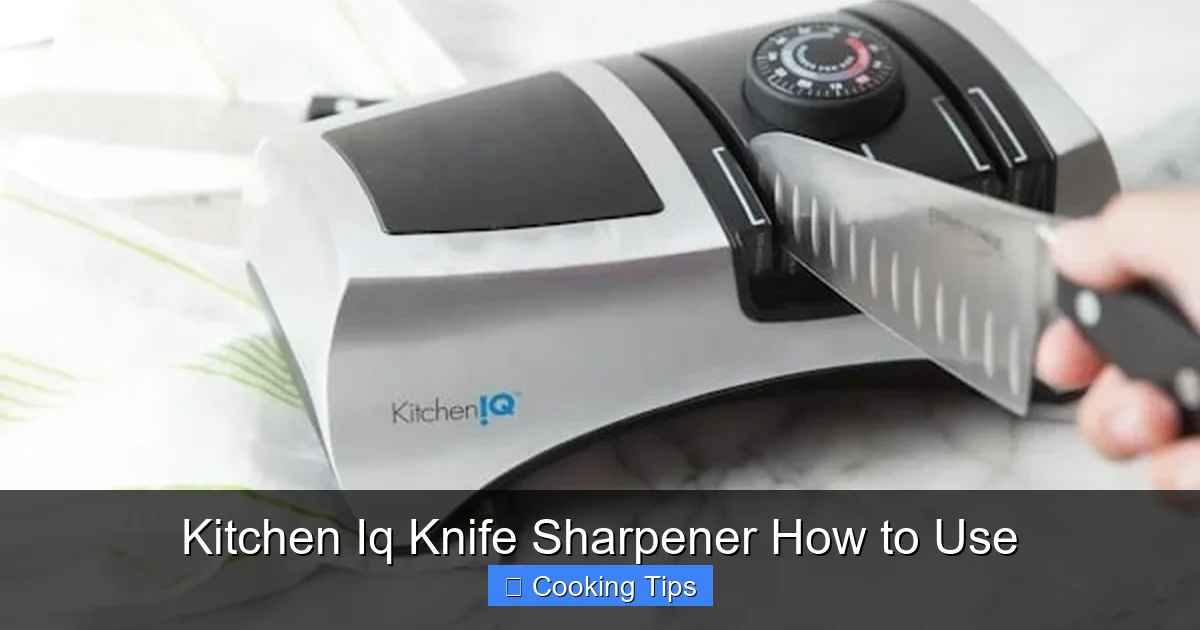
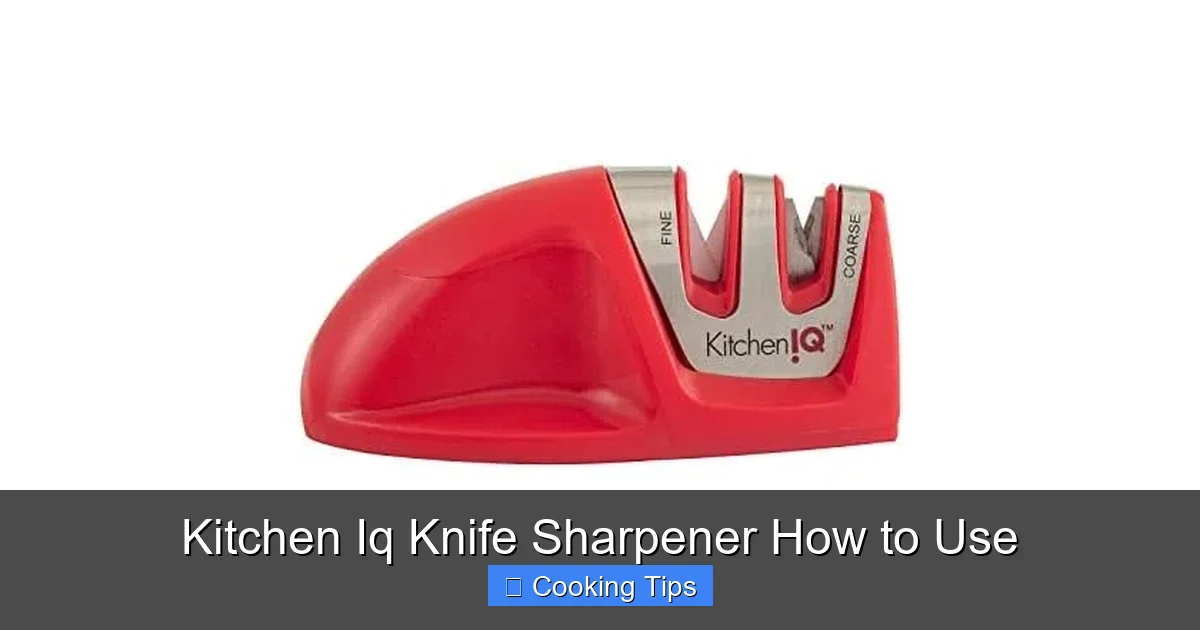
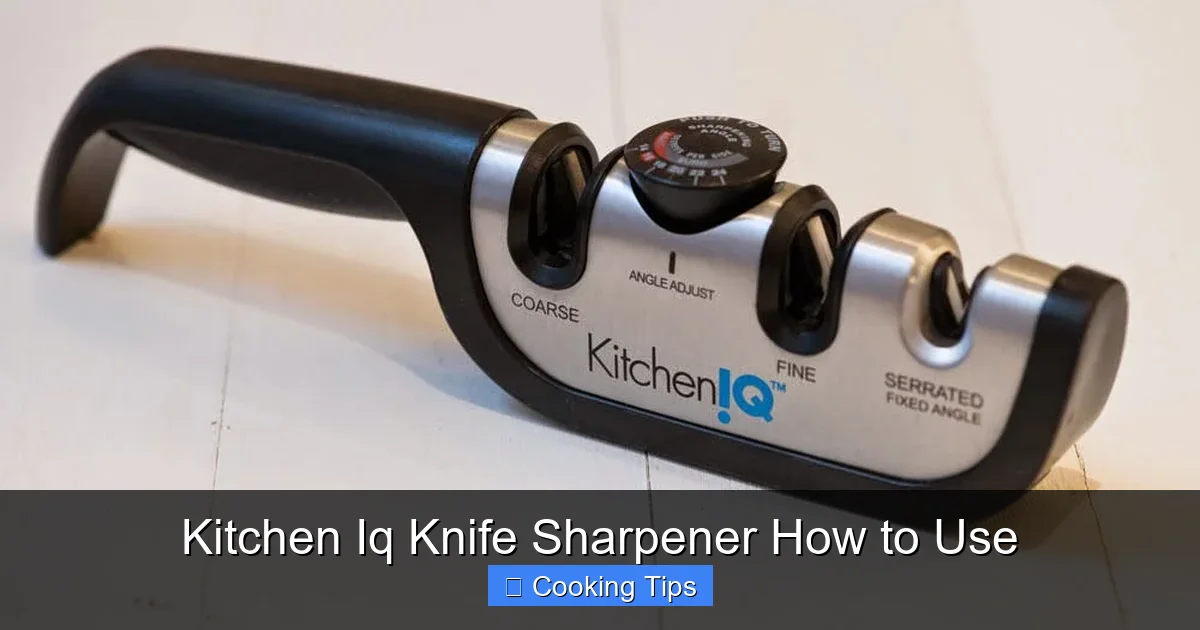
Before you start sharpening, it’s crucial to understand the different parts of your KitchenIQ knife sharpener. Most KitchenIQ models feature multiple slots, each designed for a specific stage of the sharpening process.
The Coarse Slot (Often labeled “Coarse” or “1”)
This slot is equipped with abrasive materials, usually carbide, designed to repair and reshape a dull or damaged blade. Use this slot sparingly, as it removes more metal than the other slots. It’s ideal for knives that are very dull, have small nicks, or haven’t been sharpened in a long time.
The Fine Slot (Often labeled “Fine” or “2”)
This slot contains finer abrasive materials, typically ceramic or diamond-impregnated plates. Its purpose is to hone and refine the edge created by the coarse slot. It smooths out any imperfections and gives your knife a sharp, polished edge.
The Ceramic Slot (Often labeled “Ceramic” or “3”)
Many KitchenIQ sharpeners also include a ceramic slot. This is for final honing and maintenance. It polishes the edge to a razor-sharp finish and is excellent for keeping already sharp knives at their peak performance between more aggressive sharpening sessions.
Preparing Your Knife and Workspace
Visual guide about Kitchen Iq Knife Sharpener How to Use
Image source: images-na.ssl-images-amazon.com
Safety and preparation are paramount when sharpening knives. A few simple steps will ensure a smooth and effective sharpening experience.
Clean Your Knife
Always start with a clean knife. Wash your knife thoroughly with soap and warm water to remove any food particles or grease. Dry it completely with a clean towel. A clean blade ensures that no debris interferes with the sharpening process and prevents contamination.
Gather Your Supplies
You’ll need your KitchenIQ knife sharpener and your knife. Ensure the sharpener is placed on a stable, flat surface. You might want a damp cloth or paper towel handy for wiping down the blade between passes if needed, and for cleaning up afterward.
Stabilize the Sharpener
Most KitchenIQ sharpeners have a non-slip base. Make sure this base is firmly in contact with your countertop or work surface. If your sharpener doesn’t have a strong non-slip base, you can place a slightly damp cloth under it to prevent it from sliding around.
The Sharpening Process: Step-by-Step
Visual guide about Kitchen Iq Knife Sharpener How to Use
Image source: ourgffamily.com
Now that you’re prepared, let’s dive into the actual sharpening. Remember to work slowly and deliberately.
Step 1: Using the Coarse Slot (If Needed)
Only use the coarse slot if your knife is significantly dull or has minor damage.
Insert the Knife
Hold the handle of your knife firmly. Place the heel of the blade (the part closest to the handle) into the coarse slot at the angle recommended by the manufacturer or the natural angle of your knife.
Pull Through the Slot
Apply gentle but firm, consistent downward pressure. Pull the knife towards you through the slot, maintaining the angle. You should feel a slight resistance.
Repeat for Both Sides
Complete 3-5 passes through the coarse slot, alternating sides. For example, pull through once on the right side, then once on the left side. This helps to create a balanced edge. Don’t overdo it; the goal is to just remove any damage or significant dullness.
Step 2: Using the Fine Slot
This is where you begin to create a usable edge.
Insert the Knife
Place the heel of the blade into the fine slot, again maintaining the correct angle.
Pull Through the Slot
Apply light to moderate, consistent pressure. Pull the knife towards you through the slot. You’ll feel less resistance than in the coarse slot.
Repeat for Both Sides
Make 5-10 passes through the fine slot, alternating sides. As you progress, the blade will start to feel sharper.
Step 3: Using the Ceramic Slot (For Honing and Polishing)
This final step refines the edge and makes it incredibly sharp.
Insert the Knife
Place the heel of the blade into the ceramic slot.
Pull Through the Slot
Use very light pressure. Pull the knife through the slot. The ceramic rods are for polishing, not aggressive sharpening.
Repeat for Both Sides
Make 10-15 alternating passes through the ceramic slot. This will hone the edge to its sharpest potential and give it a mirror-like finish.
Testing for Sharpness
After you’ve completed all the slots, it’s time to test your knife. A simple test is to try slicing a piece of paper. If the knife cuts through the paper cleanly without snagging or tearing, it’s sharp. If it’s still not sharp enough, repeat the passes in the fine and ceramic slots.
Tips for Optimal Sharpening
To get the most out of your KitchenIQ knife sharpener, keep these tips in mind:
* Maintain the Angle: This is perhaps the most critical part. Most kitchen knives are best sharpened at a 15-20 degree angle. Your KitchenIQ sharpener is designed with pre-set angles, so simply ensure the blade enters the slot correctly.
* Consistent Pressure: Avoid jerky movements. Apply even pressure throughout the pull.
* Slow and Steady: Don’t rush the process. Take your time with each pass. This ensures you get a uniform edge.
* Listen to Your Knife: You’ll feel the difference as the knife sharpens. Less resistance in the fine and ceramic slots indicates a finer edge.
* Work from Heel to Tip: As you pull the knife through the slot, try to angle it slightly so that the entire length of the blade, from heel to tip, makes contact with the abrasive material. This ensures an even sharpening across the entire edge.
* Know When to Stop: Over-sharpening can wear down your knife quickly. Once your knife passes the paper test, it’s sharp enough for most kitchen tasks.
Maintaining Your KitchenIQ Knife Sharpener
Just like your knives, your sharpener needs a little care to perform at its best.
Cleaning the Sharpener
After each use, wipe down your knife sharpener with a damp cloth to remove any metal filings. For a more thorough cleaning, you can use a soft brush to dislodge any stubborn particles from the slots. Ensure the sharpener is completely dry before storing it.
Checking for Wear
Periodically inspect the abrasive slots. If you notice excessive wear or damage to the sharpening surfaces, it might be time to consider replacing the sharpener. However, for most home users, a KitchenIQ sharpener will last for many years.
Storage
Store your knife sharpener in a dry place, away from excessive moisture, which can lead to rust on metal components.
Troubleshooting Common Sharpening Issues
Even with the best tools, you might encounter a few hiccups. Here’s how to address them.
Issue: The Knife Still Feels Dull After Sharpening
* Possible Cause: Insufficient passes, inconsistent pressure, or incorrect angle.
* Solution: Ensure you’re making enough alternating passes in the fine and ceramic slots. Try to maintain a consistent, gentle pressure. Re-evaluate the angle at which you’re inserting the blade. If you started with the coarse slot and didn’t use it enough, go back and make a few more passes there before returning to the fine and ceramic slots.
Issue: The Knife Has Small Nicks or Chips
* Possible Cause: The coarse slot might not have been used enough, or the nick is deeper than the sharpener can easily repair.
* Solution: Spend more time with the coarse slot, focusing on the area with the nick. You might need to make multiple passes on that specific section of the blade. For very deep nicks, you might need to consult a professional knife sharpener or a more heavy-duty sharpening system. However, for most minor nicks, persistent use of the coarse slot should help.
Issue: The Edge Feels Rough or Uneven
* Possible Cause: Inconsistent pressure or angle during sharpening.
* Solution: Focus on maintaining a steady hand and uniform pressure through all slots. Try using lighter pressure in the fine and ceramic slots to smooth out any roughness. You might need to make a few extra alternating passes in the ceramic slot to polish the edge to a finer finish.
Conclusion
Using a KitchenIQ knife sharpener is a straightforward process that can dramatically improve your cooking experience. By understanding its different slots, preparing your workspace, and following the step-by-step sharpening guide, you’ll be able to maintain a collection of beautifully sharp knives. Remember to be patient, consistent, and to clean your tools after each use. With regular sharpening, your knives will be a joy to use, making meal preparation safer and more enjoyable. Happy chopping in 2026!
