


This guide emphasizes the crucial step of allowing your coffee maker to cool completely before cleaning. Doing so ensures user safety, preventing burns from hot components and liquids. It also protects the delicate parts of your coffee maker from potential damage caused by thermal shock. By following these simple steps, you can maintain your appliance and enjoy consistently delicious coffee for years to come.
Let the Coffee Maker Cool Before Cleaning
The aroma of freshly brewed coffee is often the best part of our morning. But after that last delicious drop, what do you do with your trusty coffee maker? For many, the instinct is to give it a quick rinse. However, there’s a vital step often overlooked: letting your coffee maker cool down before you even think about cleaning it. This simple act of patience is not just a suggestion; it’s a critical safety measure and a key to maintaining your appliance’s lifespan.
In 2026, with advancements in coffee technology and a growing appreciation for mindful living, understanding the nuances of appliance care is more important than ever. This comprehensive guide will walk you through why allowing your coffee maker to cool before cleaning is essential, and provide you with easy-to-follow steps to do it safely and effectively. We’ll cover everything from preventing burns to protecting your investment, ensuring your coffee maker continues to brew perfect cups for years to come.
Key Takeaways
- Safety First: Always unplug your coffee maker and allow it to cool down completely to avoid severe burns from hot surfaces and residual water.
- Component Protection: Cooling prevents thermal shock, which can warp or crack plastic and glass components of your coffee maker.
- Effective Cleaning: A cooled coffee maker makes it easier and safer to handle and clean parts thoroughly, ensuring better hygiene and performance.
- Regular Maintenance: Incorporating this cooling step into your cleaning routine contributes to the longevity and optimal functionality of your coffee maker.
- Preventative Care: Understanding the importance of cooling helps you avoid costly repairs and premature replacement of your appliance.
Why Letting Your Coffee Maker Cool Is Crucial
It might seem obvious to some, but the heat generated by brewing coffee is significant. This heat lingers in the water reservoir, the heating element, the carafe, and even the brew basket. Jumping into cleaning while these parts are still hot can lead to a few undesirable outcomes. Let’s break down the main reasons why patience is a virtue when it comes to cleaning your coffee maker.
The Importance of User Safety
The most immediate and significant reason to let your coffee maker cool is to prevent burns. Hot water, steam, and heated metal or plastic surfaces can cause serious injury. Imagine accidentally touching the still-hot carafe or getting splashed by residual hot water when you try to remove the brew basket. These scenarios are not only painful but can also lead to immediate medical attention.

Visual guide about Let the Coffee Maker Cool Before Cleaning
Image source: luxarts.net
Hot Water Hazards
The water in the reservoir and that which has just passed through the heating element remains extremely hot for a considerable time after brewing. Attempting to empty or clean the reservoir or carafe while it’s still full of hot water is a recipe for disaster. Always assume there’s residual hot water and steam present until the machine has cooled.
Heated Component Risks
The heating element, usually located at the base of the coffee maker, gets incredibly hot during the brewing cycle. Likewise, the metal plate that keeps the carafe warm is designed to retain heat. These components, if touched while still hot, can cause severe burns. Allowing them to cool down removes this immediate danger.
Protecting Your Coffee Maker’s Components
Beyond personal safety, allowing your coffee maker to cool is vital for the health of the appliance itself. Rapid temperature changes, known as thermal shock, can damage various parts. This is particularly true for materials like plastic and glass, which are common in coffee makers.

Visual guide about Let the Coffee Maker Cool Before Cleaning
Image source: luxarts.net
Preventing Warping and Cracking
Plastic components, such as the brew basket, the lid of the water reservoir, and even the outer casing, can warp or crack if exposed to sudden, extreme temperature differences. For example, pouring cold water into a still-warm reservoir or washing a hot carafe with cold water can cause stress on the material. Over time, this can lead to malformed parts that don’t fit correctly or even break entirely. A cooled-down coffee maker allows these parts to return to ambient temperature gradually, minimizing stress.
Safeguarding the Glass Carafe
Glass carafes are particularly susceptible to thermal shock. The thin glass can easily crack or shatter if subjected to rapid temperature changes. Washing a hot glass carafe with cold water is a common way this damage occurs. Letting the carafe cool to room temperature significantly reduces the risk of breakage, saving you from having to replace it prematurely.
Enhancing Cleaning Effectiveness
While safety and protection are paramount, allowing your coffee maker to cool also makes the cleaning process itself more effective and enjoyable. When components are cool, you can handle them with greater ease and precision, ensuring a more thorough clean.
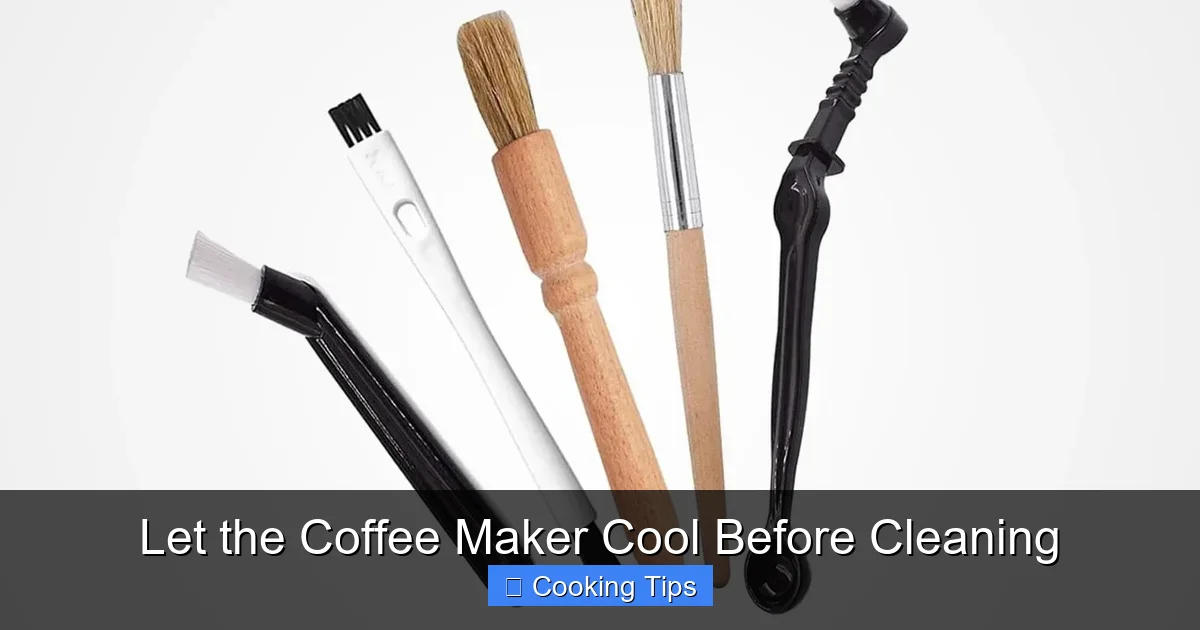
Visual guide about Let the Coffee Maker Cool Before Cleaning
Image source: ezonedeal.com.au
Easier Handling and Access
Once cooled, you can comfortably remove all the removable parts, such as the brew basket, filter holder, and carafe, without worrying about burning your fingers. This allows you to reach all the nooks and crannies, ensuring no coffee grounds or residue are left behind. A clean coffee maker brews better-tasting coffee.
Thorough Rinsing and Scrubbing
With cool components, you can take your time rinsing them under running water or scrubbing them with a sponge or brush. This thoroughness is essential for removing stubborn coffee oils and mineral deposits that can build up over time. These deposits can affect the taste of your coffee and even clog your machine.
How to Safely Let Your Coffee Maker Cool
Now that you understand the ‘why,’ let’s move on to the ‘how.’ Letting your coffee maker cool down is a simple process, but it requires a bit of awareness and patience. Here are the steps to follow:
Step 1: Turn Off and Unplug
This is the very first and most important step. As soon as you’ve finished brewing your last cup and the coffee maker is no longer actively in use, turn it off. For added safety, unplug the appliance from the power outlet. This eliminates any residual electrical activity and further ensures that no heating elements remain active.
Why Turn Off?
Even if the brewing cycle has finished, many coffee makers have a “keep warm” function that maintains the heat of the plate beneath the carafe. Turning off the machine deactivates this function. If your model doesn’t have an auto-shutoff, this step is even more critical.
Why Unplug?
Unplugging provides an extra layer of safety, especially if you’re unsure about whether the machine has completely powered down or if there’s a chance of a short circuit. It also signals to you that the machine is out of commission for cleaning.
Step 2: Allow Ample Cooling Time
This is where patience comes into play. The amount of time your coffee maker needs to cool will vary depending on the model and how recently it was used. However, as a general rule, aim for at least 20 to 30 minutes. For larger capacity machines or those with more robust heating elements, you might want to extend this to an hour.
Observe and Feel (Carefully!)
If you’re unsure, you can carefully (without touching directly) feel the exterior of the carafe and the warming plate. If they still feel significantly warm, the interior components are likely still hot too. The water in the reservoir is the last to cool, so give it plenty of time.
Visual Cues
Many modern coffee makers have indicator lights. If the “on” or “heating” light has turned off, it’s a good sign. However, this doesn’t always mean all components are cool to the touch. It’s best to combine this observation with a wait time.
Step 3: Safely Remove Removable Parts
Once you’re confident that the coffee maker has cooled down sufficiently, you can begin the cleaning process. Start by carefully removing the removable parts.
Carafe Handling
Grasp the handle of the carafe firmly. Even if it feels cool to the touch on the outside, there might be residual heat. Slowly lift it from the warming plate. Empty any remaining coffee. If you intend to wash it immediately, ensure it’s comfortable to handle before running cold water into it.
Brew Basket and Filter Holder
Gently lift out the brew basket and the filter holder (if it’s a separate piece). Be aware that there might be a small amount of residual hot water or steam escaping when you first lift these. Dispose of used coffee grounds and the filter.
Step 4: Clean the Components
With all the removable parts cooled and safely removed, you can now proceed with washing them. Most parts can be hand-washed with warm, soapy water. Check your coffee maker’s manual for specific instructions, as some parts might be dishwasher-safe (though hand-washing is often recommended for longevity).
Daily Cleaning
For daily cleaning, wash the carafe, brew basket, and filter holder. Use a soft sponge and mild dish soap. Rinse thoroughly and allow them to air dry completely before reassembling or placing them back into the coffee maker. Ensuring they are dry prevents mold and mildew growth.
Deeper Cleaning (Descaling)
Periodically, you’ll need to descale your coffee maker to remove mineral buildup. This usually involves running a solution of water and vinegar or a commercial descaling solution through the coffee maker. After the descaling cycle, it’s crucial to run several cycles of plain water to rinse out any remaining vinegar or descaling solution. Make sure the machine is cool before you start the descaling process and after you’ve finished rinsing with plain water.
Step 5: Clean the Exterior and Interior Surfaces
While the removable parts are being washed or drying, you can attend to the exterior of your coffee maker. Use a damp cloth to wipe down the casing. For stubborn spots, you can use a mild, non-abrasive cleaner, but ensure it’s safe for appliance exteriors.
Warming Plate
If the warming plate has any coffee stains, carefully wipe it down with a damp cloth once it’s completely cool. For burnt-on residue, you might need a non-abrasive scrubber, but again, only when it’s fully cooled.
Water Reservoir
The water reservoir can often be cleaned with a damp cloth or sponge. If you see any residue, a gentle scrub might be needed. Ensure you wipe it dry afterwards.
Step 6: Reassemble and Store
Once all components are clean and dry, and the coffee maker itself is dry, you can reassemble it. Place the brew basket back in its holder, ensure the carafe is properly seated on the warming plate, and put any other parts back in place. If you store your coffee maker between uses, ensure it’s fully dry before covering it or putting it away.
Troubleshooting Common Cooling-Related Cleaning Issues
Sometimes, despite best efforts, issues can arise. Here are a few common problems and how to address them:
Problem: Accidental Burn from Touching a Hot Part
Solution: If you accidentally touch a hot part, immediately run cool water over the affected area for at least 10-15 minutes. If the burn is severe, blistering, or covers a large area, seek medical attention. In the future, always err on the side of caution and wait longer for cooling.
Problem: Carafe or Brew Basket Warped After Cleaning
Solution: This likely indicates that the part was cleaned while too hot. If the warping is minor, you might still be able to use the part, but functionality could be compromised. If it’s significantly warped, it may need replacement. Always ensure these parts are completely cool before washing.
Problem: Coffee Tastes Off Even After Cleaning
Solution: While not directly related to cooling, this could be a sign that cleaning wasn’t thorough enough. Ensure you’re cleaning all removable parts regularly, and descaling your machine as recommended. Coffee oils can build up and turn rancid, affecting taste. A complete cool-down makes thorough cleaning easier.
Conclusion
Letting your coffee maker cool before cleaning is a simple yet profoundly important habit. It’s a small act of patience that pays significant dividends in terms of your personal safety and the longevity of your beloved coffee appliance. By incorporating this crucial step into your daily routine, you not only protect yourself from burns and prevent potential damage to your coffee maker’s components but also ensure that your machine continues to brew delicious, high-quality coffee for years to come.
In the fast-paced world of 2026, taking these mindful moments for appliance care can lead to greater satisfaction with your morning ritual. So, the next time you finish your last cup, resist the urge to dive straight into cleaning. Instead, take a moment to relax, enjoy the lingering aroma, and allow your coffee maker to cool. Your future self, and your taste buds, will thank you for it.
