

Most cooking salt mistakes come from wrong timing, wrong salt type, and poor measuring.
I’ve spent years cooking for friends, restaurant shifts, and testing at home, so I know how small salt errors ruin a dish. This article dives deep into mistakes when adding salt while cooking and shows clear, tested ways to avoid them. Expect practical tips, real examples, and easy fixes you can use tonight to improve taste, reduce waste, and control sodium without losing flavor.
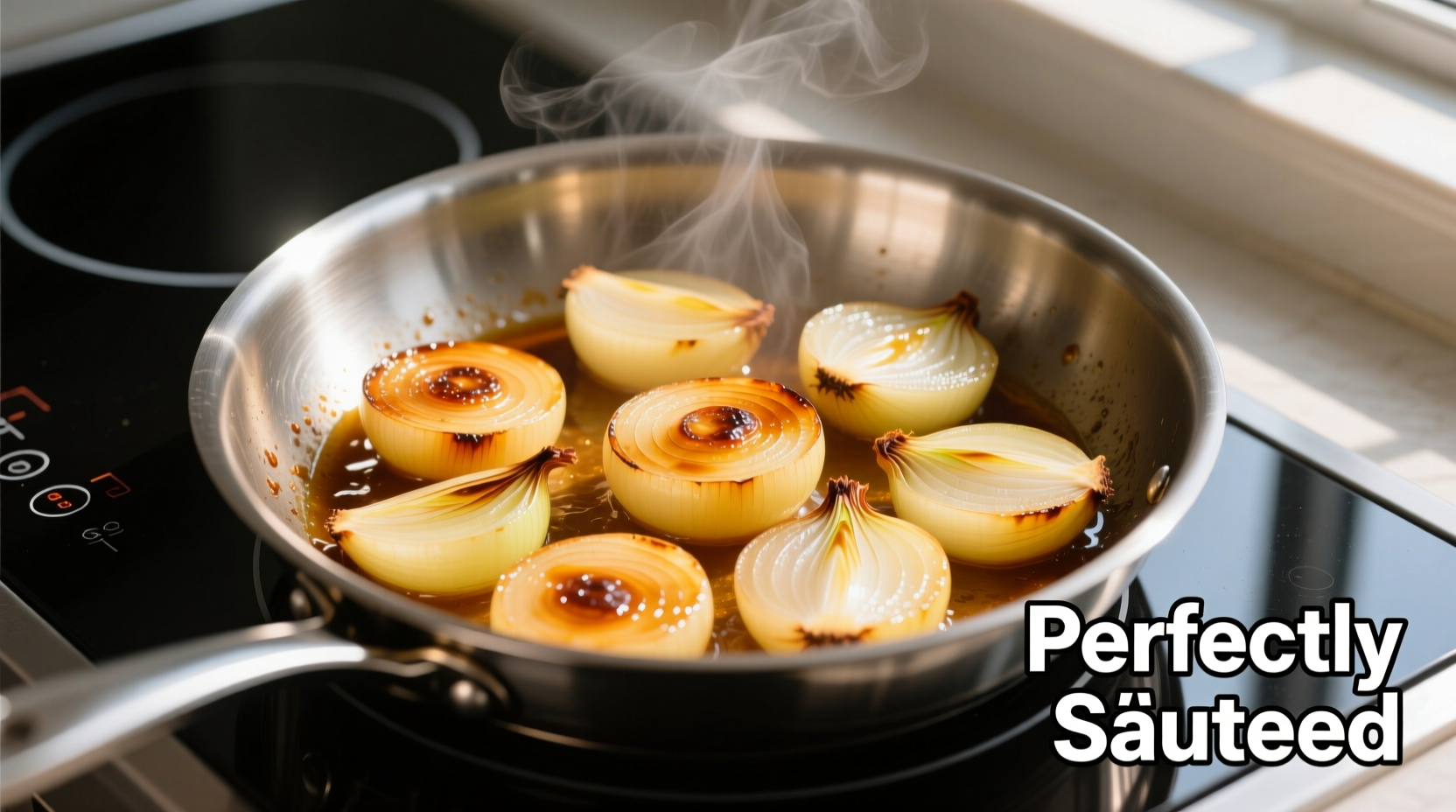
Common mistakes when adding salt while cooking
Salt seems simple. It is not. These common mistakes happen in home kitchens every day. Knowing them will save flavor and time.
- Relying on eyeballing instead of measuring. Eyeballing leads to uneven salt and big flavor swings.
- Adding all salt at the end only. Some foods need salt early to build flavor.
- Using the wrong salt type for the job. Table salt, kosher salt, and finishing salt behave very differently.
- Not tasting as you cook. Waiting until the end misses opportunities to correct balance.
- Ignoring salt distribution. Salt added in clumps creates pockets of over-salted bites.
- Confusing salt with seasoning. Salt enhances flavor; it does not always replace acid or spices.
- Over-salting to compensate for weak ingredients. That can mask freshness and texture.
I often added a big pinch too late in a stew and had to dilute it. That taught me to salt in stages and taste often. These are core ways to stop repeating mistakes when adding salt while cooking.
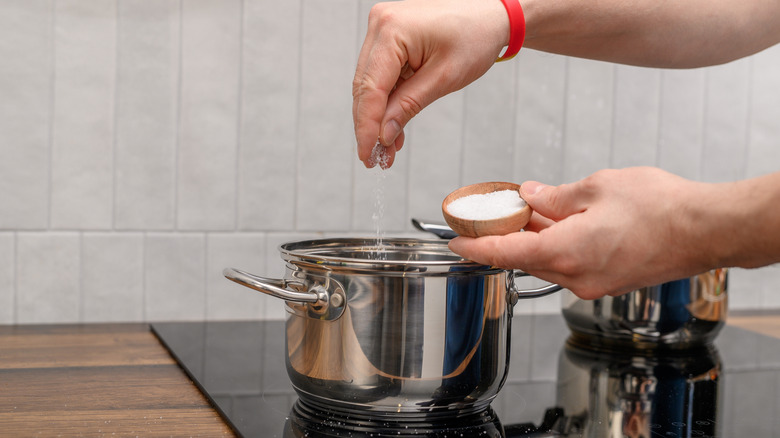
Why timing matters: when to salt
Timing changes how salt works. Salt added at different times affects texture and flavor.
- Early in cooking for depth. Salting proteins and vegetables early draws flavors and helps seasoning penetrate.
- During cooking for balance. Add moderate amounts while simmering so flavors meld and you can adjust.
- At the end for brightness. A small finishing salt can lift a dish and add texture.
For beans and legumes, salting near the start makes them cook evenly. For steak, salting 40 minutes before lets juices redistribute. These timing rules reduce common mistakes when adding salt while cooking and help you control taste.
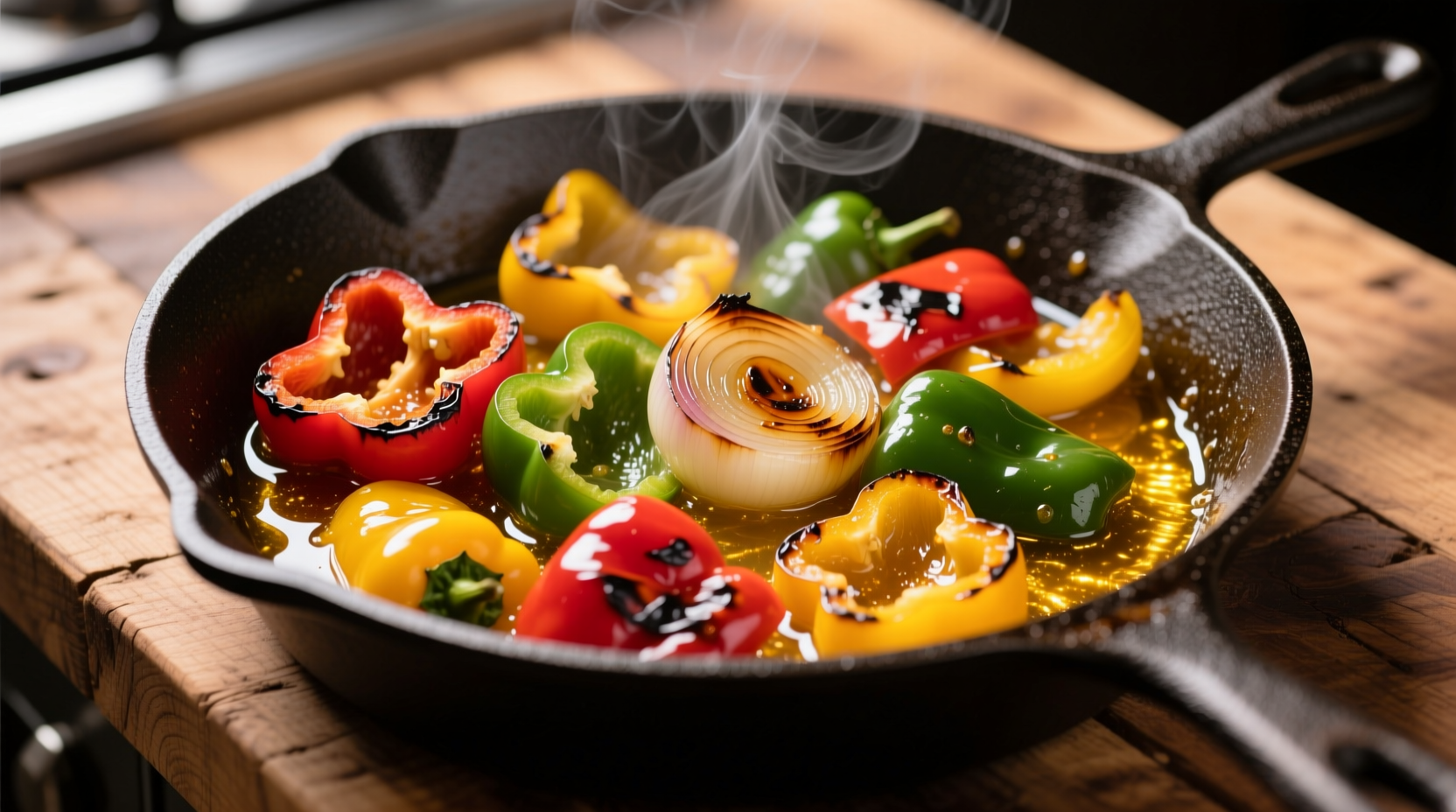
Choosing the right salt
Not all salt is equal. The grain size and additives matter a lot for measuring and taste.
- Table salt. Fine grains, often iodized and anti-caking. It measures densely, so a teaspoon has more salt than kosher salt.
- Kosher salt. Flaky or coarse grains. It pours easier and is preferred by chefs for control.
- Sea salt. Variable grain size and trace minerals. Good for finishing and subtle flavor.
- Flaky finishing salt. Large, crunchy flakes used at the end for texture and visual appeal.
A common mistake when adding salt while cooking is swapping salts by volume without adjusting. If a recipe calls for kosher salt and you use table salt by the same teaspoon measure, you will over-salt. Learn the conversion or weigh salt with a kitchen scale for accuracy.

Measuring and tasting: practical tips
Good cooks measure and taste. This prevents mistakes when adding salt while cooking.
- Use a scale. Weight gives consistency. One gram is one gram regardless of salt type.
- Measure by volume with conversions. If you only have volume, know that 1 teaspoon table salt equals about 1.7 teaspoons kosher salt (varies by brand).
- Taste at key points. Taste after cooking, not just at the end, so you can adjust.
- Salt in layers. Add small amounts at several stages rather than one big pinch.
- Stir and wait. Let salt dissolve and flavors settle for a minute before tasting again.
I keep a small measuring spoon set and a digital scale. That cut down my oversalted mistakes dramatically. These habits will help you avoid common mistakes when adding salt while cooking.

How to fix an oversalted dish
Mistakes happen. Fixing oversalted food is possible with a few tricks.
- Dilute with unsalted base. Add water, stock, or unsalted vegetables to soups and stews.
- Add acid. Lemon juice or vinegar can balance perceived saltiness. Add a little at a time.
- Add bulk. Potatoes, rice, or pasta absorb some salt. Remove them later if needed.
- Add fat or sugar. A splash of cream or small pinch of sugar can soften saltiness in sauces.
- Remove salty components. If bacon or soy sauce caused excess, remove or reduce them next time.
I once spilled soy sauce into a stir-fry. I added a splash of water, a squeeze of lime, and more vegetables. The dish recovered. These fixes reduce panic and help you learn from mistakes when adding salt while cooking.
Salt and health: balancing flavor and sodium
Salt enhances taste but too much affects health. You can aim for flavor with less sodium.
- Start with less and taste. Cut back gradually to train the palate.
- Use herbs, spices, and acids. These add depth so you rely less on salt.
- Choose lower-sodium alternatives when possible. Reduced-sodium broths and sauces help control totals.
- Use finishing salt sparingly. A small flake adds perceived saltiness with less sodium.
Research shows many people consume too much sodium. Being mindful of mistakes when adding salt while cooking helps you cut back without losing joy in food.
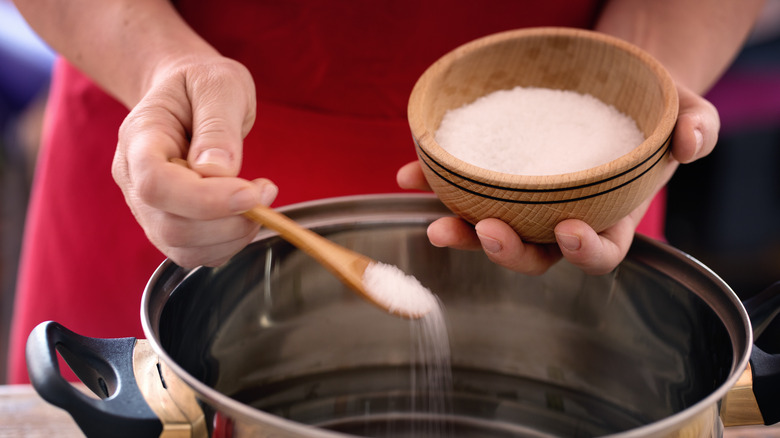
Personal experience and lessons learned
I learned key lessons from burning pans, fussy guests, and burnt dinner shifts.
- Lesson one: salt early in stages. For soups, I add salt when the base simmers and again before serving. This avoids late over-salting.
- Lesson two: know your salts. In one kitchen, swapping table salt for kosher salt ruined a batch of cookies. I now keep labeled jars.
- Lesson three: taste, then taste again. Guests tend to notice a salty bite more than a flat one. Regular tasting catches balance early.
These small changes stopped many mistakes when adding salt while cooking in my kitchens. They will work for home cooks too.
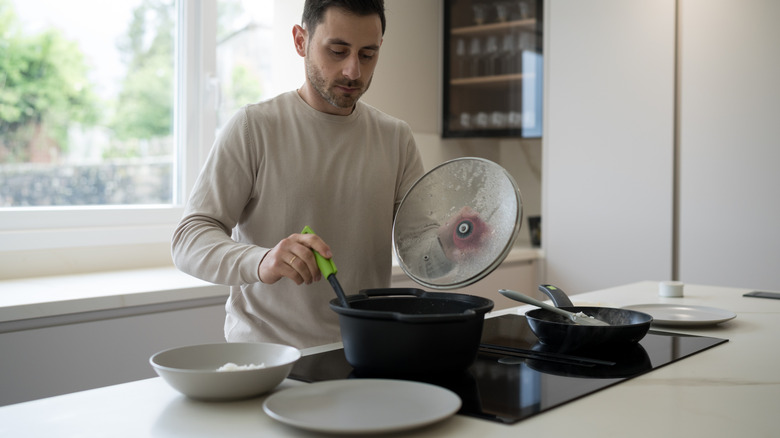
Frequently Asked Questions of mistakes when adding salt while cooking
How can I avoid over-salting my soup?
Start with less salt than the recipe suggests and salt in stages. Taste after each addition and use unsalted stock if you need to dilute.
What salt is best for seasoning meat?
Kosher salt is preferred for meat because its flakes are easy to control. For finishing, use a flaky sea salt for texture and final flavor.
Can I fix a dish that is too salty quickly?
Yes. Add unsalted liquid, bulk like potatoes, or a small amount of acid to balance flavor. Taste as you go to avoid overcompensating.
Why does table salt taste stronger than kosher salt?
Table salt has finer grains and packs more densely by volume, so a teaspoon has more salt crystals than a teaspoon of kosher salt. Adjust measurements accordingly.
When should I add finishing salt?
Add finishing salt right before serving. It gives a bright burst of flavor and a pleasant crunch without washing into the dish.
Conclusion
Salt can make or break a meal. Avoid common pitfalls by salting in stages, choosing the right salt, measuring, and tasting as you cook. When mistakes when adding salt while cooking happen, use dilution, acid, or bulk to fix them and learn for next time. Try these tips on your next meal, leave a comment with your experience, or subscribe for more practical cooking advice.
