

Common mistakes when adding spices while cooking ruin flavor and waste ingredients.
As a chef and home cook with years of hands-on experience, I’ve seen how small errors turn great meals bland or bitter. This article breaks down the most common mistakes when adding spices while cooking, explains why they matter, and gives easy fixes you can use tonight. You’ll get clear steps, quick rules, and real kitchen stories so you stop guessing and start seasoning with confidence.
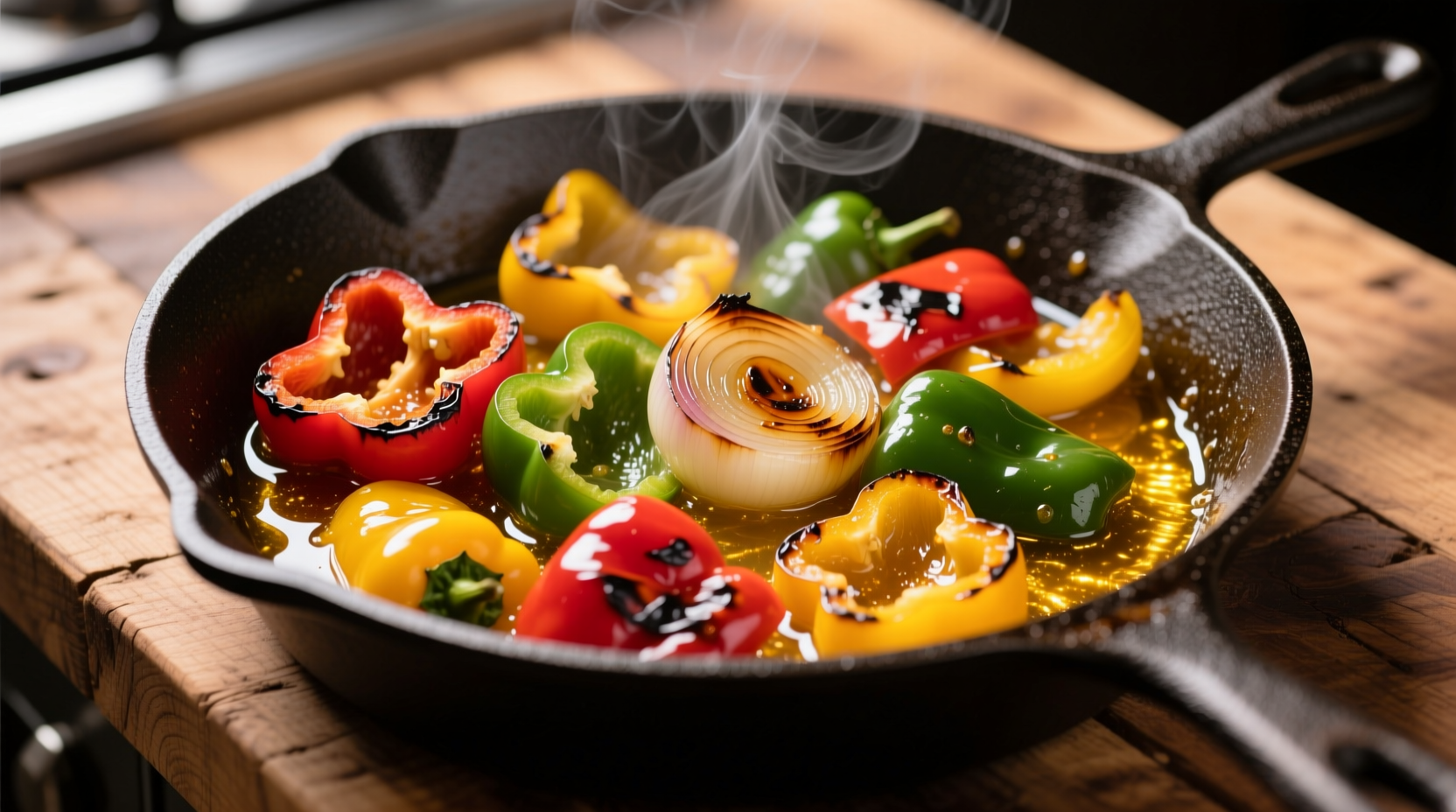
Why spices matter — and how errors cost flavor
Spices are the voice of a dish. They add depth, aroma, and balance. When you get spices wrong, you lose complexity and can overpower or underwhelm a recipe. Knowing the common mistakes when adding spices while cooking helps you control heat, timing, and texture. This saves money and improves flavor every time.
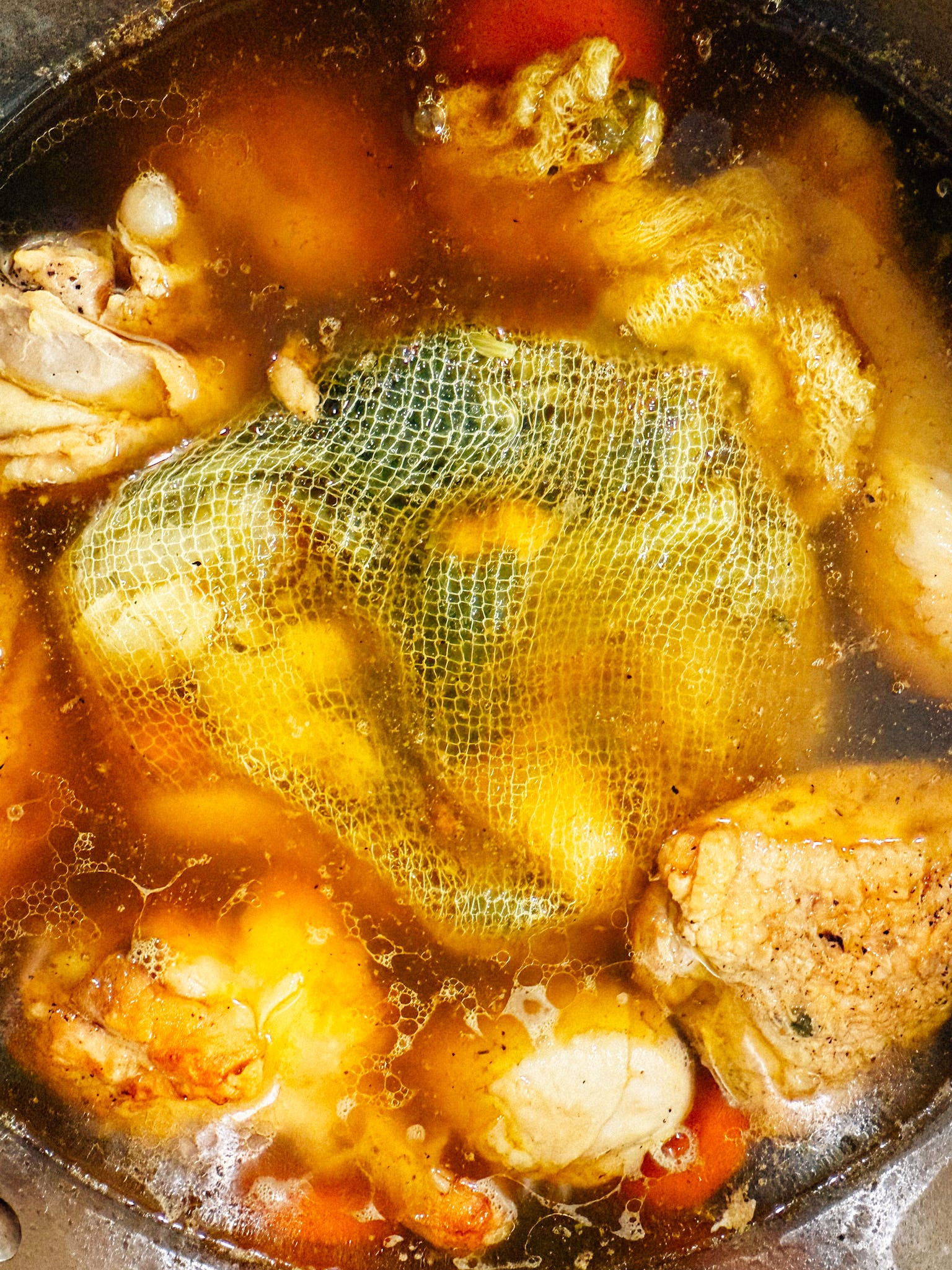
Top 12 mistakes when adding spices while cooking
- Adding all spices at once without considering timing — different spices release flavor at different stages.
- Using too much of a strong spice early — can make a dish bitter or one-note.
- Skipping the toasting or blooming step — raw spices taste flat.
- Measuring by eye instead of using tools — inconsistency leads to overeating or under-seasoning.
- Adding salt last and assuming spices will fix it — salt unlocks spice flavors and controls perception.
- Using old or stale spices — they lose aroma and punch over time.
- Relying only on powdered forms for everything — fresh herbs and whole spices often taste better.
- Not tasting as you go — you can’t adjust if you don’t taste.
- Confusing spice balance with heat balance — spicy is not always flavorful.
- Ignoring complementary pairings — some spices clash if used together without care.
- Overcomplicating blends — too many spices hide the main ingredient.
- Pouring whole spices directly into oil without controlling temperature — some burn and turn bitter.
Each of these mistakes when adding spices while cooking has a clear fix. Small changes in timing and technique make a big difference in outcome.
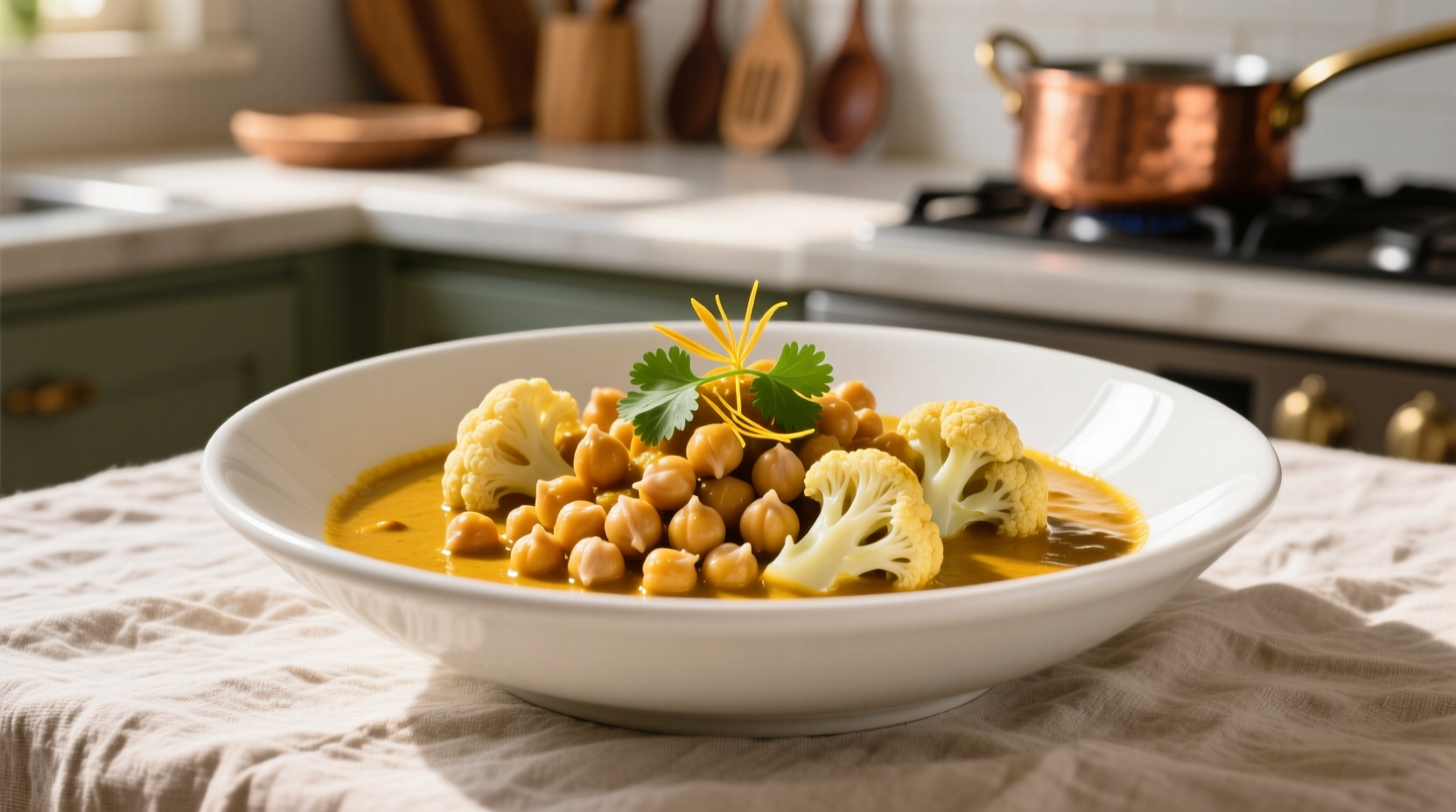
How to fix and prevent these spice mistakes
- Bloom spices in oil for 10–30 seconds over medium heat to release oils and aroma.
- Add delicate herbs at the end and hard spices early. This prevents loss or overcooking.
- Use measuring spoons for spices until you learn exact amounts that work for your palate.
- Taste at every stage: raw, midway, and near the end.
- Replace spices every 6–12 months and store them away from heat and light.
- Use whole spices when possible and grind them close to cooking time.
- Salt early and adjust later. Salt helps lift spice flavors throughout cooking.
- Start with less, and add more in small increments. You can always add, but you can’t remove.
- Learn classic pairings — cumin with coriander, cinnamon with cardamom, and bay leaf with beans.
- Keep a simple spice pantry to avoid overcomplicating dishes.
Implementing these fixes prevents the most common mistakes when adding spices while cooking. Small habits yield consistent meals.
 practical rules”
style=”max-width: 100%; height: auto; border: 2px solid black; border-radius: 10px; display: block; margin: 0 auto;”
loading=”lazy”
/>
Spice timing and heat: practical rules
- Use low to medium heat to bloom spices. High heat burns them.
- Toast whole spices in a dry pan until fragrant. Cool, then grind.
- Add ground spices near the end for bright flavor unless the recipe calls for early addition.
- Simmer long-cooking dishes with whole spices to extract flavor over time.
- Add fresh, delicate herbs after cooking to preserve aroma.
Timing is one of the top areas people get wrong. Master timing and the mistakes when adding spices while cooking will fade away.
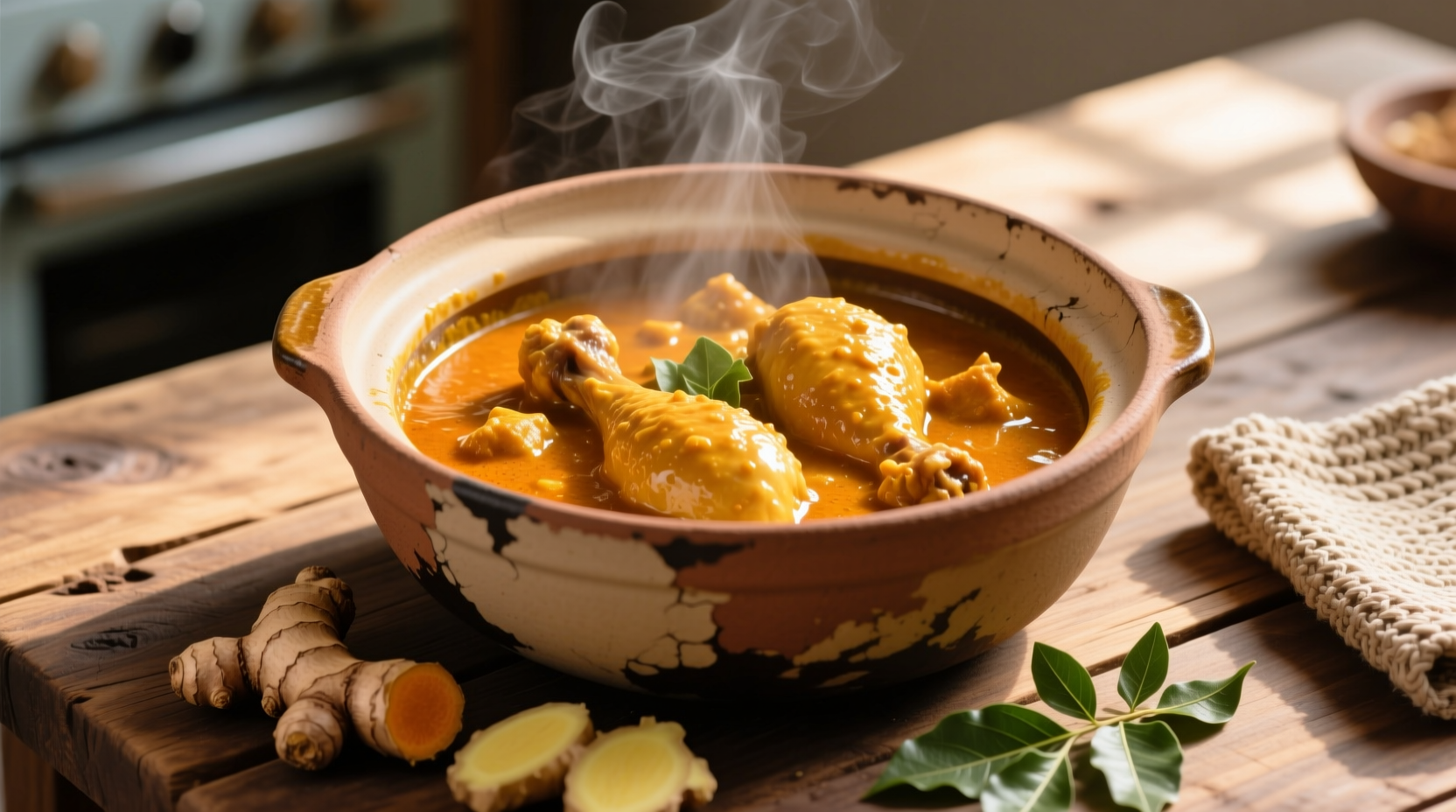
Storing and measuring spices
- Store spices in airtight containers. Keep them in a cool, dark place.
- Label containers with purchase or grind dates.
- Use teaspoons and tablespoons for consistency. Consider a scale for precision.
- Keep a small mortar and pestle to freshly crush seeds for better flavor.
- Replace ground spices every 6 months and whole spices every 12 months for best results.
Good storage and measuring cut down on waste and fix many mistakes when adding spices while cooking.
My personal experiments and lessons learned
Early in my cooking days, I added all spices at once to save time. The food came out muddled. I learned to separate timing and to taste often. Once, blooming cumin transformed canned tomatoes into a rich, warm sauce. That single change taught me how critical timing and technique are for spices. I still refer back to those lessons when teaching friends and students about mistakes when adding spices while cooking.
Frequently Asked Questions of mistakes when adding spices while cooking
What happens if I add spices too early?
Adding spices too early can cause them to lose their volatile oils and become dull or bitter. Some whole spices can be added early to simmer and release flavor, but most ground spices do better later.
How do I know if my spices are stale?
Stale spices smell weak and lack punch. Rub or crush a small amount; if there’s little aroma, it’s time to replace them.
Can I fix an over-spiced dish?
You can balance over-spiced food by adding dairy, acid, sweetness, or starch. Each option depends on the recipe; taste as you adjust.
Is blooming spices in oil always necessary?
Blooming is not always required, but it often unlocks depth in many cuisines. Quick stews and sautés benefit most from this step.
Should I prefer whole spices over ground?
Whole spices keep longer and offer fresher flavor when ground just before use. Ground spices are convenient but lose potency faster.
How should I measure spices for new recipes?
Start with the recipe’s measurements and reduce by 20–30% if you’re unsure. Taste and adjust as you cook.
Conclusion
Spices are powerful tools. Avoiding common mistakes when adding spices while cooking—like wrong timing, stale ingredients, or poor measuring—will improve your dishes fast. Start small: bloom a spice tonight, measure precisely, and taste often. Your meals will be more vibrant and balanced as a result. Try one change in your next dinner and share what you learn below or subscribe for more tips and recipes.
