
Using the wrong heat, metal tools, and rough cleaning ruin nonstick pans fast.
I write about kitchen gear every day and have tested dozens of pans. I will show clear, practical ways to avoid the most common mistakes when using non stick cookware. You will learn what damages coatings, what risks matter, and simple steps to keep pans safe and long-lasting. Read on for expert tips, real-life examples, and easy routines you can start today.

Common mistakes when using non stick cookware
Nonstick pans are easy to love. Yet many people make simple errors that shorten their life. Here are the top mistakes when using non stick cookware you should avoid.
- Overheating an empty pan. Heating a nonstick pan empty on high can warp the base and degrade the coating.
- Using metal utensils. Metal scratches the coating and speeds up wear.
- Rapid temperature changes. Putting a hot pan under cold water can crack the coating or warp the pan.
- Dishwashing often. Harsh detergents and strong scrubbing damage coatings over time.
- Storing with other pans. Stacking without protection causes abrasions.
- Cooking sprays and high-fat smoke. Aerosol sprays can leave sticky residues and high heat smoke can break down the surface.
I once ruined a nice nonstick skillet by preheating it on high, empty, then tossing in oil. I learned fast to use medium heat. Small habits like that make a big difference.
:max_bytes(150000):strip_icc()/non-stick-pan-1-d36eb501e48143f39ed8dd7e2a782c95.jpg)
Why mistakes when using non stick cookware matter
Mistakes when using non stick cookware reduce performance and can raise costs. A scratched or flaking pan cooks unevenly. It also forces you to replace pans more often.
There are health and safety considerations too. Nonstick coatings at extreme heat may release fumes. While modern pans are safer than older models, avoiding high heat is wise. Research shows repeated overheating shortens coatings. Fixing habits extends pan life and reduces waste.

How to avoid the top mistakes when using non stick cookware
Simple habits prevent most mistakes when using non stick cookware. Follow these steps every time you cook.
- Preheat gently. Start on low or medium heat and raise only if needed.
- Use the right oil. Add oil after the pan warms for better release.
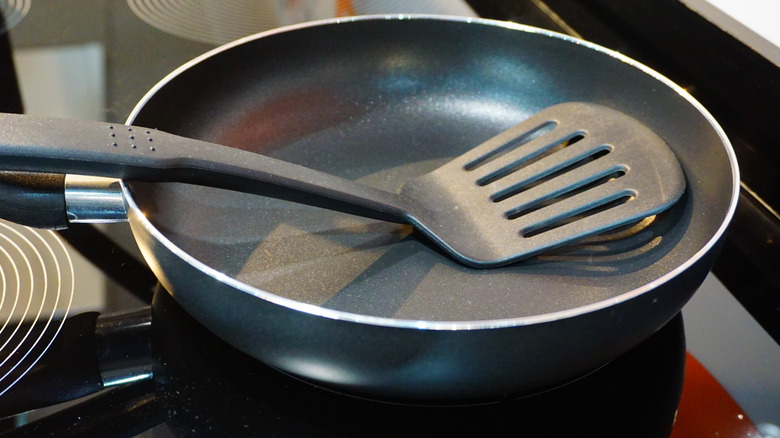
- Use silicone, wood, or nylon utensils. They protect the coating.
- Turn off heat a bit earlier. Residual heat finishes the job.
- Cool before cleaning. Let the pan rest for a few minutes before rinsing.
From my kitchen tests, pans cleaned gently after they cool look new for years. These tips stop the common mistakes when using non stick cookware.

Cleaning and storage to prevent mistakes when using non stick cookware
Cleaning and storage are where many people unintentionally make mistakes when using non stick cookware. Good care is quick and easy.
- Hand wash with warm soapy water. Use a soft sponge and mild soap.
- Skip abrasive pads. Steel wool and scouring pads scratch coatings.
- Remove stuck food with a soak. Warm water and a little baking soda loosen residues.
- Dry and store carefully. Use pan protectors or cloth between stacked pans.
- Avoid dishwasher if the manufacturer warns against it. Dishwashers can strip coatings over time.
I once used a harsh pad to remove burnt food. The surface never recovered. A 10-minute soak and gentle wipe would have saved it. Now I soak first and scrub last.
Buying and maintaining to reduce mistakes when using non stick cookware
Choosing the right pan helps you avoid mistakes when using non stick cookware. Look for quality and follow the care guide.
- Choose a reputable brand with clear care instructions.
- Check temperature limits. Know what heat is safe for the coating.
- Prefer pans with riveted or welded handles for durability.
- Replace when coating peels or flakes. Scratched or flaking pans should be retired.
Maintenance tips
- Season only if the maker recommends it. Not all nonstick pans need seasoning.
- Rotate pans in use. Don’t overuse one pan for all tasks.
- Keep receipts and register the product for warranty support.
Quality pans cost more up front. But avoiding the common mistakes when using non stick cookware saves money over time.
Troubleshooting damage from mistakes when using non stick cookware
If your pan shows wear, act fast. Not all damage requires immediate replacement.
Signs to replace
- Large flaking or peeling on the cooking surface.
- Deep scratches that trap food and affect even cooking.
- Warped bases that wobble on the stovetop.
Short-term fixes
- Use the pan for low-temp, non-food tasks like holding warm water.
- If small scratches appear, use it only for low-heat cooking or as a backup.
Longer-term
- Recycle old pans responsibly.
- Consider switching to ceramic or stainless steel if you need high-heat performance.
I repaired a small scratch by retiring the pan for gentle cooking. That extended its life until I saved for a new, higher-quality pan. This approach reduces waste and keeps meals safe.
:max_bytes(150000):strip_icc()/__opt__aboutcom__coeus__resources__content_migration__serious_eats__seriouseats.com__2019__10__20191028-stop-using-nonstick-for-everything-vicky-wasik-skinjpg-1500x1125-ed4a54dd2765467983753ec25b405ccc.jpg)
Frequently Asked Questions of mistakes when using non stick cookware
What temperature is too hot for nonstick pans?
Most modern nonstick pans are safe up to medium-high heat. Avoid sustained high heat above the manufacturer’s limit to prevent coating breakdown.
Can I use metal spatulas occasionally?
Occasional light use of metal can scratch the surface quickly. Use wood or silicone to preserve the coating.
Is it safe to toss a nonstick pan in the dishwasher?
Some nonstick pans are labeled dishwasher-safe, but repeated cycles can shorten coating life. Hand washing is the gentlest choice.
Can I fix a peeling nonstick coating?
Peeling coatings are not safe to repair for cooking. Replace the pan and recycle the old one.
Will cooking sprays damage nonstick pans?
Aerosol cooking sprays can leave sticky residues that build up and require abrasive cleaning. Use a small amount of oil instead.
Conclusion
Avoiding the common mistakes when using non stick cookware is mostly about small daily habits. Use moderate heat, gentle tools, simple cleaning, and smart storage. These steps keep your pans safer and lasting longer. Try one change today—use a silicone spatula or lower your heat—and notice the difference. If you found this guide helpful, subscribe for more kitchen tips or leave a comment with your nonstick care story.
