


Low heat mistakes often include under-seasoning, crowding pans, and cooking too slowly.
I have cooked for years and taught many home cooks how to manage low heat. This guide shows common mistakes while cooking on low heat, why they happen, and how to fix them. You will get clear, tested tips, simple tools to use, and real-life lessons from my kitchen. Read on to avoid wasted time, bland food, and safety hazards when you cook on low heat.

Common mistakes while cooking on low heat
Low heat is forgiving but tricky. Many cooks assume low heat is safe for every dish. That leads to a string of common mistakes while cooking on low heat. Below are the most frequent problems and how they show up in the kitchen.
- Using the wrong pan. Thin pans lose heat and cause uneven cooking.
- Crowding the pan. Too many ingredients drop the temperature and steam food instead of browning.
- Not seasoning early. Flavors need time to develop on low heat.
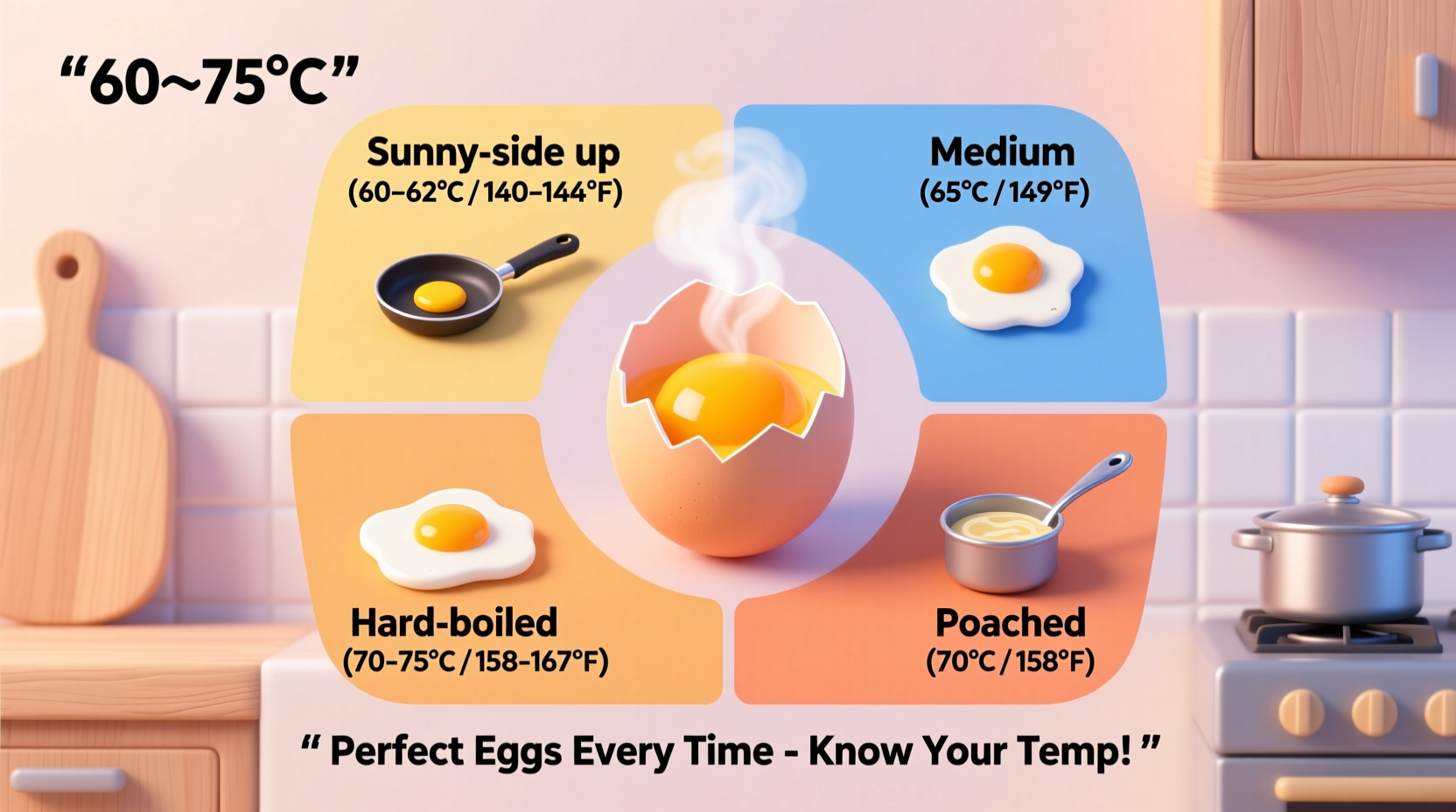
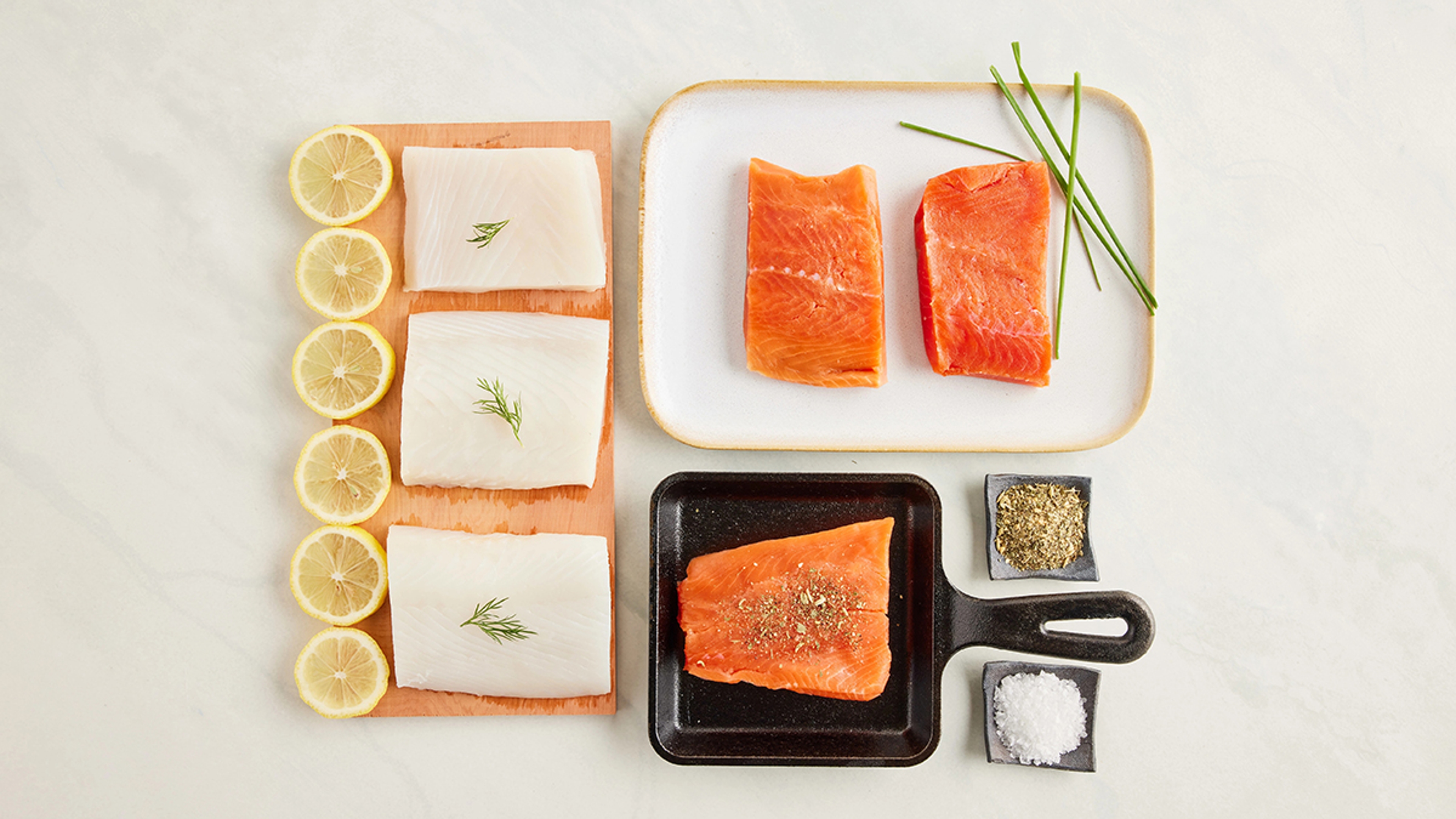
- Overcooking delicate items. Low heat can still dry out fish, eggs, and some vegetables.
- Ignoring boil points. Sauces may not reduce if the heat is too low.
- Not monitoring time. Low heat stretches cook times and invites mistakes.
These mistakes while cooking on low heat cost flavor and texture. Learn the reasons next to fix them.
Why mistakes while cooking on low heat happen
Low heat asks for patience and attention. Many cooks treat it like “set and forget.” That mindset creates common mistakes while cooking on low heat.
- Misreading seasoning needs. Low heat can mute spices and salt, so seasoning late leaves bland results.
- Misjudging moisture. Low heat can trap steam and prevent crisping.
- Using poor tools. Thin pans and no lids make it hard to keep consistent low heat.
- Relying on timers only. Temperature, not time alone, controls many low-heat outcomes.
Knowing why these mistakes while cooking on low heat happen helps you plan. Small changes fix most problems fast.
How to fix mistakes while cooking on low heat
Fixing mistakes while cooking on low heat is mostly about technique and timing. Use these steps to get better results.
- Choose the right cookware. Use heavy-bottomed pans or cast iron for steady low heat.
- Preheat gently. Give the pan time to reach the right low temperature before adding food.
- Season in stages. Salt lightly at the start and adjust toward the end for balanced taste.
- Control moisture. Tilt the lid or use a vent to let steam escape when you want browning.
- Use a thermometer. For meats and custards, a probe solves guesswork.
- Stir with care. Gentle stirring prevents sticking and uneven cooking for sauces and grains.
- Adjust time expectations. Low heat often needs longer. Check textures, not clock time.
Applying these fixes stops most mistakes while cooking on low heat. Try one change at a time to see real improvement.
 techniques for low-heat success”
style=”max-width: 100%; height: auto; border: 2px solid black; border-radius: 10px; display: block; margin: 0 auto;”
loading=”lazy”
/>
Tools, timing, and techniques for low-heat success
Good tools and small habits reduce mistakes while cooking on low heat. Here are practical tools and techniques I use daily.
- Heavy pans and Dutch ovens hold steady heat and smooth out hot spots.
- Low, even flames or an electric simmer setting keep temperatures stable.
- A kitchen thermometer reduces guesswork on meats and custards.
- A heat diffuser works on thin stovetops to spread heat evenly.
- Lids with vents or slightly cracked lids let you control steam without losing heat.
- Wooden spoons and silicone spatulas are gentle and keep food intact.
Timing tips to avoid mistakes while cooking on low heat:
- Check doneness visually and by feel rather than strictly by time.
- Taste and adjust seasoning midway and at the end.
- Finish with a quick high-heat sear if you need color and texture.
These simple tools and habits turn low heat from a risk into a reliable method.

Personal experiences and lessons learned
I burned more than one pot early in my cooking years by assuming low heat meant no attention. A savory tomato sauce once turned sweet and flat because I never tasted it while it simmered. I learned to season early and taste often.
Another lesson was using the wrong pan. A thin skillet cooled too fast and left a stew in two stages: cold center, overcooked edges. Switching to a heavy pot fixed that. I also learned that low heat needs clear goals — simmering for flavor, slow cooking for tenderness, or gentle melting for sauces.
These memories taught me to watch, taste, and trust the tools. They will help you avoid mistakes while cooking on low heat, too.

Frequently Asked Questions of mistakes while cooking on low heat
What is the biggest mistake people make when cooking on low heat?
The biggest mistake is assuming low heat removes the need for attention. Low heat still requires seasoning, timing, and the right cookware to succeed.
Can low heat prevent food from browning?
Yes. Low heat reduces the Maillard reaction that creates browning. Increase heat briefly or use a preheated pan for color when needed.
How do I know if my pan is too cold on low heat?
If food steams instead of sizzles or liquids do not gently bubble, the pan is likely too cold. Raise the heat slightly and wait for consistent gentle bubbling.
Is it safe to leave food on low heat for a long time?
Some foods are safe on low heat for long periods, like stews cooked properly. However, perishable items should not be left unattended for many hours without proper temperature control.
Should I salt food at the start or the end when cooking on low heat?
Salt in stages. A light early salt helps seasoning penetrate, and a final adjustment at the end balances the dish. This prevents bland or overly salty results.
Will using a lid always help on low heat?
A lid helps trap heat and moisture for soups and braises. But lids can also trap steam and prevent browning, so vent or crack the lid when you want color.
Conclusion
Avoiding mistakes while cooking on low heat is mostly about choice and care. Use the right pan, season in stages, control moisture, and keep an eye on texture rather than the clock. Small fixes deliver big flavor and save time and frustration. Try one tip from this guide the next time you cook on low heat, and share your results or questions below.
