

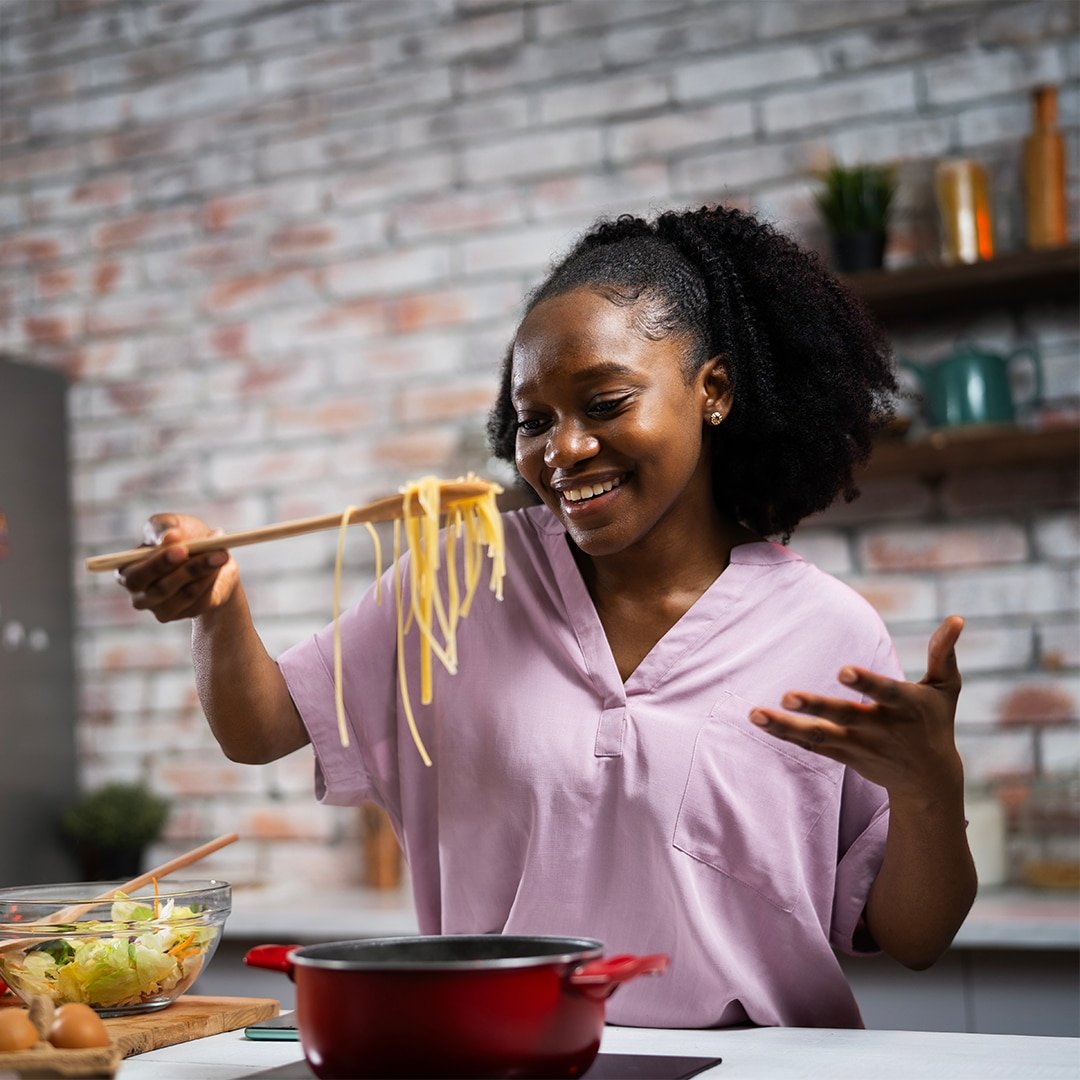
Overcooking, under-salting, rinsing, and adding oil can ruin homemade pasta.
I’ve cooked and taught pasta for years, and I see the same errors again and again. This article breaks down the most common mistakes while cooking pasta at home and shows simple, proven fixes. You’ll get practical steps, real kitchen experience, and clear reasons why each mistake matters so you can make better pasta tonight.
:max_bytes(150000):strip_icc()/GettyImages-1150279063-2000-08dda297157a47568c8876b2c2263b68.jpg)
Top mistakes while cooking pasta at home
Below are the frequent mistakes I see in home kitchens. Each entry explains the problem, why it hurts your dish, and a quick fix you can use next time.
Not salting the water enough
Salt is flavor. Plain pasta is bland. Many cooks under-salt because they worry about sodium. That makes pasta taste flat.
Fix: Add a generous pinch or two of salt per quart of water. The water should taste like the sea.
Using too small a pot
Crowded pasta sticks and cooks unevenly. It also cools the water and makes starchy, clumpy noodles.
Fix: Use a pot large enough for the pasta to move freely. Give pasta room to boil and tumble.
Not stirring early and often
Pasta clumps in the first minutes. Skipping the stir step causes sticky noodles.
Fix: Stir right after adding pasta and again a few minutes later.
Overcooking or undercooking
Texture matters. Overcooked pasta turns gummy. Undercooked pasta is chalky. Many misuse package times.
Fix: Taste a minute or two before the lower end of the time range. Aim for al dente.
Rinsing pasta after cooking
Rinsing removes starch that helps sauce cling. It cools the noodles and flattens flavor. Only rinse cold pasta for salads.
Fix: Don’t rinse if serving with sauce. Reserve rinsing for pasta salads only.
Adding oil to the cooking water
Oil sits on the pasta surface and prevents sauce from sticking. It’s an old tip that backfires.
Fix: Skip adding oil. Use enough water and stir well to avoid sticking.
Dumping pasta directly into sauce without pasta water
Sauce can be too thin or won’t cling to dry noodles. Many toss pasta and sauce without finishing them together.
Fix: Save a cup of starchy pasta water and mix pasta into the sauce to finish cooking for better texture.
Wrong sauce for the pasta shape
Thin sauces on chunky pasta or heavy sauces on delicate pasta feel off. Shape and sauce should match.
Fix: Match shape to sauce: thin sauces for long strands, chunky or creamy sauces for tubes and shapes.
Not tasting as you cook
Cooking blind leads to mistakes. Flavors change while you cook. If you don’t taste, you miss salt and doneness.
Fix: Taste often. Adjust seasoning and texture in real time.
Over-relying on package times and rules
Package times are a guide, not law. Heat, altitude, and pot size change outcomes. Strictly following times can lead to mistakes while cooking pasta at home.
Fix: Use package time as a starting point. Taste and test for al dente texture.

Why these mistakes while cooking pasta at home matter
Small errors make big differences. Pasta is simple food built on a few key steps. When one step fails, the whole dish can feel heavy, bland, or gummy. Good pasta relies on salt, timing, heat, and technique. Fixing these common mistakes while cooking pasta at home improves flavor and texture fast. Think of pasta like a handshake: a little care makes it feel right.
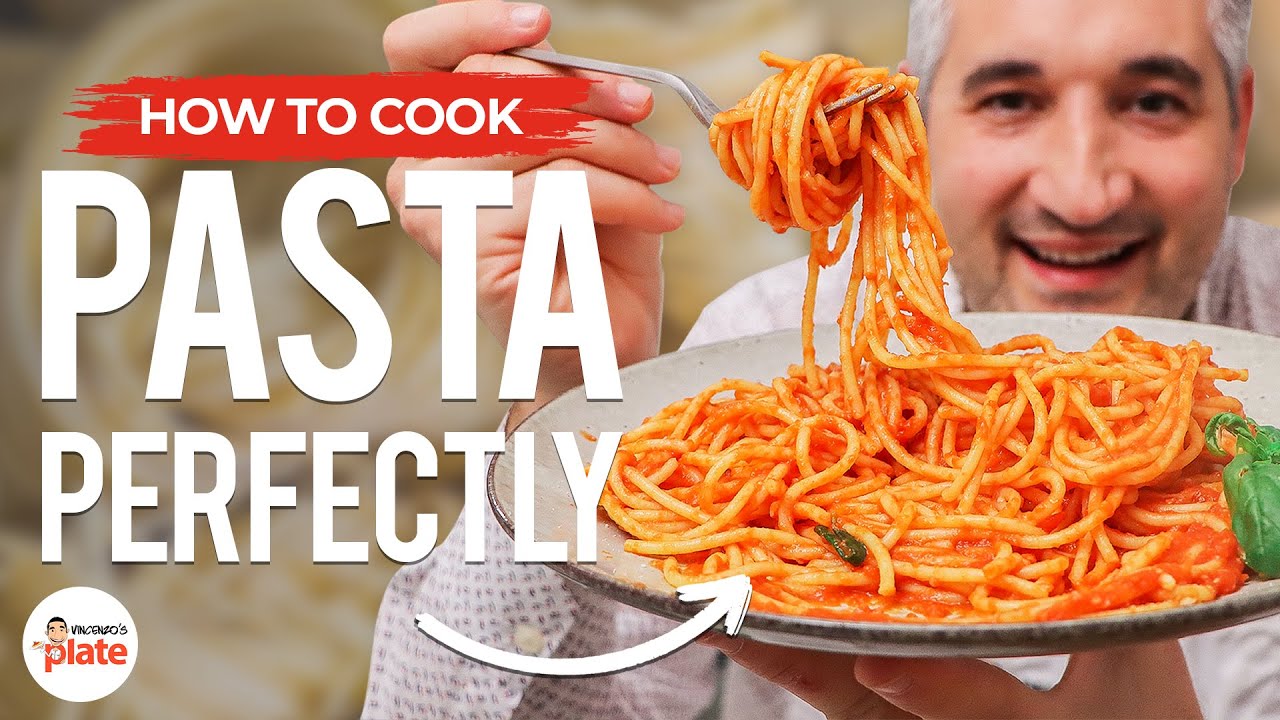
How to avoid and fix common mistakes while cooking pasta at home
Follow these practical steps to turn errors into wins. Each step is short, clear, and easy to use tonight.
- Use plenty of water so pasta moves freely and boils at a steady rate.
- Salt the water generously; the pasta needs seasoning from the inside.
- Stir within the first 30 seconds and again a few minutes in to prevent clumping.
- Taste for doneness a minute or two before the package time ends.
- Reserve at least one cup of pasta water before draining. Use it to loosen and bind sauce.
- Don’t rinse hot pasta unless you’re making a cold salad. Rinsing strips starch.
- Skip oil in the pot; it prevents sauce from sticking later.
- Finish pasta in the sauce over low heat for 1–2 minutes for the best texture and flavor.
- Match pasta shape to sauce type to improve mouthfeel and balance.
- Keep a timer but trust your taste more than the clock.
:max_bytes(150000):strip_icc()/AR-130358-worlds-best-pasta-sauce-ddmfs-4x3-fddb370d6d7c469684dc87a180e6e9c3.jpg)
Personal experiences and tested tips
I once made a dinner for friends and under-salted the water. Everyone noticed. I learned to salt without fear after that night. Another time I cooked a big pot in a small saucepan. The noodles clumped and stuck. I now always use a larger pot for family meals. These are small lessons that stuck.
A tip I use every week is to stir and watch the first three minutes. That step prevents most sticking issues. I also keep a measuring cup by the stove to pour off pasta water easily. These small habits prevent big mistakes while cooking pasta at home.

Frequently Asked Questions of mistakes while cooking pasta at home
How much salt should I add to pasta water?
Salt enough for flavor. Aim for about 1 to 1.5 tablespoons per 4 to 6 quarts of water. The water should taste like the sea.
Is it okay to add oil to pasta water?
No. Oil floats and coats pasta. That keeps sauce from clinging and makes your dish slick.
Should I rinse pasta after cooking?
Only rinse when making a cold pasta salad. For hot dishes, don’t rinse. You need the starch to help the sauce stick.
How do I know when pasta is al dente?
Taste it. Al dente should be tender but still slightly firm in the center. Check a minute or two before the package time ends.
Can I finish pasta in the sauce?
Yes. Finish pasta in the sauce for 1–2 minutes and add reserved pasta water to achieve a silky texture.
Conclusion
Mistakes while cooking pasta at home are easy to fix. Salt your water, use enough pot space, stir early, and finish pasta in the sauce. These small changes improve texture and flavor right away. Try one tip tonight and build up better habits step by step. If you enjoyed this guide, leave a comment with your favorite pasta tip or subscribe for more simple kitchen advice.
