
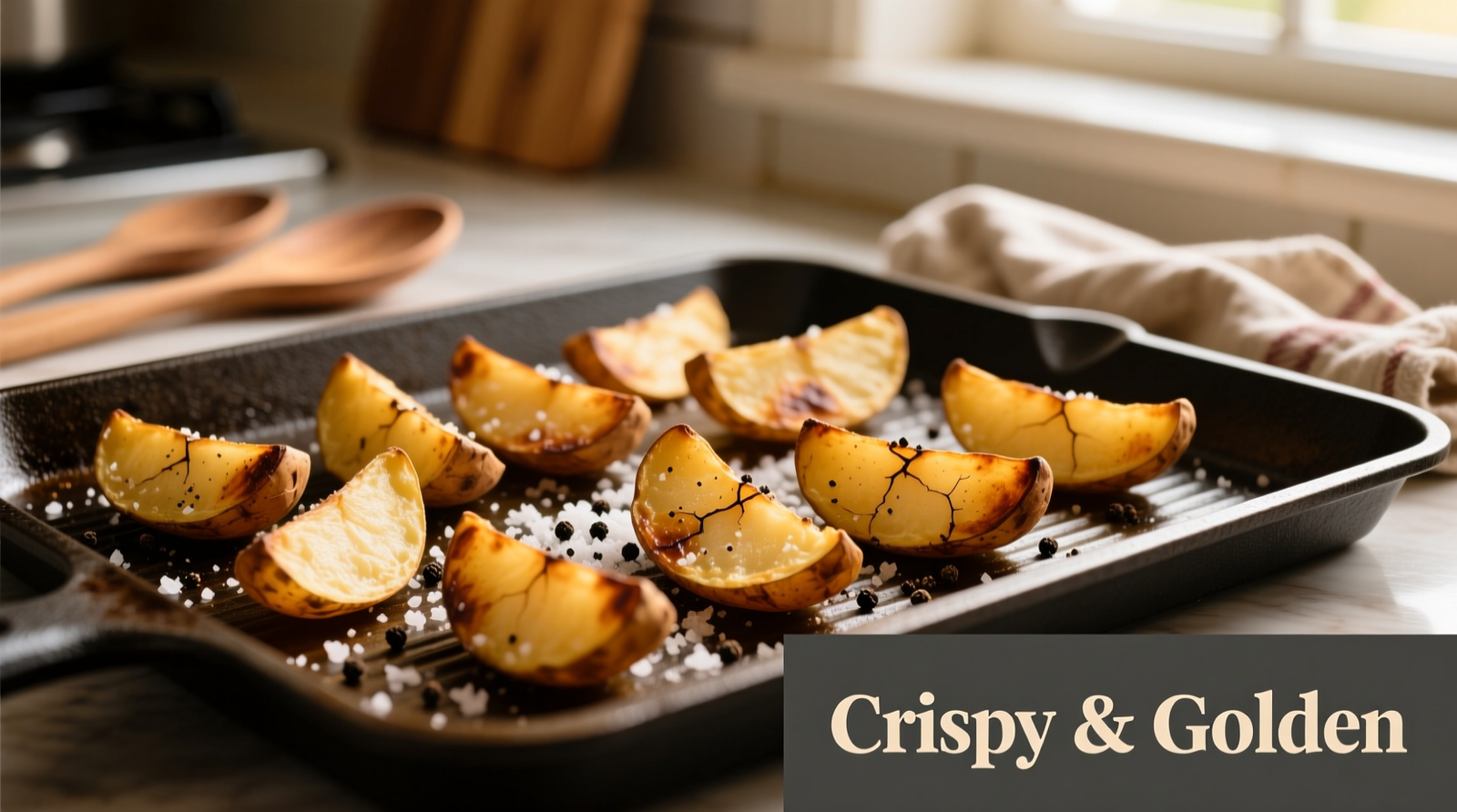
Flipping food too early causes lost crust, sticking, and uneven cooking every time.
I’ve cooked for years in home and pro kitchens, and I understand the common pitfalls that come with impatience at the pan. This article breaks down mistakes while flipping food too early, why they happen, how they hurt texture and flavor, and exact steps you can use to fix them. Read on for clear, tested tips to stop ruining steaks, fish, pancakes, and more by flipping too soon.
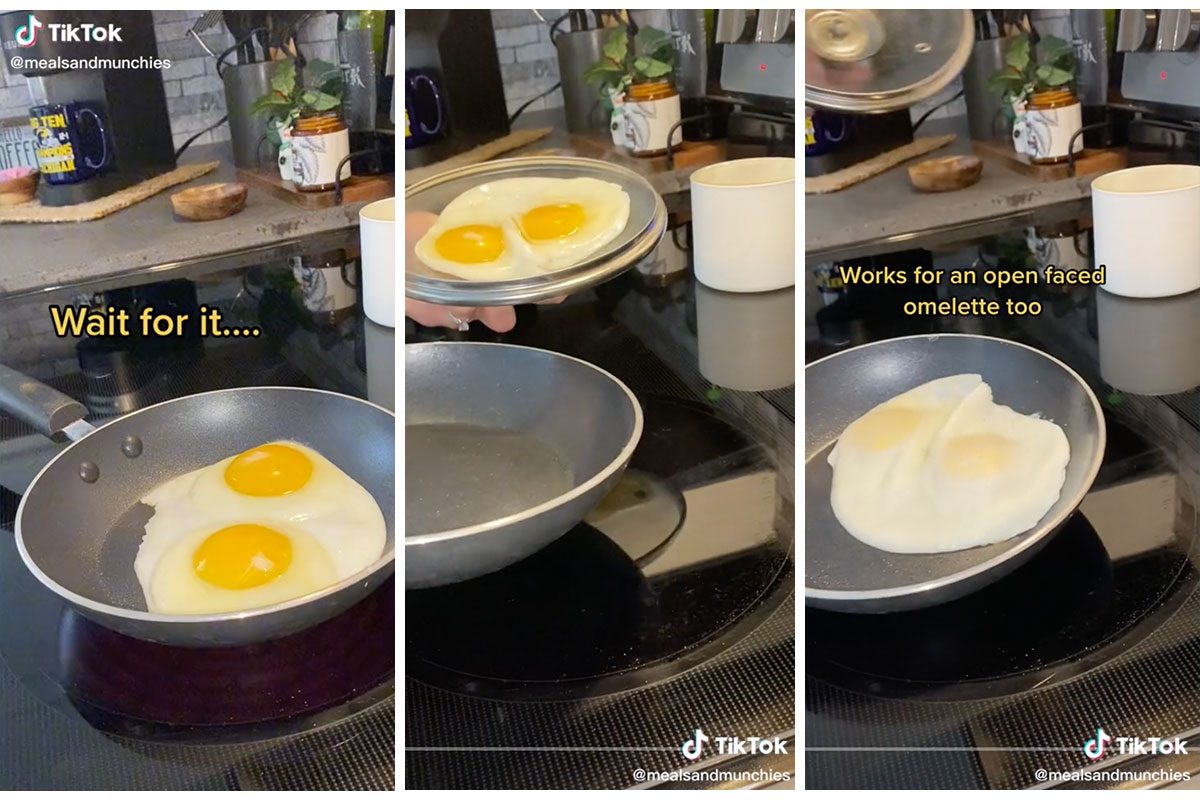
Why flipping too early ruins your food
Flipping too soon interrupts browning and the Maillard reaction. That reaction builds flavor and color. When you flip before the surface can set, you lose that crisp edge.
Flipping early also causes sticking. Food that hasn’t had time to form a crust can glue to the pan. You’ll tear delicate proteins or leave ragged bits behind.
Flipping early gives uneven cooking. One side cools while the other finishes. This creates a dry inside or raw center in thicker cuts.
Mistakes while flipping food too early often come from impatience. They also come from poor heat control, crowded pans, or misunderstanding of how food behaves. Learning to wait changes your results fast.
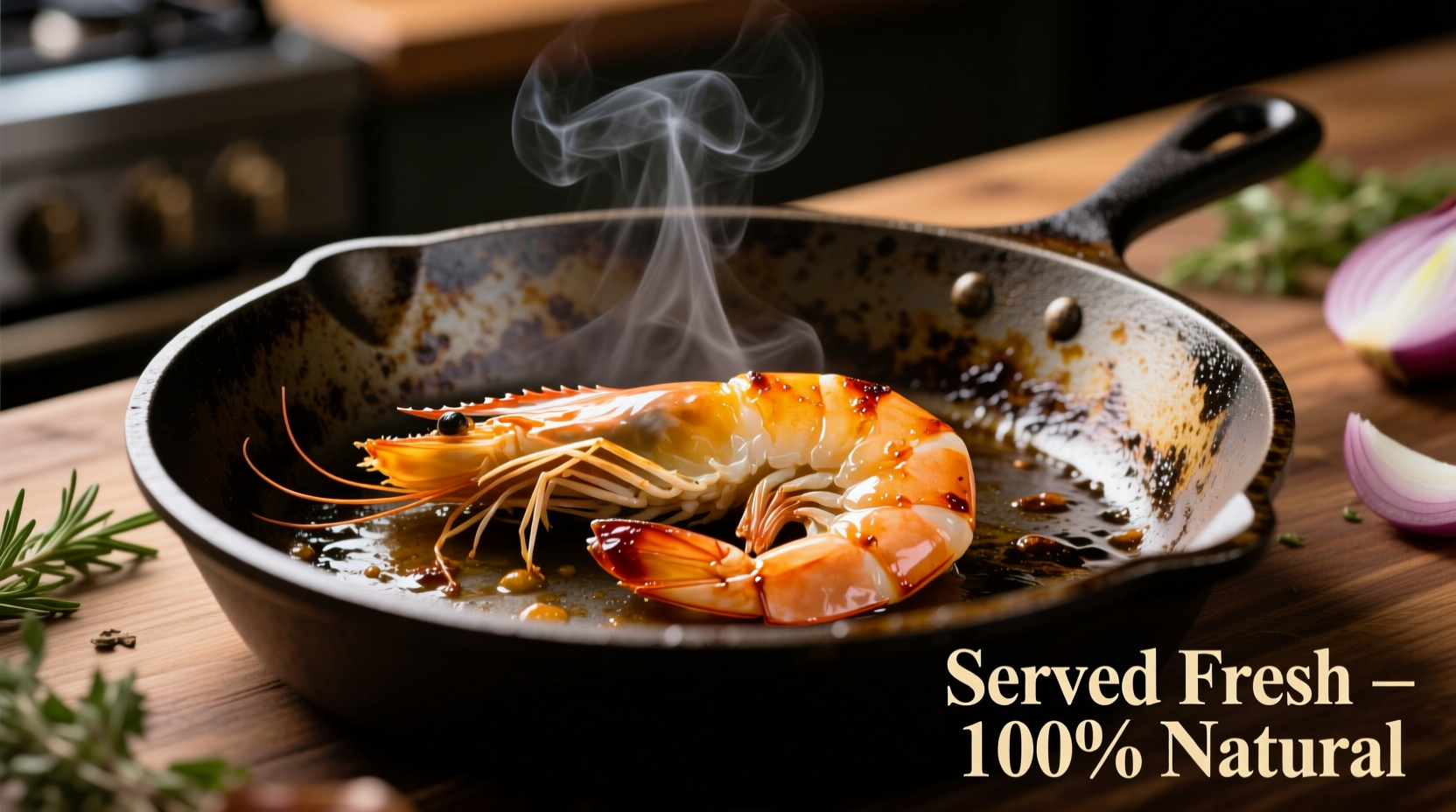
Common mistakes while flipping food too early
Here are the frequent errors I see and make myself when rushing a flip.
- Rushing because the pan looks hot: High heat can brown the edges but leave the middle raw.
- Moving food to check doneness: Constant nudging prevents crust formation.
- Crowding the pan: Too many items lower the pan temperature and increase steam.
- Using cold food straight from the fridge: Cold items take longer to set and stick more.
- Wrong tool for the job: A flimsy spatula tears or lifts food too soon.
- Flipping by sight alone: Not using feel, timing, or a thermometer leads to mistakes while flipping food too early.
Each of these mistakes while flipping food too early is easy to fix with small habit changes. I’ll share those in the next sections.
How to know the right time to flip
Timing comes from simple cues you can practice and trust. Use these signs to avoid mistakes while flipping food too early.
- Natural release: Food will lift easily when the crust has formed. If it resists, wait.
- Edge color: Look for browning at the edges first. This means the Maillard reaction has started.
- Surface bubbles: For items like pancakes, bubbles that pop and leave holes mean it’s ready.
- Internal temp: Use a probe for thick cuts. When the target temp is near, flip.
- Touch test: Gently press meat — firmness increases as it cooks. If it’s very soft, wait.
Practice these signals. They reduce mistakes while flipping food too early and help you gain confidence.
Techniques to prevent mistakes while flipping food too early
Small techniques make big differences. These are methods I use daily to stop flipping too soon.
- Preheat properly: Heat the pan until a drop of water sizzles and evaporates. Then add oil.
- Use the right oil: Oil with a suitable smoke point creates an even surface and better heat transfer.
- Dry the surface: Pat proteins dry to encourage crust. Wet surfaces steam and stick.
- Let the crust form: Give muscle and batter time to set before using force.
- Use the right spatula: A wide, thin, rigid spatula helps lift without tearing.
- Control the heat: If things brown too fast, lower the flame. If nothing happens, raise it slightly.
- Rest after sear: For thicker cuts, finish in the oven to avoid flipping again and again.
These tactics reduce mistakes while flipping food too early by improving control and timing. I learned them after wasting many dinners. Now they form my basic checklist.
Tools, heat control, and recipes that matter
The right tools and recipes help you avoid mistakes while flipping food too early. They give you control and predictability.
- Pan choice: Cast iron holds heat and gives a better sear. Nonstick helps for eggs and sticky batters.
- Spatulas and tongs: Use sturdy metal spatulas for steaks and flexible ones for pancakes. Tongs help flip single pieces without trauma.
- Thermometer: An instant-read probe removes guesswork on thickness and doneness.
- Heat source: Electric and gas differ. Know how your cooktop responds to changes.
- Recipe timing: Follow timing as a guide, but use visual and tactile cues too.
When I switch pans, I notice when to flip changes. Trust your tools and watch how your food behaves. This reduces mistakes while flipping food too early.
Quick checks and troubleshooting after an early flip
You might flip too soon and still salvage the dish. Try these fixes.
- Finish in the oven: Move the pan to a preheated oven to even out cooking.
- Lower the heat: Reduce temperature and give the surface time to catch up.
- Use a lid briefly: Trapping heat can finish the cook but may soften crusts. Use sparingly.
- Sear again carefully: If texture is off, sear one side longer while avoiding burning.
- Add sauce or butter: For dry bits, a finishing sauce or butter can restore moisture and flavor.
These simple steps help recover from mistakes while flipping food too early without wasting food.
:max_bytes(150000):strip_icc()/20250701-SEA-SteakTip-VickyWasik-49fbec75eae142f68f36cdf2a536887d.jpg)
Personal experience and lessons learned
Early in my cooking, I flipped burgers and fish repeatedly. I thought constant movement meant better control. Instead, I learned the hard way that patience is part of skill. After a few ruined meals I started timing and watching for release. My sears improved immediately.
One night I pan-seared salmon and flipped it too soon. The flesh tore and stuck. I started drying the fillet first and using a hot, oiled pan. The next time the salmon slid free and had a crisp skin. Small changes fixed the big problem.
From those moments I built habits that prevent mistakes while flipping food too early. Patience, prep, and the right tool are where most cooks get faster returns.
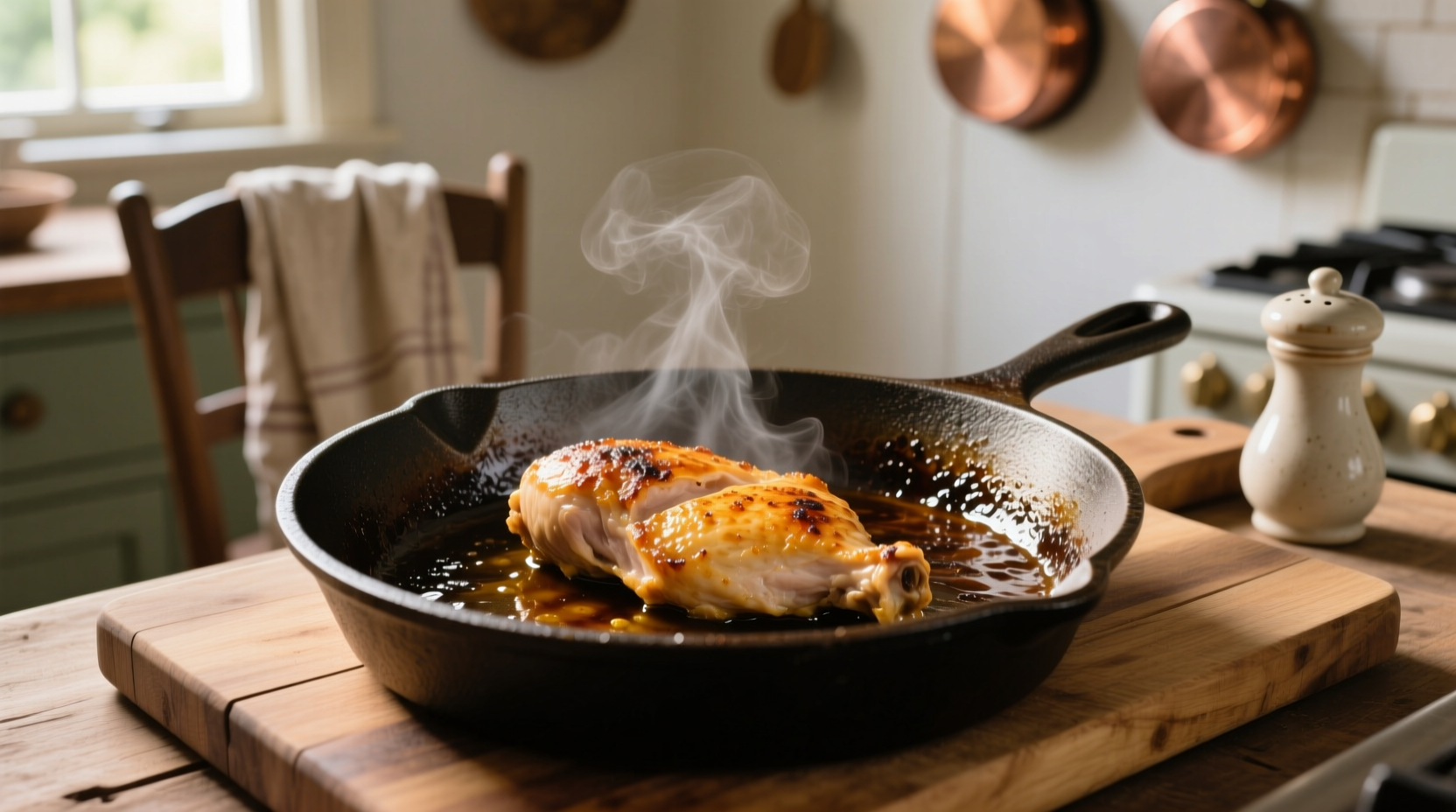
Frequently Asked Questions of mistakes while flipping food too early
What happens when you flip food too early?
Flipping too early prevents crust and proper browning. Food can stick, tear, and cook unevenly as a result.
How long should I wait before flipping meat?
Wait until it releases naturally and edges brown. For many cuts this is 3 to 6 minutes on the first side, but use feel and color as guides.
Does flipping meat often make it more tender?
No. Excessive flipping often stops a good sear and can dry the meat. One thoughtful flip is usually best.
Can I save a dish after flipping too early?
Yes. Finish in the oven, lower the heat, or use a lid briefly to even out cooking and restore moisture.
Does pan type change flipping time?
Yes. Cast iron heats and holds heat more than nonstick. Adjust wait time based on your pan and heat source.
Will flipping pancakes too early ruin them?
Yes. If you flip pancakes before bubbles set and edges firm, they can tear or sink. Wait for even bubbling first.
Conclusion
Mastering when to flip transforms your cooking. Avoiding mistakes while flipping food too early improves texture, flavor, and presentation. Use simple cues—release, color, and touch—paired with proper heat and tools. Practice patience and small rituals like drying food and preheating pans, and your results will reliably improve. Try one change this week: pick a favorite recipe and focus on waiting for natural release before flipping. Share your wins or questions in the comments and subscribe for more practical tips.
