

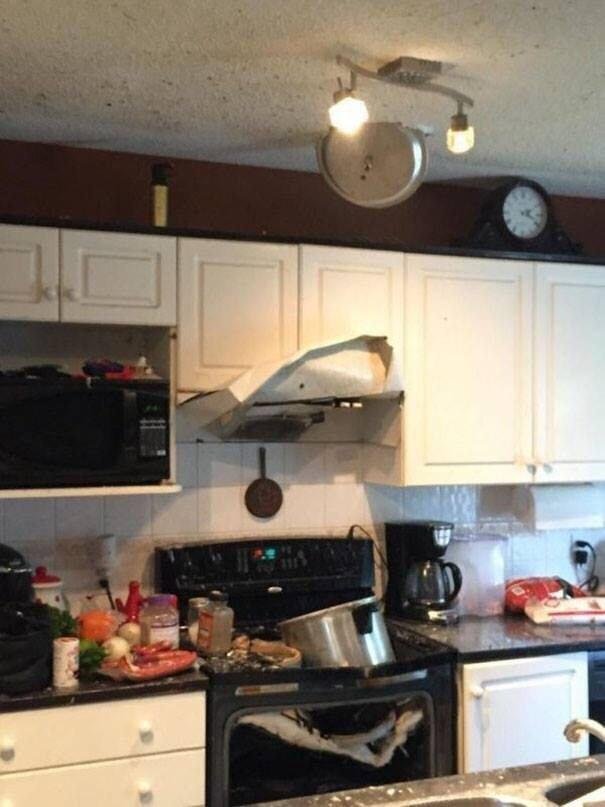
Common mistakes while using pressure cooker often come from ignoring seals, overfilling, and rushed maintenance.
I’ve used pressure cookers for years in home kitchens and test settings, so I know the small errors that turn quick meals into safety hazards or mushy disappointments. This article dives deep into the most frequent mistakes while using pressure cooker, explains why they matter, and gives clear, practical steps to avoid them. You’ll get safety tips, cooking fixes, maintenance routines, and real-life lessons that help you cook faster and safer with predictable results.
:strip_icc()/instant-pot-mac-n-cheese-2000-db7c8af0e39c4332a91e90dee84c3986.jpg)
Top mistakes while using pressure cooker
Pressure cookers save time, but the most common mistakes while using pressure cooker are simple and preventable. Many people skip read-throughs of the manual. Others mix incompatible recipes with wrong liquid levels. These errors lead to undercooked food, burnt bottoms, or steam leaks.
- Overfilling the pot beyond the recommended mark, leading to blocked vents and spattering.
- Using the wrong liquid amount, which causes burning or no pressure build-up.
- Ignoring gasket and valve checks before each use.
- Forcing a stuck lid open, risking burns from steam.
- Cooking high-starch foods without rinsing, causing foam and clogging.
Why these mistakes happen:
- Rushing through prep to save time.
- Assuming all pressure cookers work the same.
- Neglecting regular maintenance and cleaning.
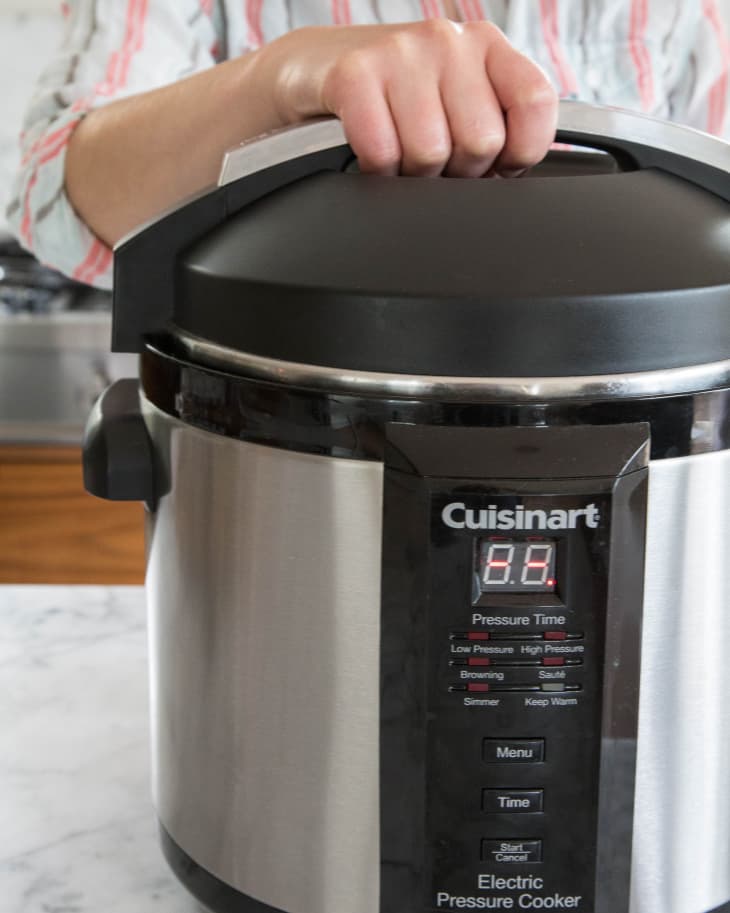
Safety mistakes and how to avoid them
Safety errors are the most serious mistakes while using pressure cooker. Steam and pressure are powerful. Small lapses can cause injury or damage.
Safety tips to avoid mistakes:
- Always inspect the gasket and safety valves before cooking. Replace cracked or stretched gaskets.
- Never open the lid until pressure drops fully or you use the manufacturer’s quick-release method.
- Keep hands and face away from the steam vent during release.
- Do not tamper with safety mechanisms or use a cooker with damaged latches.
- Use the cooker on a stable, flat surface and keep children away during use.
Quick checklist before every use:
- Check seals, valves, and the lid lock.
- Confirm correct liquid level and food volume.
- Ensure steam vent is clear of debris.
These steps help prevent common safety mistakes while using pressure cooker and keep cooking predictable.

Cooking mistakes that affect taste and texture
Beyond safety, many mistakes while using pressure cooker change how food turns out. Timing and layering matter more than you might expect.
Key cooking mistakes and fixes:
- Adding delicate ingredients too early. Add quick-cook vegetables or herbs after pressure release for better texture.
- Not browning meats first. Searing adds flavor; skip it and the dish can taste flat.
- Overcooking legumes or rice by following stovetop times rather than pressure times. Use pressure-specific charts or recipes.
- Not deglazing before pressure mode. Burned bits on the bottom cause scorch warnings and bitter flavors.
- Using thick sauces without enough liquid. Pressure needs steam to build, so thin sauces or add water/stock.
Practical examples from my kitchen:
- I once cooked lentils straight from the bag and ended with foam that clogged the valve. Rinsing and adding a splash of oil fixed it next time.
- When I sautéed onions and failed to deglaze, I hit “burn” and had to start over. A quick splash of stock solved that issue going forward.

Maintenance and care mistakes
Regular care prevents many mistakes while using pressure cooker. Small neglect compounds into major malfunctions.
Common maintenance mistakes:
- Forgetting to clean the steam vent and valve thoroughly. Clogs mean pressure can’t regulate.
- Storing the lid sealed tightly. This compresses the gasket and shortens lifespan.
- Using abrasive cleaners on the gasket. Harsh cleaners damage the rubber and reduce seal quality.
- Not replacing wear parts on schedule. Gaskets and pressure indicators wear out and must be swapped.
- Ignoring mineral buildup. Hard water leaves deposits that affect valve function and heat transfer.
Simple maintenance routine:
- After each use, wash the lid, ring, and pot with warm, soapy water.
- Check the gasket for cracks and replace yearly or when it fails to seal.
- Blow out the steam vent or use a thin brush to clear debris monthly.
- Store the lid upside down or with the gasket loosened to preserve elasticity.
These steps prevent the common mistakes while using pressure cooker that lead to leaks, poor cooking, and safety flags.

Troubleshooting common problems
When things go wrong, a quick troubleshooting list can save time and avoid repeated mistakes while using pressure cooker.
Troubleshooting checklist:
- No pressure build-up:
- Confirm there’s enough liquid.
- Check that the heat source is high enough for the cooker’s weight and size.
- Inspect the gasket for gaps or damage.
- Steam escaping from the lid:
- Tighten or replace the gasket.
- Check for food caught under the lid rim.
- Ensure the lid is aligned and properly locked.
- Burn or scorch notice:
- Add more liquid and lower heat.
- Deglaze to remove stuck bits before repressurizing.
- Reduce the recipe bulk or layer ingredients differently.
- Food overcooked or mushy:
- Cut pressure cooking time by 20–30 percent next attempt.
- Use quick-release for items that could get soft.
If you see weird noises or safety indicators, stop using the cooker and have it serviced. These troubleshooting steps reduce repeated mistakes while using pressure cooker and keep your unit working longer.

Personal experiences and lessons learned
I’ve made plenty of mistakes while using pressure cooker, and those lessons shaped how I teach others to use them safely and well. I share these so you don’t repeat them.
What I learned the hard way:
- Once I overfilled a cooker with stew and it spewed starchy liquid out the vent. Lesson: respect the fill line.
- I once tried to force open a stubborn lid and burned my hand. Lesson: patience and proper pressure release matter.
- I neglected the gasket for months; the seal failed mid-recipe. Lesson: small part replacements save time and danger.
Practical advice I now follow:
- Treat the manual like a quick safety map for each model.
- Keep a small maintenance kit: spare gasket, vent cleaner, and a soft brush.
- Test-release the vent with the lid off occasionally to clear minor blockages.
These real examples show that most mistakes while using pressure cooker are avoidable with small habits and respect for the device.

Frequently Asked Questions of mistakes while using pressure cooker
What is the most common mistake while using a pressure cooker?
The most common mistake is overfilling the cooker, which blocks vents and causes spattering. It often leads to safety issues and poor cooking results.
Can I use any recipe in my pressure cooker?
Not always. Stovetop recipes and slow-cook recipes need adjustments for liquid and time. Use pressure-cooker-specific times and techniques.
How often should I replace the gasket?
Replace the gasket yearly or sooner if you notice cracks, stretching, or steam leaks. Regular inspection avoids many common mistakes while using pressure cooker.
Is it safe to force open a stuck lid?
No. Forcing the lid risks severe steam burns and damage. Always follow the manufacturer’s pressure-release instructions until the cooker is depressurized.
Why did my food burn on the bottom?
Burning usually means insufficient liquid, thick sauces without dilution, or not deglazing after sautéing. Adjust liquid and scrape up brown bits before sealing.
Can pressure cookers explode?
Modern models have multiple safety features that make explosions extremely rare. Most incidents happen when safety systems are ignored or the cooker is faulty and not maintained.
Conclusion
Pressure cookers can be fast, safe, and delicious when used correctly. Avoiding common mistakes while using pressure cooker—such as overfilling, skipping gasket checks, and ignoring proper release methods—keeps cooking efficient and safe. Start small: follow the manual, inspect parts before each use, and adjust recipes for pressure times. Your next meal will be faster and tastier if you build simple habits and routine maintenance. Try one change today, and share your results or questions below to keep learning and improving together.
