
Using high heat, metal utensils, and wrong cleaning ruins non stick pans fast.
I’ve cooked with dozens of non stick pans over many years, tested common fixes, and learned what really shortens a pan’s life. This article breaks down the most damaging non stick pan cooking mistakes, explains why they matter, and gives clear, practical steps you can use today to get better results and longer-lasting cookware. Read on to avoid avoidable errors and cook with confidence.
Common non stick pan cooking mistakes
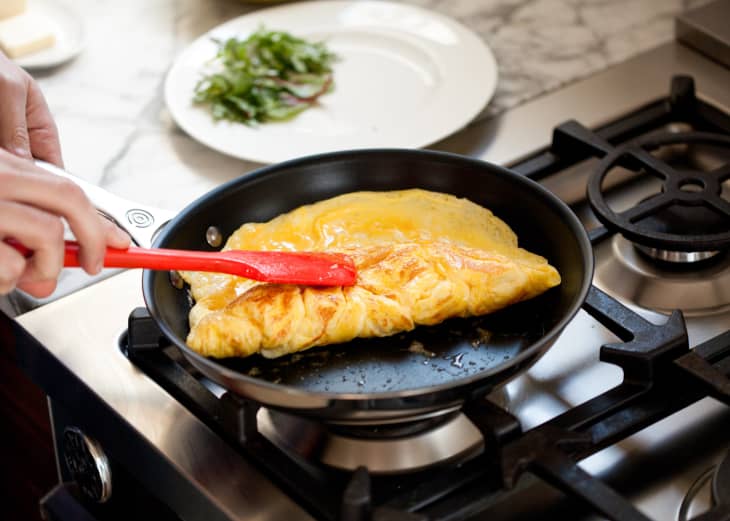
Many cooks make the same predictable errors when using non stick cookware. These non stick pan cooking mistakes cut performance and cause food to stick or flake. Below are the most frequent problems and a short explanation of each.
-
Using high heat for searing
High heat damages many coatings and releases harmful fumes with some pans. Non stick pan cooking mistakes often start here because people assume non stick equals high-heat-safe. -
Cooking with metal utensils
Scratching with metal spatulas or forks chips the coating and shortens pan life. This is one of the top non stick pan cooking mistakes I see in kitchens. -
Putting a hot pan under cold water
Thermal shock warps pans and can delaminate the coating. Stopping the heating process too fast is a common non stick pan cooking mistake. -
Using harsh cleaners or abrasive scrubbers
Scouring pads and rough brushes wear off the surface. Many non stick pan cooking mistakes come from overzealous cleaning. -
Overcrowding the pan
Overcrowding traps steam, prevents proper browning, and makes sticking more likely. This everyday error contributes to non stick pan cooking mistakes. -
Incorrect oil use or skipping oil entirely
Some foods need a thin film of oil to slide properly; skipping oils can lead to sticking. Misunderstanding oil needs is a frequent non stick pan cooking mistake.
:max_bytes(150000):strip_icc()/non-stick-pan-1-d36eb501e48143f39ed8dd7e2a782c95.jpg)
Why these non stick pan cooking mistakes matter
Non stick pan cooking mistakes cost time, money, and flavor. A ruined pan forces replacements, and scratched coatings can change how food cooks.
Health and safety are also at issue. When coatings degrade or flake, food quality and safety may be affected. Studies and manufacturer data show that proper use extends safe working life and reduces risk.
Finally, cooking performance suffers. You lose browning, control, and clean-up becomes a headache when you fall into common non stick pan cooking mistakes.
How to avoid non stick pan cooking mistakes — best practices
Preventing non stick pan cooking mistakes is simple with a few rules. Follow these actionable steps to protect your pans and improve results.
-
Use medium or low heat for most tasks
Reserve high heat for stainless steel or cast iron. Treat non stick pans as precision tools for eggs, pancakes, and delicate sauces to avoid non stick pan cooking mistakes. -
Choose the right utensils
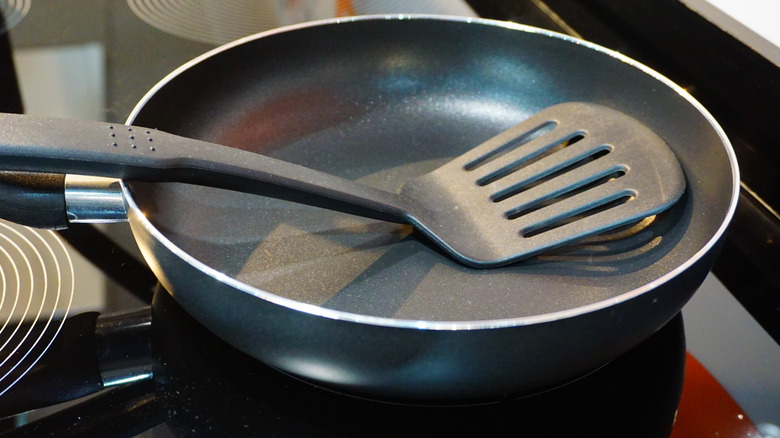
Use wooden, silicone, or nylon tools to avoid scratching. Switching utensils removes a major cause of non stick pan cooking mistakes. -
Preheat gently and test temperature
Warm the pan on low for a minute before adding oil. One quick test: a drop of water should bead and dance, not evaporate instantly—this helps avoid non stick pan cooking mistakes. -
Use a little oil or butter when needed
A thin film stabilizes heat and keeps food moving. Proper lubrication prevents many non stick pan cooking mistakes during eggs and fish. -
Avoid sudden temperature changes
Let pans cool before cleaning or refrigerating. This prevents warping and one of the most damaging non stick pan cooking mistakes. -
Store pans carefully
Stack protectively with liners or cloth to prevent scratches. Good storage prevents avoidable non stick pan cooking mistakes.

Cleaning and maintenance to prevent non stick pan cooking mistakes
Cleaning wrong is a top cause of pan failure. Gentle maintenance keeps the coating intact and cooking reliable.
-
Wash warm with mild dish soap
Let the pan cool, then wash with a soft sponge and gentle soap. This routine stops many non stick pan cooking mistakes before they start. -
Avoid abrasive pads and powders
Steer clear of steel wool or harsh scouring powders. These tools are a leading cause of non stick pan cooking mistakes. -
Remove stuck-on food with soaking
Fill with warm water and a drop of soap for 15–30 minutes, then wipe gently. Soaking is a safe way to fix common non stick pan cooking mistakes. -
Re-season lightly if manufacturer allows
Some ceramic and PTFE pans benefit from a light oil rub occasionally. This can restore performance and prevent some non stick pan cooking mistakes, but check the manual first. -
Inspect for flaking or deep scratches
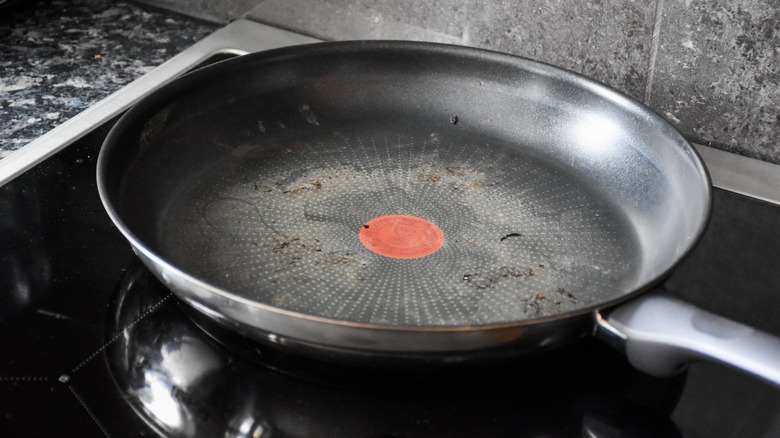
If coating peels or there are deep gouges, it’s time to replace the pan. Continued use of a compromised surface is one of the most serious non stick pan cooking mistakes.

Choosing the right nonstick pan to reduce mistakes
Buying the right pan makes avoiding non stick pan cooking mistakes much easier. Material, quality, and manufacturer guidance matter.
-
Know the coating type
PTFE, ceramic, and anodized aluminum behave differently. Choose based on your heat habits to reduce non stick pan cooking mistakes. -
Look for temperature ratings
If you often sear or bake with a pan, pick one rated for higher temperatures. This reduces the chance of common non stick pan cooking mistakes. -
Consider thickness and base quality
A thicker base heats more evenly and resists warping. Even heat helps prevent many non stick pan cooking mistakes. -
Read warranty and care instructions
Good brands provide clear guidance. Following their care reduces non stick pan cooking mistakes and protects your warranty.
Common recipes and techniques where non stick pan cooking mistakes happen
Certain foods and methods expose non stick pan cooking mistakes more than others. Know the pitfalls and how to handle them.
-
Eggs and omelets
Use medium-low heat, oil lightly, and don’t rush flipping. These habits avoid the most common non stick pan cooking mistakes with eggs. -
Fish and delicate proteins
Pat dry, use a hot-but-not-scorching pan, and slide gently with a soft spatula. Good technique eliminates many non stick pan cooking mistakes here. -
Searing meat
For serious searing, use stainless steel or cast iron. Attempting high-heat sears on a non stick pan is a frequent non stick pan cooking mistake. -
Sauces and deglazing
Non stick pans don’t brown the same way; deglaze gently and expect less fond. Adjust technique to avoid non stick pan cooking mistakes that affect flavor. -
High-sugar recipes
Candy or heavy caramels can stick and damage coatings. Avoid these to prevent non stick pan cooking mistakes that are tough to reverse.
Personal experiences and lessons learned about non stick pan cooking mistakes
I once ruined a high-end non stick pan by searing steaks at high heat with a metal turner. The coating blistered and performance dropped overnight. That mistake taught me to respect heat limits and to use dedicated pans for heavy searing.
Another time I scrubbed a pan with steel wool after a party. The flaking started the next week. Since then I soak first, gently clean, and keep a soft spatula drawer. These small habit changes stopped the recurring non stick pan cooking mistakes in my kitchen.

Frequently Asked Questions of non stick pan cooking mistakes
What is the single biggest non stick pan cooking mistake?
Using high heat is the biggest mistake. High heat can damage the coating and shorten the pan’s lifespan.
Can metal utensils ruin a non stick pan immediately?
They may not ruin it right away, but metal utensils cause scratches over time. Repeated scratching is a main cause of coating failure.
Is it safe to use non stick pans if the coating is flaking?
No — if coating flakes, stop using the pan for food preparation. Replace the pan to avoid ingesting particles or inhaling degraded residues.
How do I remove stubborn burnt food without damaging the surface?
Soak the pan in warm soapy water for 15–30 minutes, then use a soft sponge. Avoid abrasive scrubbing to prevent further non stick pan cooking mistakes.
Can I use cooking spray on non stick pans?
Cooking sprays can leave a sticky buildup that degrades non stick performance. Use a small amount of oil or butter instead to avoid common non stick pan cooking mistakes.
How long should a good non stick pan last with proper care?
With correct use and care, many non stick pans last several years. Lifespan varies by quality, frequency of use, and how well you avoid non stick pan cooking mistakes.
Conclusion
Avoiding common non stick pan cooking mistakes saves money, improves food, and reduces frustration. Use medium heat, gentle tools, careful cleaning, and the right pan for the job to keep surfaces performing well. Start today by changing one habit—like switching to silicone spatulas—and you’ll see a quick improvement in cooking results. Try these tips, share your experience in the comments, or subscribe for more practical cookware advice.
