

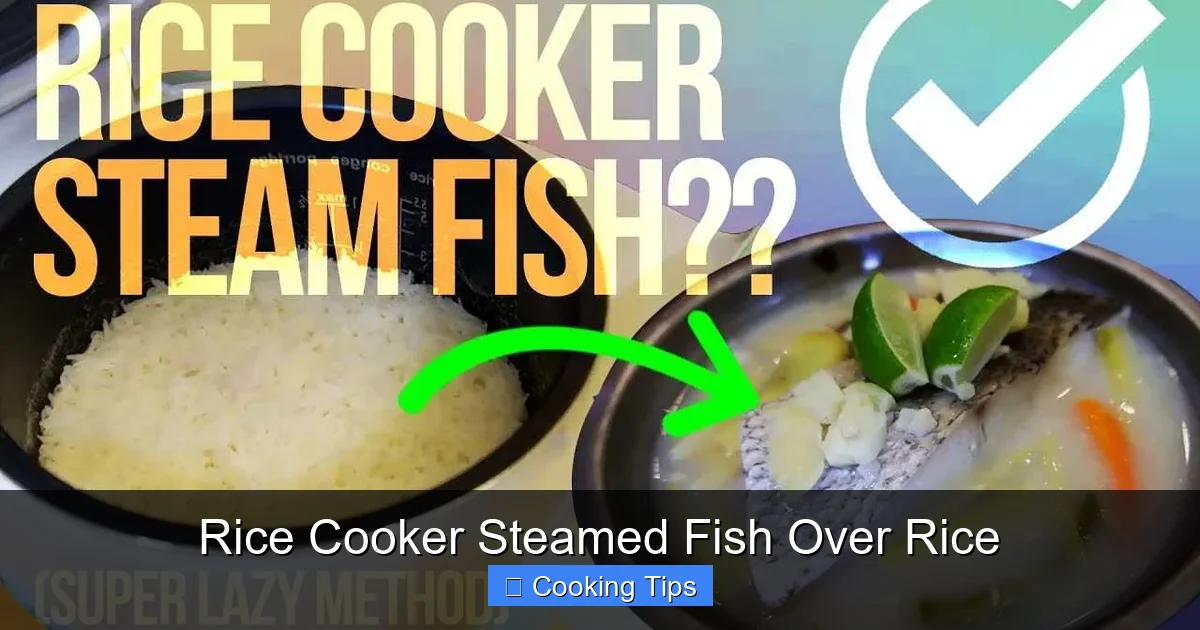
Learn how to create a delicious and healthy one-pot meal with this guide to rice cooker steamed fish over rice. We’ll walk you through the simple steps to cook perfectly fluffy rice and tender, flavorful fish simultaneously. Enjoy a quick, easy, and minimal-cleanup dinner that’s perfect for busy weeknights.
## Rice Cooker Steamed Fish Over Rice: Your New Go-To Weeknight Dinner
Are you tired of complicated cooking processes and mountains of dirty dishes? Do you crave a healthy, flavorful meal that’s incredibly easy to make? If you nodded “yes” to any of these questions, then get ready to fall in love with rice cooker steamed fish over rice. This ingenious method transforms your humble rice cooker into a versatile kitchen appliance capable of creating a complete, delicious, and nutritious meal in one pot.
In this comprehensive guide, we’ll show you exactly how to achieve perfectly fluffy rice and tender, succulent steamed fish, all at the same time. You’ll learn the secrets to layering your ingredients for optimal cooking, how to infuse incredible flavors, and tips for customization to make this dish your own. Say goodbye to guesswork and hello to effortless, healthy home cooking!
### Why You’ll Love This Method
There are many ways to cook rice, and understanding the proper water to rice ratio in a rice cooker is key to fluffy results. But what if you could do more with your rice cooker than just cook rice? This recipe elevates your rice cooker’s capabilities. Steaming fish over rice is a fantastic technique because:
* It’s incredibly convenient: One pot means less washing up.
* It’s healthy: Steaming is a gentle cooking method that retains nutrients and doesn’t require added fats.
* It’s flavorful: The fish steams in its own juices and aromatics, infusing the rice below with delicious flavors.
* It’s customizable: You can easily swap out fish types, vegetables, and seasonings to create endless variations.
### Gathering Your Ingredients
The beauty of this recipe lies in its simplicity and the common ingredients it requires. You likely have many of them in your pantry already!
#### For the Rice:
* Rice: 1 cup of your favorite long-grain rice (like Jasmine or Basmati). Rinsing your rice is crucial for removing excess starch, preventing it from becoming mushy. For more on this, check out our tips on why rice becomes mushy.
* Water: Use the amount of water recommended for your type of rice and rice cooker. Generally, it’s a 1:1.5 or 1:2 ratio of rice to water, but always refer to your rice cooker’s manual or a reliable guide for the exact rice to water ratio.
* Salt: A pinch (optional, for extra flavor in the rice).
#### For the Fish:
* Fish Fillets: About 6-8 ounces of firm white fish fillets. Good options include cod, tilapia, snapper, sea bass, or salmon. Ensure they are about ½ to ¾ inch thick for even cooking.
* Aromatics:
* 2-3 slices of fresh ginger (about ½ inch thick)
* 1-2 cloves of garlic, thinly sliced or minced
* 1-2 stalks of green onion (scallions), cut into 2-inch pieces
* Seasoning for Fish:
* 1 tablespoon soy sauce (or tamari for gluten-free)
* 1 teaspoon sesame oil
* Pinch of white pepper (optional)
* Optional Vegetables: Thinly sliced carrots, bell peppers, broccoli florets, or mushrooms. These add color, texture, and extra nutrients.
#### For Garnish (Optional):
* Fresh cilantro leaves
* Extra sliced green onions
* A drizzle of chili oil
### Step-by-Step Guide to Rice Cooker Steamed Fish Over Rice
Let’s get cooking! This process is designed to be straightforward and efficient.
#### Step 1: Prepare Your Rice
The first step is to get your rice cooking. This provides the base for our steamed fish.
##### H3: Rinse Your Rice
Place your chosen amount of rice in a fine-mesh sieve or a bowl. Rinse it under cold running water, swirling the rice with your hands, until the water runs clear. This step is essential to remove excess starch, which helps prevent sticky or gummy rice. You don’t want to end up with rice that becomes mushy.
##### H3: Add Water and Cook
Transfer the rinsed rice to the inner pot of your rice cooker. Add the correct amount of cold water according to your rice cooker’s instructions or the general rice to water ratio for your type of rice. Add a pinch of salt if you like.
Close the lid and select the standard “cook” or “white rice” setting on your rice cooker.
#### Step 2: Prepare the Fish and Aromatics
While the rice starts cooking, prepare your fish and the aromatic flavor base.
##### H3: Season the Fish
Pat your fish fillets dry with a paper towel. This helps the seasonings adhere better and prevents the fish from becoming watery.
In a small bowl, whisk together the soy sauce, sesame oil, and white pepper (if using). Place the fish fillets in a shallow dish or on a plate. Pour the seasoning mixture over the fish, ensuring each fillet is lightly coated. Let it marinate for about 5-10 minutes while you prepare the other ingredients.
##### H3: Prepare Aromatics and Vegetables
Slice the ginger and garlic. Cut the green onion stalks into roughly 2-inch pieces. If you are using other vegetables, slice them thinly so they cook quickly and evenly.
#### Step 3: Assemble the Steaming Layer
This is where the magic happens – layering for simultaneous cooking.
##### H3: Check Rice Progress (If applicable)
Some rice cookers have a pause or sauté function, but most operate on a timed cycle. For a standard rice cooker, you’ll be adding the fish layer towards the end of the rice cooking cycle, or as the cooker switches to “keep warm.”
##### H3: Create the Steaming Surface
Once your rice is about halfway through its cooking cycle (or when the rice cooker indicates it’s nearing completion), you will carefully add the steaming ingredients.
* Lift the Lid Carefully: Open your rice cooker lid. Be cautious of the steam.
* Add Aromatics: Evenly scatter the sliced ginger, garlic, and green onion pieces over the surface of the partially cooked rice.
* Arrange Fish and Vegetables: Gently place the marinated fish fillets on top of the aromatics. If using vegetables, arrange them around or on top of the fish. Try not to overcrowd the cooker; ensure there’s some space for steam to circulate.
#### Step 4: Continue Cooking and Steaming
Now, let the rice cooker work its magic.
##### H3: Close the Lid and Complete the Cycle
Close the rice cooker lid securely. Allow the rice cooker to finish its cooking cycle. The steam generated from the cooking rice will rise and cook the fish and vegetables above. Most rice cookers will automatically switch to the “keep warm” setting once the cooking cycle is complete.
The total cooking time for rice typically ranges from 20 to 40 minutes, depending on the rice cooker and the type of rice used. The fish, being thinly sliced and steamed, will cook within that time.
#### Step 5: Rest and Serve
Once the rice cooker indicates it’s done (usually with a beep and switching to “keep warm”), let everything rest for a few minutes.
##### H3: Allow to Rest
Let the rice cooker sit undisturbed for about 5-10 minutes after it switches to “keep warm.” This allows the residual steam to finish cooking the fish and helps the rice settle and become fluffier. This resting period is a common step in how to cook rice for optimal texture.
##### H3: Serve Your Masterpiece
Open the lid carefully. The fish should be opaque and flake easily with a fork. The rice underneath will be infused with the delicious juices from the fish and aromatics.
Gently scoop the rice onto plates or into bowls. Carefully place the steamed fish and vegetables on top. Drizzle with any accumulated juices from the pot. Garnish with fresh cilantro and extra green onions if desired.
### Practical Tips for Success
* Fish Thickness Matters: Thicker fish fillets might not cook through completely in the time it takes for the rice to cook. Stick to fillets that are ½ to ¾ inch thick for best results. If using thicker cuts like salmon steaks, you might need to adjust the timing or consider a quick sear before steaming.
* Don’t Overcrowd: Avoid piling ingredients too high. Steam needs to circulate freely to cook everything evenly. If you’re cooking for more people, you might need to use a larger rice cooker or cook in batches.
* Experiment with Flavors:
* Herbs: Add a few sprigs of fresh parsley, thyme, or a bay leaf to the steaming layer.
* Citrus: A few slices of lemon or lime can add a bright, fresh flavor to the fish.
* Spicy Kick: Add a few slices of fresh chili pepper or a pinch of red pepper flakes to the aromatics.
* Asian-Inspired: Incorporate a slice of fresh ginger, a few shiitake mushrooms, and a splash of rice wine into your seasoning. This is a great way to achieve flavors similar to those found in traditional Asian dishes.
* Consider Your Rice Cooker: Different rice cookers have varying capabilities. If you have a multi-functional rice cooker with steam settings, you might have even more flexibility. For those with basic models, like a Black and Decker rice cooker, this method works wonderfully by leveraging the steam generated during the rice cooking process.
* Rice Varieties: While Jasmine and Basmati are excellent choices, you can also try this with brown rice. Keep in mind that brown rice takes longer to cook, so you might need to adjust the water ratio and potentially add the fish a bit later in the process if your rice cooker has a longer brown rice cycle. Experimenting with different rice types can lead to unique textures and flavors, just like when you learn how to make sticky rice in a rice cooker.
### Troubleshooting Common Issues
Even with a simple method, sometimes things don’t go exactly as planned. Here are a few common issues and how to fix them:
* Fish is Undercooked: If your fish isn’t cooked through, it likely means it was too thick or the rice cooker switched to “keep warm” too soon. You can carefully close the lid and let it sit on the “keep warm” setting for an additional 5-10 minutes. If it’s still not cooked, you can try a quick pan-sear or microwave it for a minute or two. To prevent this next time, ensure your fish is the right thickness and avoid overcrowding.
* Rice is Mushy or Watery: This is a common rice cooker mistake. Ensure you used the correct rice to water ratio and that you rinsed your rice thoroughly. Overcrowding the pot with too many ingredients can also impede steam circulation, leading to uneven cooking and potentially mushy rice. If your rice is already mushy, there’s not much you can do to fix it, but it might still be edible in dishes like fried rice.
* Fish is Dry: This can happen if the fish is overcooked or if it’s a very lean fish. Ensure you don’t leave it on the “keep warm” setting for too long after it’s cooked. Using a slightly fattier fish like salmon or adding a bit more oil to the marinade can help keep it moist.
* Lack of Flavor: Make sure you’re not shy with the aromatics and seasonings! Don’t skip the soy sauce and sesame oil. You can also add a splash of fish sauce for an umami boost, but be careful not to over-salt, especially if your soy sauce is already salty. Avoiding over-salting is a key aspect of delicious cooking.
### Conclusion: A Simple Solution for Delicious Meals
The rice cooker steamed fish over rice method is a game-changer for busy home cooks. It’s a testament to how versatile a rice cooker can be, offering a healthy, flavorful, and incredibly easy way to prepare a complete meal. With minimal prep and cleanup, you can enjoy perfectly cooked fish and fluffy rice, infused with delicious aromatics.
Don’t be afraid to experiment with different types of fish, vegetables, and seasonings to make this recipe your own. This one-pot wonder is perfect for weeknight dinners, light lunches, or even when you want a healthy meal without a lot of fuss. So, dust off your rice cooker, gather your ingredients, and get ready to enjoy a simple, delicious, and satisfying meal. Happy cooking!
### FAQS
What types of fish work best for this recipe?
Firm white fish fillets like cod, tilapia, snapper, or sea bass are ideal. Salmon also works well and adds richness. The key is to use fillets that are about ½ to ¾ inch thick for even cooking within the rice cooker’s cycle.
Can I add other vegetables to this dish?
Absolutely! Thinly sliced carrots, bell peppers, broccoli florets, snap peas, or mushrooms are great additions. Ensure they are sliced thinly so they cook through in the steam.
How do I know when the fish is cooked?
The fish is cooked when it turns opaque throughout and flakes easily with a fork. You can gently insert a fork into the thickest part to check for doneness. Avoid overcooking, which can make it dry.
My rice cooker doesn’t have a specific “steam” function. Will this still work?
Yes, this method is designed for standard rice cookers. The steam generated from cooking the rice is what cooks the fish, so a dedicated steam function isn’t necessary.
Can I use different types of rice?
Yes, but be mindful of cooking times. Brown rice, for example, takes longer to cook than white rice. You may need to adjust the water ratio and potentially add the fish later in the cooking process if your rice cooker has a longer cycle for brown rice.
Is it okay if the fish juices drip onto the rice?
Yes, that’s actually the point! The juices from the fish and aromatics will drip down, flavoring the rice below and making it even more delicious.
Key Takeaways
- Effortless One-Pot Meal: This method uses your rice cooker to steam fish directly over cooking rice, minimizing dishes and prep time.
- Healthy and Flavorful: Steaming preserves the nutrients in the fish and allows it to absorb the delicious flavors from the rice and aromatics.
- Customizable Ingredients: You can easily adapt the recipe with your favorite types of fish, vegetables, and seasonings to suit your taste.
- Perfectly Cooked Rice: By layering correctly, you ensure your rice cooks to fluffy perfection while the fish steams above it.
- Simple Cleanup: The beauty of a one-pot meal means fewer dishes to wash, making mealtime even more convenient.
- Beginner-Friendly: This technique is straightforward, making it ideal for novice cooks or anyone looking for a foolproof way to prepare a tasty meal.
