

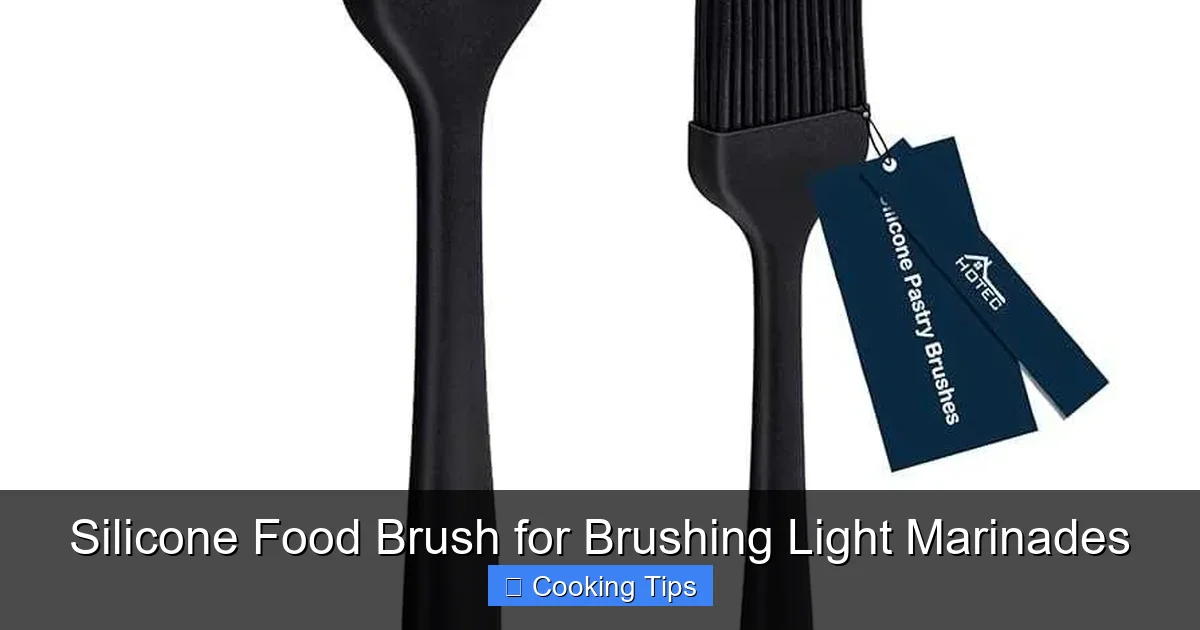
Discover the ease and effectiveness of using a silicone food brush for applying light marinades. This guide covers everything from choosing the right brush to cleaning it, ensuring your dishes are infused with delicious flavor. Learn why silicone is the superior choice for delicate basting and get ready to elevate your culinary creations with confidence and precision.
Key Takeaways
- Durable and Heat-Resistant: Silicone brushes withstand high cooking temperatures, making them ideal for basting meats and pastries directly on the grill or in the oven.
- Hygienic and Easy to Clean: Silicone is non-porous, preventing bacteria buildup. Most silicone brushes are dishwasher-safe, simplifying cleanup.
- Even Application: The flexible bristles of a silicone brush ensure a smooth and even distribution of light marinades, preventing clumping and ensuring consistent flavor.
- Versatile Use: Beyond marinades, silicone brushes are excellent for applying glazes, sauces, melted butter, egg washes, and even oil for greasing pans.
- No Bristle Shedding: Unlike traditional hog bristle brushes, silicone brushes don’t shed bristles into your food, ensuring a cleaner cooking experience.
- Ergonomic Design: Many silicone brushes feature comfortable, non-slip handles, providing better grip and control while you’re brushing.
Silicone Food Brush for Brushing Light Marinades
Are you ready to take your cooking to the next level? Brushing marinades onto your food might seem simple, but the right tool can make a world of difference. Today, we’re diving deep into the wonderful world of silicone food brushes, specifically how they can revolutionize the way you apply light marinades. Forget messy, uneven coatings and stubborn bristles. With a silicone brush, you’ll achieve perfect flavor infusion every single time.
This comprehensive guide will walk you through everything you need to know. We’ll explore why silicone is the superior choice for this task, how to choose the best silicone brush for your needs, and provide clear, step-by-step instructions on how to use it effectively. We’ll also cover essential cleaning and maintenance tips to keep your brush in top condition for years to come. By the end of this guide, you’ll be a pro at using your silicone food brush for all your marinating adventures.
Why Choose a Silicone Food Brush for Light Marinades?
Before we get into the how-to, let’s understand the “why.” Why should you ditch your old brushes for a silicone one when it comes to those delicate, light marinades? The answer lies in the material itself.
Superior Material Properties
Silicone is a synthetic polymer known for its remarkable properties. For cooking, this translates into several key advantages:
* Heat Resistance: Silicone can handle high temperatures, often up to 450°F (230°C) or even higher. This is crucial if you’re basting food that’s already on a hot grill or in a hot oven. You won’t have to worry about your brush melting or releasing harmful chemicals.
* Non-Porosity: Unlike natural bristles, silicone is completely non-porous. This means it won’t absorb liquids or odors, which is vital for hygiene. Marinades, especially those with strong flavors, won’t linger in the brush and contaminate other foods. It also means no nasty bacteria hiding in microscopic crevices.
* Flexibility and Durability: Silicone bristles are incredibly flexible yet robust. They can bend and flex to coat irregular surfaces evenly without scratching non-stick pans. They also maintain their shape over time, unlike natural bristles that can splay and become unusable.
* Food-Safe: High-quality silicone is BPA-free and FDA-approved, making it perfectly safe for contact with food.
Benefits for Light Marinades
When it comes to light marinades – think delicate herb infusions, citrus vinaigrettes, or subtle oil-based glazes – the advantages of silicone become even more pronounced:
* Even Distribution: The flexibility of silicone bristles allows for a smooth, even spread of thin liquids. This ensures that every inch of your food gets coated, leading to consistent flavor absorption. No more thick globs in one spot and bare patches elsewhere.
* No Clumping: Light marinades can sometimes be thin and prone to dripping or uneven application with stiffer brushes. Silicone bristles are designed to hold a good amount of liquid without excessive dripping, and their gentle spreading action prevents the marinade from clumping.
* Gentle Application: For delicate ingredients like fish, chicken breasts, or vegetables, a silicone brush offers a gentle touch. It won’t tear or damage the surface of the food, preserving its texture.
* Hygienic Basting: Since light marinades often contain fresh ingredients, keeping your basting tool clean is paramount. The non-porous nature of silicone means quick rinsing and no lingering food particles, ensuring food safety.
Choosing the Right Silicone Food Brush
Not all silicone food brushes are created equal. When you’re selecting one for your kitchen, consider these factors to ensure you get the best tool for brushing light marinades.
Bristle Type and Density
The shape, flexibility, and density of the bristles are key.
* Soft and Flexible Bristles: Look for brushes with soft, pliable bristles. These are ideal for gently spreading thin marinades without causing damage or unevenness. Avoid brushes with very stiff or widely spaced bristles, which might lead to drips.
* Dense Bristles: A higher bristle density helps hold more marinade and spread it more evenly. This is beneficial for lighter marinades that can be quite thin.
* One-Piece Construction: Some silicone brushes are made from a single piece of silicone, including the handle and bristles. This design is incredibly hygienic as there are no nooks or crannies for food to get trapped. It also means the bristles are less likely to detach.
Handle Design
The handle is your grip, so comfort and control are important.
* Ergonomic Grip: Many silicone brushes feature ergonomically designed handles that fit comfortably in your hand, often with a non-slip grip. This provides better control, especially when you’re working with hot surfaces or moving quickly.
* Length: Consider the length of the brush. A longer handle can be useful if you’re grilling over a high heat or need to reach into deep bowls.
Size of the Brush Head
The size of the brush head should match your typical cooking needs.
* Medium Size: For general use and brushing light marinades on most types of food (chicken, fish, vegetables), a medium-sized brush head (around 1.5-2 inches wide) is usually perfect.
* Larger or Smaller: If you frequently cook for large crowds or need to coat very large cuts of meat, a wider brush might be more efficient. Conversely, a smaller brush could be useful for delicate pastries or small appetizers.
Integrated Features
Some brushes come with helpful additions.
* Drip Catchers: Some brushes have a small lip or design feature to catch drips when the brush is set down. This can help keep your countertops clean.
* Storage Solutions: Consider if the brush comes with a hanging loop or a protective cover for storage.
How to Use Your Silicone Food Brush for Light Marinades: Step-by-Step
Now that you have your perfect silicone food brush, let’s get to the main event: using it! Brushing light marinades is straightforward, but a few tips can elevate your technique.
Step 1: Prepare Your Marinade
Ensure your light marinade is well-mixed. For lighter marinades, this might involve whisking together oil, vinegar, herbs, spices, and citrus juice. Make sure any solid ingredients are finely chopped or pureed if they are too large to pass through the brush bristles. Some very thick marinades might benefit from a quick blend to ensure smooth consistency. However, for truly *light* marinades, this step is usually minimal.
Step 2: Prepare Your Food
Make sure your food is ready for marinating. This could be meat, poultry, fish, vegetables, or even baked goods like bread before baking. Patting your food dry with paper towels can help the marinade adhere better, especially if it’s a thinner, oil-based marinade.
Step 3: Load the Brush
Dip the silicone brush into your light marinade. The flexible bristles will gently capture a good amount of liquid without becoming oversaturated and dripping excessively. Avoid submerging the entire brush head; a dip into the liquid is usually sufficient.
Step 4: Apply the Marinade
This is where the magic happens.
* Gentle Strokes: Use light, sweeping strokes to apply the marinade. Because the bristles are flexible, they will conform to the shape of your food, ensuring even coverage.
* Even Distribution: Work your way around the food, ensuring all surfaces receive a thin, even layer of marinade. For delicate items, use minimal pressure to avoid breaking them apart.
* Multiple Layers: For a more intense flavor, you can re-dip the brush and apply multiple thin layers. It’s often better to apply several light coats than one very thick one. This is particularly true for light marinades where over-application can lead to an unbalanced taste.
* During Cooking: If you are basting during cooking (e.g., on a grill or in the oven), do so periodically. The heat resistance of the silicone brush is crucial here. For example, when grilling chicken thighs, you might baste them with a lemon-herb marinade every 5-7 minutes to keep them moist and flavorful.
Step 5: Avoid Cross-Contamination
This is a critical food safety step.
* Dedicated Brush: If you are using the same marinade throughout the cooking process and with raw food, ensure you are using the brush exclusively for raw items before they are cooked, or designate a separate brush for cooked items.
* Clean Between Uses: If you are applying different marinades or switching from raw to cooked food, it’s essential to clean your brush between uses. A quick rinse under hot water might suffice if you’re just switching to a different type of food being cooked at the same time, but a thorough wash is best if there’s any risk of cross-contamination between raw and cooked foods.
Step 6: Finishing Touches
Once your food is cooked, you might use the brush one last time for a final glaze or sauce application. This is where a silicone brush truly shines, as it can apply those shiny, flavorful finishes without disrupting the texture of your perfectly cooked meal.
Practical Tips for Brushing Light Marinades
Beyond the basic steps, here are some pro tips to make your marinating process even better.
Tip 1: The “Dip and Swirl” Technique
Instead of just dunking, try a gentle swirl motion when loading the brush. This helps the bristles capture more liquid evenly, and when you apply it, the marinade will spread more smoothly.
Tip 2: For Thinner Marinades
If your marinade is extremely thin, like a simple vinaigrette, you might find you need to dip and brush more frequently. This is where the speed of a silicone brush is helpful. Its flexibility ensures you get a good coating quickly.
Tip 3: Don’t Forget the Details
Brush marinades into crevices, under skin (for poultry), and around edges. Silicone bristles are flexible enough to reach these spots without being aggressive.
Tip 4: Use it for More Than Just Marinades
While this guide focuses on light marinades, remember your silicone brush is a kitchen workhorse.
* Glazes: Perfect for applying sticky glazes to ham, turkey, or desserts.
* Melted Butter/Oil: Brushing melted butter over corn on the cob, bread, or seafood.
* Egg Wash: Applying a beautiful, glossy egg wash to pastries and breads before baking.
* Sauces: Lightly saucing dishes during the last few minutes of cooking.
Tip 5: Practice Makes Perfect
The more you use your silicone brush, the more intuitive it will become. Experiment with different types of light marinades and foods to discover what works best for you.
Cleaning and Maintaining Your Silicone Food Brush
Proper cleaning and maintenance are crucial to ensure your silicone food brush lasts a long time and remains hygienic.
Daily Cleaning
* **Rinse Immediately:** After each use, rinse the brush under hot running water. This will remove most of the residue from the marinade.
* **Soap and Water Wash:** For a more thorough clean, wash the brush with warm, soapy water. You can use a soft sponge or cloth. Gently pull the bristles apart to ensure soap reaches all surfaces.
* **Dishwasher Safe:** Most silicone food brushes are dishwasher safe. Place them on the top rack of your dishwasher for easy and effective cleaning. Check the manufacturer’s instructions for your specific brush.
Deep Cleaning (If Needed)
* **Soaking:** If you notice any stubborn residue or odors that won’t come out with regular washing, you can soak the brush in a solution of warm water and a bit of white vinegar or baking soda for about 30 minutes.
* **Boiling (Optional): For extra sanitization, some people choose to boil their silicone brushes for a few minutes. Ensure your brush is heat-resistant enough for this.
Drying and Storage
* **Air Dry Thoroughly:** After washing, allow the brush to air dry completely. Hang it up or place it bristles-up in a drying rack to prevent moisture from being trapped.
* **Proper Storage:** Store your clean and dry brush in a clean, dry place. If it comes with a protective sleeve, use it. Avoid storing it in a drawer where it can come into contact with other kitchen tools, which could introduce dirt or damage the bristles.
Troubleshooting Common Issues
Even with the best tools, you might encounter minor issues. Here’s how to solve them.
Issue: Brush is dripping too much.
Solution: This is often due to overloading the brush. Try dipping it more gently and only loading enough marinade to cover the bristles. Also, ensure your marinade isn’t excessively thin if you’re having trouble controlling drips. The density of the bristles on good silicone brushes should help minimize this, but technique plays a role too.
Issue: Marinade is getting stuck in the bristles.
Solution: This is rare with quality silicone brushes. If it’s happening, ensure you are cleaning the brush thoroughly with soap and water after each use. If the marinade is very thick or contains chunky bits, you might need to pre-process those chunks to a finer consistency.
Issue: The brush has a slight silicone odor.
Solution: A faint odor can sometimes occur with new silicone items. Wash the brush thoroughly with soap and water, and then try soaking it in a solution of white vinegar and water. Air dry completely. The odor should dissipate with use and proper cleaning.
Conclusion
Embracing a silicone food brush for your light marinades is a simple yet impactful upgrade to your kitchen arsenal. Its superior hygiene, heat resistance, and ability to apply marinades evenly make it the perfect companion for infusing flavor into your dishes. From delicate fish to robust chicken, your food will benefit from the consistent, gentle application that only a quality silicone brush can provide.
By following the tips and techniques in this guide, you’re well on your way to mastering the art of marinating. Remember to choose wisely, use it effectively, and clean it diligently. Happy cooking, and enjoy the delicious results!
