

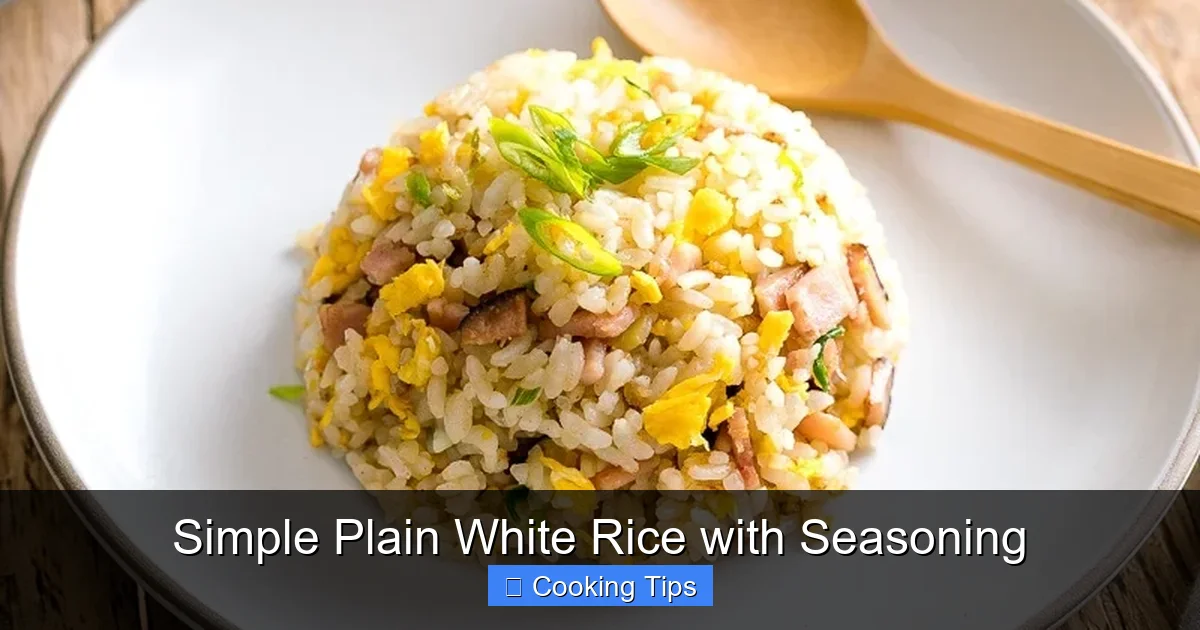
Elevate your rice game with this easy guide to simple plain white rice with seasoning. Learn the perfect cooking methods and discover how to infuse basic rice with delicious flavors. From finding the ideal water-to-rice ratio to simple seasoning ideas, this guide will help you achieve fluffy, flavorful rice for any meal.
Simple Plain White Rice with Seasoning
Welcome to the ultimate guide to mastering simple plain white rice with seasoning! Rice is a staple food for a reason. It’s versatile, filling, and can be the perfect canvas for so many flavors. But let’s be honest, sometimes plain rice can be a little… well, plain. This guide is here to change that. We’re going to dive deep into how to cook fluffy, perfectly textured white rice and then show you how to elevate it with simple, delicious seasonings.
You’ll learn everything from the crucial water-to-rice ratio to the best cooking methods. We’ll cover rinsing techniques, simmering secrets, and how to let your rice steam to perfection. Plus, we’ll explore a variety of easy seasoning ideas that will transform your side dish into a star. Get ready to impress yourself and anyone you cook for with your newfound rice-cooking prowess!
- Understand the fundamental rice-to-water ratio: The correct ratio is crucial for fluffy, perfectly cooked rice. Too much water leads to mushy rice, while too little results in dry, undercooked grains.
- Master the rinsing technique: Rinsing rice removes excess starch, preventing it from becoming gummy and helping each grain stay separate and fluffy.
- Learn the importance of simmering: Gentle simmering is key to evenly cooking the rice without burning the bottom or making it mushy. Proper heat control is essential.
- Discover simple seasoning additions: Beyond salt, explore herbs, spices, broth, or even a touch of fat to enhance the flavor of plain white rice.
- Recognize common pitfalls: Avoid common mistakes like lifting the lid too often, using the wrong heat level, or incorrect water amounts, which can lead to disappointing results.
The Foundation: Choosing and Preparing Your Rice
Before we even think about heat or water, let’s talk about the star of our show: the rice itself. For this guide, we’re focusing on plain white rice. This usually refers to long-grain white rice, medium-grain white rice, or short-grain white rice. Each has its own subtle characteristics, but the cooking principles are largely the same.
Choosing Your Rice Type
* Long-grain white rice: Think Basmati or Jasmine. These varieties tend to be more separate and fluffy when cooked. They are excellent for pilafs and as a general side.
* Medium-grain white rice: This includes rice like Arborio (though often used for risotto, it’s a medium grain). It’s a bit stickier than long-grain but not as much as short-grain.
* Short-grain white rice: This rice is plump and becomes stickier when cooked. It’s ideal for sushi or dishes where you want the rice to hold together.
For most everyday purposes, long-grain white rice is a fantastic choice for this simple preparation.
The Crucial First Step: Rinsing Your Rice
This step is non-negotiable for achieving perfectly fluffy rice. Rinsing removes excess surface starch. If you skip this, your rice can turn out gummy and clumpy.
* H3: How to Rinse Rice
1. Place your desired amount of uncooked white rice into a fine-mesh sieve.
2. Hold the sieve under cold running water.
3. Gently swirl the rice with your hand. You’ll see the water turn cloudy, that’s the starch washing away.
4. Continue rinsing until the water runs mostly clear. This usually takes 3-5 rinses.
5. Let the rice drain thoroughly in the sieve for a few minutes.
This simple action makes a world of difference in the final texture. If you’re curious about why rice becomes mushy, understanding the role of starch is key, and rinsing helps prevent that.
The Perfect Ratio: Water to Rice
Visual guide about Simple Plain White Rice with Seasoning
Image source: ohsofoodie.com
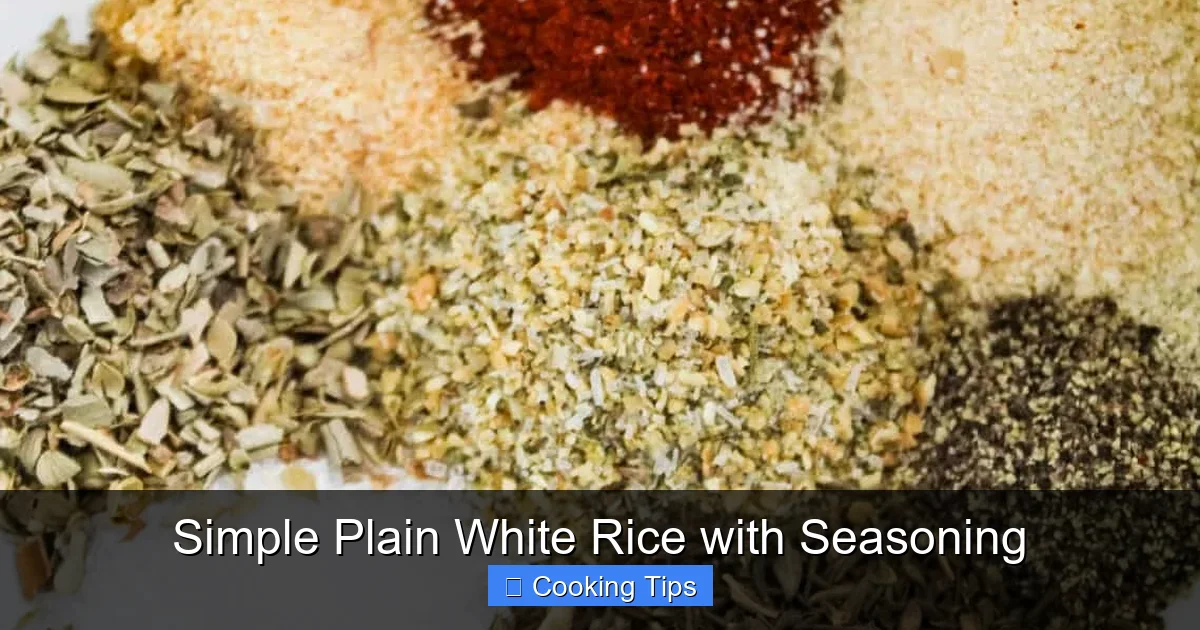
Getting the water-to-rice ratio right is perhaps the most critical step in cooking rice. While box instructions can be helpful, a good general rule of thumb for most white rice is:
1 cup of uncooked rice to 2 cups of water.
However, this can vary slightly depending on the type of rice and your cooking method. For instance, some people prefer a slightly lower ratio for certain types of rice to ensure extra fluffiness. If you’re using a rice cooker, there are specific recommendations, and you can learn what is the ratio of water to rice in a rice cooker here.
Adjusting for Cooking Method
* Stovetop: The 1:2 ratio (rice to water) is generally a good starting point.
* Rice Cooker: Rice cooker manufacturers often have specific guidelines, and generally, you might use slightly less water than on the stovetop, sometimes closer to 1:1.5 or 1:1.75. Always check your rice cooker’s manual.
Cooking Your Rice: Stovetop Method
Visual guide about Simple Plain White Rice with Seasoning
Image source: bigoven-res.cloudinary.com
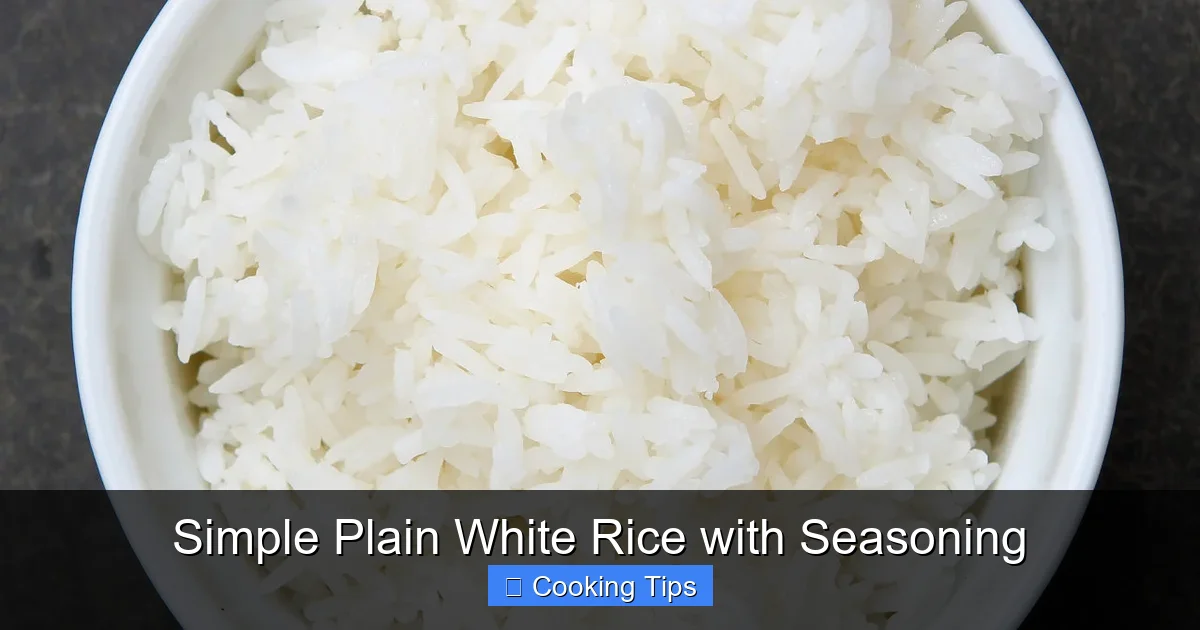
The stovetop method is classic and effective. It requires a bit more attention but gives you a great sense of accomplishment when done right.
Step 1: Combine Rice and Water
* After rinsing and draining your rice, place it into a medium-sized saucepan with a tight-fitting lid.
* Add your measured water.
Step 2: Add Your Initial Seasoning (Salt)
* For a basic savory flavor, add about 1/2 teaspoon of salt per cup of uncooked rice. You can adjust this later, but it’s good to get some flavor in from the start.
* You can also add a tablespoon of butter or oil at this stage if you like, which adds richness and can help prevent sticking.
Step 3: Bring to a Boil
* Place the saucepan over medium-high heat.
* Bring the water to a rolling boil, uncovered.
Step 4: Reduce Heat and Simmer
* As soon as the water reaches a boil, immediately reduce the heat to the absolute lowest setting your stovetop can manage.
* Cover the saucepan tightly with its lid.
* Let the rice simmer gently for about 15-20 minutes. Resist the urge to lift the lid! Lifting the lid releases steam, which is essential for cooking the rice evenly. This is one of the common mistakes while cooking with lid on that can ruin your rice.
Step 5: Resting (Steaming)
* After 15-20 minutes, turn off the heat completely.
* Let the rice sit, covered, for another 5-10 minutes. This resting period allows the steam to finish cooking the rice and redistribute moisture evenly. It’s a crucial step for fluffy rice.
Step 6: Fluffing
* Remove the lid.
* Use a fork or a rice paddle to gently fluff the rice. This separates the grains and releases any remaining excess steam.
Cooking Your Rice: Rice Cooker Method
Visual guide about Simple Plain White Rice with Seasoning
Image source: kroger.com
If you have a rice cooker, it takes much of the guesswork out of the equation.
Step 1: Rinse and Drain Rice
* Follow the rinsing steps mentioned earlier.
Step 2: Add Rice, Water, and Seasoning to the Rice Cooker
* Place the rinsed rice into the inner pot of your rice cooker.
* Add the correct amount of water according to your rice cooker’s instructions or the general guidelines for rice cookers.
* Add your salt or other initial seasonings.
Step 3: Cook
* Close the lid and select the appropriate cooking cycle (usually “white rice”).
* Let the rice cooker do its magic. It will automatically switch to “keep warm” when done.
Step 4: Rest and Fluff
* Once the cycle is complete, let the rice sit in the cooker for about 10 minutes before opening the lid.
* Then, fluff gently with a fork or rice paddle.
Using a rice cooker is a fantastic way to ensure consistency. If you’re wondering how to use a Black and Decker rice cooker, most models follow similar principles of adding ingredients and selecting a cycle.
Simple Seasoning Ideas to Elevate Your Rice
Now that you have perfect plain white rice, let’s talk about adding flavor! These are simple additions that can make a big impact.
1. Beyond Salt: Enhanced Savory Base
* Broth/Stock: Instead of water, use chicken, vegetable, or beef broth. This adds a depth of savory flavor that water simply can’t provide. Use the same ratio as you would with water.
* Garlic and Onion Powder: Add 1/4 to 1/2 teaspoon of garlic powder and onion powder along with your salt before cooking. This gives a subtle but delicious aromatic foundation.
* Butter or Ghee: Stirring in a tablespoon of butter or ghee after cooking adds richness and a lovely sheen.
2. Fresh Herbs
* After Cooking: Stir in finely chopped fresh herbs like parsley, cilantro, chives, or dill right after fluffing the rice. The residual heat will gently wilt them and release their fragrance.
* During Cooking (with caution): You can add a sprig of rosemary or thyme to the water while cooking, but remove it before serving. Be mindful that strong herbs can overpower the rice.
3. Spices
* Toasted Spices: Lightly toast whole spices like cumin seeds, coriander seeds, or cardamom pods in a dry pan until fragrant, then add them to the cooking water. Remove them before serving.
* Ground Spices: Add a pinch of turmeric for color and a mild earthy flavor, or a dash of smoked paprika for a subtle smokiness. Be careful not to add too much, as they can be potent.
4. Citrus Zest
* The zest of half a lemon or lime, added after cooking, provides a bright, refreshing lift to the rice. It’s especially good with fish or chicken dishes.
5. A Touch of Umami
* Soy Sauce/Tamari: A drizzle of soy sauce or tamari after cooking adds a salty, umami punch. Start with a teaspoon and add more to taste. Be aware this will color your rice.
* Nutritional Yeast: For a cheesy, savory flavor without dairy, stir in a tablespoon of nutritional yeast after cooking.
6. Aromatic Oils
* A few drops of toasted sesame oil stirred in after cooking add a wonderful nutty aroma and flavor, common in Asian cuisines.
Practical Tips for Perfect Rice
* Measure Accurately: Always measure your rice and water precisely.
* Don’t Peek! Resist the urge to lift the lid while the rice is simmering. This is a critical step.
* Low and Slow is Key: Gentle simmering is better than high heat. Understanding how to adjust heat while cooking rice is vital.
* Resting is Essential: Don’t skip the resting period after cooking.
* Fluff, Don’t Stir Vigorously: Gentle fluffing with a fork is best for separating grains.
Troubleshooting Common Rice Problems
Even with the best intentions, sometimes things go wrong. Here are a few common issues and how to fix them:
My Rice is Mushy!
This is often due to too much water or overcooking.
* Fix: If it’s only slightly mushy, fluffing it well and letting it air out a bit can help. If it’s very wet, you can try spreading it on a baking sheet and gently warming it in a low oven (around 250°F/120°C) for a few minutes to evaporate excess moisture. For future reference, check out our guide on why rice becomes mushy to prevent it.
My Rice is Dry and Undercooked!
This usually means not enough water or not enough cooking time.
* Fix: Add a tablespoon or two of hot water to the rice, cover it again, and cook on very low heat for another 5-10 minutes. The water will be absorbed, and the rice should soften.
My Rice is Sticking to the Bottom of the Pot!
This happens when the heat is too high, or the rice isn’t stirred during cooking (which we generally advise against for plain rice, but it can happen if the heat is uneven).
* Fix: If it’s just a light sticking, you might be able to scrape it off and fluff the rest of the rice. If it’s burned, unfortunately, the burned flavor can spread. For future cooking, ensure you are using the lowest possible heat and a good quality saucepan.
My Rice is Clumpy!
This is a classic sign of unrinsed rice.
* Fix: You can try gently separating the clumps with a fork once it’s cooked and fluffed. However, the best solution is to remember to rinse thoroughly next time!
Conclusion
Cooking simple plain white rice with seasoning doesn’t have to be a mystery. By understanding the fundamental steps – proper rinsing, the correct water-to-rice ratio, gentle simmering, and adequate resting – you can consistently achieve fluffy, delicious rice. Adding simple seasonings takes this staple from basic to brilliant. Experiment with broths, herbs, spices, and aromatics to find your favorite flavor combinations. With these techniques, you’ll be serving up perfect rice that complements any meal with ease. Happy cooking!
