

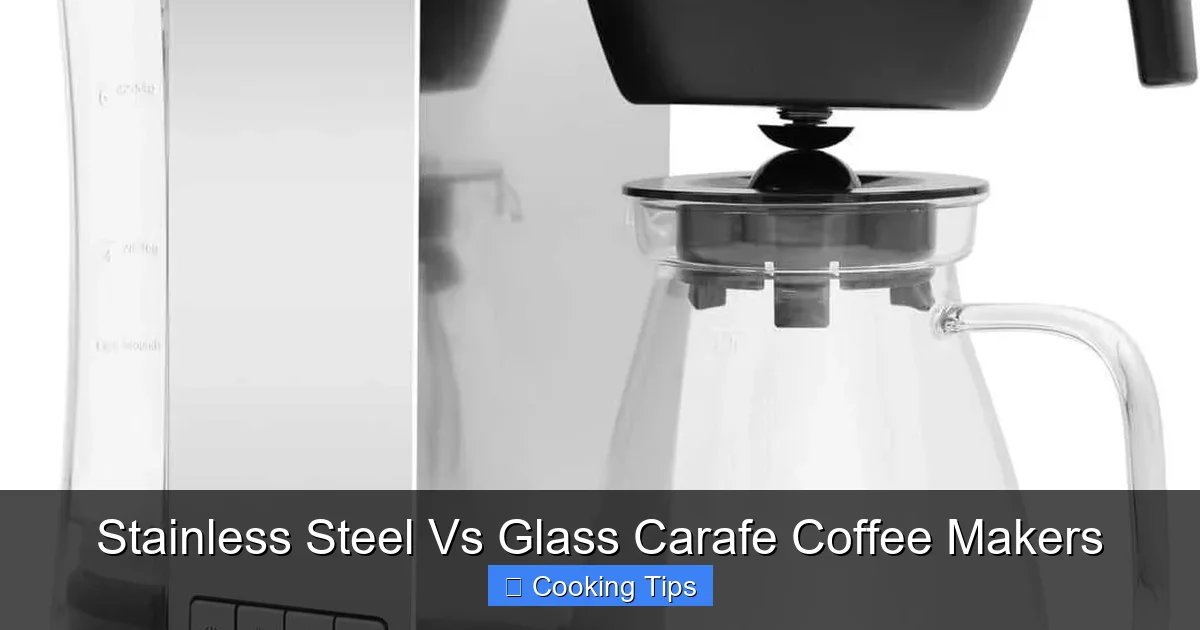
Choosing between a stainless steel and glass carafe coffee maker impacts your brewing experience and coffee’s taste. This guide helps you decide by exploring the advantages and disadvantages of each, focusing on durability, heat retention, cleaning, and cost. Make an informed choice for your perfect cup of coffee.
Stainless Steel Vs Glass Carafe Coffee Makers: Your 2026 Guide
Ah, coffee. For many of us, it’s the essential fuel that powers our mornings, sparks conversations, and provides a comforting ritual. But have you ever stopped to think about the humble carafe that holds your precious brew? The material of your coffee maker’s carafe can actually make a surprising difference in how your coffee tastes, how long it stays hot, and even how long your coffee maker lasts. In 2026, with so many options on the market, making the right choice is more important than ever.
This guide is here to demystify the age-old debate: stainless steel versus glass carafe coffee makers. We’ll dive deep into the pros and cons of each, explore their maintenance needs, and help you determine which material is the perfect fit for your brewing needs and lifestyle. By the end of this guide, you’ll have a clear understanding to make an informed decision for your next coffee maker purchase.
Key Takeaways
- Durability Matters: Stainless steel carafes are significantly more durable and shatterproof than glass, making them ideal for busy kitchens or households with children.
- Heat Retention: Stainless steel excels at keeping coffee hot for extended periods without a warming plate, preventing the burnt taste often associated with glass carafes left on heat.
- Taste Preservation: While glass offers a neutral taste, some argue that prolonged exposure to heat can affect coffee flavor in glass carafes. Stainless steel, when clean, generally preserves the coffee’s intended taste.
- Cleaning and Maintenance: Glass carafes are typically easier to see inside and scrub clean. Stainless steel requires specific cleaning methods to avoid scratching and maintain its appearance.
- Cost and Lifespan: Stainless steel coffee makers often have a higher upfront cost but can offer a longer lifespan due to their robust construction. Glass carafes are generally more affordable but prone to breakage.
- Aesthetics and Functionality: Glass carafes allow you to see the coffee level at a glance and are often chosen for their classic, transparent look. Stainless steel carafes offer a sleek, modern aesthetic and superior thermal insulation.
Understanding the Carafe’s Role
Before we pit stainless steel against glass, let’s understand why the carafe material is such a big deal. The carafe is where your freshly brewed coffee collects. Its primary jobs are to hold the coffee, keep it warm, and allow for easy pouring. The material it’s made from influences its ability to do these jobs effectively, as well as its durability and ease of care.
Stainless Steel Carafes: The Durable Powerhouse
Stainless steel carafes have gained significant popularity in recent years, and for good reason. They are known for their robust construction and excellent performance. Let’s break down their advantages and disadvantages.
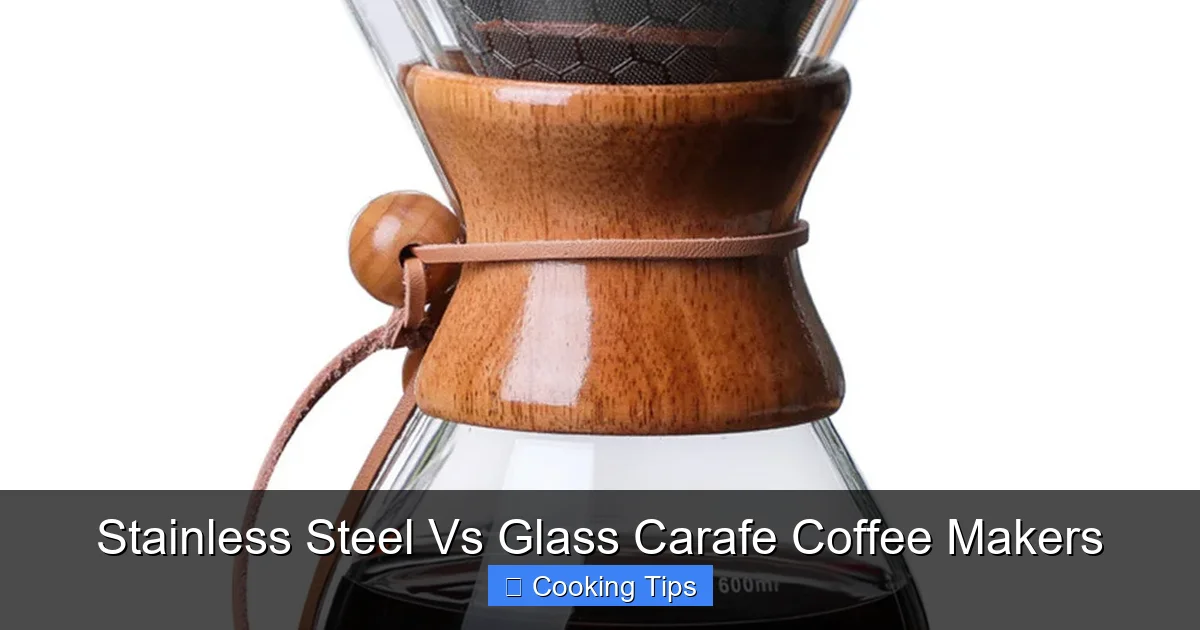
Visual guide about Stainless Steel Vs Glass Carafe Coffee Makers
Image source: i5.walmartimages.com
Pros of Stainless Steel Carafes
- Unmatched Durability: This is perhaps the biggest selling point of stainless steel. Unlike glass, stainless steel is virtually indestructible. You don’t have to worry about accidental drops or chips. This makes them a fantastic choice for busy households, families with young children, or anyone prone to the occasional kitchen mishap.
- Superior Heat Retention: Most stainless steel carafes are double-walled and vacuum-insulated. This design traps heat incredibly effectively, keeping your coffee hot for hours without the need for a warming plate. This is crucial because many coffee makers with glass carafes rely on a warming plate, which can scorch and degrade the coffee’s flavor over time, leading to that bitter, burnt taste. With stainless steel, your last cup can be as enjoyable as your first.
- No Risk of Shattering: A broken glass carafe is not only a mess to clean up but also means your coffee maker is temporarily out of commission until you can get a replacement. Stainless steel eliminates this worry entirely.
- Sleek, Modern Aesthetics: Many users appreciate the clean, modern look of stainless steel carafes. They can add a touch of sophistication to your kitchen countertop.
- BPA-Free: Stainless steel is an inert material, meaning it doesn’t leach chemicals into your coffee, which is a common concern with some plastics.
Cons of Stainless Steel Carafes
- Higher Upfront Cost: Generally, coffee makers with stainless steel carafes tend to have a higher initial price point compared to their glass-carafe counterparts. This is due to the cost of the material and the more complex manufacturing process for insulated carafes.
- Difficult to See Coffee Level: Because they are opaque, you can’t easily see how much coffee is left in a stainless steel carafe. Some models come with a clear indicator window, but this isn’t always the case. You might need to develop a feel for it or lift the carafe to gauge the amount.
- Potential for Staining and Odors: While durable, stainless steel can sometimes pick up coffee stains or odors over time if not cleaned properly. This requires specific cleaning techniques to maintain its pristine condition.
- Can Scratch: While robust, abrasive cleaning tools or harsh scrubbing can lead to scratches on the surface of a stainless steel carafe, affecting its appearance.
Glass Carafes: The Classic Choice
Glass carafes have been the standard for coffee makers for decades, and for good reason. They offer a straightforward, visual approach to brewing.
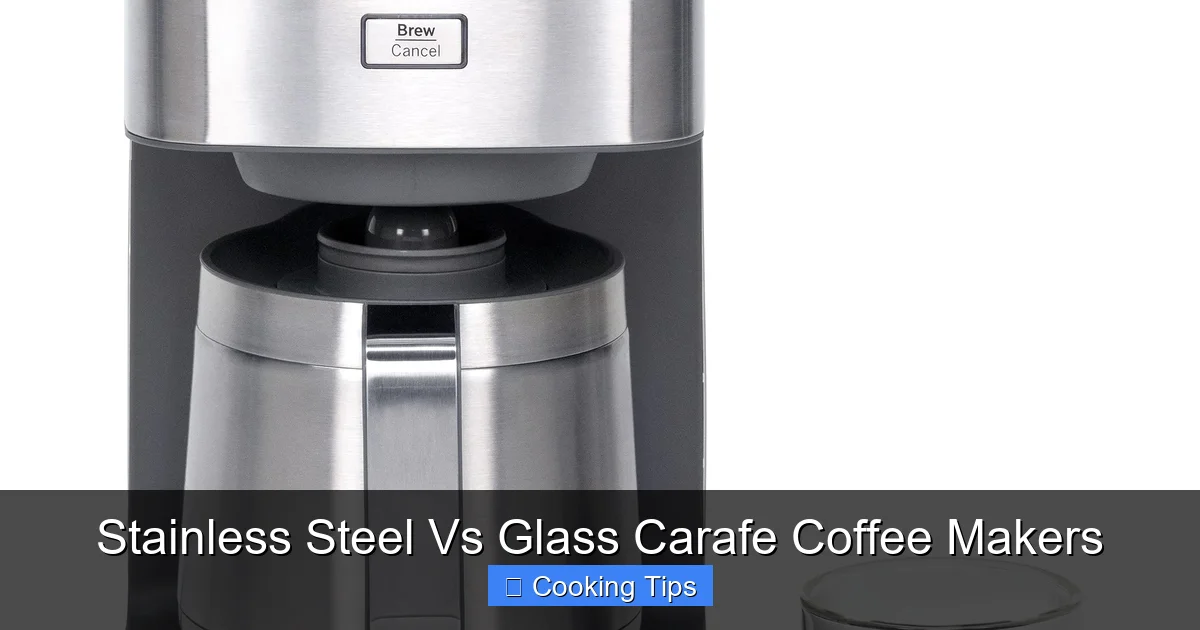
Visual guide about Stainless Steel Vs Glass Carafe Coffee Makers
Image source: m.media-amazon.com
Pros of Glass Carafes
- Affordability: Coffee makers with glass carafes are typically more budget-friendly. This makes them an accessible option for many consumers.
- Easy to Monitor Coffee Level: The transparency of glass allows you to see exactly how much coffee you have left at a glance. This can be very convenient for portioning or knowing when it’s time to brew another pot.
- Neutral Taste: Glass is a non-porous and inert material. It doesn’t react with coffee and is unlikely to impart any unwanted flavors or odors, ensuring a pure coffee taste.
- Easy to Clean (Visually): It’s easy to see if there are any coffee grounds or residue stuck inside a glass carafe, making it straightforward to know when and where to scrub.
- Classic Aesthetic: Many people associate the classic, transparent glass carafe with the comforting ritual of making and serving coffee.
Cons of Glass Carafes
- Fragility and Breakage: This is the most significant drawback. Glass is inherently fragile and prone to breaking, whether from accidental drops, thermal shock (sudden temperature changes), or impact. A broken carafe means a potential safety hazard and the need for immediate replacement.
- Warming Plate Issues: Most coffee makers with glass carafes use a warming plate to keep the coffee hot. While functional, these plates can easily scorch the coffee if left on for too long, leading to a bitter, burnt taste that diminishes the quality of your brew.
- Shorter Lifespan: Due to the risk of breakage, glass carafes often have a shorter overall lifespan compared to stainless steel.
- Thermal Shock: Pouring very hot coffee into a cold glass carafe, or vice-versa, can cause the glass to crack or shatter.
Comparing Key Features: Stainless Steel vs. Glass
Let’s put these two materials head-to-head on the most important factors for coffee lovers.
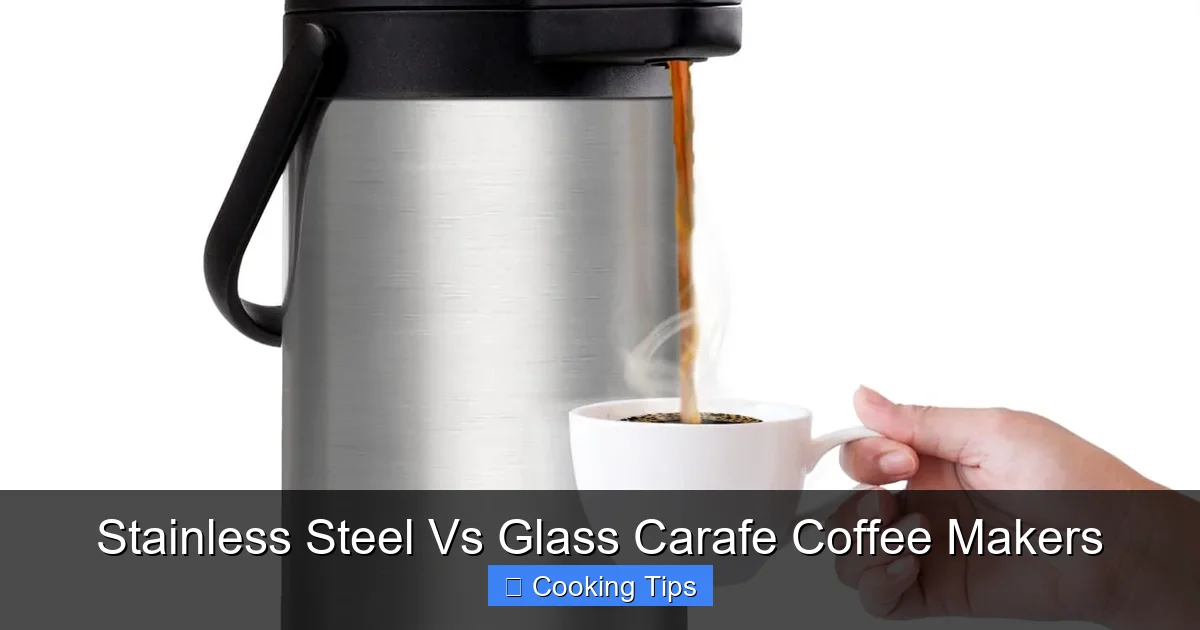
Visual guide about Stainless Steel Vs Glass Carafe Coffee Makers
Image source: m.media-amazon.com
Heat Retention
Stainless Steel: Excels. Double-walled, vacuum-insulated stainless steel carafes can keep coffee hot for 4-6 hours or even longer, without a warming plate. This is a game-changer for preserving coffee flavor.
Glass: Relies on a warming plate. While it keeps coffee warm, the plate can degrade the taste of coffee left sitting for extended periods, often within an hour or two.
Durability
Stainless Steel: Superior. Extremely resistant to drops, impacts, and general wear and tear. Built to last.
Glass: Poor. Highly susceptible to breakage from drops, impacts, and thermal shock.
Taste Preservation
Stainless Steel: Excellent. When cleaned properly, it doesn’t impart flavors. Keeping coffee off a hot plate also prevents the burnt taste.
Glass: Good. The material itself is neutral. However, the reliance on a warming plate for extended periods can negatively impact taste.
Ease of Cleaning
Stainless Steel: Moderate. Requires careful cleaning to avoid scratches. Coffee oils and residue can build up and require specific cleaning agents or techniques.
Glass: Easy. You can easily see where to scrub, and most glass carafes can be cleaned with standard dish soap and a sponge. However, deep-set stains can be stubborn.
Cost
Stainless Steel: Higher upfront cost, but potentially lower long-term cost due to durability and lifespan.
Glass: Lower upfront cost, but may require more frequent replacements due to breakage.
Maintaining Your Carafe
Proper care will extend the life and performance of your coffee carafe, regardless of the material.
Caring for Your Stainless Steel Carafe
- Daily Cleaning: Rinse the carafe thoroughly after each use. Wash with warm, soapy water and a non-abrasive sponge or cloth.
- Deep Cleaning: For stubborn stains or odors, use a mixture of baking soda and water to create a paste. Apply the paste, let it sit for 15-30 minutes, then gently scrub and rinse thoroughly. Alternatively, you can use a specialized stainless steel cleaner.
- Avoid Abrasives: Never use steel wool, abrasive scouring pads, or harsh chemical cleaners, as these can scratch the surface.
- Drying: Allow the carafe to air dry completely upside down to prevent water spots.
- Vinegar Soak: For very persistent coffee oils, a soak with a diluted white vinegar solution (1 part vinegar to 3 parts water) can be effective. Rinse thoroughly afterward.
Caring for Your Glass Carafe
- Gentle Handling: Always handle with care to avoid dropping or bumping.
- Daily Cleaning: Wash with warm, soapy water and a soft sponge or brush immediately after use.
- Stubborn Stains: For coffee stains or mineral deposits, a mixture of baking soda and water or a vinegar solution can be helpful. Specialized coffee pot cleaners are also available.
- Avoid Thermal Shock: Do not pour very hot water into a cold carafe, or vice-versa. Allow the carafe to reach room temperature before filling or washing with hot water.
- Check for Cracks: Before each use, inspect the glass for any small cracks or chips, as these can worsen and lead to breakage.
- Dishwasher Safe?: Check your manufacturer’s instructions. Many glass carafes are top-rack dishwasher safe, but handwashing is often recommended for longevity.
Troubleshooting Common Carafe Issues
Even with the best care, you might encounter a few issues.
Stainless Steel Carafe Problems:
- Coffee Tastes Stale/Metallic: This can happen if the carafe isn’t cleaned thoroughly and coffee oils build up. Ensure you’re using the recommended cleaning methods and consider a deep clean with baking soda or vinegar.
- Scratches on the Surface: Unfortunately, once scratches appear, they are difficult to remove. This is a reminder to always use non-abrasive cleaning tools. The functionality of the carafe is usually not affected by minor scratches.
- Lid Not Sealing Properly: Check for any bent components or debris around the lid mechanism. If it’s a manufacturing defect, you may need to contact the manufacturer.
Glass Carafe Problems:
- Cracked or Broken Carafe: This is the most common and unfortunate issue. You will need to purchase a replacement carafe specific to your coffee maker model.
- Coffee Burns on Warming Plate: This is an inherent limitation of glass carafes relying on warming plates. The best solution is to consume coffee promptly or transfer it to an insulated thermal carafe if you plan to keep it hot for longer.
- Cloudy or Milky Appearance: This is often due to mineral buildup from hard water. A vinegar soak or specialized descaling solution should help clear this up.
Making Your Choice: Which Carafe is Right for You?
The decision between a stainless steel and a glass carafe coffee maker ultimately comes down to your priorities and lifestyle. Ask yourself these questions:
- How important is durability to you? If you have a busy, active household or are prone to accidents, stainless steel is the clear winner.
- How long do you typically keep your coffee hot? If you like to sip coffee throughout the morning or forget about a pot that’s been brewing, the superior heat retention of stainless steel will prevent that burnt taste.
- What is your budget? Glass carafes offer a more budget-friendly entry point.
- Do you value seeing your coffee level at a glance? If this is a must-have, glass has an edge, though some stainless steel models offer windows.
- Are you willing to invest a bit more upfront for long-term benefits? Stainless steel often offers a longer lifespan and better overall coffee quality over time.
Conclusion
In 2026, the choice between a stainless steel and glass carafe coffee maker is more than just a material preference; it’s about optimizing your daily coffee experience. Stainless steel carafes offer unparalleled durability and exceptional heat retention, ensuring your coffee stays hot and tastes great for hours without the dreaded scorch. They are a robust investment for busy lives. Glass carafes, on the other hand, provide an affordable, visually transparent option that many have come to love. However, their fragility and reliance on warming plates can compromise taste and longevity.
Consider your own habits, your kitchen environment, and your taste preferences. For many, the benefits of a stainless steel carafe – its longevity, superior heat preservation, and consistent taste quality – make it the superior choice for a truly enjoyable coffee experience, day after day. Whichever you choose, proper care and maintenance will ensure you get the most out of your coffee maker.
