
Are you tired of soggy fried food? This guide explains the science behind why too much oil leads to disappointment and provides practical solutions. We’ll walk you through the correct oil temperatures, techniques, and common pitfalls to ensure your dishes are golden, crisp, and delicious every time. Say goodbye to greasy, unappetizing results!
Using Too Much Oil Leading to Soggy Food
Welcome to our comprehensive guide for 2026 on a common culinary challenge: using too much oil leading to soggy food. We’ve all been there – excitedly anticipating a batch of perfectly golden fries or crispy chicken wings, only to be met with a greasy, limp disappointment. The culprit? Often, it’s an excess of oil, or more accurately, oil used incorrectly. In this guide, we’ll demystify why this happens and equip you with the knowledge and techniques to achieve consistently crisp and delicious results.
Key Takeaways
- Understanding the Oil-Food Interaction: Too much oil overwhelms the food’s surface, preventing proper browning and crisping, leading to a greasy, soggy texture.
- The Crucial Role of Temperature: Maintaining the correct oil temperature is paramount. Too low and the food absorbs excess oil; too high and the outside burns before the inside cooks.
- Proper Oil Levels for Different Cooking Methods: Deep-frying requires a specific amount of oil to submerge food. Pan-frying and stir-frying need less, and the technique differs.
- Draining is Not an Option, Prevention Is: Relying solely on draining after cooking won’t fix the underlying issue of too much oil absorption.
- The Science of Crispiness: High heat rapidly evaporates moisture from the food’s surface, creating a crispy crust. Excess oil interferes with this crucial evaporation process.
- Choosing the Right Cooking Vessel: The type of pan or pot you use can significantly impact how the oil heats and interacts with your food.
Why Too Much Oil Makes Food Soggy
It might seem counterintuitive. Isn’t frying all about immersing food in hot oil? While oil is essential for frying, the quantity and how it’s used are critical. When you overload the pan with too much oil, or when the oil isn’t at the right temperature, it can actively work against achieving crispiness.
Here’s the breakdown:
The Science of Crispiness
When food is fried at the correct temperature, the intense heat causes the moisture on the surface of the food to rapidly turn into steam and evaporate. This evaporation process is what creates that desirable crispy crust. Think of it like water boiling away, leaving behind a dry, crunchy surface.
How Excess Oil Interferes
When there’s too much oil in the pan, or the oil isn’t hot enough, a few things go wrong:
- Slower Evaporation: The abundance of oil can act as an insulating layer. Instead of rapidly evaporating, moisture gets trapped within the food, or the oil seeps in, leading to a greasy, soggy interior and exterior.
- Lower Cooking Temperature: Adding too much cold food to too little oil, or frying at too low a temperature, causes the oil’s temperature to drop significantly. This is a recipe for absorption. The food essentially boils in the oil rather than frying.
- Lack of Browning: Proper browning requires sufficiently high heat to facilitate the Maillard reaction – the complex chemical process that creates flavor and color. If the oil is too cool, this reaction is sluggish, and the food won’t develop that appealing golden-brown hue.
Mastering the Right Oil Amount for Frying
The “right amount” of oil isn’t a universal number; it depends on your cooking method.
Deep Frying
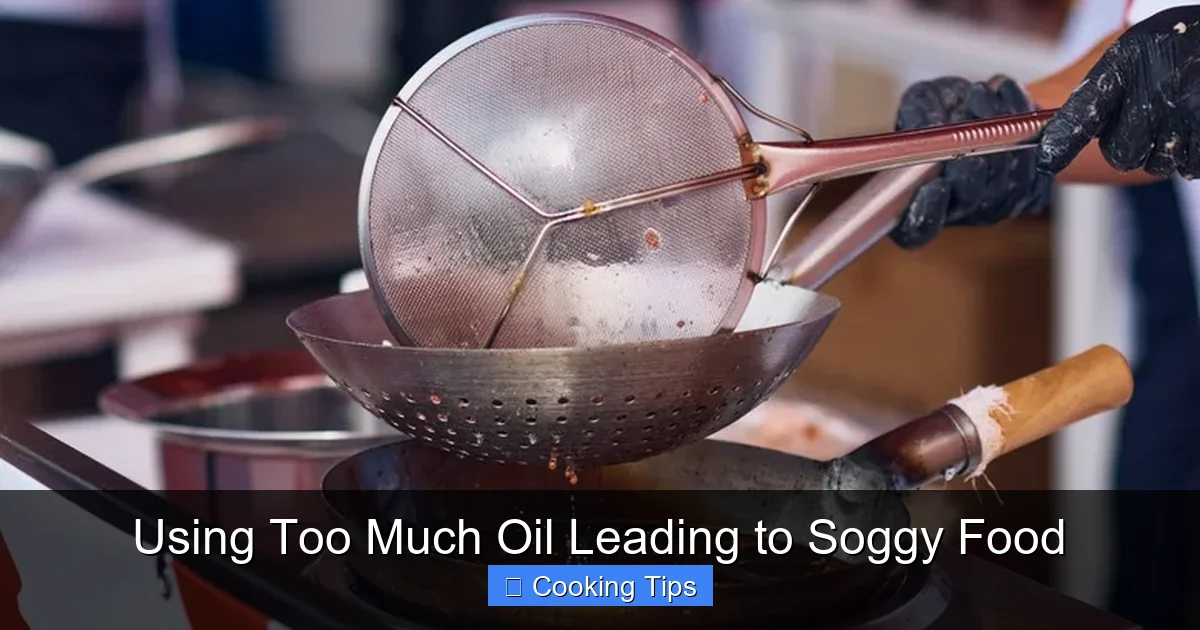
For true deep-frying, the food must be fully submerged. This requires a significant amount of oil. However, even here, overfilling the pot can be detrimental.
Visual guide about Using Too Much Oil Leading to Soggy Food
Image source: thedailymeal.com
How to do it right:
- Choose the Right Pot: Use a tall, heavy-bottomed pot or a dedicated deep fryer. This helps contain splattering and maintains oil temperature.
- Fill Appropriately: Fill the pot no more than one-third to one-half full with oil. This leaves ample space for the food and prevents overflow when you add it.
- Monitor Temperature: This is non-negotiable for deep frying. Use a thermometer! Most fried foods do best between 350°F and 375°F (175°C and 190°C).
- Don’t Crowd the Fryer: Fry food in batches. Overcrowding will drastically lower the oil temperature, leading to sogginess.
Pan Frying
Pan-frying is different. You’re not submerging the food. The oil should create a hot, shallow layer.
How to do it right:
- Use Just Enough Oil: You want a layer of oil that comes about one-quarter to one-half of the way up the side of the food being fried. For things like thin fish fillets or cutlets, just a thin coating on the bottom of the pan might suffice.
- Preheat the Pan and Oil: Heat the pan over medium-high heat, then add the oil and let it heat up until it shimmers. A good test is to drop a tiny piece of food into the oil; it should sizzle immediately.
- Ensure Even Coverage: Swirl the pan to ensure the oil coats the bottom evenly.
Stir-Frying
Stir-frying is about high heat and rapid cooking. Oil is used to create a slick surface and facilitate quick browning.
How to do it right:
- Use Minimal Oil: For stir-frying, you typically only need 1-2 tablespoons of oil for a standard wok or large skillet.
- High Heat is Key: Get your wok or skillet smoking hot before adding the oil. The oil should heat up almost instantly.
- Keep Food Moving: The constant movement prevents any one piece of food from becoming saturated in oil and ensures even cooking and crisping.
The Critical Role of Oil Temperature
We can’t stress this enough: oil temperature is king when it comes to preventing soggy food.
Checking Your Oil Temperature
Investing in a good quality thermometer is one of the best decisions you can make in the kitchen.
Visual guide about Using Too Much Oil Leading to Soggy Food
Image source: kitchenseer.com
- Deep-fry Thermometer: These clip onto the side of your pot and are ideal for monitoring deep frying.
- Instant-Read Thermometer: Useful for pan-frying and stir-frying, allowing you to quickly check the oil’s temperature before adding food.
What Happens at Different Temperatures?
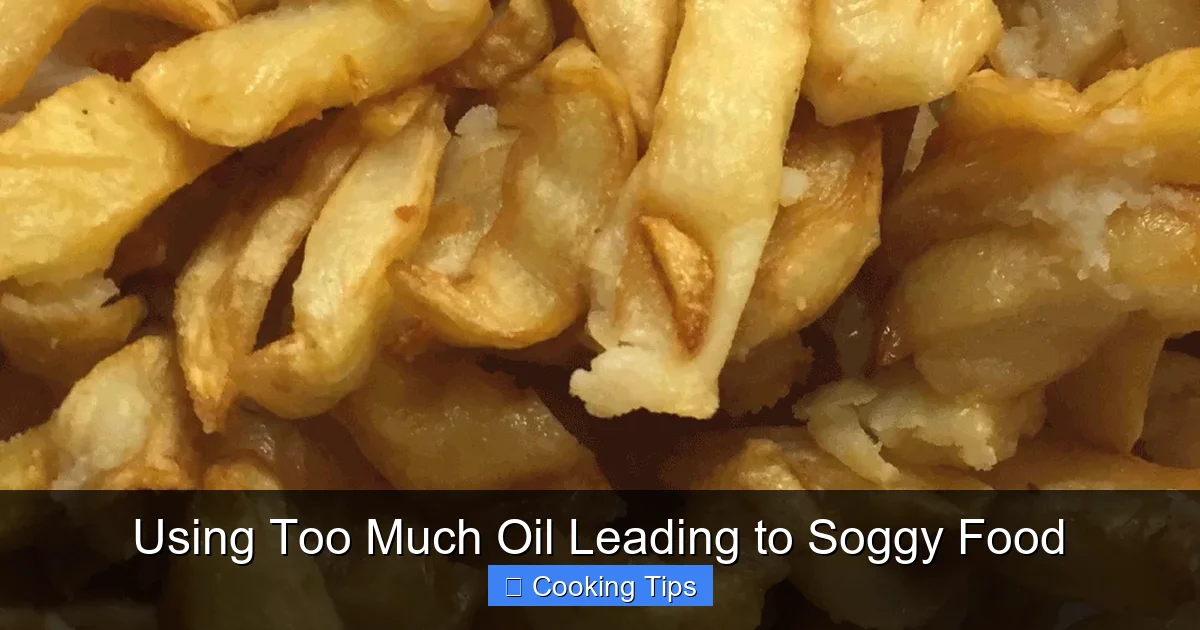
- Too Cold (Below 325°F / 160°C): Food absorbs oil like a sponge, becoming greasy and soggy. It will also take much longer to cook, increasing the chance of the outside becoming mushy before the inside is done.
- Just Right (350°F – 375°F / 175°C – 190°C): The ideal range for most frying. Heat rapidly evaporates moisture, creating a crisp crust. The Maillard reaction occurs efficiently, leading to good color and flavor.
- Too Hot (Above 400°F / 200°C): The outside of the food will burn quickly before the inside has a chance to cook through. This can also lead to oil smoking and a burnt flavor.
Common Pitfalls and How to Avoid Them
Even with the best intentions, certain mistakes can lead to soggy food.
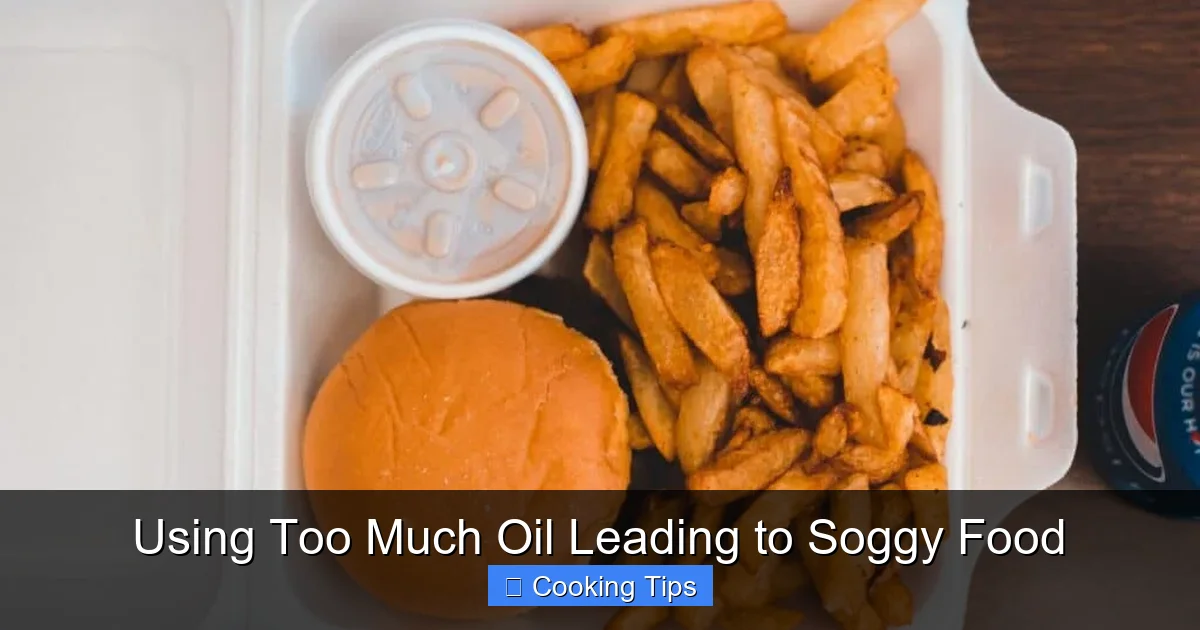
Pitfall 1: Overcrowding the Pan
Problem: Adding too much food to the pan at once causes the oil temperature to plummet. The food then steams in its own moisture rather than frying.
Visual guide about Using Too Much Oil Leading to Soggy Food
Image source: mrtakeoutbags.com
Solution: Fry in small batches. Allow each batch to cook and drain properly before adding the next. You should be able to see the oil bubbling actively around each piece of food, not just a gentle simmer.
Pitfall 2: Not Draining Food Properly
Problem: While draining after frying can help remove excess surface oil, it won’t rescue food that has already absorbed too much due to improper temperature or too much oil.
Solution: Drain food immediately after removing it from the hot oil. Use a wire rack set over a baking sheet. This allows air to circulate and lets gravity do the work, preventing the food from sitting in its own grease.
Pitfall 3: Using the Wrong Type of Oil
Problem: Some oils have low smoke points and can break down at frying temperatures, leading to off-flavors and less effective frying.
Solution: Use oils with high smoke points. Good choices for frying include peanut oil, canola oil, vegetable oil, grapeseed oil, and sunflower oil. For the best flavor in some applications, like certain types of fried chicken, you might blend oils.
Pitfall 4: Not Preheating the Oil Enough
Problem: Adding food to oil that isn’t hot enough is a surefire way to get soggy results.
Solution: Be patient! Let the oil heat up thoroughly. Use your thermometer or the “sizzle test” to confirm it’s ready before adding your ingredients.
Troubleshooting Soggy Fried Food
If your food is already fried and you’re facing sogginess, here are a few things you can try, though prevention is always better:
The Oven “Revival”
What to do: For some items like fries or onion rings, you can sometimes salvage them by spreading them on a baking sheet and placing them in a preheated oven (around 400°F / 200°C) for a few minutes. This can help re-crisp them by evaporating residual moisture.
When it works best: This is most effective for foods that were only slightly soggy, not completely saturated.
Double Frying Technique
What to do: This is a professional technique for achieving ultra-crispy results, especially with potatoes. First, fry the food at a lower temperature (around 300°F / 150°C) until it’s cooked through but not browned. Remove and drain. Then, increase the oil temperature to the desired frying temperature (350-375°F / 175-190°C) and fry the food again for a shorter period until golden brown and crispy. The first fry cooks the inside, and the second fry crisps the outside.
When it works best: Excellent for fries, and can be adapted for other items like chicken wings.
Conclusion: Embrace Crispy Perfection
Achieving perfectly crisp, non-soggy fried food is a skill that comes with understanding the science and practicing the right techniques. By paying close attention to the amount of oil you use, maintaining the correct oil temperature, and avoiding common pitfalls like overcrowding, you’ll elevate your home cooking significantly. Remember, it’s not just about the oil itself, but how the oil interacts with your food under the right conditions. So, arm yourself with a thermometer, be patient with preheating, and embrace the joy of truly delicious, crispy fried creations in 2026 and beyond!
