


While air fryers offer many benefits, it’s crucial to understand their limitations. This guide delves into the common disadvantages, including restricted cooking space, longer cooking times for certain foods, and limitations on food types. We also address potential issues with noise levels and cleaning challenges, empowering you to make informed decisions about whether an air fryer is the right appliance for your kitchen.
Key Takeaways
- Limited Capacity: Most air fryers are designed for smaller households, making them less ideal for cooking large meals or entertaining guests.
- Not a True Fryer: Air fryers use hot air circulation, not oil immersion, meaning they don’t replicate the exact taste and texture of deep-fried foods.
- Cooking Time Variations: While some foods cook faster, others, especially those that are denser or need more even heat distribution, can take longer in an air fryer.
- Uneven Cooking Potential: Overcrowding the basket or not shaking food regularly can lead to unevenly cooked results, with some parts burnt and others undercooked.
- Limited Food Types: Wet batters, very leafy greens, and some dairy products don’t fare well in an air fryer due to the nature of hot air circulation.
- Noise Level: The fan mechanism in air fryers can generate a noticeable amount of noise, which might be disruptive for some users.
- Cleaning Can Be Tedious: While baskets are often non-stick, intricate designs or burnt-on food can make cleaning more challenging than a simple wipe-down.
What Are the Disadvantages of Air Fryers?
Air fryers have taken the culinary world by storm, promising healthier, crispier versions of our favorite fried treats with minimal oil. They are celebrated for their speed, convenience, and ability to achieve a satisfying crunch. However, like any kitchen appliance, air fryers aren’t without their drawbacks. Understanding these disadvantages is just as important as knowing the benefits, helping you make an informed decision about whether an air fryer is the right fit for your cooking needs and lifestyle.
In this comprehensive guide, we’ll explore the common limitations and downsides of using an air fryer. We’ll cover everything from capacity issues and cooking nuances to food compatibility and maintenance. By the end, you’ll have a clear picture of what to expect, allowing you to maximize your air fryer’s potential while mitigating its weaknesses.
The Reality of Capacity: Smaller Portions, Smaller Crowds
One of the most frequently cited disadvantages of air fryers is their limited capacity. Most models are designed for individuals, couples, or small families. If you’re accustomed to cooking large batches of food or regularly entertain a crowd, an air fryer might feel restrictive.
Understanding Basket Size
The internal basket of an air fryer is where the magic (or lack thereof) happens. This space is crucial for proper air circulation, which is the core of air frying technology. Overcrowding the basket is a common mistake that leads to poor results. If you pile food too high, the hot air cannot circulate freely around each piece, resulting in uneven cooking. Some parts might be perfectly crispy, while others remain pale and soggy.
Cooking for a Group
If you have a large family or often host dinner parties, cooking everything in an air fryer can be a logistical challenge. You’ll likely need to cook in multiple batches, which extends your overall cooking time significantly. This can be inconvenient, especially when you want to serve everyone a hot meal simultaneously. Imagine trying to cook enough fries for six people in a small air fryer basket – it would take ages and require constant monitoring and re-heating.
Tips for Maximizing Capacity
- Cook in Batches: If you have a larger group, accept that you’ll need to cook in batches. For best results, cook only one layer of food in the basket at a time.
- Choose Smaller Cuts: Opt for smaller pieces of food that fit more easily and allow for better air circulation.
- Consider a Larger Model: If capacity is a major concern, invest in a larger air fryer or one with multiple racks. Some larger models are designed to accommodate family-sized portions.
- Supplement with Other Appliances: Use your air fryer for smaller side dishes or appetizers while using your oven or stovetop for the main course.
Beyond the “Fry”: What Air Fryers Don’t Do Well
While air fryers excel at crisping up certain foods, they are not a direct replacement for traditional deep frying. The experience and outcome are fundamentally different.
The Illusion of “Fried”
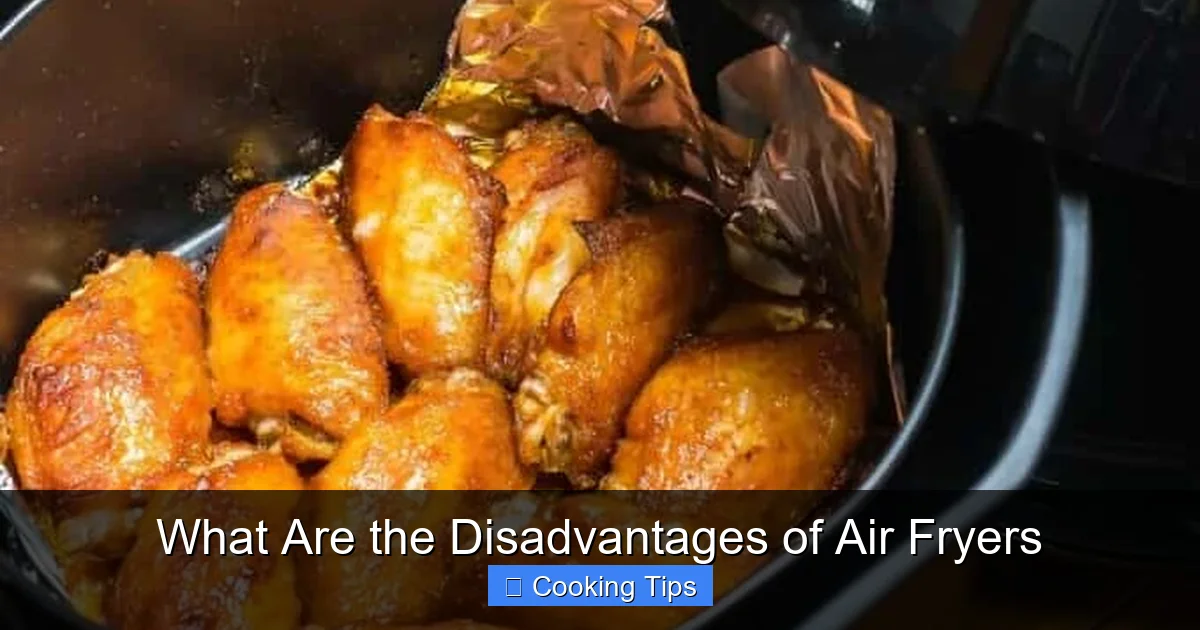
Air fryers achieve crispiness through rapid circulation of extremely hot air. Deep fryers, on the other hand, use hot oil to cook food. The oil creates a barrier that seals in moisture and creates a unique texture and flavor profile that an air fryer simply cannot replicate. Foods like perfectly battered fish or donuts, which rely on the moist, even heat transfer of oil, often don’t achieve the same results in an air fryer.
Visual guide about What Are the Disadvantages of Air Fryers
Image source: alsothecrumbsplease.com
Texture Differences
While air-fried foods can be wonderfully crispy, they may lack the richness and mouthfeel that comes from being submerged in oil. Some users find air-fried chicken, for example, to be drier than its deep-fried counterpart, even though it’s considered healthier. The goal is often to mimic the deep-fried experience, but the reality is that it’s a different cooking method altogether, leading to different textures.
When Not to Reach for Your Air Fryer
- Wet Batters: Foods coated in thin, wet batters (like tempura or some pancake batters) tend to drip through the basket or create a gummy, uneven coating when air-fried.
- Delicate Leafy Greens: Very light, leafy greens can be blown around by the fan, leading to uneven cooking or even getting stuck in the heating element.
- Moist or Saucy Dishes: Dishes that are meant to be stewed, braised, or very saucy are not suitable for air frying. The hot air will dry them out rather than cook them in their own juices.
- Cheese: While some cheeses can be melted on top of other foods, directly air-frying cheese can result in a messy, melted puddle or burnt bits rather than a desirable cheesy texture.
The Time Factor: Not Always Faster
One of the biggest selling points of air fryers is their speed. While this is often true for smaller items or when preheating is factored in, it’s not universally the case.
Preheating and Cooking Time
Many recipes suggest preheating your air fryer, which adds an extra 3-5 minutes to your cooking time. While this isn’t a huge amount, it’s worth noting. More importantly, for denser foods or larger cuts, air frying can actually take longer than other methods. A whole chicken, for instance, might take just as long, if not longer, in an air fryer than in a conventional oven, especially if it requires frequent turning or basting for even cooking.
Visual guide about What Are the Disadvantages of Air Fryers
Image source: i0.wp.com
The Batch Cooking Dilemma
As we’ve already discussed, the limited capacity often means cooking in batches. If you’re making a meal for multiple people, the cumulative cooking time across several batches can easily surpass the time it would take to cook everything in a larger appliance like an oven or a multi-cooker. This can turn a perceived quick meal into a prolonged cooking affair.
When Speed is Compromised
- Large or Dense Items: Thick cuts of meat, whole vegetables, or large quantities of potatoes will require longer cooking times and potentially more attention than you might expect.
- Overcrowded Baskets: Trying to cram too much food into the basket for a single cooking cycle will inevitably lead to longer cooking times and subpar results.
- Foods Requiring Marinades or Basting: If your recipe involves marinating or frequent basting for flavor and moisture, the added steps can extend the overall preparation and cooking duration.
Potential for Uneven Cooking: The Art of the Shake
Achieving perfectly even, crispy results in an air fryer requires some user intervention. Failure to do so can lead to frustratingly unevenly cooked food.
The Importance of Air Circulation
The hot air needs to reach every surface of the food for it to cook evenly and crisp up properly. If food is piled on top of itself, or if larger pieces are blocking airflow to smaller ones, some areas will be exposed to less heat than others.
The “Shake and Flip” Method
For smaller items like fries, tots, or chicken wings, it’s essential to pause the cooking cycle midway through and shake the basket vigorously. For larger items like chicken breasts or fish fillets, you’ll need to flip them over. This simple step ensures that all sides of the food are exposed to the hot air, leading to more uniform browning and crispiness.
Troubleshooting Uneven Cooking
- Don’t Overfill: This is the cardinal rule of air frying. A single layer of food, or at most two loosely stacked layers, is ideal.
- Shake or Flip Regularly: For most foods, plan to shake the basket or flip the food at least once, and often twice, during the cooking cycle.
- Arrange Food Thoughtfully: When placing food in the basket, try to ensure pieces aren’t overlapping excessively. Give them space to breathe.
- Adjust Cooking Time and Temperature: If you consistently find certain items undercooked, try a slightly higher temperature or a longer cooking time, but monitor closely to prevent burning.
The Noise Factor: A Whirring Kitchen Companion
Air fryers are essentially small convection ovens that rely on a powerful fan to circulate hot air. This fan, while essential for the cooking process, can be a source of noise.
The Fan’s Function
The fan is what drives the hot air around the food, creating the crispy exterior. Without it, the appliance would simply be a small heating chamber. The speed and power of the fan determine how effectively the air circulates.
What to Expect
The noise generated by an air fryer typically ranges from a low hum to a distinct whirring sound, similar to that of a powerful kitchen mixer or a small personal fan. The volume can vary significantly between different brands and models. Some are whisper-quiet, while others can be quite noticeable, especially in smaller, open-plan living spaces.
Managing the Noise
- Placement Matters: Try placing your air fryer on a sturdy, noise-dampening surface, such as a thick cutting board or a rubber mat.
- Consider Noise Ratings: When shopping for an air fryer, look for reviews that mention noise levels or specific decibel ratings if available.
- Use it When Convenient: If noise is a significant concern, consider using your air fryer during times when it’s less likely to disturb others, like when the TV is on or during less quiet household activities.
- Embrace it as Part of the Process: For many, the slight noise is a small price to pay for the convenience and results.
Cleaning Can Be a Chore: Beyond a Quick Wipe
While many air fryer baskets and drawers are advertised as non-stick and dishwasher-safe, cleaning them isn’t always as simple as it sounds.
Stubborn Residue
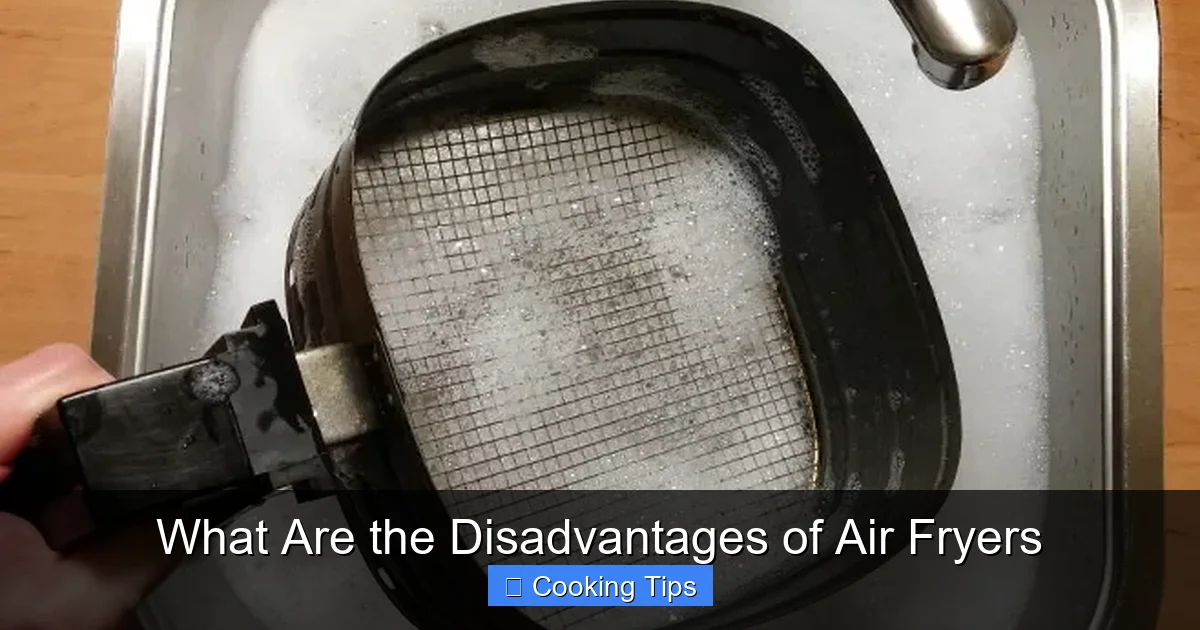
Grease, burnt-on food particles, and marinades can stick to the basket and drawer, especially if not cleaned promptly after use. The mesh design of some baskets can make it difficult to get into every nook and cranny.
Dishwasher vs. Hand Washing
While many components are dishwasher-safe, some users find that handwashing is more effective for tackling stubborn grime. The high heat and detergents in dishwashers can sometimes degrade non-stick coatings over time. For delicate or older models, handwashing is often recommended to prolong their lifespan.
Tips for Easier Cleaning
- Clean Immediately: The easiest time to clean your air fryer is right after you’ve used it, while the basket and drawer are still warm. Wipe away any excess grease or crumbs.
- Soak Stubborn Bits: If food is stuck, fill the basket and drawer with hot, soapy water and let them soak for 15-30 minutes before washing.
- Use a Soft Brush or Sponge: Avoid abrasive scrubbers, steel wool, or harsh chemicals, as these can damage the non-stick coating. A soft brush, like a dish brush, or a non-scratch sponge works best.
- Degreaser for Tough Grease: For particularly greasy residue, a dedicated kitchen degreaser can be helpful. Ensure it’s safe for use on non-stick surfaces and rinse thoroughly.
- Regular Maintenance: Periodically check the heating element for any accumulated debris and wipe it down gently with a damp cloth when the appliance is cool and unplugged.
Conclusion: Making an Informed Choice
Air fryers are fantastic appliances that have earned their place in many kitchens. They offer a healthier way to enjoy crispy foods and can be incredibly convenient for everyday cooking. However, it’s crucial to approach them with realistic expectations.
By understanding the disadvantages – their limited capacity, the difference in texture compared to deep frying, potential for longer cooking times, the need for user intervention to prevent uneven cooking, the noise they can generate, and the cleaning involved – you can better assess whether an air fryer is the right addition to your culinary arsenal.
Armed with this knowledge, you can choose the right model for your needs, use it effectively, and enjoy the many benefits it offers while being prepared for its limitations. Ultimately, the goal is to enhance your cooking experience, and understanding the full picture of any appliance is the first step towards achieving that.
