
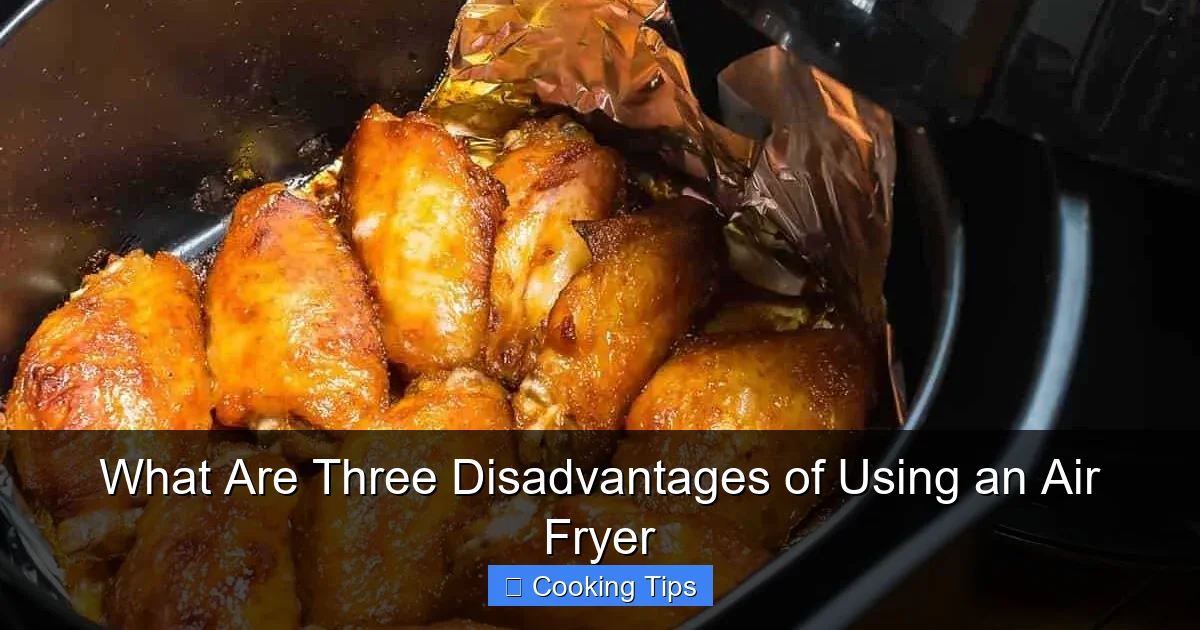
While air fryers offer a healthier way to enjoy crispy foods, it’s important to understand their limitations. This guide explores three significant disadvantages: reduced capacity for larger meals, a narrower range of suitable cooking methods compared to conventional ovens, and the potential for more involved cleanup. By understanding these drawbacks, you can make more informed decisions about when and how to best utilize your air fryer.
Key Takeaways
- Limited Capacity: Air fryers are generally smaller than ovens, making them less ideal for cooking large batches or for families with more than 2-3 people.
- Not for All Cooking Methods: While excellent for “frying,” they are not as versatile as a conventional oven and struggle with certain dishes like whole roasts, delicate baked goods, or wet batters.
- Potential for Messy Cleanup: Although often advertised as easy to clean, certain foods can leave behind grease and food particles that require more thorough scrubbing, especially in the basket and heating element.
- Uneven Cooking: Overcrowding the air fryer basket can lead to uneven cooking, with some parts of the food being crispy and others remaining soft.
- Learning Curve: Mastering the art of air frying requires experimentation with cooking times and temperatures, as results can vary depending on the specific model and food being prepared.
- Flavor Differences: While mimicking crispiness, air-fried foods may not always achieve the exact same deep, rich flavor profile as traditionally fried or roasted items.
What Are Three Disadvantages of Using an Air Fryer
Air fryers have taken the culinary world by storm, promising a healthier, faster, and more convenient way to achieve that desirable crispy texture in your favorite foods. They’ve become a staple in many kitchens, lauded for their ability to replicate the crunch of deep-fried dishes with significantly less oil. However, like any kitchen appliance, air fryers are not a perfect solution for every cooking need. It’s crucial to have a balanced understanding of their capabilities and limitations. This guide will delve into three significant disadvantages of using an air fryer, helping you make the most of this popular appliance and understand when it might not be the best choice for your meal preparation.
By the end of this article, you’ll gain a clear understanding of the capacity constraints, the limitations in cooking variety, and the potential for more involved cleaning that comes with air frying. This knowledge will empower you to choose the right cooking method for each dish, ensuring delicious results every time.
1. Limited Capacity: The “Mini Oven” Dilemma
One of the most common drawbacks of air fryers is their inherently limited capacity. Unlike conventional ovens that can accommodate large baking sheets, multiple dishes, or even a whole turkey, air fryers are designed with compact baskets. This means that for larger families, dinner parties, or even just cooking multiple components of a meal simultaneously, an air fryer can quickly become insufficient.
Understanding the Basket Size
Most standard air fryers come with baskets ranging from 2 to 5 quarts in size. While this might be perfectly adequate for a single person or a couple, cooking for a family of four or more can quickly present a challenge. If you try to cook too much food at once by overcrowding the basket, you’re not just asking for uneven cooking; you’re setting yourself up for disappointment.

Visual guide about What Are Three Disadvantages of Using an Air Fryer
Image source: denresidence.com
The “Cook in Batches” Reality
To achieve the best results with an air fryer, food needs to have adequate space for hot air to circulate around it. This means you’ll often find yourself cooking in multiple batches. While this might be fine for a quick snack like fries for two, preparing a full meal for a larger group can become a time-consuming and tedious process. Imagine making chicken nuggets for four people – you might need to cook them in three or four separate batches, effectively negating some of the “quick cooking” benefits.
Practical Implications for Meal Preparation
- Family Dinners: If you frequently cook for more than two or three people, you’ll likely need to supplement your air fryer with other cooking methods (like your oven or stovetop) for the main courses or side dishes.
- Batch Cooking: While air fryers are great for reheating leftovers and making them crispy again, cooking large portions for future meals might be less efficient than using a conventional oven.
- Entertaining: Hosting a gathering can be stressful enough without worrying about cooking appetizers in multiple small batches.
Tips to Mitigate Capacity Issues:
- Invest in a Larger Model: If capacity is a major concern, consider purchasing a larger air fryer, often marketed as “family-size” or 5.5 quarts and above. Some models also come with tiered racks to maximize vertical space.
- Smart Meal Planning: Plan your meals to utilize the air fryer for smaller, quicker items while using your oven for the bulk of the food.
- Complementary Cooking: Use your stovetop for sauces, grains, or vegetables while the air fryer handles the protein or crispy elements.
- Smart Reheating: Air fryers are fantastic for reheating leftovers and restoring crispiness, which can be a great time-saver.
In essence, while air fryers are excellent for specific tasks and smaller households, their capacity limitations are a significant disadvantage when it comes to cooking for a crowd or preparing substantial quantities of food.
2. Not Suitable for All Cooking Methods: The “Specialist” Appliance
While air fryers excel at mimicking the results of deep frying, their functionality is far more specialized than a conventional oven. You wouldn’t use a toaster to bake a cake, and similarly, you shouldn’t expect an air fryer to perform every cooking task. This specialization means that certain types of dishes and cooking techniques are simply not well-suited for this appliance.
What Air Fryers Do Best
Air fryers operate by circulating hot air at high speeds. This intense convection is perfect for creating crispy exteriors on foods that are typically fried or roasted. Think of things like:
- French fries
- Chicken wings
- Vegetables (broccoli, Brussels sprouts)
- Breaded chicken tenders
- Spring rolls
- Frozen snacks

Visual guide about What Are Three Disadvantages of Using an Air Fryer
Image source: smartkitchenimprovement.com
Where Air Fryers Fall Short
The intense, focused hot air circulation that makes air fryers so effective for crisping can be detrimental to other types of cooking. Here are some examples of what air fryers are not good at:
Wet Batters and Doughs
Foods coated in wet batters, like tempura or onion rings made from scratch with a wet batter, can be problematic. The strong blast of hot air can sometimes blow off the batter before it has a chance to set properly, leading to a messy and uneven coating. While some recipes might adapt, achieving the same consistent, golden coating as deep frying or pan-frying can be difficult.
Large Roasts and Whole Meats
Unless you have a very large, specialized air fryer oven, most basket-style air fryers cannot accommodate large cuts of meat like a whole chicken or a substantial roast. Even if a smaller piece fits, the intense, direct heat might dry out the exterior before the interior is cooked through, unlike the more ambient, even heat of a conventional oven which allows for slower, more even cooking and rendering of fats.
Delicate Baked Goods
While you can bake certain items in an air fryer, it’s not a replacement for a full-fledged oven for delicate pastries, cakes, or soufflés. The concentrated hot air can cause cakes to rise unevenly, burn on top before the inside is cooked, or result in a tougher texture. Muffins and smaller cookies might fare better, but it requires careful monitoring and often smaller batches.
Soups, Stews, and Wet Dishes
Air fryers are fundamentally dry-heat cooking appliances. They are not designed to hold liquids. Therefore, any dish that requires simmering, boiling, or stewing is completely outside their purview. You cannot make soup or chili in an air fryer.
Foods Requiring Gentle Cooking
Certain foods benefit from gentle, indirect heat. For instance, delicate fish fillets might break apart under the force of the air circulation, or they might dry out too quickly. Similarly, some vegetables might become mushy if overcooked by the intense air flow.
Making the Most of Your Air Fryer’s Capabilities:
- Stick to Crispy & Roasted: Embrace what the air fryer does best. Focus on recipes that benefit from high heat and rapid air circulation for maximum crispiness.
- Experiment with Baking Modifications: For items like muffins or small cakes, use smaller baking pans that fit inside the basket and reduce the temperature slightly while extending cooking time.
- Consider Air Fryer Ovens: If you desire more versatility, look into air fryer toaster oven combinations, which often offer a wider range of cooking functions, including convection baking, broiling, and toasting, along with air frying.
The key takeaway here is that an air fryer is a fantastic addition to a kitchen for specific culinary tasks, but it’s not a universal replacement for all other cooking appliances. Understanding its limitations ensures you don’t set yourself up for disappointment.
3. Potential for Messy Cleanup: The Grease Trap Dilemma
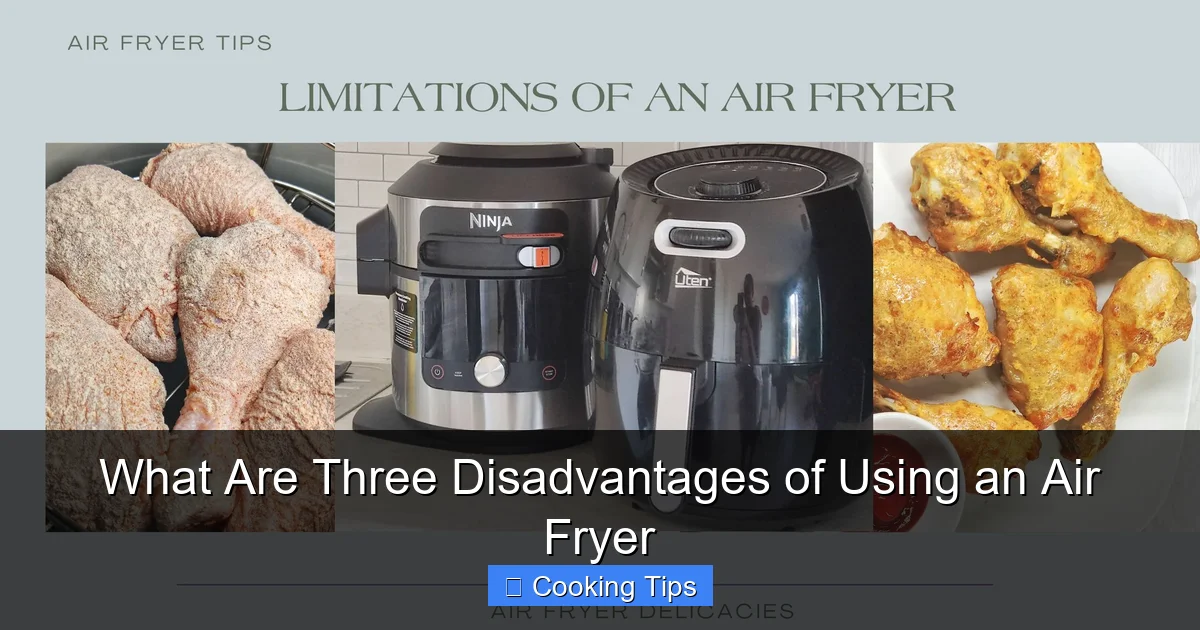
While air fryers are often marketed as being incredibly easy to clean, this isn’t always the case, especially depending on what you’re cooking. The very process that makes food crispy involves circulating hot air, which often carries grease and food particles with it. If not cleaned properly and regularly, this can lead to a mess that requires more than just a quick wipe-down.
The Grease and Residue Accumulation
As food cooks in the air fryer, especially fatty meats like chicken wings or sausages, grease and small food particles are propelled by the fan. These can accumulate on the sides of the basket, the bottom of the drawer, and, crucially, on the heating element and the fan itself. Over time, this residue can become baked on, making it difficult to remove.
Visual guide about What Are Three Disadvantages of Using an Air Fryer
Image source: airfryerdelicacies.com
Cleaning the Basket and Drawer
Most air fryer baskets and drawers are designed to be non-stick and dishwasher safe. This is a definite plus! However, many users find that stubborn, burnt-on grease and food bits don’t always come off easily in the dishwasher, especially if left to sit for too long. Manual scrubbing might be necessary, and this can be frustrating if the residue is well-established.
The Underrated Cleaning Challenge: The Heating Element and Fan
This is where the “messy” aspect truly comes into play for many users. The heating element is typically located at the top of the air fryer, often behind a protective grille. Grease and splatters can reach this area, and cleaning it requires careful attention to avoid damaging the component. Similarly, the fan, which is crucial for circulating air, can also become coated in grease. Cleaning these internal parts can be more challenging and time-consuming than cleaning the removable basket.
Troubleshooting Stubborn Residue
Soaking is Key
For caked-on grease, soaking the basket and drawer in hot, soapy water for 15-30 minutes before attempting to scrub can work wonders. This loosens up the hardened residue.
Use the Right Tools
Avoid abrasive scrubbers like steel wool, which can damage the non-stick coating. Instead, opt for a soft sponge, a nylon brush, or a microfiber cloth. For really tough spots, a plastic scraper can be helpful.
Vinegar or Baking Soda for Tough Grime
A paste of baking soda and water can be excellent for scrubbing away stubborn grease. For the heating element, some manufacturers suggest wiping it down with a damp cloth (once cooled, of course) or using a gentle degreaser specifically designed for kitchen appliances. Always consult your air fryer’s manual for specific cleaning instructions for internal components.
Regular Maintenance Prevents Big Jobs
The best way to combat a messy cleanup is through regular maintenance. After each use, once the appliance has cooled down, wipe down the basket and drawer. This prevents grease from hardening and becoming a more significant problem later.
While the convenience of air frying is undeniable, it’s important to acknowledge that a thorough cleaning routine is necessary to keep your appliance in top condition and prevent it from becoming a grease trap. Ignoring this can lead to unpleasant smells, reduced efficiency, and even potential safety hazards.
Conclusion
Air fryers are undoubtedly a popular and useful kitchen appliance, offering a healthier alternative for achieving crispy foods. They bring speed, convenience, and a delightful crunch to many dishes. However, it is vital to approach them with a realistic understanding of their capabilities and drawbacks.
As we’ve explored, the three significant disadvantages of using an air fryer are its **limited capacity**, which makes it less suitable for large families or batch cooking; its **specialized cooking function**, meaning it cannot replace all the roles of a conventional oven; and the **potential for messy cleanup**, especially on internal components, which requires diligent maintenance.
By recognizing these limitations, you can make more informed decisions about when and how to use your air fryer. It can be an excellent tool for quick snacks, side dishes, or meals for one or two. However, for large-scale cooking, delicate baked goods, or dishes requiring liquid, your oven or stovetop might be the better choice. Embracing the strengths of your air fryer while acknowledging its weaknesses will ensure you get the most out of this innovative appliance and continue to enjoy delicious, crispy meals. Happy cooking!
