

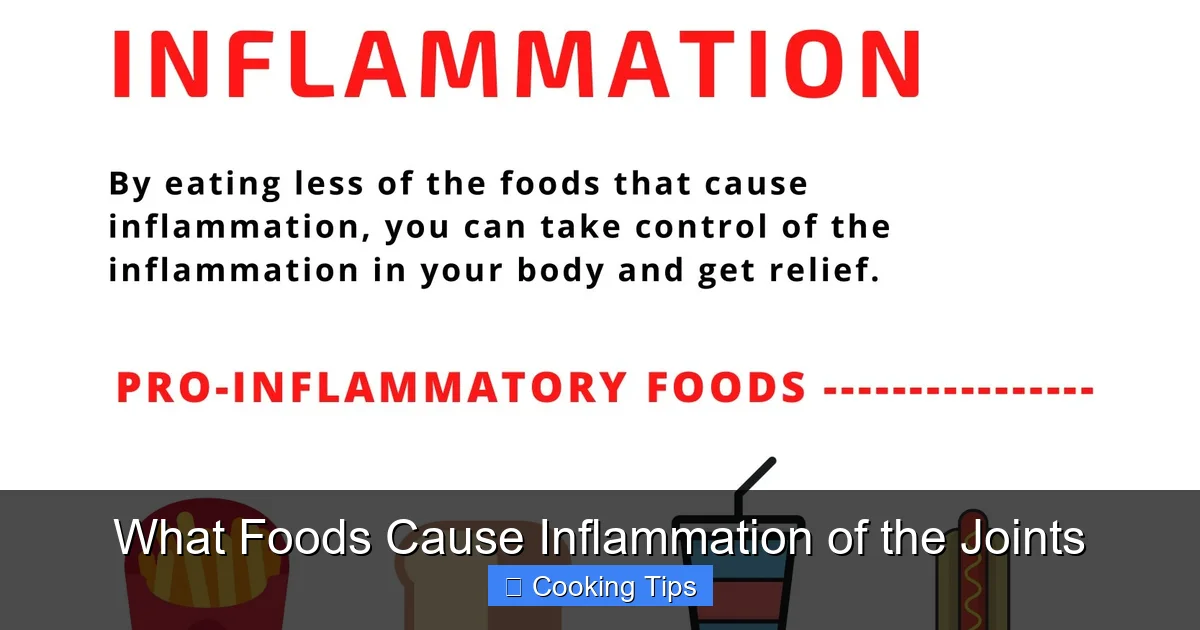
This guide explores the foods that can contribute to joint inflammation, impacting conditions like arthritis. Learn to identify and limit these culprits, such as processed foods, refined sugars, and unhealthy fats, by understanding their inflammatory mechanisms. By making informed dietary choices, you can significantly reduce joint pain and improve your overall joint health.
What Foods Cause Inflammation of the Joints
Dealing with joint pain can be incredibly frustrating. It can limit your mobility, affect your mood, and generally make everyday life more challenging. While genetics and injuries play a role, did you know that the food you eat can have a significant impact on the inflammation in your joints? Yes, your diet is a powerful tool that can either help soothe your joints or unfortunately, make things worse.
In this comprehensive guide, we’re going to dive deep into the world of food and joint inflammation. You’ll learn to identify the common culprits in your diet that might be contributing to your achy joints. More importantly, we’ll equip you with the knowledge to make smarter food choices that can help reduce inflammation, alleviate pain, and promote healthier, happier joints. Let’s get started on your journey to a more comfortable you!
- Understanding Inflammation Triggers: Certain foods can promote chronic inflammation throughout the body, directly affecting joint tissues and exacerbating pain and stiffness.
- Refined Carbohydrates and Sugars: Foods high in refined sugars and carbohydrates, like white bread, pastries, and sugary drinks, can spike blood sugar and contribute to inflammatory responses.
- Unhealthy Fats: Trans fats found in processed and fried foods, and excessive omega-6 fatty acids from certain vegetable oils, can promote inflammation.
- Processed Meats and Red Meat: These foods are often high in saturated fat and can contain advanced glycation end products (AGEs), which contribute to inflammation.
- Nightshade Vegetables (for some individuals): While generally healthy, some people find that nightshade vegetables like tomatoes, peppers, and eggplants can trigger joint pain due to solanine content.
- Gluten and Dairy (for some individuals): For those with sensitivities or allergies, gluten and dairy products can act as inflammatory triggers.
- Alcohol: Excessive alcohol consumption can increase inflammation and negatively impact gut health, indirectly affecting joint health.
Understanding the Link Between Food and Joint Inflammation
Before we pinpoint the specific foods, it’s helpful to understand *why* certain foods cause inflammation. Your body’s inflammatory response is a natural defense mechanism. When you encounter an injury or infection, your immune system sends white blood cells to the area to protect you. This process, while essential, can become problematic when it’s chronic.
Certain foods can trigger or perpetuate this chronic inflammatory state. They can lead to an overproduction of inflammatory markers in your body. These markers can then travel throughout your bloodstream and settle in your joints, leading to swelling, stiffness, and pain. Think of it like adding fuel to a fire that’s already burning.
The Main Food Offenders for Joint Inflammation
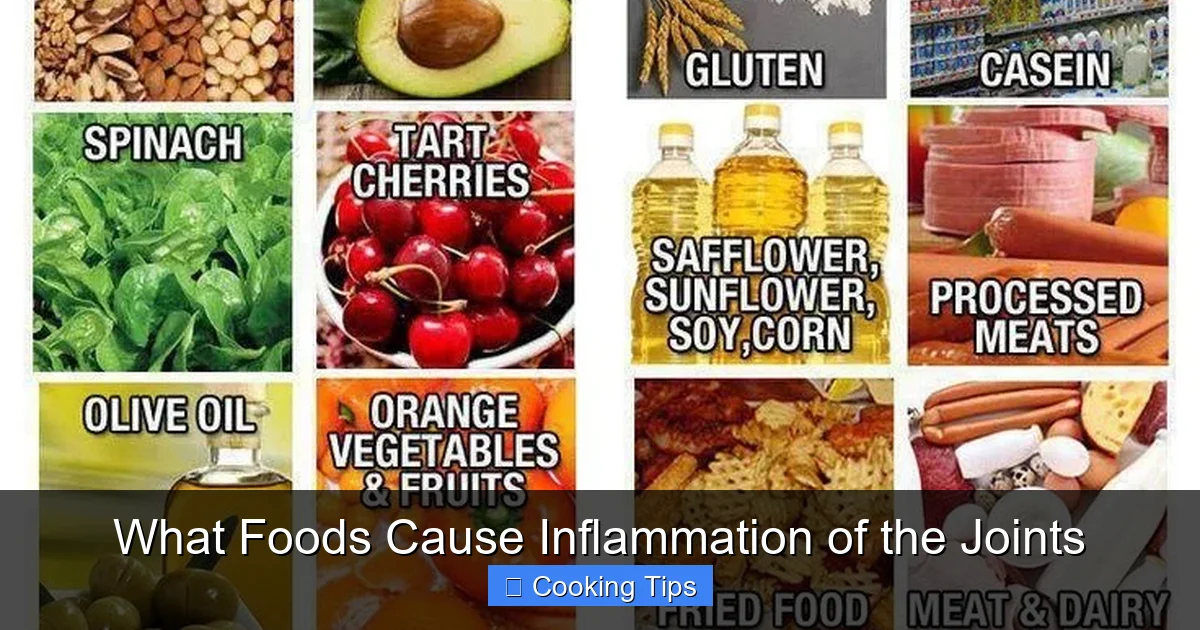
Visual guide about What Foods Cause Inflammation of the Joints
Image source: i.pinimg.com
Let’s break down the categories of foods that are most commonly associated with causing or worsening joint inflammation.
1. Refined Carbohydrates and Added Sugars
This is a big one. Foods that are high in refined carbohydrates and added sugars can cause a rapid spike in your blood sugar levels. This, in turn, triggers the release of inflammatory compounds called cytokines. Over time, this constant sugar surge can contribute to widespread inflammation, including in your joints.
What to Look Out For:
- White Bread and Pasta: These are made from refined grains that have had their fiber and nutrients stripped away.
- Pastries, Cakes, and Cookies: These are loaded with refined flour and added sugars.
- Sugary Drinks: Sodas, fruit juices with added sugar, and sweetened teas are major sources of inflammation.
- Candy: Pure sugar, which can quickly lead to an inflammatory cascade.
- Breakfast Cereals: Many cereals, especially those marketed to children, are high in sugar.
Practical Tip:
Instead of reaching for a sugary snack, opt for whole, unprocessed fruits. They contain natural sugars along with fiber, vitamins, and antioxidants that can actually help fight inflammation.
2. Unhealthy Fats

Visual guide about What Foods Cause Inflammation of the Joints
Image source: happytummy.aashirvaad.com
Not all fats are created equal. While some fats are beneficial for your health, others can promote inflammation.
Trans Fats: The Worst Offenders
These artificial fats are created through a process called hydrogenation, which makes liquids oils more solid. They are notorious for increasing inflammation and are linked to a host of other health problems.
What to Look Out For:
- Fried Foods: Many commercially fried items, like fries, donuts, and fried chicken, often use oils containing trans fats.
- Baked Goods: Packaged cookies, crackers, pies, and cakes often contain trans fats for texture and shelf life.
- Margarine and Shortening: Some varieties still contain trans fats. Always check the ingredient list for “partially hydrogenated oils.”
- Processed Snacks: Many pre-packaged snacks rely on these fats.
Excess Omega-6 Fatty Acids
While omega-6s are essential, most modern diets have far too many omega-6s and not enough omega-3s. This imbalance can promote inflammation.
What to Look Out For:
- Certain Vegetable Oils: Soybean oil, corn oil, sunflower oil, and safflower oil are high in omega-6s. These are common in many processed foods and restaurant cooking.
Practical Tip:
Focus on healthy fats like those found in olive oil, avocados, nuts, and seeds. Also, try to incorporate more omega-3 rich foods like fatty fish (salmon, mackerel, sardines), flaxseeds, and walnuts.
3. Processed Meats and Excessive Red Meat
Processed meats and large amounts of red meat can be problematic for joint health.
Processed Meats
These are meats that have been cured, smoked, salted, or preserved with chemicals. They are often high in saturated fat and can contain compounds that trigger inflammation.
What to Look Out For:
- Bacon
- Sausages
- Hot Dogs
- Deli Meats (like ham, salami, bologna)
- Canned Meats
Red Meat
While red meat can be a source of protein and iron, consuming it in excess, particularly fatty cuts, can contribute to inflammation. Red meat can also contain advanced glycation end products (AGEs), which are formed when foods are cooked at high temperatures. AGEs are linked to increased oxidative stress and inflammation.
What to Look Out For:
- Fatty cuts of beef, lamb, and pork
- Burgers, steaks, and roasts cooked at high heat
Practical Tip:
If you enjoy meat, choose leaner cuts and consume them in moderation. Consider incorporating more plant-based protein sources like beans, lentils, and tofu into your diet. When cooking red meat, opt for lower-temperature cooking methods like stewing or braising rather than grilling or frying at very high heat.
4. Nightshade Vegetables (For Some Individuals)
This is a more nuanced category. Nightshade vegetables are generally very healthy, packed with vitamins and antioxidants. However, for a subset of people, particularly those with autoimmune conditions or specific sensitivities, compounds in nightshades can trigger inflammation.
What are Nightshades?
They are a family of plants that include:
- Tomatoes
- Peppers (bell peppers, chili peppers)
- Eggplant
- Potatoes (excluding sweet potatoes)
- Goji Berries
The compound of concern is often solanine, a glycoalkaloid. Some research suggests it might interfere with calcium metabolism in tissues and cause inflammation in susceptible individuals.
How to Identify if Nightshades Affect You:
If you suspect nightshades might be an issue, try an elimination diet. Remove all nightshade vegetables from your diet for a few weeks and see if your joint pain improves. If it does, reintroduce them one by one to pinpoint which ones are problematic for you.
Practical Tip:
If nightshades are an issue for you, focus on other nutrient-rich vegetables like leafy greens (spinach, kale), cruciferous vegetables (broccoli, cauliflower), carrots, and sweet potatoes.
5. Gluten and Dairy (For Some Individuals)
Similar to nightshades, gluten and dairy are not inherently inflammatory for everyone. However, for individuals with celiac disease, non-celiac gluten sensitivity, or dairy intolerance or allergy, these foods can be significant triggers of inflammation.
Gluten
Gluten is a protein found in wheat, barley, and rye. For those sensitive to it, gluten can damage the lining of the small intestine and trigger systemic inflammation.
What to Look Out For:
- Bread, pasta, cereals made from wheat, barley, or rye
- Many processed foods containing gluten as a binder or thickener
- Beer
Dairy
Dairy products include milk, cheese, yogurt, and butter. Some people are sensitive to lactose (the sugar in milk) or casein (a protein in milk), which can lead to digestive issues and inflammation.
What to Look Out For:
- Milk
- Cheese
- Yogurt
- Butter
- Ice Cream
How to Identify if Gluten or Dairy Affect You:
Again, an elimination diet is key. Remove all gluten-containing products and dairy for a few weeks. If your symptoms improve, you can then try reintroducing them to see which, if any, cause a reaction.
Practical Tip:
If gluten or dairy are triggers for you, explore delicious alternatives. For gluten, there are many gluten-free grains like rice, quinoa, oats (certified gluten-free), and corn. For dairy, there are numerous plant-based milks (almond, soy, oat, coconut), yogurts, and cheeses.
6. Alcohol
While moderate alcohol consumption is sometimes debated, excessive drinking can significantly contribute to inflammation throughout the body, including in the joints. Alcohol can disrupt the gut microbiome, increase the production of inflammatory cytokines, and contribute to dehydration, all of which can negatively impact joint health.
What to Look Out For:
- Excessive consumption of any type of alcohol.
Practical Tip:
If you drink alcohol, do so in moderation. For women, this typically means up to one drink per day, and for men, up to two drinks per day. Some individuals may benefit from limiting or eliminating alcohol altogether, especially if they experience joint pain.
Putting It All Together: Creating an Anti-Inflammatory Diet for Your Joints
So, what *should* you eat? The good news is that a diet that combats inflammation is also a diet that promotes overall health and well-being. The principles are straightforward: focus on whole, unprocessed foods.
Key Principles of an Anti-Inflammatory Diet:
- Load up on Fruits and Vegetables: Aim for a wide variety of colors to ensure you’re getting a broad spectrum of antioxidants and phytonutrients. Berries, leafy greens, broccoli, and carrots are excellent choices.
- Choose Healthy Fats: Prioritize omega-3 fatty acids from fatty fish, flaxseeds, chia seeds, and walnuts. Use olive oil for cooking and dressings.
- Opt for Whole Grains: If you tolerate them, choose whole grains like quinoa, brown rice, oats, and whole wheat bread.
- Incorporate Lean Proteins: Fatty fish, poultry, beans, lentils, tofu, and tempeh are great options.
- Stay Hydrated: Drink plenty of water throughout the day.
- Limit Processed Foods: Minimize your intake of foods high in sugar, refined carbs, unhealthy fats, and artificial ingredients.
Troubleshooting: What If I Still Have Pain?
Even with dietary changes, some individuals may continue to experience joint pain. This is where it’s important to remember that diet is just one piece of the puzzle.
Consider Other Factors:
- Stress: Chronic stress can increase inflammation.
- Sleep: Poor sleep quality can worsen inflammation.
- Exercise: While sometimes painful, regular, gentle exercise is crucial for joint health.
- Weight: Excess weight puts extra pressure on your joints.
- Medical Conditions: Underlying medical conditions can contribute to joint pain.
When to Seek Professional Help:
If your joint pain is severe, persistent, or accompanied by other concerning symptoms (like fever, redness, or significant swelling), it’s essential to consult a doctor or a registered dietitian. They can help identify any underlying conditions and create a personalized plan for you, which might include dietary modifications, lifestyle changes, or medical treatment.
Conclusion
Navigating the world of food and inflammation can feel overwhelming, but armed with this knowledge, you’re well on your way to making empowering choices for your joint health. By identifying and limiting foods that trigger inflammation – such as refined sugars, unhealthy fats, processed meats, and potentially nightshades, gluten, or dairy for sensitive individuals – you can significantly reduce discomfort and improve your quality of life. Embrace an anti-inflammatory diet rich in fruits, vegetables, healthy fats, and lean proteins, and listen to your body. Your joints will thank you for it!
