

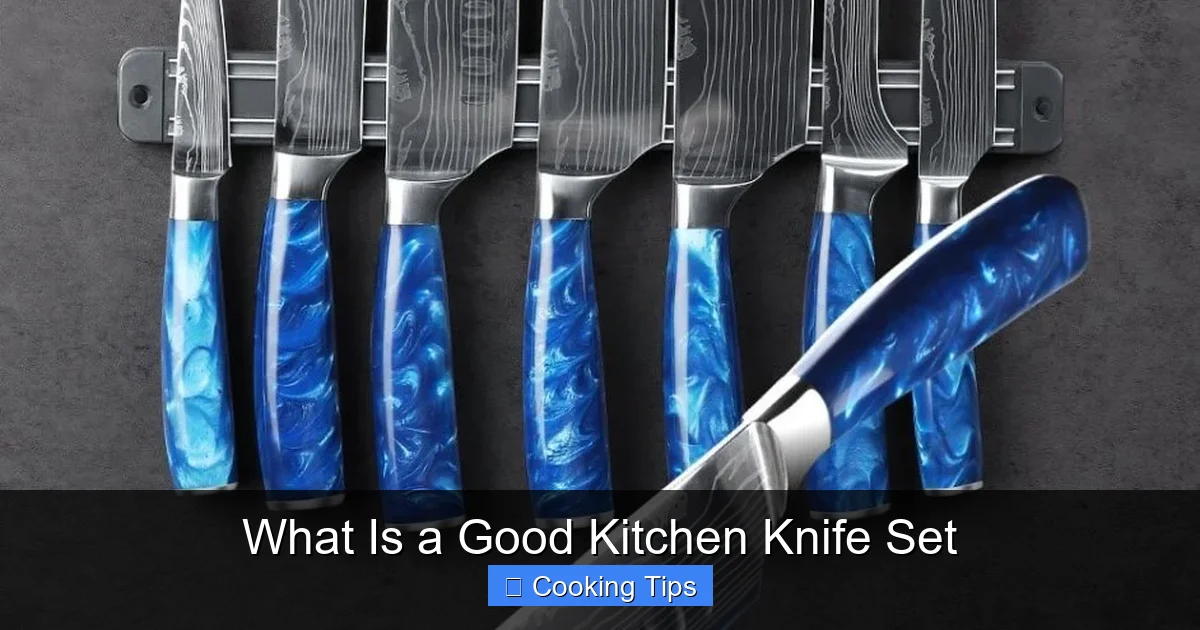
Choosing a good kitchen knife set is crucial for any home cook. This guide helps you understand the essential components of a quality set, from blade material and construction to handle ergonomics and the knives you truly need. By following these tips, you’ll be able to invest in a set that enhances your cooking experience and lasts for years.
What Is A Good Kitchen Knife Set
Welcome, home chefs and culinary enthusiasts! In 2026, your kitchen is more than just a place to prepare meals; it’s your creative sanctuary. And at the heart of every great culinary creation? A truly good kitchen knife set. But what exactly makes a kitchen knife set good? It’s not just about shiny blades and a fancy block. It’s about functionality, durability, comfort, and how well those knives perform for *you*.
Navigating the world of kitchen knives can feel a bit overwhelming, especially with the array of options available. This comprehensive guide is here to demystify the process. By the end, you’ll have a clear understanding of the key elements that define a quality knife set, how to assess different types, and ultimately, how to choose the perfect set that will elevate your cooking for years to come. Let’s slice into it!
Key Takeaways
- Understand Essential Knife Types: A good set typically includes a chef’s knife, paring knife, and serrated bread knife, with others being optional additions depending on your cooking habits.
- Prioritize Blade Material: High-carbon stainless steel is generally the best choice for its balance of sharpness, durability, and rust resistance in 2026.
- Examine Blade Construction: Full tang knives offer superior balance and durability compared to partial tang or stamped blades.
- Focus on Handle Comfort and Ergonomics: A comfortable, non-slip handle is vital for safety and control while chopping.
- Consider Knife Weight and Balance: The ideal knife feels like an extension of your hand, with weight distributed evenly.
- Assess Set Value vs. Cost: A good kitchen knife set is an investment; focus on quality over quantity, and don’t be afraid to buy individual knives if a set doesn’t meet your needs.
Understanding the Anatomy of a Good Knife
Before diving into sets, it’s essential to understand what makes a single knife great. This knowledge will be your compass when evaluating any collection.
Blade Material: The Heart of the Knife
The material of the blade is perhaps the most critical factor influencing a knife’s performance and longevity. In 2026, we have a few standout options.
High-Carbon Stainless Steel
This is the gold standard for most home cooks and professional chefs. Here’s why:
- Sharpness: High-carbon steel can be sharpened to a razor’s edge and holds it well.
- Durability: It’s tough and less prone to chipping or breaking than very hard steels.
- Rust Resistance: The stainless steel component means it won’t easily corrode or stain with typical kitchen use.
- Maintenance: While it needs care, it’s significantly easier to maintain than pure carbon steel.
Look for knives that specify “high-carbon stainless steel” rather than just “stainless steel,” which can sometimes indicate a softer, less durable alloy.
Other Blade Materials (and why they might not be ideal for a *set*)
- Carbon Steel: Extremely sharp and easy to sharpen, but requires meticulous care to prevent rust and discoloration. Not ideal for a general-purpose set due to maintenance demands.
- Ceramic: Incredibly sharp and non-reactive, but also very brittle. They can chip or shatter easily, making them less versatile for a primary set.
- Damascus Steel: Often beautiful and sharp, but the performance depends heavily on the core steel used. It’s more about aesthetics and craftsmanship than a guaranteed performance leap for the average user.
Blade Construction: Tang and Forging
How the blade is made directly impacts its strength, balance, and feel.
Forged vs. Stamped Blades
- Forged: These knives are made from a single piece of steel that is heated and hammered into shape. This process results in a stronger, more durable blade with a bolster (the thick part where the blade meets the handle). Forged knives are generally heavier and better balanced.
- Stamped: These blades are cut from a large sheet of steel using a die, much like a cookie cutter. They are typically thinner, lighter, and less expensive. While good stamped knives exist, forged knives generally offer superior performance and longevity, especially for heavier chopping tasks. For a good kitchen knife set, forged is usually the way to go.
Full Tang vs. Partial Tang
- Full Tang: The metal of the blade extends all the way through the handle, typically visible as a strip of metal on the spine or end of the handle. This provides excellent strength, durability, and balance to the knife.
- Partial Tang: The metal of the blade only extends partway into the handle. These knives are generally less durable and can be prone to breaking at the point where the tang ends.
Always opt for full tang knives when possible, especially for your primary chef’s knife.
The Handle: Comfort is Key
A knife is only as good as your ability to hold and control it. The handle plays a crucial role in this.
Material Considerations
- Wood: Offers a classic, warm feel and good grip, but can be porous and susceptible to moisture and cracking if not properly cared for.
- Plastic/Polymer: Durable, hygienic, and often affordable. Can sometimes feel less premium or offer less grip than other materials.
- Composite/Resin: A popular choice, offering a good balance of durability, grip, and aesthetic appeal. Often feels substantial and comfortable.
- Metal: Can feel very durable and modern but may become slippery when wet.
Ergonomics and Grip
This is highly personal, but a good handle should feel secure and comfortable in your hand.
- Shape: Does it fit your palm well? Does it prevent your hand from slipping towards the blade during use?
- Texture: Does it offer enough grip, especially when wet?
- Weight: The handle contributes to the overall balance of the knife.
Try to hold knives before buying, if possible. If buying a set, ensure the handles feel good for all the essential knives.
What Knives Should Be In A Kitchen Knife Set?
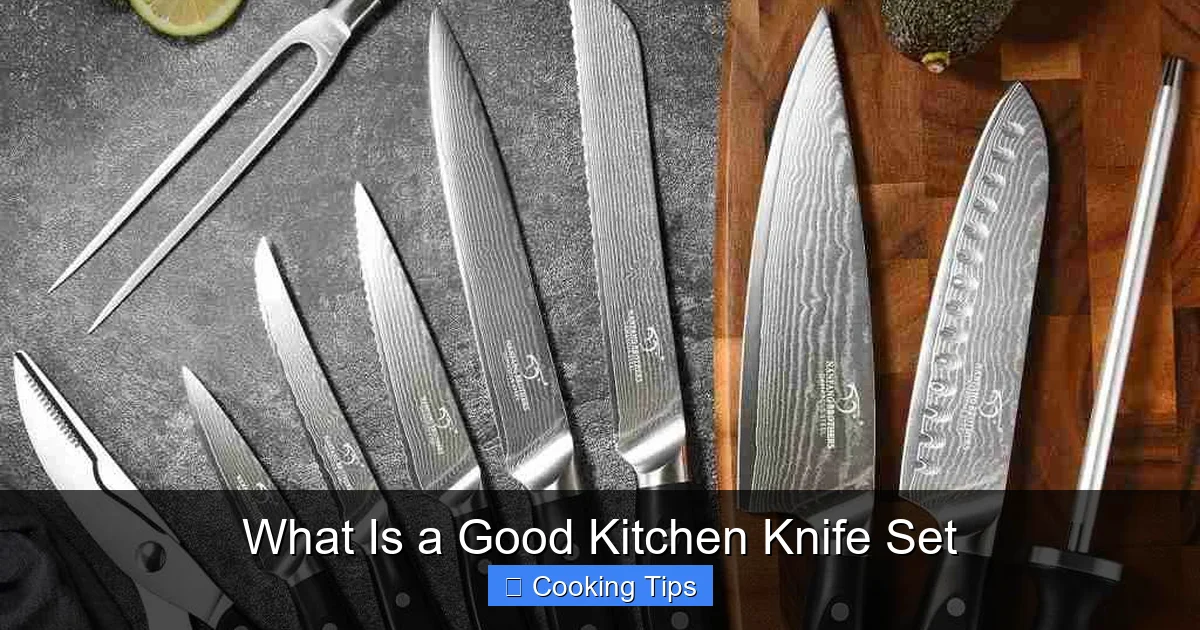
Visual guide about What Is a Good Kitchen Knife Set
Image source: spaziokitchen.com
Not all knife sets are created equal, and many include knives you’ll rarely, if ever, use. A truly *good* kitchen knife set focuses on the essentials that cover the vast majority of your cooking needs.
The Essential Trio
Every well-rounded knife set should include these three:
1. Chef’s Knife (8-inch is standard)
The workhorse of the kitchen. If you only buy one knife, make it this one.
- Uses: Chopping, dicing, mincing, slicing.
- Key Features: A broad, slightly curved blade that tapers to a point.
- What to look for: Good balance, comfortable handle, durable blade material.
2. Paring Knife (3-4 inch)
For smaller, more intricate tasks.
- Uses: Peeling, trimming, coring, detailed slicing of fruits and vegetables.
- Key Features: A small, short blade with a pointed tip.
- What to look for: Sharpness and maneuverability.
3. Serrated Knife (Bread Knife, 8-10 inch)
Essential for cutting through items with a hard exterior and soft interior.
- Uses: Slicing bread, tomatoes, citrus fruits, cakes.
- Key Features: A long blade with saw-like teeth.
- What to look for: Properly spaced, sharp serrations that can cut cleanly without crushing.
Potentially Useful Additions (Depending on Your Cooking Style)
These knives can add value if you find yourself performing specific tasks frequently.
Utility Knife (5-6 inch)
A smaller version of a chef’s knife, good for tasks too big for a paring knife but too small for a chef’s knife.
- Uses: Slicing smaller fruits and vegetables, sandwiches, small cuts of meat.
Santoku Knife (5-7 inch)
A Japanese-style knife, often with a straighter edge and a “Grantons” (hollowed-out divots) to prevent food from sticking.
- Uses: Dicing, mincing, slicing. Can be a good alternative or addition to a chef’s knife for some.
Boning Knife (5-6 inch)
For separating meat from bone.
- Uses: Trimming fat, deboning poultry and fish.
- Key Features: A narrow, flexible blade.
Fillet Knife (6-8 inch)
Similar to a boning knife but typically longer and more flexible for filleting fish.
- Uses: Removing skin and bones from fish.
Knives to Be Wary Of in a Set
Many sets include specialized knives you might never use, increasing the cost without adding proportional value. Be cautious of:
- Steak Knives (as part of a *block* set): While useful, they are often of lower quality in block sets and are better purchased separately if you need them.
- Cleavers (unless you’re a serious butcher): A standard chef’s knife can handle most chopping tasks for home cooks.
- Unusual specialty knives: Unless you have a specific culinary need for them (e.g., a mezzaluna for herbs), they are often superfluous.
Evaluating Knife Sets: What to Look For
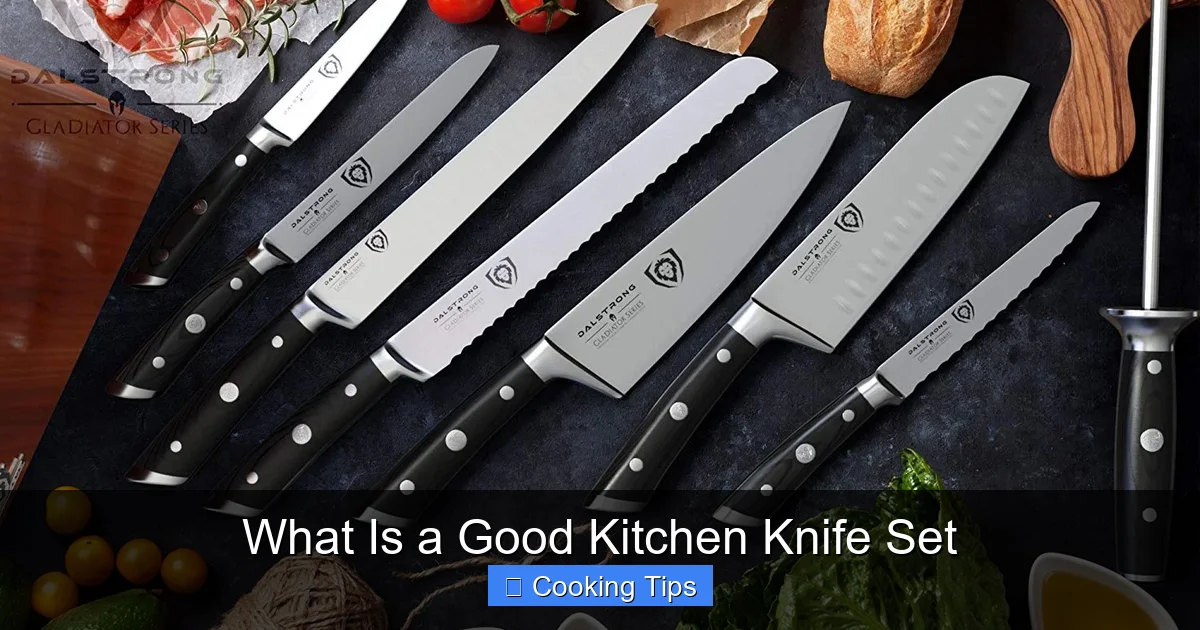
Visual guide about What Is a Good Kitchen Knife Set
Image source: ctopreviews.com
Now that you know the components of a good knife and the essential blades, let’s look at how to assess a complete set.
1. Brand Reputation and Reviews
In 2026, online reviews and brand reputation are invaluable.
- Research brands: Look for companies known for quality cutlery (e.g., Wüsthof, Zwilling J.A. Henckels, Shun, Global, Victorinox).
- Read reviews: Pay attention to comments about sharpness retention, durability, and handle comfort.
2. Set Contents vs. Your Needs
As discussed, don’t buy a set just because it has many pieces.
- Match the set to your cooking: If you rarely debone meat, a boning knife in the set is wasted space and money.
- Consider buying individual knives: Sometimes, purchasing a few key knives separately and building your collection over time is more economical and results in higher quality tools.
3. Storage Solution: Block vs. Magnetic Strip vs. In-Drawer
How you store your knives is critical for their longevity and your safety.
- Knife Blocks: The classic choice. Ensure the slots are appropriately sized for your knives and that they fit snugly to protect the blades. Blocks can take up counter space.
- Magnetic Strips: A space-saving option that also displays your knives. Ensure the magnets are strong enough to hold the knives securely. Keep fingers away from the magnet when placing or removing knives.
- In-Drawer Organizers: Keeps knives safely out of sight and protects blades, but requires drawer space.
A good set should come with a functional and safe storage solution.
4. Price vs. Value
A good kitchen knife set is an investment.
- Budget: You can find decent starter sets for under $100, good quality sets for $200-$500, and professional-grade sets upwards of $500.
- Don’t overspend on unnecessary pieces: Focus your budget on the quality of the essential knives. A high-quality chef’s knife is worth more than a dozen mediocre ones.
- Consider long-term value: A well-made set from quality materials will last decades, making it a cost-effective choice over time.
Tips for Maintaining Your Knife Set
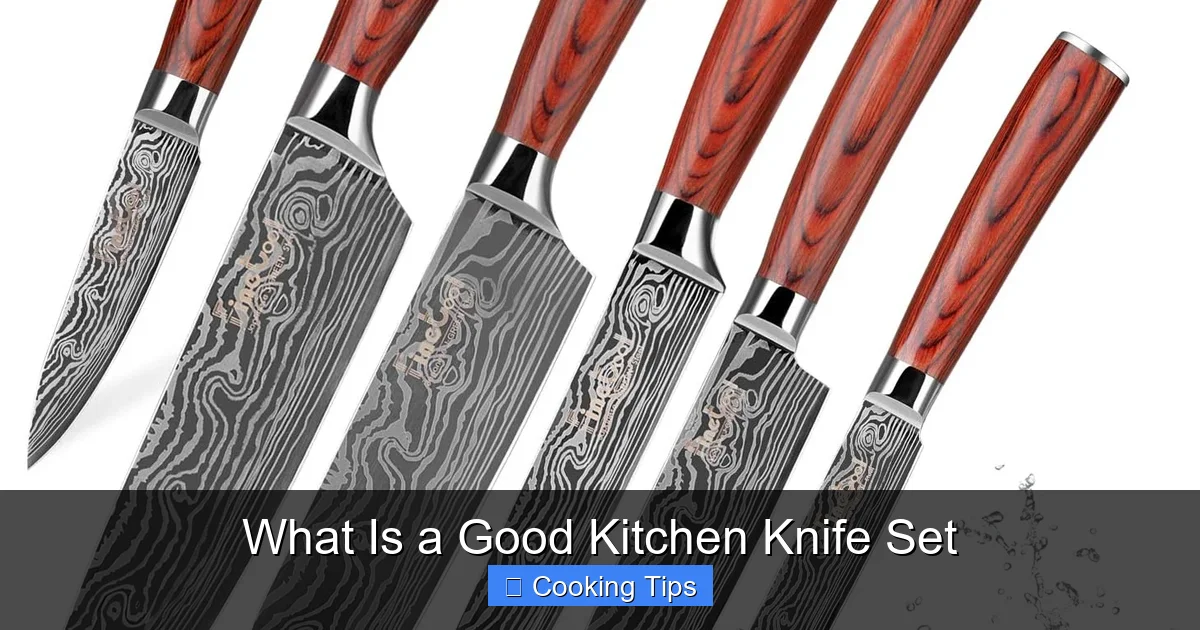
Visual guide about What Is a Good Kitchen Knife Set
Image source: images-na.ssl-images-amazon.com
To ensure your good kitchen knife set performs well for years, proper maintenance is key.
Honing vs. Sharpening
These are two different, but equally important, processes.
- Honing: This realigns the microscopic edge of the blade using a honing steel or rod. It should be done frequently, ideally before or after each use. It doesn’t remove metal, just straightens the existing edge.
- Sharpening: This removes a small amount of metal to create a new, sharp edge. It should be done less frequently, perhaps a few times a year depending on usage. Use a whetstone, electric sharpener, or professional service.
Cleaning Your Knives
- Hand wash only: Never put good kitchen knives in the dishwasher. The harsh detergents, high heat, and banging against other items can dull the blades, damage handles, and cause corrosion.
- Wash immediately after use: This prevents food acids from damaging the blade and makes cleaning easier.
- Dry thoroughly: Always dry knives completely with a soft cloth to prevent rust and water spots.
Proper Storage
As mentioned, safe and proper storage prevents damage to the blades and prevents accidents. Keep knives separated in blocks, on magnetic strips, or in protective sheaths.
Troubleshooting Common Knife Issues
Even with the best knives, you might encounter a few problems.
My knife isn’t sharp anymore.
This is usually a sign it needs sharpening. If you hone regularly, the sharpening will be less frequent. If you haven’t sharpened in a long time, you might need to use a coarser grit whetstone or a professional sharpening service.
My knife is rusting.
This is most common with high-carbon steel or if knives are left wet. Clean the rust spot with a gentle abrasive (like baking soda paste) and a soft cloth, then dry thoroughly. Ensure your knives are always washed and dried promptly. For stainless steel, this is rare but can occur with prolonged exposure to corrosive substances or if the protective chromium layer is damaged.
My handle feels loose.
This can happen with riveted handles if the rivets loosen over time. For full tang knives, check if the tang itself has shifted. If the issue is significant, it may be worth consulting a knife repair service or the manufacturer.
Conclusion
Choosing a good kitchen knife set in 2026 is about making an informed decision that prioritizes quality, functionality, and your personal cooking style. It’s not about the number of knives, but the quality of the essential ones. By understanding blade materials, construction, handle ergonomics, and the specific knives you truly need, you can confidently select a set that will become a trusted companion in your culinary adventures. Remember, a good set is an investment that pays dividends in enjoyment, efficiency, and safety in the kitchen. Happy chopping!
