

Choosing the right cutting board for meat is crucial for both safety and hygiene. This guide delves into the best materials, including wood and plastic, highlighting their pros and cons. We’ll also explore different board types, maintenance tips, and how to prevent cross-contamination. Proper cutting board selection and care will ensure a safer and more enjoyable cooking experience.
Welcome to your ultimate guide on selecting the best cutting board for meat. Preparing meat safely and hygienically is vital for any home cook. The cutting board you choose plays a starring role in this process. It’s not just about chopping; it’s about preventing the spread of bacteria and protecting your knives. This guide will walk you through everything you need to know. We’ll explore the different materials, types, and the essential care needed to keep your cutting board in top shape.
By the end of this article, you’ll be confident in selecting the perfect cutting board for all your meat preparation needs. Let’s dive in!
Key Takeaways
- Material Matters Most: Wood (especially maple and bamboo) and high-density plastic are the top contenders for meat cutting boards due to their durability and non-porous nature.
- Wood vs. Plastic: While wood offers a natural aesthetic and self-sanitizing properties, plastic is dishwasher-safe and often more budget-friendly, though it can scratch more easily.
- Consider the Type: Edge-grain and end-grain wood boards are superior for knives, while thicker, solid plastic boards are excellent for heavy-duty meat prep.
- Size and Stability: Opt for a board large enough to comfortably handle your cuts of meat and ensure it has a non-slip base or can be secured to prevent accidents.
- Hygiene is Paramount: Always use separate cutting boards for raw meat and other foods to prevent cross-contamination, and clean thoroughly after each use.
- Proper Care Extends Life: Regular cleaning, oiling (for wood), and avoiding harsh chemicals are essential for maintaining your cutting board’s integrity and longevity.
- Invest Wisely: A good cutting board is an investment in your kitchen’s safety and efficiency; choose one that suits your needs and budget.
Understanding the Importance of the Right Cutting Board for Meat
Why is there so much fuss about cutting boards for meat? It boils down to two main concerns: food safety and knife care. Raw meat can harbor harmful bacteria like Salmonella and E. coli. If these bacteria transfer to other foods, especially those eaten raw, it can lead to serious illness. A good cutting board minimizes this risk. It also provides a stable surface that won’t dull your precious knives. A poor-quality board can damage your knife’s edge quickly, making them less effective and more dangerous to use.
Materials: The Heart of Your Cutting Board
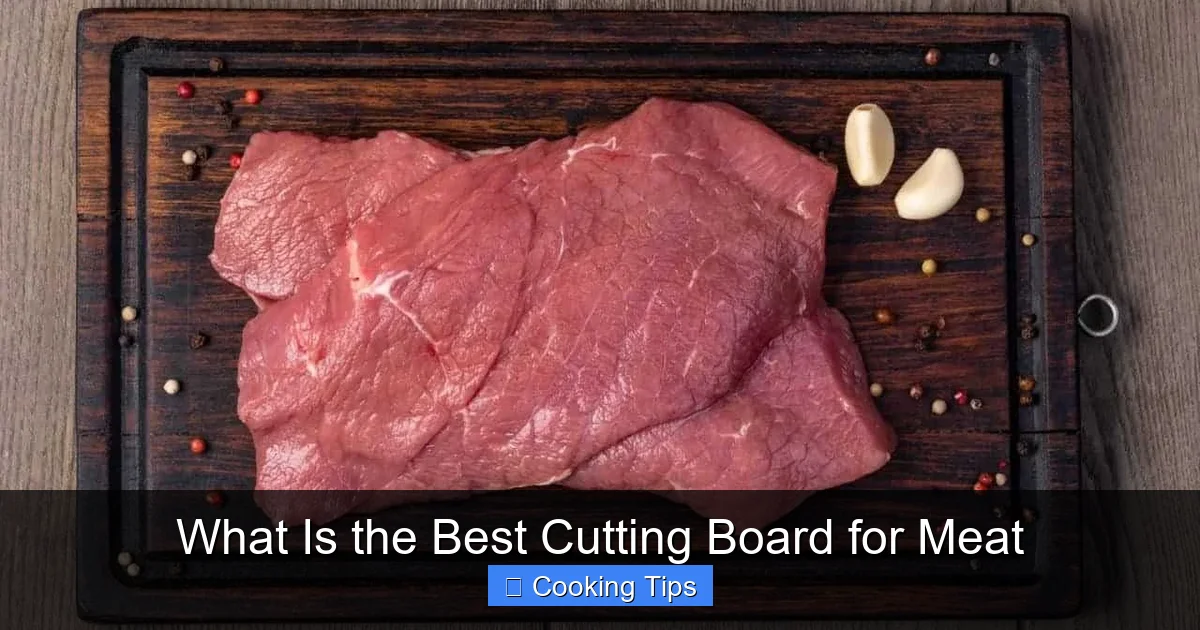
Visual guide about What Is the Best Cutting Board for Meat
Image source: hellskitchenrecipes.com
The material of your cutting board is the most significant factor to consider. Different materials have unique properties that affect their durability, hygiene, and how they interact with your knives.
Wood Cutting Boards
Wood has been a favorite for centuries, and for good reason. It’s durable, gentle on knives, and possesses natural antibacterial properties.
Hardwoods are Best
When choosing a wood cutting board, opt for dense hardwoods. These resist wear and tear better.
- Maple: This is a classic choice. Hard maple is dense, durable, and has a tight grain. It’s relatively resistant to staining and warping.
- Walnut: Beautiful and durable, walnut is another excellent hardwood. It’s slightly softer than maple, which can be even gentler on knives.
- Cherry: Similar to walnut, cherry offers good durability and a lovely aesthetic.
- Bamboo: While technically a grass, bamboo is incredibly hard and dense. It’s a sustainable option. However, its high silica content can be harder on knife edges over time compared to maple or walnut.
Avoid Softwoods
Woods like pine, fir, or redwood are too soft. They will show knife marks easily, creating crevices for bacteria to hide. They also absorb moisture and can warp or crack quickly.
Wood Grain Types
Wood cutting boards come in different grain constructions, each with its pros and cons:
Edge-Grain Boards
These boards are made by gluing strips of wood together along their edges. They are more stable and less prone to warping than other wood types. They are also generally more affordable than end-grain boards. Knife marks will show, but the board remains functional for a long time.
End-Grain Boards
These are considered the premium wood cutting board. They are constructed by gluing together blocks of wood so that the cutting surface is made up of the ends of the wood fibers.
- Knife-Friendly: When you cut into an end-grain board, the knife edge parts the wood fibers. They then spring back into place after the knife is removed. This makes them incredibly gentle on your knives, helping them stay sharper for longer.
- Self-Healing: Minor knife marks tend to be less visible over time as the fibers “heal” themselves.
- More Expensive: End-grain boards are typically more expensive than edge-grain boards due to the complex construction process.
- More Maintenance: They can be more susceptible to staining and may require more frequent oiling.
Plastic (Polyethylene) Cutting Boards
Plastic cutting boards, usually made of high-density polyethylene (HDPE), are a popular and practical choice for many kitchens.
Pros of Plastic Boards
- Easy to Clean: Most plastic boards are dishwasher-safe. This makes sanitizing them very simple.
- Non-Porous: They don’t absorb liquids or odors as easily as wood, which can help prevent flavor transfer.
- Affordable: Plastic boards are generally less expensive than quality wood options.
- Lightweight: They are easy to handle and store.
Cons of Plastic Boards
- Scratches Easily: Plastic boards are more prone to developing deep knife marks. These scratches can trap bacteria and are harder to sanitize thoroughly than those on wood.
- Can Warp: Repeated exposure to high heat in dishwashers can cause plastic boards to warp over time.
- Less Gentle on Knives: While not as harsh as glass or metal, they can dull knife edges faster than wood.
Other Materials (to Avoid for Meat)
While not ideal for meat, it’s worth mentioning other materials to be aware of.
- Glass: Extremely hard, very un-knife-friendly, and can cause knives to slip. Also noisy.
- Metal: Similar to glass – harsh on knives and can be unsanitary if scratched.
- Marble/Stone: Beautiful but very hard on knives and can be porous. Heavy and prone to chipping.
Types of Cutting Boards
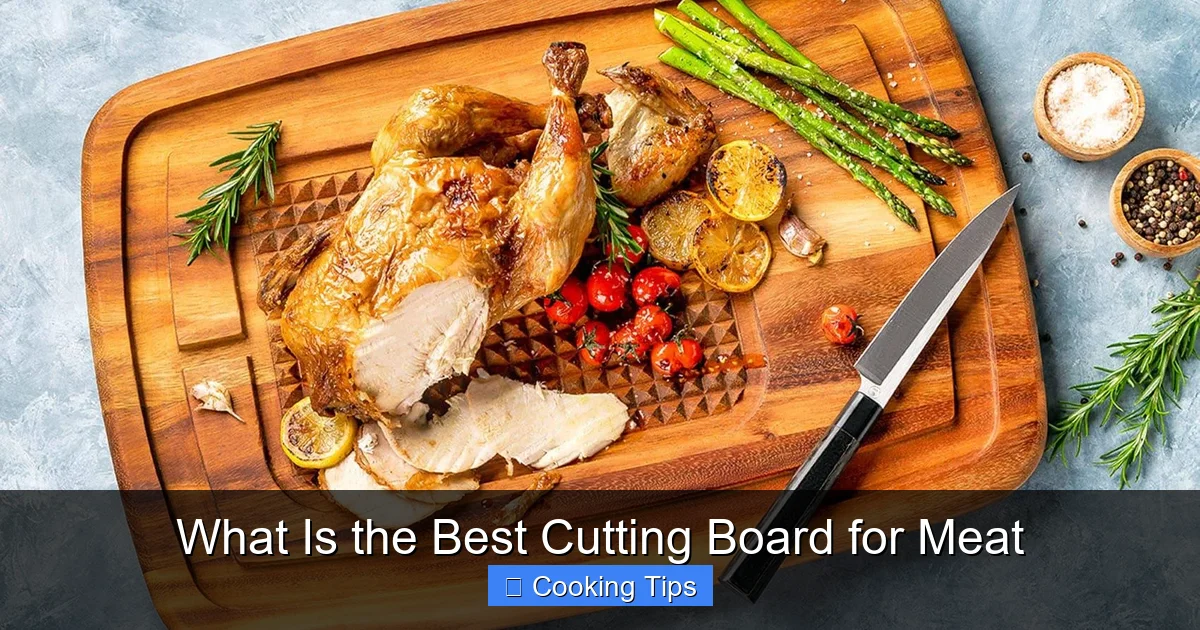
Visual guide about What Is the Best Cutting Board for Meat
Image source: wildwood.com.au
Beyond material, the physical form of a cutting board matters.
Standard Flat Boards
These are the most common type. They are flat, rectangular, or square.
- Pros: Versatile, easy to store.
- Cons: Can slide around on the counter if they don’t have a non-slip base.
Cutting Boards with Juice Grooves
Many boards, both wood and plastic, feature a channel around the perimeter.
- Purpose: These grooves are designed to catch liquids, like meat juices or vegetable runoff. This keeps your countertop clean.
- Tip: For meat, especially large roasts, a deep, well-designed groove is very beneficial.
Over-the-Sink Cutting Boards
These boards are designed to fit directly over your sink.
- Pros: Excellent for consolidating prep work and easy cleanup, as scraps can be directly rinsed into the sink.
- Cons: Limited in size and may not fit all sinks.
Carving Boards
These are typically larger, thicker boards, often with a juice groove. They are ideal for carving roasts and large cuts of meat. Their size provides ample space, and the groove contains the juices.
Key Features to Look For When Choosing

Visual guide about What Is the Best Cutting Board for Meat
Image source: cdn.shopify.com
Let’s refine your search with these practical considerations.
Size
* Consider your typical cuts: If you often break down whole chickens or prepare large roasts, you’ll need a bigger board. For smaller tasks like slicing a steak, a smaller board might suffice.
* Counter space: Make sure the board fits comfortably on your workspace without overcrowding.
Thickness and Stability
* Thickness: A thicker board is generally more stable and durable. Aim for at least 3/4 inch for smaller boards and 1-1.5 inches for larger ones.
* Stability: A board that slides around is a safety hazard. Look for boards with rubber feet, a non-slip base, or a damp cloth placed underneath for extra grip.
Ease of Cleaning and Maintenance
This is critical for meat preparation.
- Dishwasher Safe: Plastic boards win here.
- Hand Wash: Most wood boards require hand washing.
- Oiling (Wood): Regular oiling is essential for wood to prevent drying, cracking, and staining.
The Golden Rule: Separate Boards for Meat
This cannot be stressed enough. For maximum food safety, you absolutely need separate cutting boards.
- One for Raw Meat: Dedicate one board specifically for raw meat, poultry, and seafood.
- Another for Other Foods: Use a different board for fruits, vegetables, bread, and cooked foods.
- Color-Coding: Some people use color-coded boards (e.g., red for meat, green for vegetables) to make identification easier.
This practice is the most effective way to prevent cross-contamination and protect your family from foodborne illnesses.
Caring for Your Cutting Board: Extending Its Life and Ensuring Safety
Proper care will not only make your cutting board last longer but also keep it safe and hygienic.
Cleaning Your Cutting Board
* Daily Cleaning:
- Wood: Wash immediately after use with hot, soapy water. Use a stiff brush to scrub away any residue. Rinse thoroughly and dry upright to allow air circulation on all sides.
- Plastic: Wash with hot, soapy water. If dishwasher safe, run it through a hot cycle.
* Deep Cleaning and Sanitizing:
- Wood: To sanitize, you can use a solution of white vinegar and water (50/50) or a very diluted bleach solution (1 tablespoon bleach per gallon of water), followed by a thorough rinse. Some people also use coarse salt and lemon halves to scrub away stains and odors.
- Plastic: For plastic, a bleach solution (as above) or a food-safe sanitizer spray can be used.
Oiling and Conditioning (Wood Boards)
Wood boards need regular attention to prevent them from drying out, cracking, or becoming waterlogged.
- Frequency: Oil your wood cutting board at least once a month, or more often if it looks dry or you live in a dry climate.
- Type of Oil: Use food-grade mineral oil, walnut oil, or a specialized cutting board conditioner. Never use vegetable oils like olive or canola oil, as they can go rancid and impart unpleasant odors and flavors.
- How to Oil: Apply a generous amount of oil to the entire surface of the board. Let it soak in for at least 30 minutes, or preferably overnight. Wipe off any excess with a clean cloth.
Dealing with Scratches and Grooves
* Wood: Minor scratches on wood boards can often be sanded down to restore the surface. For deeper grooves, you might need to resurface the board or consider replacing it if it becomes too damaged.
* Plastic: Deep scratches in plastic are difficult to fully sanitize. If your plastic board is heavily grooved, it’s time to replace it.
When to Replace Your Cutting Board
Don’t hold onto a board that’s past its prime.
- Signs of wear: Look for deep, widespread knife marks, cracks, warping, or if the board no longer lies flat.
- Persistent odors or stains: If you can’t get rid of them, it’s time for a new one.
- For plastic: If the surface is heavily scratched or grooved.
Practical Tips for Using Your Cutting Board for Meat
* Stable Surface: Always ensure your cutting board is on a stable, non-slip surface before you start cutting. A wet towel underneath works wonders.
* Clean as You Go: Wipe down your board and knife periodically, especially when switching from raw meat to other ingredients.
* Knife Care: Use a sharp knife. A sharp knife is safer and more effective than a dull one, and it’s gentler on your cutting board.
* Proper Storage: Store your cutting boards upright or on a rack where air can circulate freely. Avoid stacking them flat, especially wood boards, which can trap moisture.
Conclusion: Making the Right Choice for Your Kitchen
Choosing the best cutting board for meat involves considering materials, types, and consistent, proper care. For most home cooks, a good quality hardwood board (like maple or walnut) for general use and a separate, durable plastic board for raw meat prep offers a balanced, safe, and efficient solution.
Remember, hygiene is paramount. Always use separate boards and clean them thoroughly after each use. By investing in a quality cutting board and taking the time to care for it, you’ll not only enhance your cooking experience but also ensure the safety and well-being of your kitchen. Happy chopping!
