
Choosing the right cutting board is crucial for kitchen hygiene, knife longevity, and food safety. This guide explores various materials like wood, plastic, and bamboo, detailing their pros and cons. We’ll help you understand maintenance needs and select the best cutting board to suit your cooking style and budget, ensuring a safer and more enjoyable culinary experience.
- Understand Material Matters: Different cutting board materials (wood, plastic, bamboo, glass, metal) offer unique benefits and drawbacks regarding knife sharpness, hygiene, and durability.
- Wood Offers Warmth and Knife Friendliness: Hardwood options like maple and walnut are excellent choices for their self-healing properties and gentleness on knife edges.
- Plastic is Practical for Purity: Plastic boards are non-porous, easy to sanitize, and often dishwasher-safe, making them ideal for raw meats and preventing cross-contamination.
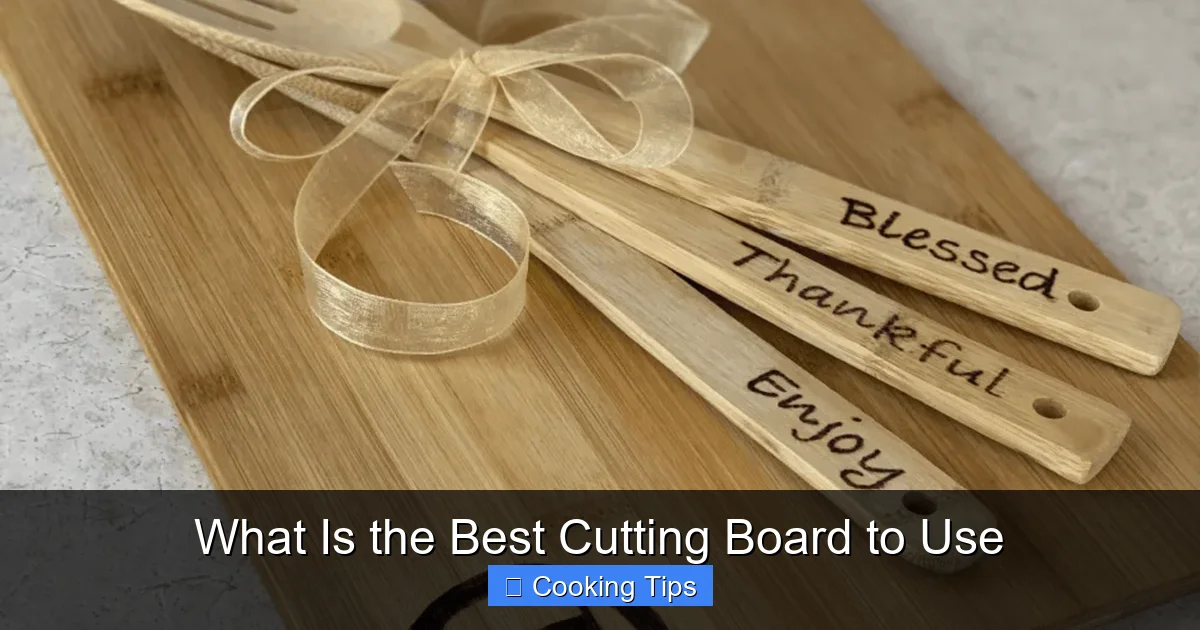
- Bamboo is a Sustainable Standout: Bamboo is an eco-friendly option known for its durability and resistance to moisture, though it can be slightly harder on knives than some hardwoods.
- Avoid Glass and Metal for Everyday Use: While hygienic, glass and metal cutting boards will quickly dull your knives and are generally not recommended for regular food preparation.
- Proper Maintenance Extends Lifespan: Regular cleaning, oiling (for wood), and sanitizing are essential for keeping your cutting board safe and in good condition.
- Consider Your Needs: The best cutting board for you depends on your cooking habits, budget, and willingness to maintain it.
What Is the Best Cutting Board to Use
Welcome to the ultimate guide to choosing the best cutting board for your kitchen! As a home cook, you likely reach for a cutting board multiple times during meal preparation. But have you ever stopped to consider if the board you’re using is the best one for the job? It might seem like a small detail, but the right cutting board can make a big difference in knife sharpness, food safety, and even the overall efficiency of your cooking.
In this comprehensive guide, we’ll dive deep into the world of cutting boards. We’ll explore the various materials available, weigh their pros and cons, and discuss how to properly care for them. By the end of this article, you’ll have all the knowledge you need to select the perfect cutting board that fits your needs, budget, and cooking style. Let’s get chopping!
Understanding Cutting Board Materials
The material of your cutting board is the most significant factor determining its performance, durability, and hygiene. Each material has its own unique characteristics that make it suitable for different tasks. Let’s break down the most common options:
Wood Cutting Boards
Wood has been a staple in kitchens for centuries, and for good reason. It’s beautiful, durable, and gentle on your knives. However, not all wood is created equal.
Types of Wood
- Hardwoods: These are the preferred choice for cutting boards. They are dense and less prone to deep scratches, which can harbor bacteria. Popular hardwoods include maple, walnut, cherry, and teak.
- Softwoods: Woods like pine or fir are generally not recommended for cutting boards. They are too soft, will develop deep cuts quickly, and can easily absorb moisture and odors.
End-Grain vs. Edge-Grain Wood
This refers to the direction the wood fibers are oriented.
- Edge-Grain: In edge-grain boards, the wood strips are laid on their sides, so you’re cutting across the grain lines. These boards are generally more affordable and durable but can show knife marks more readily over time.
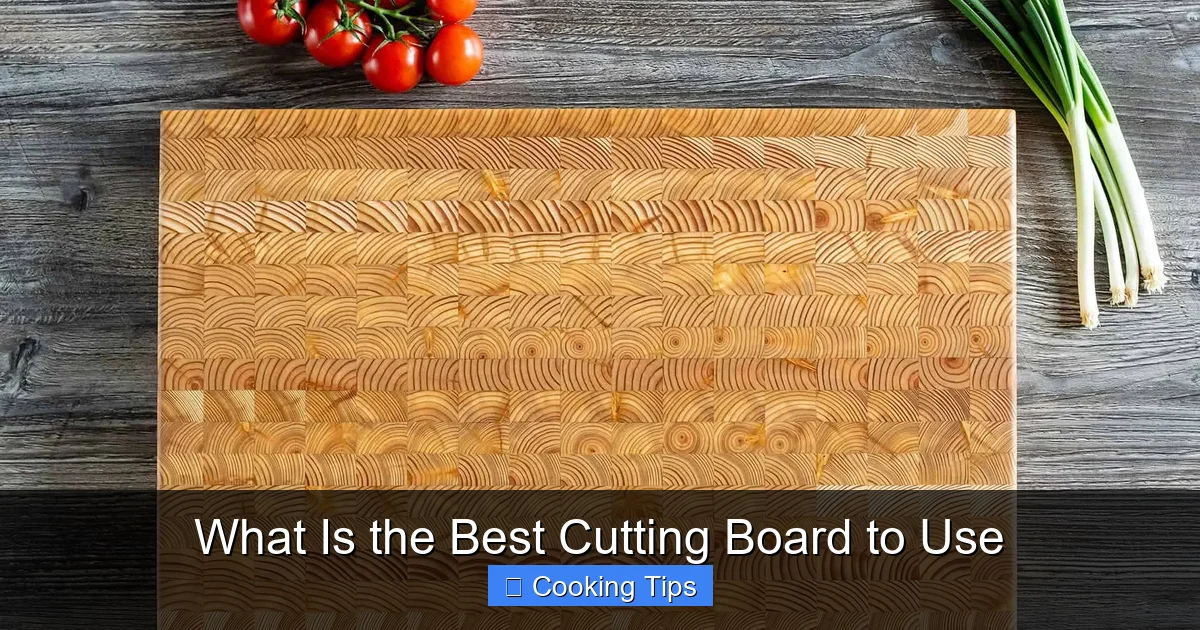
- End-Grain: Here, the wood strips are arranged so the cut ends are facing upwards. This “self-healing” property means that when you cut into an end-grain board, the fibers separate and then spring back together. This is gentler on your knives and less prone to deep scarring. End-grain boards are typically more expensive.
Pros of Wood Cutting Boards
- Knife-Friendly: Wood is relatively soft, which means it won’t dull your knife edges as quickly as harder materials.
- Aesthetically Pleasing: Wood boards add warmth and beauty to any kitchen countertop.
- Self-Healing (End-Grain): The fibers in end-grain boards can close up after cuts, reducing the appearance of knife marks and potential for bacteria to hide.
- Naturally Antimicrobial: Some types of wood, like maple, have natural antimicrobial properties.
Cons of Wood Cutting Boards
- Maintenance Required: Wood needs regular oiling to prevent drying out, cracking, and warping. It also cannot be put in the dishwasher.
- Can Absorb Stains and Odors: If not properly maintained, wood can absorb strong odors from ingredients like garlic or onions, and it can stain over time.
- Prone to Warping/Cracking: Extreme temperature changes or prolonged exposure to moisture can cause damage.
Plastic Cutting Boards (Polypropylene/Polyethylene)
Plastic cutting boards are a popular choice due to their affordability and ease of cleaning. They are often color-coded for different food types to prevent cross-contamination.
Pros of Plastic Cutting Boards
- Easy to Clean and Sanitize: Most plastic boards are dishwasher-safe, making them extremely easy to keep clean and hygienic.
- Non-Porous: They don’t absorb liquids or odors as readily as wood.
- Affordable: Plastic boards are typically less expensive than wooden ones.
- Color-Coding Options: Many come in various colors, allowing you to designate specific boards for raw meat, poultry, vegetables, etc., reducing the risk of cross-contamination.
Cons of Plastic Cutting Boards
- Can Be Harsh on Knives: Plastic is harder than wood and can dull your knife edges more quickly.
- Scratches Easily: Deep knife cuts can create grooves where bacteria can hide, making them harder to clean thoroughly.
- Can Warp in Dishwasher: While dishwasher-safe, high heat can sometimes cause them to warp over time.
Bamboo Cutting Boards
Bamboo is a rapidly renewable resource, making it an eco-friendly option for your kitchen. It’s a grass, not a wood, and it has some unique properties.
Pros of Bamboo Cutting Boards
- Sustainable and Eco-Friendly: Bamboo grows very quickly and requires minimal resources.
- Durable and Hard: Bamboo is quite hard, making it resistant to knife marks and warping.
- Naturally Moisture-Resistant: It doesn’t absorb as much moisture as some woods.
Cons of Bamboo Cutting Boards
- Can Be Hard on Knives: Because bamboo is a very hard material, it can dull your knives faster than softer woods.
- Less “Self-Healing”: It doesn’t have the same self-healing properties as end-grain wood.
- May Develop Cracks: While moisture-resistant, if not properly cared for, bamboo can still develop cracks.
Other Materials to Consider (with Caveats)
While wood, plastic, and bamboo are the most common, you might encounter other materials.
- Glass Cutting Boards: These are extremely hygienic and easy to clean. However, they are terrible for your knives. They will dull your blades very quickly and are noisy to cut on. Best reserved for serving rather than prep.
- Metal Cutting Boards: Similar to glass, metal boards are hygienic but will rapidly destroy your knife edges. Avoid them for general cutting.
- Composite/Durable Fiber Boards: These are engineered boards made from compressed wood fibers or plastics. They can be a good balance of durability, hygiene, and knife-friendliness, often being dishwasher safe.
Choosing the Best Cutting Board for You
Now that you understand the materials, let’s consider how to pick the best cutting board based on your specific needs.
Consider Your Primary Use
What do you chop most often?
- For general use and everyday chopping: A good quality hardwood (maple, walnut) or a durable composite board is excellent. If ease of cleaning is paramount, a high-quality plastic board can work, especially if you have separate boards for different tasks.
- For handling raw meats and poultry: A plastic cutting board is ideal. Its non-porous nature and dishwasher-safe capability make it the safest choice to prevent the spread of bacteria. Consider having a dedicated board for raw meats only.
- For slicing delicate fruits and vegetables: A wood board will be gentler on your knife edges, preserving their sharpness for precise cuts.
- For chopping bread or crusty items: A slightly harder surface like bamboo or a textured plastic board might prevent crumbs from getting lodged as easily.
Think About Knife Care
If you’ve invested in good quality knives, you’ll want a cutting board that complements them.
- Gentle on Knives: Wood (especially end-grain) and certain composite materials are the best for preserving knife sharpness.
- Harder on Knives: Plastic, bamboo, glass, and metal will dull your knives more quickly.
Evaluate Maintenance Preferences
How much time and effort are you willing to put into caring for your cutting board?
- Low Maintenance: Plastic and composite boards are the easiest, often just needing a quick wash or a cycle in the dishwasher.
- Moderate Maintenance: Bamboo boards require hand washing and occasional drying.
- High Maintenance: Wooden boards need regular washing by hand, drying thoroughly, and periodic oiling with food-grade mineral oil or beeswax conditioner.
Budget Considerations
Cutting boards range in price from under $20 for basic plastic options to several hundred dollars for large, high-end end-grain wood boards.
- Budget-Friendly: Plastic and basic bamboo boards are usually the most affordable.
- Mid-Range: Good quality edge-grain wood boards or larger bamboo boards fall into this category.
- Investment Pieces: High-quality end-grain wood boards or premium composite boards are an investment that can last for years.
Size and Shape
Consider the size of your countertops and the volume of food you typically prepare.
- For small kitchens or light prep: A smaller, more compact board will suffice.
- For avid cooks or families: A larger board offers more workspace and efficiency.
- Think about handles: Some boards have cut-out handles, making them easier to carry.
- Consider a juice groove: If you’re often slicing juicy meats or fruits, a board with a groove around the edge can catch excess liquid, preventing spills on your counter.
Proper Cutting Board Maintenance
The best cutting board is one that’s clean and well-maintained. Proper care not only ensures food safety but also extends the life of your board.
Cleaning Your Cutting Board
This is a crucial step regardless of the material.
- Daily Cleaning: After each use, wash your cutting board with hot, soapy water.
- For Plastic Boards: Many are dishwasher-safe. Run them on the top rack to minimize warping.
- For Wood and Bamboo Boards: Always hand wash. Never submerge them in water or put them in the dishwasher, as this can lead to cracking, warping, and splitting.
- Sanitizing: For a deeper clean, especially after cutting raw meat or poultry, you can sanitize.
- Vinegar or Lemon Juice: After washing, wipe the board down with white vinegar or lemon juice, let it sit for a few minutes, then rinse and dry thoroughly.
- Hydrogen Peroxide: For a more robust sanitization, spray with 3% hydrogen peroxide, let it bubble for a few minutes, then rinse and dry.
Maintaining Wood Cutting Boards
Wood requires a little extra TLC.
- Oiling: Wood needs to be seasoned regularly to prevent it from drying out, cracking, and absorbing stains or odors.
- Frequency: This depends on how often you use it and the humidity of your environment. Aim for once a month, or whenever the wood looks dry.
- What to Use: Use food-grade mineral oil, coconut oil, or a specialized cutting board conditioner (often a blend of oil and beeswax). Avoid vegetable oils like olive or canola oil, as they can go rancid.
- How to Oil: Apply a generous amount of oil to the entire surface of the board using a clean cloth. Let it soak in for at least a few hours, or preferably overnight. Wipe off any excess oil.
- Dealing with Stains and Odors: For stubborn stains or odors on wood boards, you can try scrubbing with a paste of baking soda and water, or use the lemon/vinegar methods mentioned above.
Maintaining Bamboo Cutting Boards
Bamboo boards are less maintenance than wood but still benefit from care.
- Hand Wash Only: Like wood, bamboo should never go in the dishwasher.
- Dry Thoroughly: Ensure it’s completely dry before storing it upright to allow air circulation.
- Occasional Oiling: While not as critical as with wood, a light application of food-grade mineral oil every few months can help maintain its moisture balance and prevent cracking.
Troubleshooting Common Cutting Board Issues
Even with the best care, you might encounter some problems.
My wooden board is warped. What can I do?
Minor warping can sometimes be resolved by placing the board on a flat surface and letting it dry completely. For significant warping, it might be difficult to fully correct, and it might be time to consider a replacement. Proper drying and storage (upright) can prevent this.
Visual guide about What Is the Best Cutting Board to Use
Image source: truemoneysaver.com

Visual guide about What Is the Best Cutting Board to Use
Image source: cdn.kitchenfreak.com
My plastic board has deep scratches and grooves. Is it still safe?
Deep grooves can harbor bacteria, making them difficult to sanitize effectively. While a quick sanitizing spray might help, if the scratches are deep and numerous, it’s safer to replace the board to prevent potential foodborne illness.
My wood board smells like garlic or onions. How can I get rid of it?
Try the baking soda paste method: mix baking soda with a little water to form a paste, spread it over the board, let it sit for 10-15 minutes, then scrub and rinse. For stronger odors, try rubbing the board with a halved lemon or a cloth soaked in white vinegar, let it sit, then rinse and dry.
Can I use the same cutting board for raw chicken and salad?
Absolutely not! This is a critical food safety rule. Raw meat, poultry, and fish can carry harmful bacteria like Salmonella and E. coli. Always use separate cutting boards for raw animal products and ready-to-eat foods like fruits and vegetables. Color-coded plastic boards are excellent for this purpose.
Conclusion: The Best Cutting Board is the Right Cutting Board for You
Choosing the best cutting board isn’t about finding a single “perfect” option that suits everyone. It’s about understanding your own cooking habits, priorities, and willingness to maintain your tools.
For the culinary enthusiast who values knife longevity and kitchen aesthetics, a high-quality hardwood cutting board is an excellent investment. If practicality, hygiene, and ease of cleaning are your top concerns, a set of durable plastic boards, perhaps color-coded, will serve you exceptionally well, especially for handling raw meats. And for the eco-conscious cook, bamboo offers a sustainable yet functional alternative.
No matter which material you choose, remember that proper maintenance is key. A well-cared-for cutting board is not only safer and more hygienic but will also perform better and last longer. So, take stock of your kitchen needs, consider the advice in this guide, and select a cutting board (or perhaps a few!) that will help you chop, slice, and dice your way to delicious meals for years to come. Happy cooking!
