


Tired of struggling with manual can openers? This guide reveals what makes the best electric can opener, helping you choose a model that fits your needs and budget. We explore different types, essential features, and offer practical advice to ensure you find a reliable and easy-to-use electric can opener that simplifies your kitchen tasks.
What Is the Best Electric Can Opener
Cooking should be a joy, not a struggle. But for many home cooks, especially those with limited hand strength or dexterity, opening cans can be a frustrating and even painful experience. Manual can openers require significant grip strength and precise maneuvering, often leading to sore hands, dropped cans, or uneven cuts. This is where the humble electric can opener steps in, promising to make a tedious kitchen chore a breeze. But with so many options on the market, how do you know which one is the *best* electric can opener for you?
This comprehensive guide is here to help. We’ll delve into what makes a great electric can opener, exploring the different types available, the essential features to look for, and practical tips for making your purchase. By the end of this guide, you’ll be well-equipped to select an electric can opener that simplifies your kitchen tasks, saves you time, and makes cooking more enjoyable.
Key Takeaways
- Effortless Operation: The best electric can openers provide a hands-free, smooth cutting experience, eliminating manual labor and strain.
- Safety First: Models with features like magnetic lid holders and smooth-edge cutting mechanisms significantly reduce the risk of cuts.
- Versatile Functionality: Consider electric can openers that can handle various can sizes and materials, and some even offer additional features like knife sharpening or bottle opening.
- Ease of Cleaning: Removable cutting blades and simple designs make cleaning your electric can opener a breeze, ensuring hygiene.
- Durability and Design: Look for robust construction, stable bases, and aesthetically pleasing designs that complement your kitchen decor.
- User Reviews and Ratings: Prioritize electric can openers with consistently high ratings and positive feedback from other users regarding performance and longevity.
Understanding the Appeal of Electric Can Openers
Before we dive into specifics, let’s acknowledge why an electric can opener is such a valuable addition to any kitchen.
The Problem with Manual Can Openers
Manual can openers, while classic, present several challenges:
- Requires Strength: They demand a good grip and the ability to turn a crank consistently.
- Difficult for Some: Individuals with arthritis, carpal tunnel syndrome, or general weakness in their hands can find them very difficult or impossible to use.
- Messy: Inconsistent cutting can lead to sharp edges and spills.
- Time-Consuming: Opening a single can can take a surprising amount of effort and time.
The Solution: Electric Can Openers
Electric can openers are designed to overcome these obstacles. They offer:
- Effortless Operation: Simply place the can, press a button, and let the opener do the work.
- Accessibility: They are a godsend for anyone with limited hand strength or mobility issues.
- Clean Cuts: Most models create a smooth, precise cut, minimizing mess and sharp edges.
- Speed: Cans are opened quickly and efficiently.
Types of Electric Can Openers
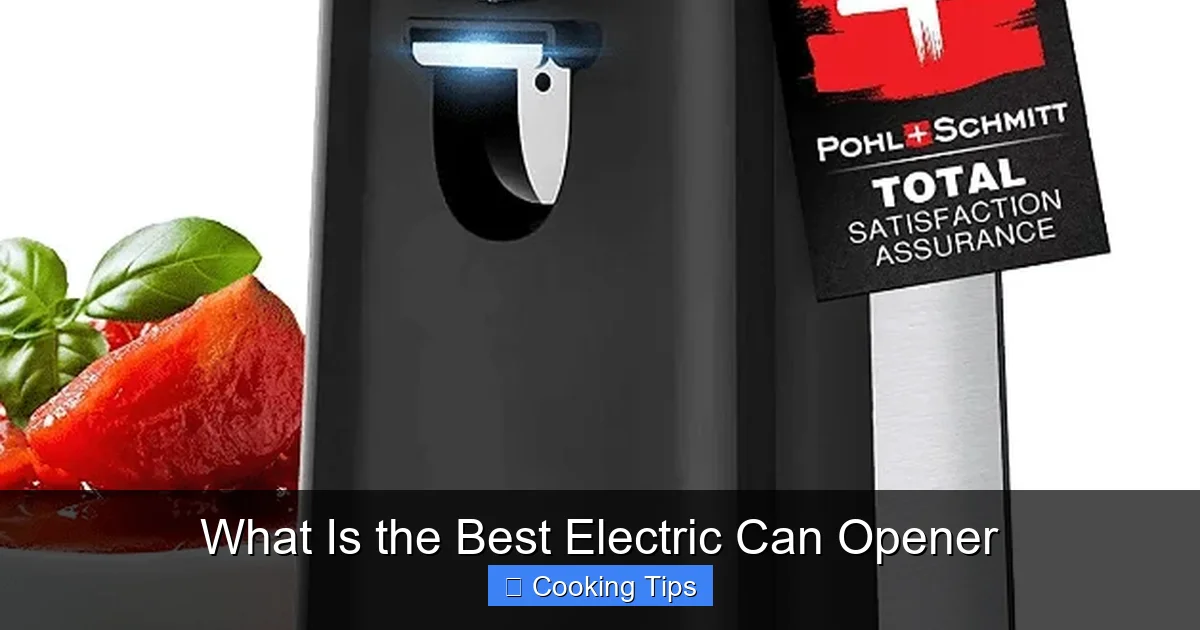
Visual guide about What Is the Best Electric Can Opener
Image source: bestelectricproducts.com
Electric can openers generally fall into a few main categories, each with its own advantages.
1. Countertop Electric Can Openers
These are the most common type you’ll see. They sit on your counter and are plugged into an electrical outlet.
Pros:
- Powerful and efficient.
- Stable and secure during operation.
- Often feature designs that can handle a wide range of can sizes.
- Some models include extra features like bottle openers or knife sharpeners.
Cons:
- Require counter space.
- Need to be plugged in, limiting placement.
- Can be bulkier than other options.
2. Cordless/Portable Electric Can Openers
These are smaller, handheld devices powered by batteries.
Pros:
- Space-saving and easy to store.
- Great for small kitchens or for those who don’t open cans frequently.
- Ideal for on-the-go use, like in RVs or for picnics.
- Offer more flexibility in placement.
Cons:
- May be less powerful than countertop models.
- Battery life can be a concern.
- May struggle with very thick or unusually shaped cans.
3. Under-Cabinet Electric Can Openers
These are mounted beneath your kitchen cabinets, saving valuable counter space.
Pros:
- Excellent space-savers.
- Conveniently located for quick access.
- Often have a sleek, integrated look.
Cons:
- Installation can be more involved.
- May be less powerful than some countertop models.
- Limited by the space under your cabinets.
Key Features to Look For in the Best Electric Can Opener
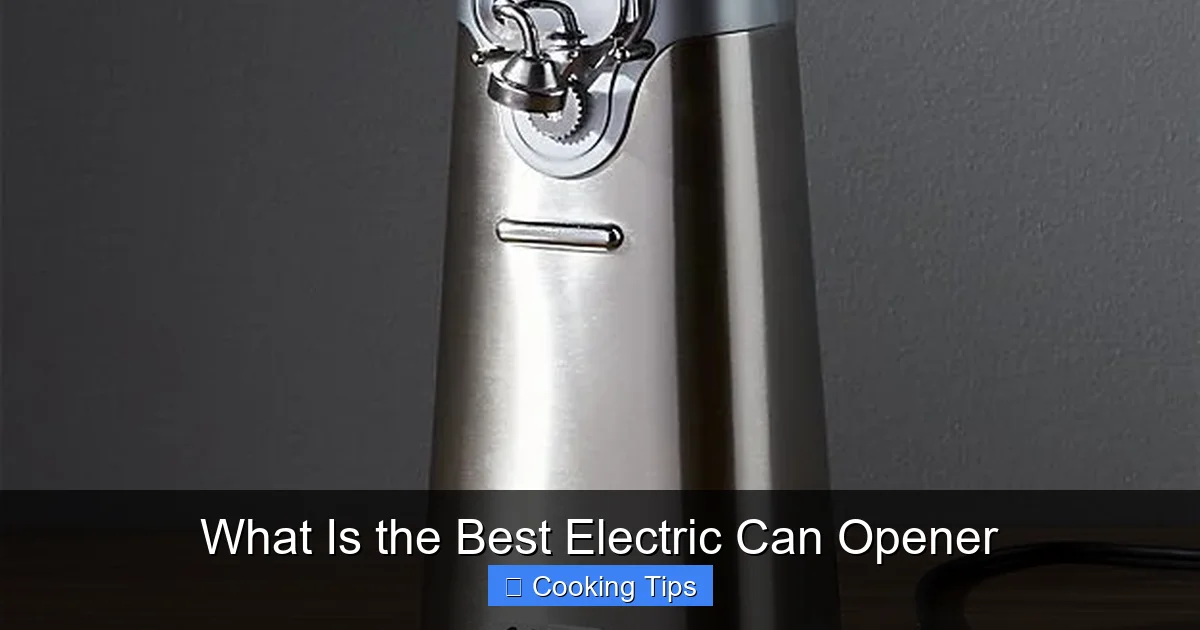
Visual guide about What Is the Best Electric Can Opener
Image source: chewtheworld.com
Now that you understand the types, let’s focus on the specific features that distinguish a good electric can opener from a great one.
1. Ease of Use and Operation
This is paramount for an electric can opener.
Hands-Free Operation:
The best models will clamp onto the can and rotate it automatically, requiring you to do nothing more than position it and press a button. This is a game-changer for those with dexterity issues.
Smooth Starting and Stopping:
The opener should engage smoothly with the can rim and stop precisely when the job is done, without jolting or jerky movements.
Simple Controls:
Look for a single, intuitive button or lever to start and stop the opener. Overly complicated controls defeat the purpose of an electric appliance.
2. Cutting Mechanism and Safety
The way the can opener cuts is crucial for both efficiency and safety.
Smooth Edge Cutting:
Many modern electric can openers cut along the side of the can’s rim, rather than from the top. This leaves a smooth edge, eliminating the sharp, dangerous lip that traditional openers create. This is a significant safety feature, especially if you have children or pets.
Magnetic Lid Holder:
A strong magnetic arm that holds the lid securely after it’s cut prevents it from falling into the can or onto the counter. This makes for a cleaner and safer removal of the lid.
Blade Sharpness and Durability:
The cutting blade should be sharp enough to easily pierce and cut through various can materials without straining the motor. High-quality stainless steel blades are a good indicator of durability.
3. Power and Motor Strength
The motor is the heart of your electric can opener.
Adequate Power:
The motor should be strong enough to handle different can thicknesses and materials, including thicker steel cans without bogging down.
Quiet Operation:
While not always a primary concern, a quieter motor is certainly more pleasant to use, especially in open-plan living spaces.
4. Can Size and Shape Compatibility
Not all cans are created equal.
Versatile Size Handling:
The best electric can openers can accommodate a wide range of standard can sizes, from small tuna cans to larger soup or vegetable cans.
Accommodating Different Shapes:
While most are designed for round cans, some might offer slight flexibility for other common shapes.
5. Design and Ergonomics
How the opener looks and feels matters.
Stable Base:
For countertop models, a wide, non-slip base is essential to prevent the unit from moving or tipping during operation.
Compact Design:
Even countertop models can be relatively compact, making them a better fit for kitchens with limited space.
Material and Build Quality:
Durable materials like sturdy plastic and stainless steel suggest longevity. A well-built unit will feel solid and reliable.
6. Ease of Cleaning
Hygiene is important in the kitchen.
Removable Cutting Assembly:
The ability to detach the cutting blade and magnetic lid holder makes cleaning much easier and more thorough. Look for parts that can be rinsed or wiped clean.
Smooth Surfaces:
A design with fewer nooks and crannies where food debris can accumulate will be simpler to keep clean.
7. Extra Features
Some electric can openers go above and beyond.
Bottle Opener:
A handy integrated bottle opener can be a useful addition.
Knife Sharpener:
Some models include a slot for sharpening kitchen knives, adding multi-functionality.
Cord Storage:
For countertop models, integrated cord storage can help keep your counter tidy.
How to Use an Electric Can Opener: A Step-by-Step Guide
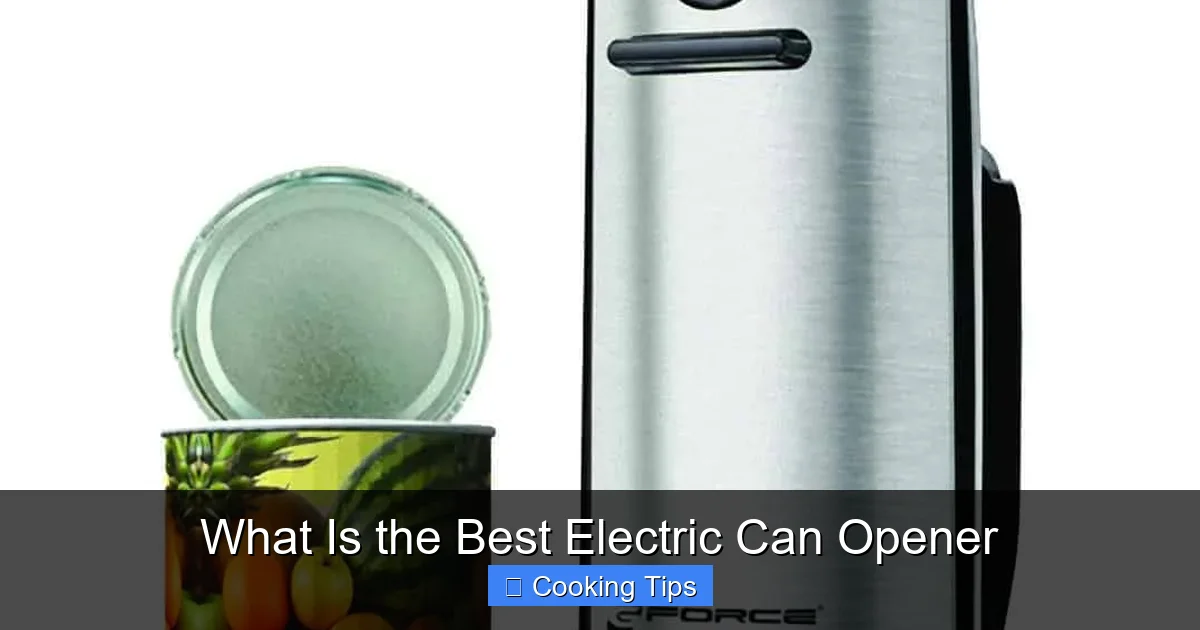
Visual guide about What Is the Best Electric Can Opener
Image source: chewtheworld.com
Using an electric can opener is generally very straightforward. Here’s a typical process:
Step 1: Prepare the Can and Opener
- Ensure your electric can opener is plugged in (for corded models) or has fresh batteries (for cordless models).
- Place the can opener on a stable, flat surface. For countertop models, ensure it’s near the edge or positioned so the can doesn’t hit anything when removed.
Step 2: Position the Can
- Take the can you wish to open.
- Align the rim of the can with the cutting blade and roller of the electric can opener. Most openers have a guide or a way to set the can in place.
Step 3: Engage the Opener
- Press the activation button or lever. The opener should start clamping onto the can’s rim and begin rotating it.
- Hold the can steady if it’s a handheld model, or ensure it’s seated properly on a countertop unit.
Step 4: Let the Opener Work
- The electric can opener will automatically cut around the can’s lid.
- The magnetic lid holder (if present) will secure the lid.
- Wait for the opener to complete its cycle, usually indicated by a stop in movement or a change in sound.
Step 5: Remove the Lid and Can
- Carefully lift the can away from the opener.
- If a magnetic lid holder is present, the lid will usually stick to it. Gently pull the lid off the magnet and dispose of it. Be mindful of any residual liquid.
- For handheld models, detach them from the can.
Step 6: Clean Up
- Wipe down the cutting mechanism and any other parts that may have come into contact with the can or lid.
- Refer to your manual for specific cleaning instructions, especially if parts are detachable.
Tips for Choosing the Best Electric Can Opener for You
Making the right choice involves considering your personal needs.
Consider Your Kitchen Space
- Small Kitchens: A compact countertop model, a cordless opener, or an under-cabinet unit will be best to save space.
- Ample Counter Space: You have more flexibility and can opt for a feature-rich countertop model.
Assess Your Usage Frequency
- Occasional Use: A simple, affordable cordless model might suffice.
- Frequent Use: Invest in a more robust, durable countertop model with a powerful motor for consistent performance.
Think About Special Needs
- Arthritis or Weak Grip: Prioritize models with excellent one-touch, hands-free operation and smooth-edge cutting.
- Safety Concerns: Look for smooth-edge cutting and secure magnetic lid holders.
Read Reviews and Check Ratings
- Don’t underestimate the power of user reviews. Look for consistent praise regarding performance, durability, and ease of use.
- Pay attention to reviews from people with similar needs, such as those with arthritis or specific kitchen challenges.
Budget Considerations
Electric can openers range from budget-friendly options to more premium models. Decide what features are most important to you and find a model that offers the best value within your budget. While it’s tempting to go for the cheapest option, investing a little more in a well-made, durable model can save you frustration and replacement costs in the long run.
Troubleshooting Common Electric Can Opener Issues
Even the best electric can openers can sometimes have minor hiccups.
Issue: Opener Won’t Start
Possible Causes:
- Unit is not plugged in (corded models).
- Batteries are dead or inserted incorrectly (cordless models).
- Safety lock is engaged (check your manual).
- Motor overload protection has tripped (let it cool down).
Solution:
- Check power source. Replace batteries if needed. Consult your manual for any specific switches or locks. Allow the unit to rest if it feels hot.
Issue: Opener Stops Mid-Cycle
Possible Causes:
- Can is too thick or has an unusual rim.
- Motor is overheating.
- Obstruction in the cutting mechanism.
Solution:
- Try a different can. Allow the opener to cool down. Carefully inspect the cutting mechanism for any debris and clean if necessary.
Issue: Lid Doesn’t Cut All the Way Through
Possible Causes:
- Dull cutting blade.
- Misalignment of the can or opener.
Solution:
- Ensure the can is properly seated. If the blade appears dull, it might be time for a replacement blade or a new opener.
Issue: Lid Falls Into the Can
Possible Causes:
- Magnetic lid holder is weak or not engaging properly.
- The lid was detached from the opener too quickly.
Solution:
- Ensure the magnet is clean and unobstructed. Wait a moment after cutting before removing the can. If the magnet is consistently weak, this could be a design flaw or a sign of wear.
Conclusion: Finding Your Perfect Electric Can Opener
The “best” electric can opener is ultimately the one that best suits your individual needs and kitchen environment. Whether you prioritize effortless operation for ease of use, robust power for frequent use, or space-saving design for a compact kitchen, there’s an electric can opener out there for you.
By understanding the different types, key features like smooth-edge cutting and magnetic lid holders, and considering your personal requirements, you can make an informed decision. No more wrestling with stubborn cans; embrace the convenience and simplicity that a quality electric can opener brings to your culinary adventures. Happy cooking!
