

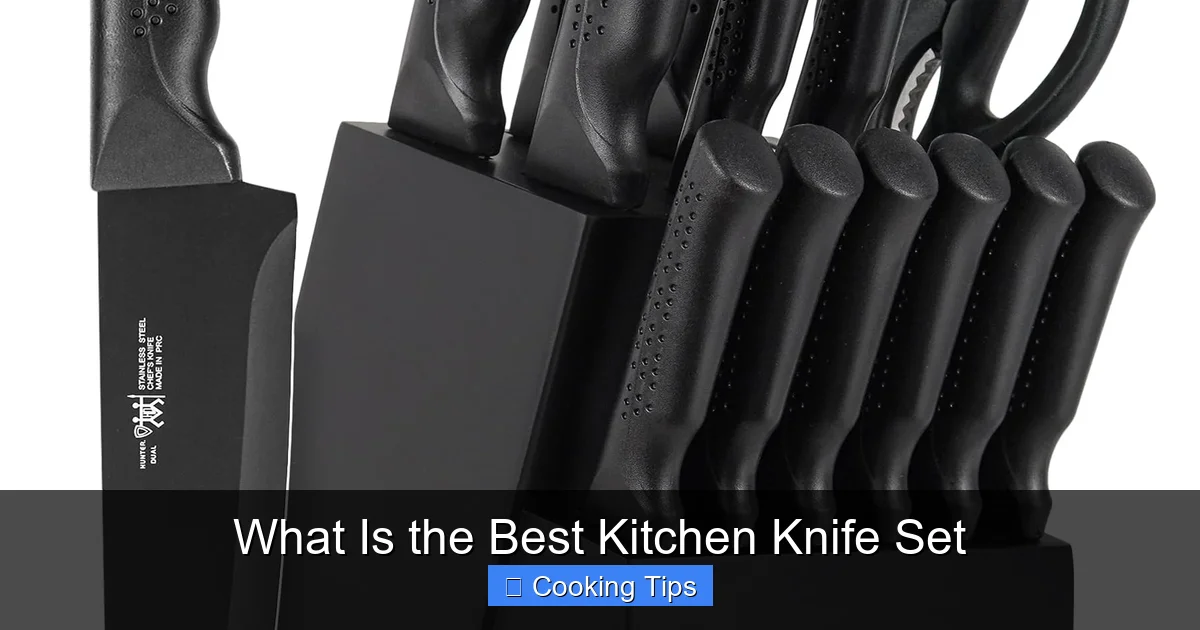
Choosing the best kitchen knife set involves understanding your cooking style and material preferences. This comprehensive guide navigates you through identifying essential knife types, evaluating blade materials like stainless steel or ceramic, and considering handle ergonomics for comfort and safety. Invest wisely to elevate your culinary experience.
Are you ready to transform your kitchen and elevate your cooking game in 2026? The right kitchen knife set can make all the difference. From effortlessly slicing vegetables to expertly carving meats, a quality set of knives isn’t just a tool; it’s a culinary partner. But with so many options on the market, how do you find the best kitchen knife set for *your* needs?
This guide is designed to demystify the process. We’ll walk you through everything you need to know, from understanding different blade materials and knife types to selecting comfortable handles and practical storage solutions. By the end, you’ll be equipped to make an informed decision that will serve you well for years to come. Let’s dive into the world of sharp edges and culinary precision!
- Understand Your Needs: The “best” knife set is subjective and depends on your cooking frequency, skill level, and the types of dishes you prepare most often.
- Blade Material Matters: High-carbon stainless steel offers a good balance of sharpness, durability, and rust resistance. Ceramic blades are incredibly sharp but can be brittle.
- Forged vs. Stamped Blades: Forged knives are generally more durable and balanced, made from a single piece of steel. Stamped knives are lighter and more affordable.
- Essential Knife Types: A good set typically includes a chef’s knife, paring knife, and serrated bread knife. Other useful additions depend on your culinary pursuits.
- Handle Comfort and Grip: Ergonomic handles reduce fatigue and improve control, preventing slips and ensuring safety. Materials like wood, plastic, or composite vary in grip and durability.
- Block or Storage Solution: Proper storage is crucial for maintaining blade sharpness and safety. Knife blocks, magnetic strips, or in-drawer organizers are common options.
- Budget Wisely: Investing in a quality knife set is an investment in your cooking. Don’t compromise on quality for a lower price, but also avoid overspending on unnecessary pieces.
Understanding What Makes a Kitchen Knife “Best”
The concept of the “best kitchen knife set” is personal. What’s perfect for a professional chef might be overkill for a home cook who only prepares meals a few times a week. The key is to align your purchase with your actual needs and preferences.
Your Cooking Habits and Skill Level
Consider how often you cook and what you typically prepare.
- Frequent Home Cook: If you’re in the kitchen daily, you’ll benefit from durable, high-quality knives that can handle a variety of tasks.
- Occasional Cook: For those who cook a few times a week, a smaller set with essential pieces might be more practical and budget-friendly.
- Gourmet Enthusiast: If you enjoy intricate recipes, specialized knives might be a worthwhile addition.
- Beginner Cook: Start with a few versatile basics. You can always expand your collection later.
Budget Considerations
Knife sets range from budget-friendly options to high-end professional tools. It’s often better to invest in a smaller set of high-quality knives than a large set of mediocre ones. Remember, these are tools that, with proper care, can last a lifetime.
Essential Knife Types in a Set
Visual guide about What Is the Best Kitchen Knife Set
Image source: m.media-amazon.com
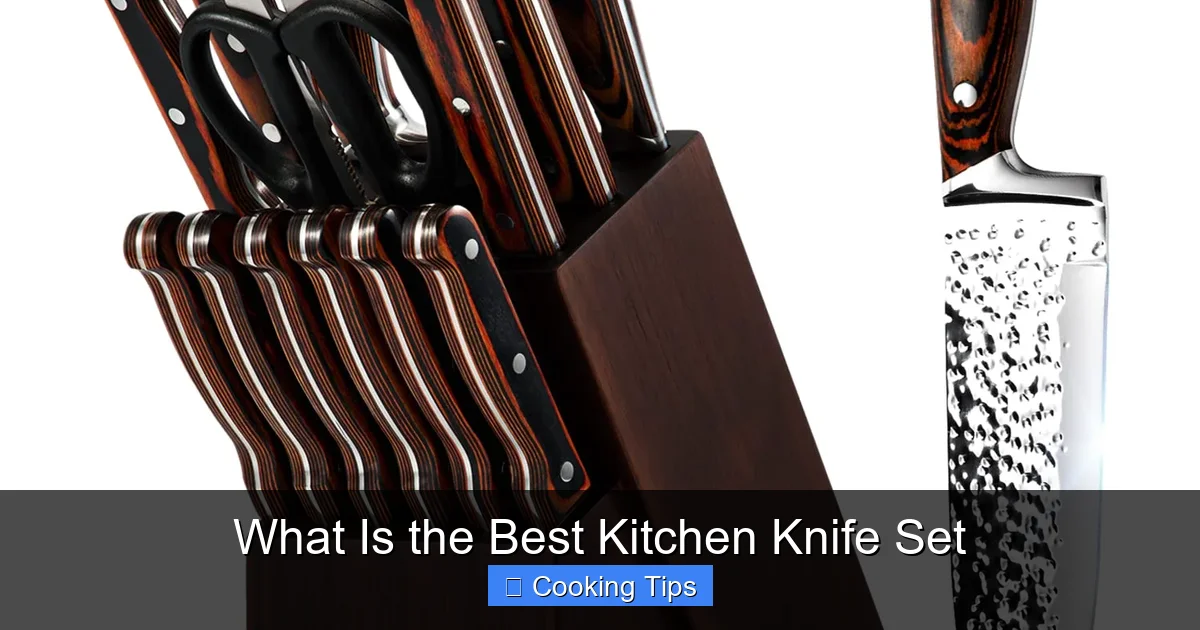
A true best kitchen knife set doesn’t necessarily mean the one with the most knives. It means having the right knives for the job. Here are the staples you should look for:
The Chef’s Knife
This is the workhorse of any kitchen.
- Description: Typically 8-10 inches long, with a broad blade that curves upwards towards the tip.
- Uses: Chopping, mincing, slicing, and dicing most ingredients – vegetables, fruits, and meats. It’s incredibly versatile.
- What to Look For: A comfortable weight and balance are crucial. The curve allows for a rocking motion, making chopping more efficient.
The Paring Knife
Small but mighty, perfect for detailed work.
- Description: A short blade, usually 3-4 inches long.
- Uses: Peeling, trimming, coring, and other intricate tasks where precision is needed.
- What to Look For: A sharp point for piercing and a comfortable handle for a secure grip during delicate maneuvers.
The Serrated Knife (Bread Knife)
Essential for dealing with tricky textures.
- Description: Features a long, serrated edge that looks like a saw.
- Uses: Slicing through bread with a hard crust without crushing the soft interior, but also excellent for tomatoes, citrus fruits, and even cakes.
- What to Look For: Sharp, well-defined serrations that grip and cut smoothly.
Other Potentially Useful Knives
Depending on your cooking style, other knives might be included in a comprehensive set or be good additions:
- Utility Knife: Slightly larger than a paring knife, good for tasks too big for a paring knife but too small for a chef’s knife, like slicing smaller fruits and vegetables.
- Santoku Knife: A Japanese-style chef’s knife with a straighter edge and a less pronounced curve than a Western chef’s knife. It has a sheepsfoot tip. Excellent for chopping and dicing.
- Boning Knife: Thin, flexible blade used for removing meat from bones.
- Fillet Knife: Similar to a boning knife but often more flexible and thinner, designed for filleting fish.
- Cleaver: A heavy, broad blade for chopping through bone or hard vegetables. For most home cooks, this is less essential unless you frequently break down poultry.
Blade Material: The Heart of Your Knife
Visual guide about What Is the Best Kitchen Knife Set
Image source: tastingtable.com
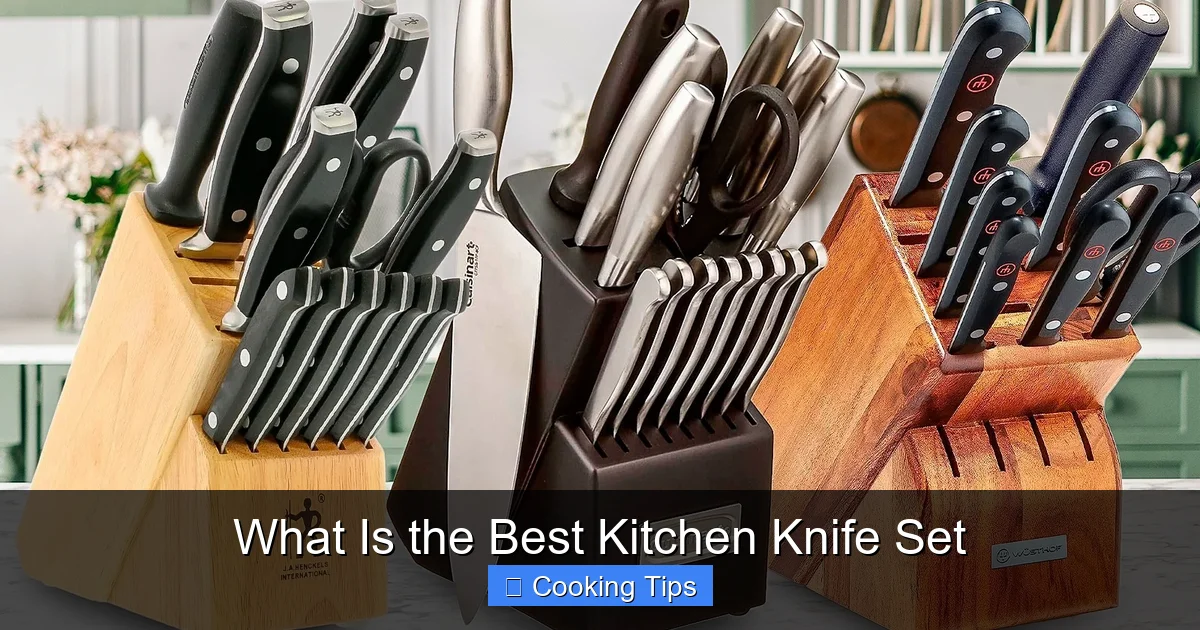
The material of the blade significantly impacts its sharpness, durability, ease of maintenance, and price. For the best kitchen knife set, understanding these differences is key.
High-Carbon Stainless Steel
This is the most popular choice for good reason.
- Pros: Excellent balance of sharpness, edge retention, durability, and resistance to rust and staining. It’s relatively easy to sharpen.
- Cons: Can still rust if left wet or acidic food is left on it for extended periods.
- What to Look For: Brands often specify the steel type (e.g., X50Cr15MoV). Higher carbon content generally means better hardness and edge retention.
Carbon Steel
Prized by many chefs for its keen edge.
- Pros: Can be sharpened to an incredibly fine, keen edge and is very durable.
- Cons: Prone to rust and discoloration, requiring meticulous care. It will develop a patina over time.
- Best For: Experienced cooks who don’t mind the extra maintenance.
Ceramic
A newer contender in the knife world.
- Pros: Extremely hard and can hold an exceptionally sharp edge for a very long time. Non-reactive, so they don’t impart flavors. Lightweight.
- Cons: Can be brittle and prone to chipping or breaking if dropped or misused (e.g., trying to cut through bone). Difficult to sharpen at home.
- Best For: Slicing fruits and vegetables where extreme sharpness is desired and a delicate touch is used.
Forged vs. Stamped Blades
Visual guide about What Is the Best Kitchen Knife Set
Image source: m.media-amazon.com
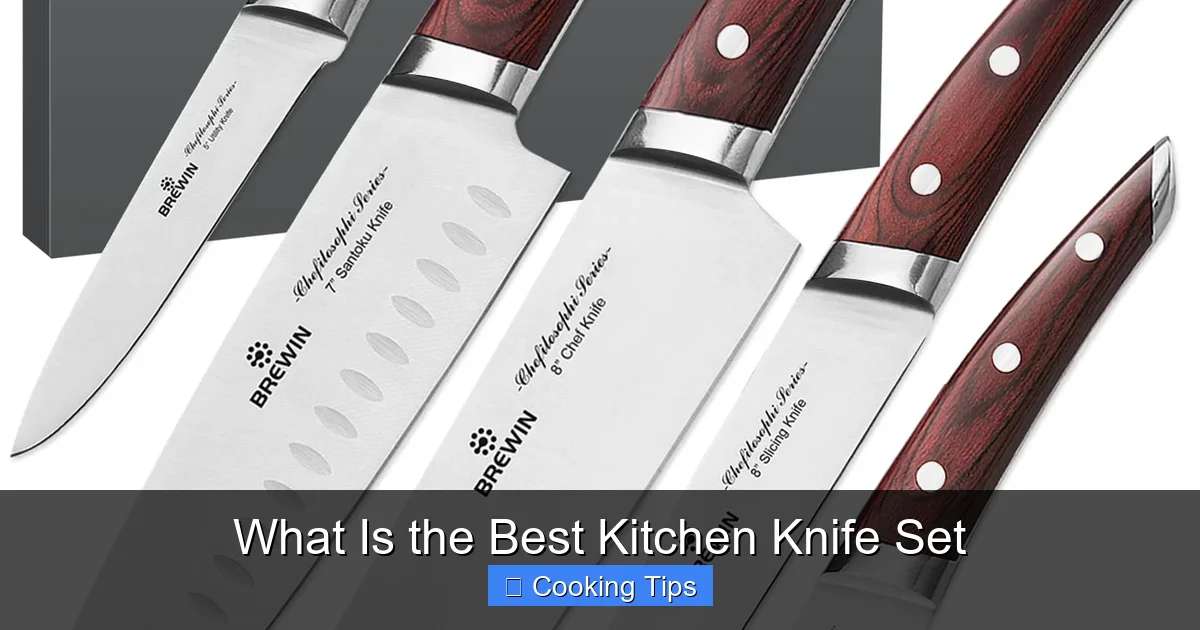
This distinction relates to how the knife blade is manufactured.
Forged Blades
Crafted from a single piece of steel.
- Process: A heated bar of steel is hammered or forged into shape, then heat-treated and ground. The bolster (the thick part where the blade meets the handle) is usually integral.
- Pros: Generally more durable, stronger, and better balanced than stamped blades. They often feel more substantial.
- Cons: More expensive to produce.
Stamped Blades
Cut from a sheet of steel.
- Process: The blade shape is stamped out of a large sheet of steel, like a cookie cutter.
- Pros: Lighter and more affordable.
- Cons: Can be less durable and may not have the same level of balance or longevity as forged blades.
For the best kitchen knife set for long-term use and professional feel, forged blades are often preferred.
Handle Materials and Ergonomics
A knife’s handle is your direct connection to the blade. Comfort, grip, and durability are paramount for safe and effective use.
Common Handle Materials
- Wood: Offers a natural, warm feel and good grip, but can be porous and may crack or warp with improper care. Requires regular oiling.
- Plastic (e.g., Polypropylene): Durable, non-porous, and easy to clean. Can sometimes feel slippery when wet.
- Composite/Resin: A blend that often combines the durability of plastic with the aesthetic appeal of wood. Very popular for its balance of qualities.
- Stainless Steel: Sleek and hygienic, but can be slippery if not textured.
- Pakkawood: A composite wood material made from layers of hardwood and resin, known for its durability and water resistance.
Ergonomic Design
Pay attention to the shape of the handle.
- Grip: Does it feel secure in your hand, even when dry?
- Comfort: Does it fit your hand size without causing strain during prolonged use?
- Balance: The handle should complement the blade’s weight, distributing the load evenly.
A well-designed handle reduces fatigue and the risk of accidental slips, making your cooking experience safer and more enjoyable.
Knife Storage Solutions
Proper storage is crucial for protecting your investment and ensuring safety. Dull knives are often more dangerous than sharp ones because they require more force, increasing the risk of slips.
Knife Blocks
The traditional choice.
- Pros: Keeps knives organized and accessible on the countertop. Protects blades from damage.
- Cons: Can take up counter space. Slots might not fit all knife sizes or shapes. Hygiene can be an issue if not cleaned regularly.
Magnetic Strips
A modern and space-saving option.
- Pros: Frees up counter space. Allows for easy visibility and access to knives. Can be mounted on walls or backsplash.
- Cons: Blades are exposed, so caution is needed when handling. Needs a strong magnet to securely hold knives.
In-Drawer Organizers
Keeps knives safely tucked away.
- Pros: Maximizes counter space. Protects blades completely. Keeps knives out of reach of children.
- Cons: Requires drawer space. You might need to pull out the organizer to see all knives.
Blade Guards (Sheaths)
Individual protection for each knife.
- Pros: Excellent for protecting knives when stored in drawers or transported. Affordable.
- Cons: Can be cumbersome if you need to access knives frequently.
When looking for the best kitchen knife set, consider how the knives are intended to be stored.
Putting It All Together: How to Choose Your Set
Now that you understand the components, let’s put it into practice.
Step 1: Assess Your Needs
* How often do you cook?
* What types of meals do you prepare? (e.g., lots of vegetables, baking, meat-heavy dishes)
* What is your current knife collection like? (Are there any gaps you need to fill?)
* What is your budget?
Step 2: Prioritize Essential Knives
For most home cooks, a set containing a chef’s knife, a paring knife, and a serrated knife is a fantastic starting point. Consider if a utility knife or Santoku would also be a frequent player in your kitchen.
Step 3: Research Blade Material and Construction
* For most, high-carbon stainless steel offers the best blend of performance and ease of care.
* If you’re an experienced cook who values extreme sharpness and is meticulous about maintenance, carbon steel is an option.
* Ceramic is great for specific tasks but less versatile for a primary set.
* For durability and a premium feel, lean towards forged blades.
Step 4: Evaluate Handles and Ergonomics
* Read reviews focusing on handle comfort and grip.
* If possible, hold a knife with a similar handle material and shape to see how it feels.
Step 5: Consider the Storage Solution
* Do you have ample counter space for a block?
* Would a magnetic strip be more practical?
* Do you prefer knives to be out of sight in a drawer?
Step 6: Read Reviews and Compare Brands
Look for reputable brands known for quality craftsmanship. Websites like Wirecutter, Serious Eats, and Cook’s Illustrated often have in-depth knife reviews. Pay attention to user reviews for real-world feedback on durability and performance.
Maintaining Your Knives for Longevity
Once you’ve invested in your best kitchen knife set, proper care is essential to keep them sharp and in good condition.
* Hand Wash Only: Never put your knives in the dishwasher. The high heat, harsh detergents, and banging around can damage the blades and handles, and dull the edges.
* Dry Immediately: After washing, dry your knives thoroughly with a soft cloth. This prevents rust and water spots.
* Use a Cutting Board: Always use a cutting board made of wood or plastic. Avoid glass, ceramic, or metal surfaces, which will quickly dull your knives.
* Sharpen Regularly: Even the best knives will dull over time. Invest in a sharpening steel or whetstone and learn how to use it, or have them professionally sharpened periodically.
* Store Properly: Use your chosen storage solution (block, strip, or guards) to protect the blades.
Troubleshooting Common Knife Issues
* Knife is dull: It’s time to sharpen it using a sharpening steel, whetstone, or electric sharpener.
* Blade has rust spots: Gently scrub with a paste of baking soda and water, then dry thoroughly. For persistent rust, a metal polish might be needed.
* Handle feels loose: For some knife types (especially those with metal or composite handles), this can sometimes be addressed with a small screwdriver if the rivets are visible. If it’s a forged handle where the tang is peened, professional repair might be needed.
* Chipped blade: Minor chips can often be ground out during sharpening. Larger chips may require professional sharpening or repair.
Conclusion
Choosing the best kitchen knife set in 2026 is an exciting step towards a more efficient and enjoyable cooking experience. By understanding your personal needs, the various components of a knife, and the importance of proper care, you can confidently select a set that will become an indispensable part of your culinary journey. Remember, quality over quantity, and a well-maintained sharp knife is your greatest kitchen asset. Happy chopping!
