

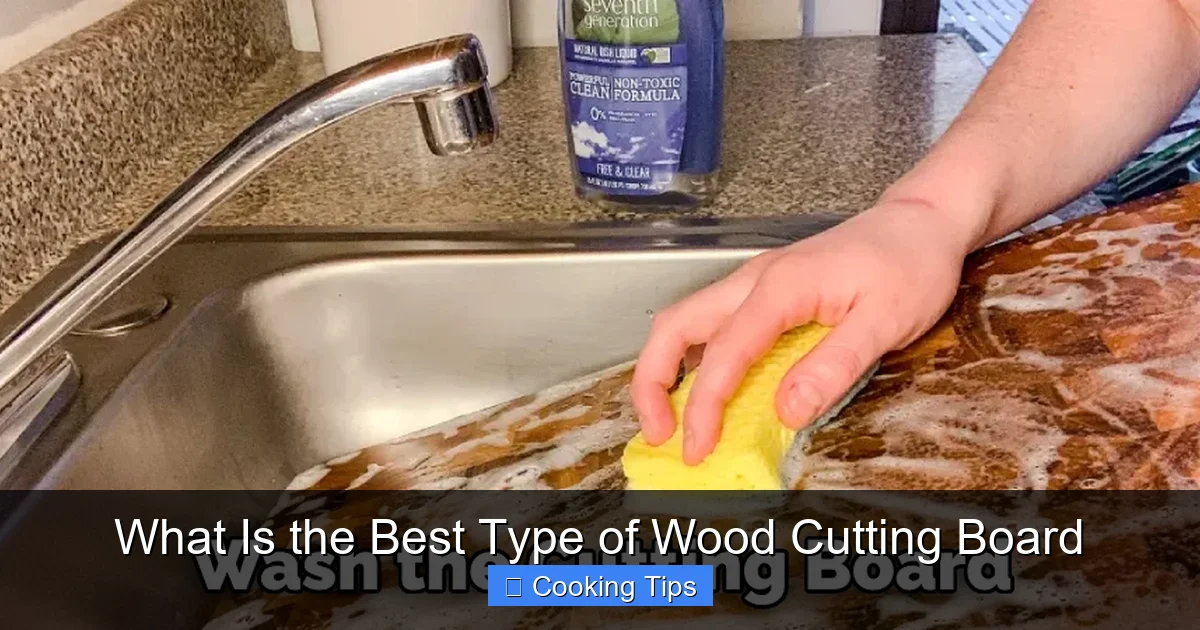
Choosing the right wood cutting board is crucial for knife longevity and kitchen hygiene. This guide explores the best wood types, from maple to walnut, explaining their unique properties like hardness, porosity, and grain. Understand the pros and cons of each to make an informed decision for your culinary needs. Proper maintenance is key to ensuring your chosen board lasts for years to come.
## What Is the Best Type of Wood Cutting Board?
Are you tired of your knives feeling dull after just a few uses? Does your current cutting board look a little worse for wear? It might be time to upgrade to a better wood cutting board. In 2026, the quest for the perfect kitchen companion continues, and understanding the nuances of wood types is your secret weapon. This guide will demystify the world of wood cutting boards, helping you find the one that’s right for your kitchen. We’ll explore what makes a wood cutting board great, delve into the top wood choices, and offer tips on keeping your investment in top condition.
### Understanding What Makes a Great Wood Cutting Board
Before we dive into specific wood types, let’s establish what makes a wood cutting board excel. Several factors contribute to its performance and longevity.
#### Hardness and Durability
A good cutting board needs to withstand the rigors of daily chopping, slicing, and dicing. Harder woods are more resistant to knife marks, meaning they’ll stay looking newer for longer and won’t develop deep grooves where bacteria can hide. However, extremely hard woods can be too harsh on your knife’s edge. The sweet spot is a wood that’s hard enough to resist damage but not so hard that it dulls your knives.
#### Porosity and Hygiene
Wood is a natural material, and some types are more porous than others. Porosity refers to how much a material absorbs liquids. Less porous woods are generally more hygienic because they absorb fewer juices from meats and vegetables, which can harbor bacteria. They are also easier to clean and sanitize thoroughly.
#### Grain Structure
The way wood is cut and assembled impacts its performance. There are three main types of grain construction for cutting boards:
##### End Grain
End-grain cutting boards are made by gluing together blocks of wood so that the wood fibers are oriented vertically, facing upwards. This is often referred to as the “chopping block” style.
* Pros: These boards are incredibly gentle on knife edges. When you chop into an end-grain board, the knife fibers actually part around the blade and then close back up. This self-healing property makes them incredibly durable and resistant to deep knife marks. They also have a stunning, checkerboard appearance.
* Cons: They are typically more expensive due to the labor-intensive construction process. They also require more diligent maintenance, needing to be oiled more frequently to prevent drying and cracking.
##### Edge Grain
Edge-grain cutting boards are made by joining strips of wood along their edges, with the grain running horizontally. This is the most common type of wood cutting board.
* Pros: They are generally more affordable than end-grain boards. They are very durable and can withstand heavy use. They are also easier to clean and maintain compared to end-grain boards.
* Cons: They are not quite as gentle on knives as end-grain boards, and knife marks can become more apparent over time.
##### Face Grain
Face-grain cutting boards are the simplest to make, using wider planks of wood with the grain running parallel to the cutting surface.
* Pros: These are usually the most budget-friendly option.
* Cons: They are the least durable and most prone to warping, cracking, and significant knife scarring. They are generally not recommended for heavy-duty kitchen use.
### The Best Wood Types for Cutting Boards
Now that we understand the key features, let’s explore the top contenders for the title of “best wood cutting board.”
#### 1. Maple (Hard Maple, Sugar Maple)
Maple is a classic for a reason. It’s a very hard, dense, and closed-grain wood, making it an excellent choice for cutting boards.
* Pros: Extremely durable, resists deep knife marks, relatively non-porous, and has a light, clean aesthetic that complements most kitchens. It’s also readily available and comes at a moderate price point. Hard maple is often considered the gold standard.
* Cons: Can still show some wear over time with heavy use. It’s a harder wood, so it will dull knives slightly faster than softer woods, but the trade-off in durability is usually worth it.
#### 2. Walnut
Walnut is another fantastic choice, known for its rich, dark color and beautiful grain patterns.
* Pros: Moderately hard and dense, making it durable. Its darker color can hide stains and minor imperfections better than lighter woods. It’s also known to be slightly less harsh on knife edges compared to maple, offering a good balance. It has a luxurious look.
* Cons: It’s typically more expensive than maple. Its natural oils can sometimes transfer to very light-colored foods if not properly seasoned, though this is rare with proper maintenance.
#### 3. Cherry
Cherry wood offers a beautiful warm tone that deepens with age and exposure to light.
* Pros: It’s moderately hard and dense, offering good durability. Its fine grain makes it relatively non-porous and easy to clean. Cherry wood is also known for being gentle on knife edges. It has an elegant look.
* Cons: It’s softer than maple, so it might show knife marks more readily over time. It can also be more expensive than maple.
#### 4. Teak
Teak is a tropical hardwood renowned for its natural oils, which make it highly resistant to moisture and bacteria.
* Pros: Excellent durability and water resistance. The natural oils help prevent drying, cracking, and warping. It has a beautiful, natural look and is very hygienic.
* Cons: Teak can be quite expensive. Its natural oils might be a concern for some, though generally, they are not an issue with proper care. It can also be a bit heavier than other wood types.
#### 5. Beech
Beech wood is a popular choice, especially in European kitchens. It’s a dense hardwood with a fine grain.
* Pros: Very durable and resistant to moisture. It’s a good all-around performer at a reasonable price point. It has a neutral, light color that fits many decors.
* Cons: Can be slightly harder on knives than cherry. It’s not as widely available as maple in some regions.
### What About Bamboo?
Bamboo is often touted as a sustainable and durable cutting board material. While it has some advantages, it’s not always the “best” choice for serious cooks.
* Pros: Bamboo is a grass, not a wood, and grows very quickly, making it an environmentally friendly option. It is naturally antibacterial and resistant to moisture. It’s also relatively inexpensive.
* Cons: Bamboo cutting boards are made by gluing together many thin strips. The glues used can be a concern for some. More importantly, bamboo is very hard and abrasive, which can dull your knives quickly. It can also be noisy to cut on.
### Maintaining Your Wood Cutting Board: The Key to Longevity
No matter which wood cutting board you choose, proper maintenance is paramount. This will ensure it remains a hygienic and beautiful part of your kitchen for years to come.
#### Cleaning Your Cutting Board
* Daily Cleaning: After each use, wash your cutting board with warm water and mild dish soap. Use a scrub brush or sponge to remove any food particles. Rinse thoroughly.
* Sanitizing: For a deeper clean, you can sanitize your board.
* Vinegar or Lemon Juice: Rub the surface with half a lemon or pour white vinegar over it. Let it sit for a few minutes, then rinse.
* Hydrogen Peroxide: For tougher stains or if you’ve cut raw meat, you can use a diluted solution of hydrogen peroxide (3% strength). Apply it, let it bubble for a few minutes, then rinse.
* Avoid the Dishwasher: Never put your wood cutting board in the dishwasher. The high heat and prolonged exposure to water will cause it to warp, crack, and split.
#### Drying Your Cutting Board
* Air Dry: After washing, always stand your cutting board on its edge or use a drying rack so that air can circulate around all sides. This prevents moisture from pooling and causing warping or mold growth. Ensure it’s completely dry before storing.
#### Oiling Your Cutting Board
Oiling is the most crucial step in maintaining your wood cutting board. It replenishes the natural oils, protects the wood from moisture and staining, and prevents it from drying out and cracking.
* What to Use: Use a food-grade mineral oil. Specialty cutting board oils or conditioners are also excellent choices. Avoid vegetable oils (like olive oil or canola oil) as they can go rancid and leave an unpleasant odor or sticky residue.
* How Often:
* New Boards: Apply oil generously to a new board. Let it soak in for several hours or overnight, then wipe off any excess. Repeat this process a few times for the first week.
* Regular Use: For boards used daily, oil them at least once a month. For boards used less frequently, oil them every 2-3 months.
* Signs it Needs Oil: If the wood looks dry, dull, or water is soaking in quickly instead of beading up, it’s time to oil.
* How to Oil:
1. Make sure the board is clean and completely dry.
2. Apply a generous amount of oil to the entire surface of the board.
3. Use a clean cloth or paper towel to spread the oil evenly, ensuring all sides and edges are covered.
4. Let the oil soak in for at least a few hours, or preferably overnight.
5. Wipe off any excess oil with a clean cloth.
#### Dealing with Scratches and Stains
* Light Scratches: Minor scratches are inevitable. You can often reduce their visibility by lightly sanding the surface with fine-grit sandpaper (around 220 grit) and then re-oiling the board.
* Deep Scratches and Gouges: For very deep scratches, especially on end-grain boards, the “self-healing” property might take over. If not, you might need to sand down the affected area more significantly.
* Stubborn Stains: For tough stains, try the lemon or vinegar methods mentioned earlier. For grease stains, you can sprinkle baking soda on the stain, let it sit for a while, then wipe it away.
### Troubleshooting Common Cutting Board Issues
* My board is warping or cracking: This is usually due to inconsistent moisture exposure. Ensure you’re drying it properly and oiling it regularly. Avoid leaving it soaking in water or storing it in very humid or dry environments.
* There’s a persistent odor: Thorough cleaning with vinegar or baking soda can help. Ensure the board is completely dry between uses. If the odor is from rancid oil, you might need to scrub it well and re-oil with fresh mineral oil.
* My knives are dulling too quickly: If you’re using a very hard wood or an end-grain board that hasn’t been maintained, it could be the culprit. Ensure you’re oiling your board, as a well-maintained wood surface is generally kinder to knives than plastic or glass.
### Conclusion: Finding Your Perfect Cutting Companion
In the quest for the best wood cutting board, there’s no single “winner” for everyone. Maple stands out as a superb all-rounder, offering durability, hygiene, and a fair price. Walnut provides a touch of luxury and excellent performance, while cherry offers a beautiful aesthetic and gentle handling of knives. Teak brings superior moisture resistance but at a higher cost.
Ultimately, the best wood cutting board for you will depend on your budget, your cooking style, and your personal preferences. Prioritize dense hardwoods with fine grains, whether you opt for end-grain or edge-grain construction. And remember, no matter which beautiful wood you choose, consistent and proper maintenance is the most vital ingredient for a long-lasting, hygienic, and functional cutting board. Invest wisely, care for it well, and it will be a trusty kitchen companion for years to come.
Key Takeaways
- Hardwood is King: Dense hardwoods like maple, cherry, and walnut are superior for cutting boards due to their durability and resistance to knife marks.
- Grain Matters: End-grain boards are gentler on knives and self-healing but require more maintenance. Edge-grain boards are more durable and easier to care for, making them a popular all-rounder.
- Porosity is Key: Less porous woods are more hygienic as they absorb fewer liquids and bacteria, making them easier to clean and sanitize.
- Maintenance is Non-Negotiable: Regular oiling and proper cleaning with mild soap and water will extend the life of any wood cutting board and prevent warping or cracking.
- Consider Your Needs: The “best” wood cutting board depends on your budget, cooking habits, and aesthetic preferences.
- Avoid Softwoods and Treated Woods: Woods like pine are too soft and will get deeply scarred, while bamboo and plastic may not be as knife-friendly or hygienic as solid hardwoods.
