

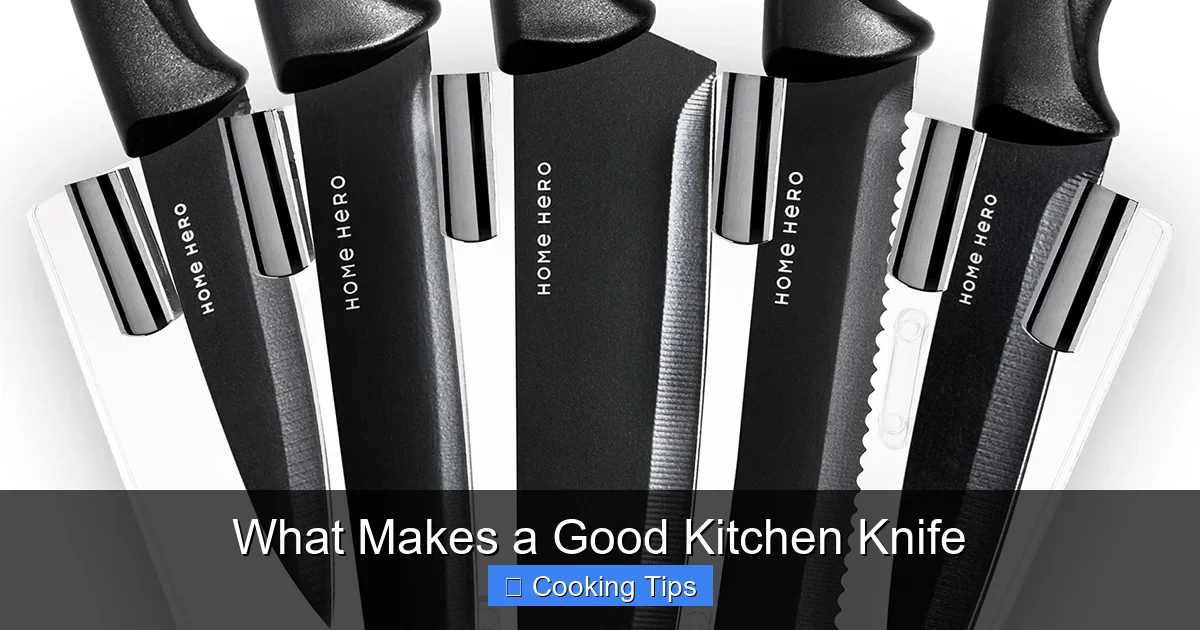
Choosing the right kitchen knife can transform your cooking experience. This guide delves into the essential elements that define a good kitchen knife, from the quality of its steel and blade construction to the comfort and balance of its handle. Learn how to identify a knife that will be a reliable and enjoyable tool for years to come, making meal preparation easier and safer.
Hello, fellow food enthusiasts! Are you tired of wrestling with dull, unwieldy knives in the kitchen? Do you find yourself wishing your prep work was faster and more enjoyable? The secret to unlocking your culinary potential often lies in one fundamental tool: a good kitchen knife. But what exactly makes a kitchen knife “good”? It’s a question that can feel daunting with so many options on the market.
Fear not! This comprehensive guide is here to demystify the world of kitchen knives. We’ll break down all the essential elements, from the metal it’s made of to how it feels in your hand. By the end of this guide, you’ll have the knowledge to confidently choose knives that will be your trusted companions for countless delicious meals. We’ll explore the anatomy of a good knife, understand the materials that make them shine, and learn how to assess their balance and feel. Get ready to elevate your cooking game!
Key Takeaways
- Blade Material is Crucial: The type of steel used significantly impacts a knife’s sharpness, edge retention, and durability.
- Blade Geometry Matters: Factors like blade thickness, taper, and edge angle determine how a knife cuts and performs specific tasks.
- Handle Ergonomics are Key: A comfortable and secure grip prevents fatigue and improves safety during use.
- Balance Enhances Control: A well-balanced knife feels like an extension of your hand, offering precision and ease of use.
- Construction Quality is Vital: The way a knife is put together, from the tang to the rivets, affects its longevity and performance.
- Consider Your Needs: The “best” knife is subjective and depends on the types of food you prepare and your personal preferences.
Understanding the Anatomy of a Kitchen Knife
Before we dive into what makes a knife good, let’s familiarize ourselves with its parts. This will help us discuss its features more effectively.
The Blade
This is the business end of your knife, responsible for all the cutting.
- Tip: The very end of the blade, used for delicate tasks like coring or piercing.
- Edge: The sharpest part of the blade that makes contact with your food.
- Spine: The top, unsharpened edge of the blade.
- Heel: The rearmost part of the blade, closest to the handle.
- Bolster: A thick band of metal where the blade meets the handle. It adds weight and balance, and protects your fingers. Not all knives have a bolster.
- Tang: The part of the blade that extends into the handle. A full tang runs the entire length of the handle, offering the best strength and balance.
The Handle
This is what you hold onto. Comfort and security are paramount here.
- Butt: The end of the handle.
- Rivets: Pins that secure the handle scales to the tang.
What Makes the Blade Great: Steel and Construction
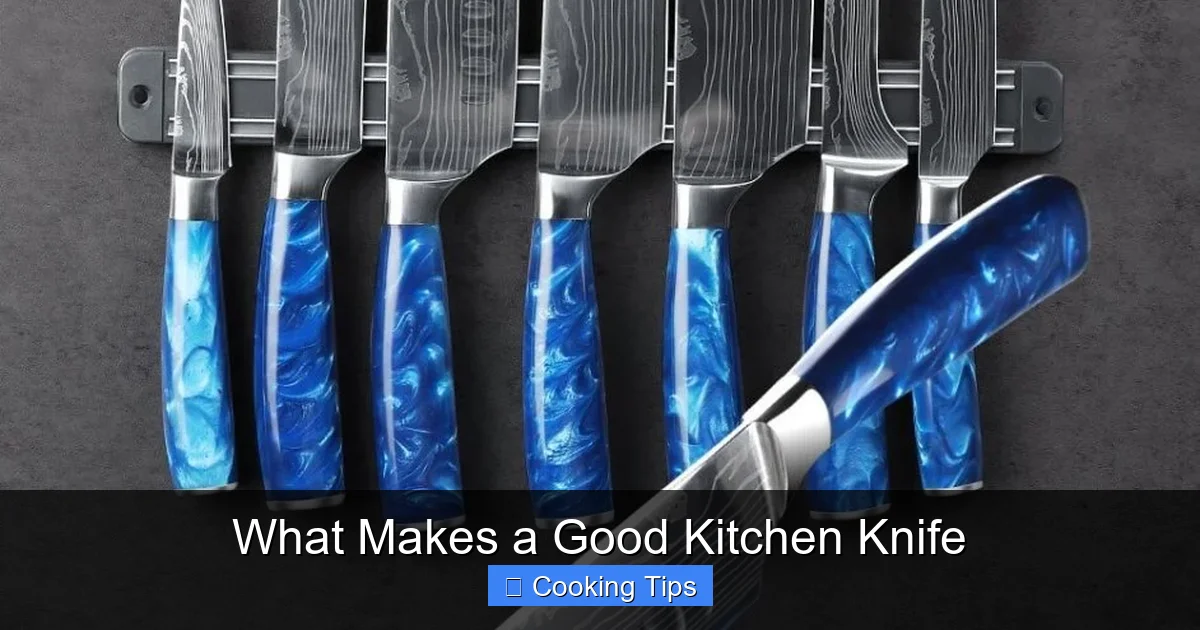
Visual guide about What Makes a Good Kitchen Knife
Image source: ghar360.com
The heart of any good kitchen knife lies in its blade. Two primary factors contribute to its quality: the type of steel used and how it’s constructed.
The Marvel of Steel: Understanding Knife Steel Types
Steel is an alloy, primarily iron and carbon. The addition of other elements, like chromium, molybdenum, and vanadium, creates different types of stainless steel and high-carbon steel, each with unique properties.
Stainless Steel: The Everyday Workhorse
Stainless steel knives contain at least 13% chromium, which gives them excellent resistance to rust and corrosion. This makes them low-maintenance and ideal for general kitchen use. However, some stainless steels can be softer, meaning they might not hold an edge as long as high-carbon steels.
* Key Benefits: Rust resistance, durability, ease of maintenance.
* Common Types:
* 400 Series Stainless Steel: A good balance of hardness, edge retention, and affordability. Knives made from this steel are often a great starting point for home cooks.
* VG-10: A popular Japanese stainless steel known for its excellent sharpness and good edge retention. It’s a step up in performance.
* AUS-8: Another good Japanese steel, offering a balance of toughness and edge holding.
High-Carbon Stainless Steel: The Best of Both Worlds
This is where things get really interesting for serious cooks. High-carbon stainless steels blend the benefits of stainless steel with the superior hardness and edge retention of carbon steel. They have a higher carbon content than standard stainless steels, along with sufficient chromium to resist rust.
* Key Benefits: Excellent sharpness, superior edge retention, good rust resistance.
* Examples:
* S30V/S35VN: High-performance steels often found in premium knives. They offer exceptional hardness and edge retention.
* 1095 Steel: A classic high-carbon steel. While it can rust if not cared for, it takes a very sharp edge and is easy to sharpen. Often found in traditional or specialized knives.
Carbon Steel: The Traditionalist’s Choice
Pure carbon steel knives are known for their incredible sharpness and ease of sharpening. However, they require diligent care as they will rust and discolor easily if not cleaned and dried immediately after use. Many professional chefs still swear by carbon steel for its cutting performance.
* Key Benefits: Exceptional sharpness, easy to sharpen.
* Considerations: Requires frequent maintenance to prevent rust and patination (a bluish-grey or brown layer that forms on the blade).
Blade Construction: Forged vs. Stamped
How the blade is made also impacts its quality and durability.
Forged Knives
Forged knives are made by heating a bar of steel until it’s malleable and then hammering it into shape. This process realigns the steel’s grain structure, making the blade stronger, more durable, and often allowing for a more complex blade shape. Forged knives typically have a bolster and a full tang.
* Pros: Stronger, more durable, better balance, often more aesthetically pleasing.
* Cons: More expensive due to the labor-intensive process.
Stamped Knives
Stamped knives are cut from a large sheet of steel using a die, like a cookie cutter. This method is faster and cheaper. Stamped knives are generally thinner and lighter than forged knives.
* Pros: More affordable, lighter weight.
* Cons: Generally less durable, can be less balanced, may not hold an edge as well over time.
The Edge of Excellence: Blade Geometry and Sharpening
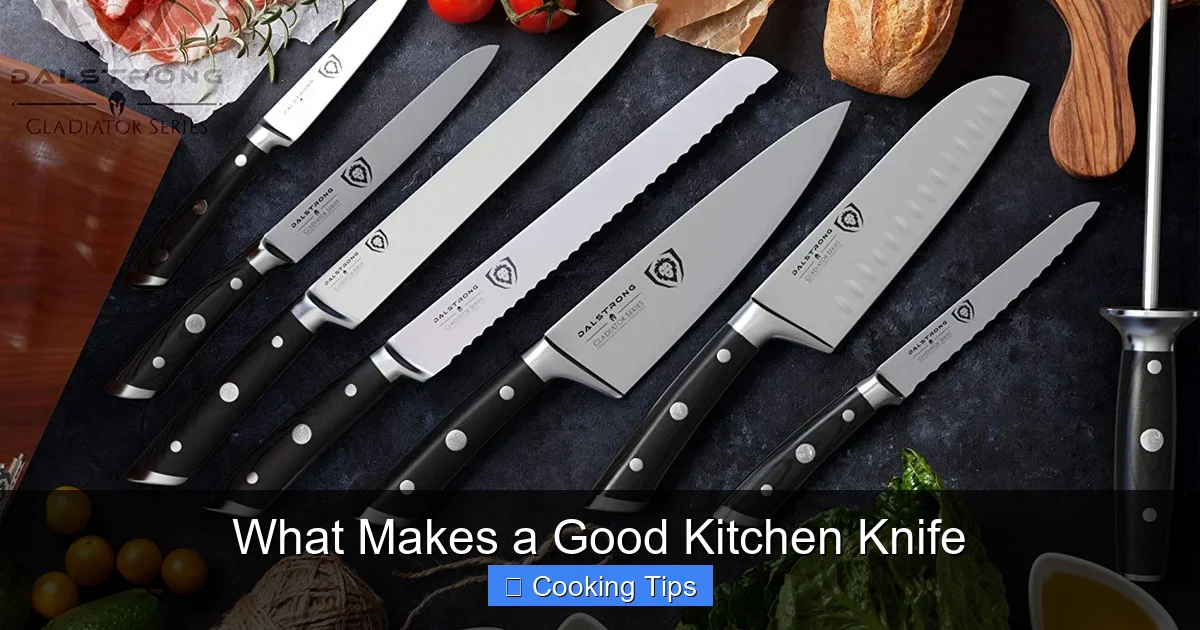
Visual guide about What Makes a Good Kitchen Knife
Image source: ctopreviews.com
A sharp knife is a safe knife. The way the blade is ground and sharpened is crucial for its cutting performance.
Blade Thickness and Taper
A good knife will have a blade that tapers from the spine to the edge. This taper allows the knife to slice through food with less resistance. Thicker blades are generally stronger but can be less nimble. Thinner blades are better for delicate slicing.
Edge Angle
The angle at which the blade is sharpened (the bevel) greatly affects its sharpness and durability.
- Steep Angles (15-20 degrees per side): Result in a very sharp edge but can be more prone to chipping. Ideal for delicate tasks or knives made of very hard steel.
- Less Steep Angles (20-25 degrees per side): Offer a good balance of sharpness and durability, making them suitable for general kitchen use.
Japanese knives often have steeper angles for superior sharpness, while German knives tend to have slightly less steep angles for greater resilience.
The Importance of Sharpening
Even the best steel will dull over time. Regular sharpening is essential. A good kitchen knife should be easy to sharpen and retain its edge for a reasonable amount of time between sharpenings. Learning to use a whetstone or investing in a quality electric sharpener will keep your knives in top condition.
The Feel of Quality: Handle Design and Ergonomics
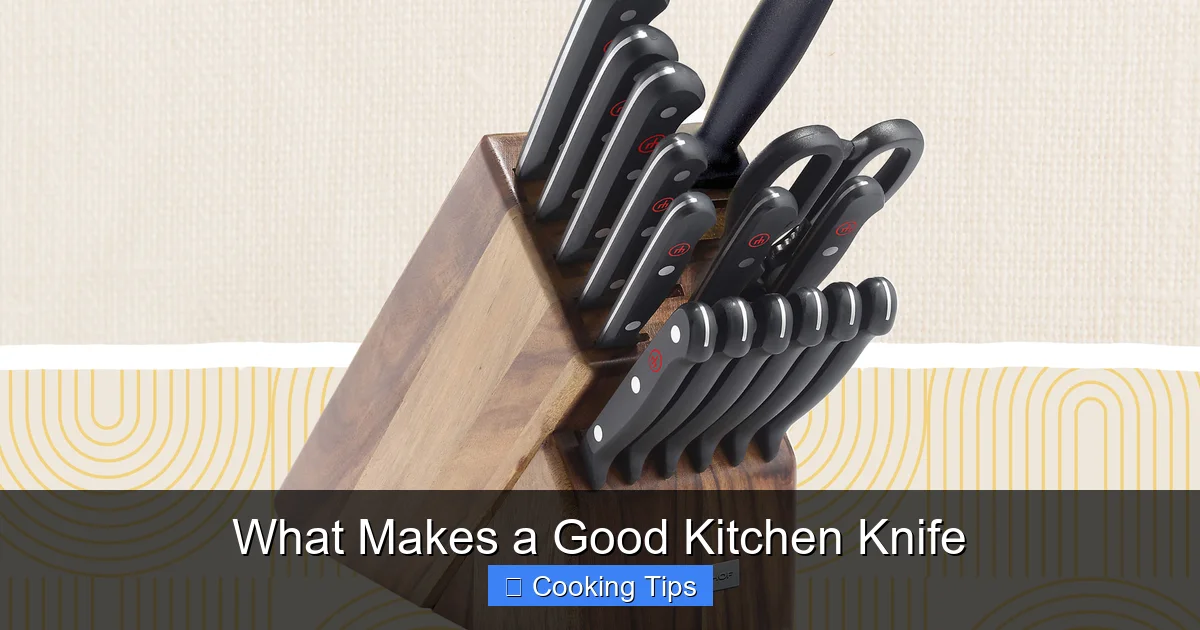
Visual guide about What Makes a Good Kitchen Knife
Image source: bhg.com
A knife is an extension of your hand. If the handle is uncomfortable, your cooking experience will suffer, and safety can be compromised.
Material Matters
Knife handles are made from a variety of materials, each with its pros and cons:
- Wood: Offers a classic look and good grip, but can be porous and absorb moisture, leading to bacteria growth or cracking if not cared for properly. Rosewood and pakkawood are popular, durable choices.
- Plastic/Polypropylene: Durable, affordable, and easy to clean. However, it can sometimes feel slippery when wet.
- Composite Materials (e.g., Micarta): Very durable and offer excellent grip even when wet. Often found on higher-end knives.
- Metal (Stainless Steel or Aluminum): Sleek and hygienic, but can be slippery and cold to the touch.
Ergonomic Shape
The shape of the handle should fit comfortably in your hand. It should provide a secure grip without causing hot spots or fatigue, even during extended use. Look for handles that are contoured to your grip style.
Full Tang vs. Partial Tang
As mentioned earlier, a full tang (where the metal of the blade extends all the way through the handle) provides superior strength, durability, and balance. Knives with partial tangs, where the tang only extends partway into the handle, can be less balanced and more prone to breaking.
Balance is Key: How the Knife Feels
Balance refers to how weight is distributed along the knife. A well-balanced knife will feel comfortable and controlled in your hand.
Finding the Balance Point
The ideal balance point for most kitchen knives is at the bolster, where the blade meets the handle. This allows the knife to pivot naturally, making it feel lighter and easier to maneuver.
* Tip: Hold the knife by the handle, about midway down, with the blade pointing down. A well-balanced knife will feel stable and controlled, not too blade-heavy or handle-heavy.
Weight Considerations
The weight of a knife is subjective. Some prefer a lighter knife for speed and agility, while others prefer a heavier knife for a more substantial feel. The key is that the weight feels appropriate for the knife’s size and intended use, and contributes to its overall balance.
Beyond the Basics: Other Factors to Consider
While steel, construction, ergonomics, and balance are the primary factors, a few other elements contribute to a truly good kitchen knife.
Durability and Longevity
A good kitchen knife should be a long-term investment. It should be built to withstand regular use and proper care. Look for solid construction, high-quality materials, and a brand reputation for durability.
Ease of Cleaning and Maintenance
As we’ve discussed, some materials require more care than others. If you’re looking for a low-maintenance option, stainless steel is your best bet. If you’re willing to put in a little extra effort for superior performance, high-carbon steels or traditional carbon steels can be rewarding.
The Brand and Price Point
While expensive doesn’t always mean better, there’s often a correlation between price and quality. Reputable brands invest in better materials, craftsmanship, and quality control. However, you can find excellent knives at various price points. Don’t discount well-regarded mid-range brands.
Troubleshooting Common Knife Issues
Even the best knives can encounter problems. Here’s how to address them:
My knife is dulling too quickly.
This can be due to several reasons:
- The steel is too soft: Some lower-quality steels simply don’t hold an edge well.
- The edge angle is too shallow: A very acute angle can chip easily.
- Improper sharpening: You might not be sharpening it correctly or with the right tools.
- Using the knife for tasks it’s not designed for: Prying, bone cutting with a chef’s knife, or cutting on hard surfaces can damage the edge.
Solution: Ensure you’re using the knife for its intended purpose, sharpening it correctly, and considering if the steel quality is appropriate for your needs.
My handle feels uncomfortable.
This is a common issue, especially with gifted knives or those bought without a test grip.
- Handle shape: It might not fit your hand well.
- Material: It might be too slippery or too smooth.
Solution: Unfortunately, a handle is often difficult to change. Your best bet is to try and purchase a knife with an ergonomic handle that feels good to you. If it’s a minor slipperiness issue, a damp cloth can sometimes improve grip temporarily.
My knife is showing rust spots.
This is most common with carbon steel or high-carbon stainless steel if not properly maintained.
- Left wet: The knife wasn’t dried thoroughly after washing.
- Acidic foods: Leaving acidic foods on the blade for too long without cleaning.
Solution: Wash and dry your knives immediately after use. For rust spots, you can try using a rust eraser or a very fine-grit abrasive pad (like 0000 steel wool) gently. Going forward, ensure proper drying.
Conclusion: Your Knife Journey Begins
So, what makes a good kitchen knife? It’s a symphony of factors: high-quality steel that holds a keen edge, expert blade geometry for efficient cutting, robust construction for durability, and a comfortable, balanced handle that makes you feel in control. It’s also about finding the right knife for *you* – your cooking style, the types of ingredients you most often prepare, and your personal preferences.
Investing in good kitchen knives is an investment in your culinary passion. A sharp, well-balanced knife makes cooking not just easier but safer and infinitely more enjoyable. It transforms mundane tasks into a fluid, almost artistic process. Don’t be afraid to explore different brands and types. Feel them in your hand, understand their materials, and choose the ones that resonate with you. Your kitchen deserves good tools, and your cooking will thank you for it. Happy chopping!
