


High heat cooking typically means temperatures around 400°F (204°C) and above.
I’ve cooked professionally and at home for years, and I’ll guide you through what temperature is high heat cooking with clear ranges and practical tips. This article explains the temperatures for stovetop, oven, grill, and fryer use, why those temps matter, and how to get reliable results every time. Read on to master high heat safely and confidently.

What does high heat cooking mean?
When you ask what temperature is high heat cooking, think of fast, dry, intense heat. It’s the zone where foods brown, sear, or char quickly. High heat accelerates the Maillard reaction and caramelization. That gives steak a crust, vegetables a char, and ovens a rapid bake.
- Typical result: crisp outside, moist inside.
- Time frame: often seconds to minutes on the stovetop.
- Purpose: texture and flavor, not slow tenderizing.
High heat temperature ranges by method
Different tools make different hot zones. Below are practical ranges to answer what temperature is high heat cooking for common methods.
- Stovetop pans and griddles
- High heat: roughly 375°F to 500°F surface temp.
- Use for fast searing, stir-fry, and quick sautés.
- Gas or charcoal grill
- High heat: 450°F to 700°F near coals or over a hot burner.
- Great for steaks, burgers, and quick sear marks.
- Oven roasting and baking
- High heat: 425°F to 500°F for hot roasting and pizza.
- Produces crisp skins and rapid browning.
- Broiler
- High heat: direct radiant heat above 500°F.
- Use for finishing, charring, and melting.
- Deep frying
- High heat (for frying): 350°F to 375°F oil temp.
- Maintains crispness without excess oil absorption.
These ranges show what temperature is high heat cooking across tools. Adjust for pan material, altitude, and equipment age.

Why high heat works: the science in simple terms
High heat transforms food fast. Two key reactions happen when you use high heat.
- Maillard reaction
- Begins around 285°F to 320°F and speeds up above 350°F.
- Proteins and sugars form new flavors and browning.
- Caramelization
- Sugar browns above about 320°F.
- Adds sweet, nutty notes to vegetables and crusts.
High heat also forces moisture to the interior while forming a crust outside. That crust keeps juices in. The result is texture contrast and concentrated flavor. Knowing these basics helps you control searing, charring, and browning when you think about what temperature is high heat cooking.

How to measure and set high heat reliably
Guessing leads to burn or under-sear. Use simple tools to know what temperature is high heat cooking in your kitchen.
- Use an instant-read thermometer for oil or meat temps.
- Hold your hand 2 to 3 inches above a pan. Count seconds to estimate surface heat. Shorter counts mean hotter pans.
- Use an infrared thermometer to read grill or pan surface temps quickly.
- For ovens, preheat to the set number and let it stabilize for 10 to 20 minutes.
Calibrate your equipment. Older ovens can run cooler or hotter. Testing helps you trust what temperature is high heat cooking for your setup.
:max_bytes(150000):strip_icc()/medium-high-heat-GettyImages-1794295531-5de9e86b2d294661b643512f2f6621c5.jpg)
Safety, oils, and timing tips
High heat needs respect. Follow these rules when using what temperature is high heat cooking.
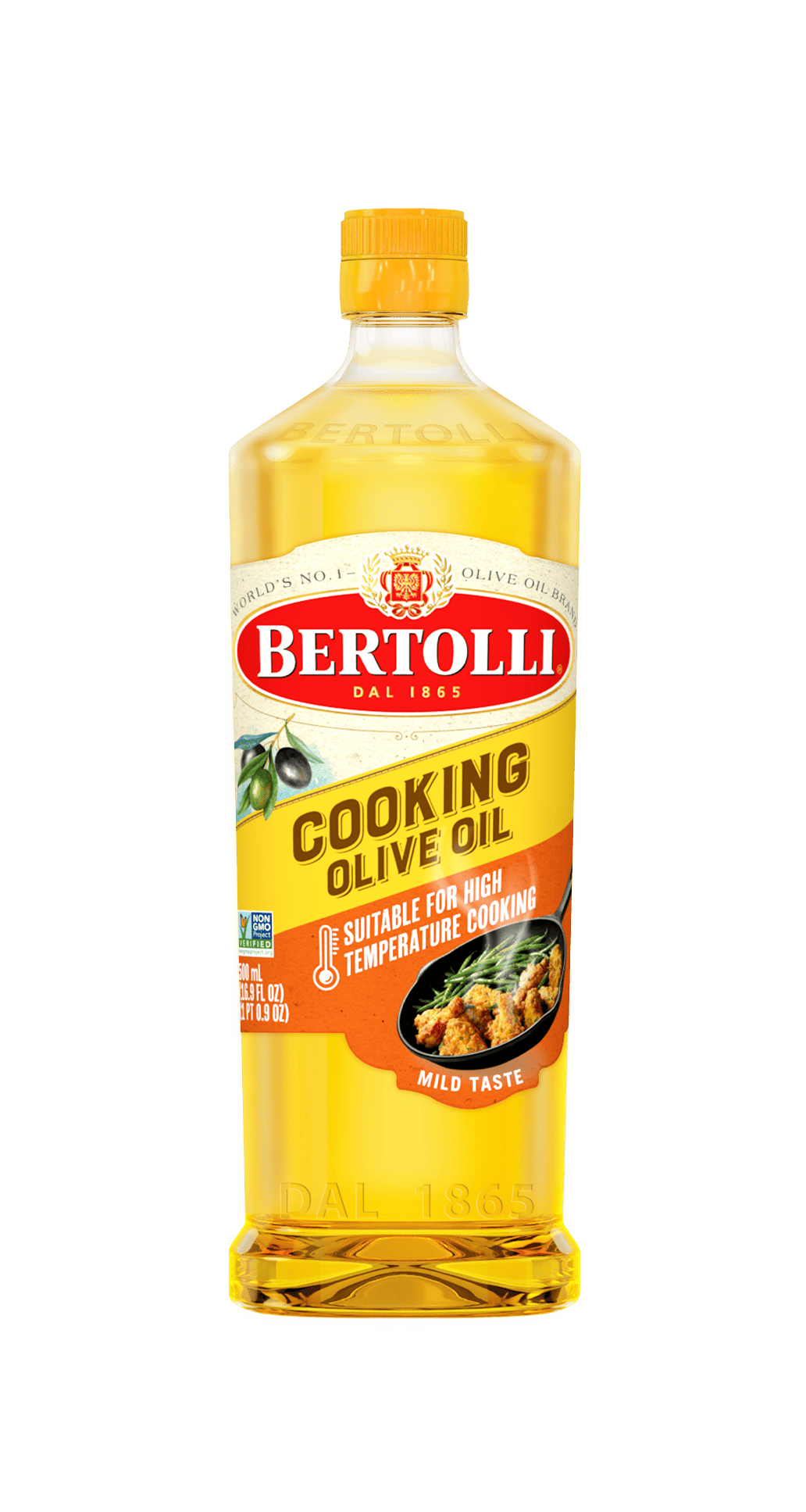
- Pick oils with high smoke points like refined avocado, grapeseed, or peanut oil for frying and searing.
- Don’t preheat an empty nonstick pan to extreme temps. That can damage coatings.
- Ventilate well. High heat creates smoke and fumes.
- Timing matters: a minute or two can mean the difference between perfect sear and charred food.
Keep a fire extinguisher nearby if you use very hot oil or open flames. Safety makes high heat worth it.
:max_bytes(150000):strip_icc()/__opt__aboutcom__coeus__resources__content_migration__serious_eats__seriouseats.com__images__2015__03__20150320-cooking-olive-oil-vicky-wasik-3-3666952dafbb4a7ebacbe27d17f469bc.jpg)
Common mistakes and troubleshooting
Even pros slip up. Here are mistakes I’ve made and how to avoid them when you ask what temperature is high heat cooking.
- Mistake: crowding the pan
- Result: steams food instead of sears.
- Fix: work in batches and keep space between pieces.
- Mistake: wrong oil choice
- Result: smoke and off-flavors.
- Fix: use oils with an appropriate smoke point.
- Mistake: under- or over-preheating
- Result: uneven crust or burnt exterior.
- Fix: preheat pans and grills properly before adding food.
- Mistake: not measuring temps
- Result: inconsistent results.
- Fix: use thermometers for oil, grill, and meat.
These fixes will improve results quickly. I learned them after a few burned dinners and a lot of trial and error.

My experience: practical tips that changed my cooking
I started burning steaks then learned to trust tools and timing. Here are tips I use daily when practicing what temperature is high heat cooking.
- Preheat pans for 3 to 5 minutes on medium-high before going full high. That avoids hot spots and warps.
- Pat meat very dry. Moisture prevents a good sear.
- Use a cast-iron pan for steady, high surface temps. It holds heat well and makes searing easier.
- Rest meats after searing. Carryover heat evens internal temp and keeps juices.
These small changes made my sears deeper, crusts crispier, and cleanup simpler.
Frequently Asked Questions of what temperature is high heat cooking
What temperature is high heat cooking for oven roasting?
High heat for oven roasting is typically 425°F to 500°F. Use these temps for quick browning and crispy skins.
Is searing at a high temperature necessary for flavor?
Yes. Searing at high temperature creates the Maillard crust that adds deep, savory flavor. It also locks in juices when done briefly.
What oil should I use when cooking at high heat?
Choose oils with high smoke points like refined avocado, grapeseed, or peanut oil. Avoid unrefined olive oil for very high sears.
Can I use nonstick pans for high heat cooking?
Nonstick pans are not ideal for very high heat because coatings can degrade. Use stainless steel or cast iron for true high-heat searing.
How long should I sear meat at high heat?
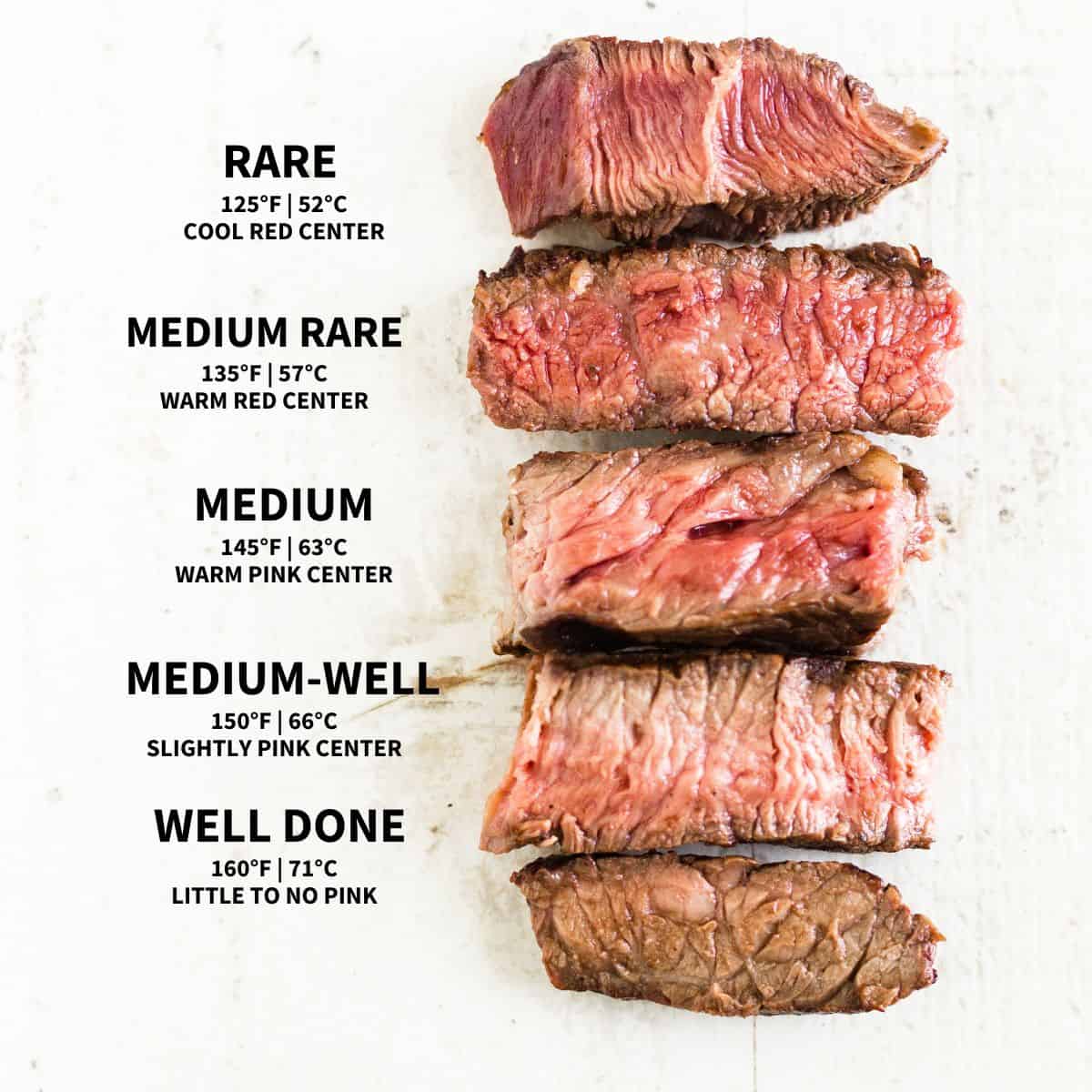
Sear for one to three minutes per side, depending on thickness and desired crust. Finish in the oven if the interior needs more cooking.
Will high heat dry out vegetables?
High heat can dry small pieces quickly, but it also creates caramelized edges that taste great. Toss vegetables with a little oil and watch them closely.
Conclusion
High heat cooking, generally 400°F and above depending on method, is how you get fast browning, crisp textures, and bold flavors. Use the right tool, measure temperatures, and choose proper oils to get consistent results. Try one high-heat technique this week—sear a steak, roast vegetables at 450°F, or blitz a pan-fried fish—and notice the difference.
Take action: test your equipment, practice pan timing, and share your results in the comments or subscribe for more practical cooking tips.
