

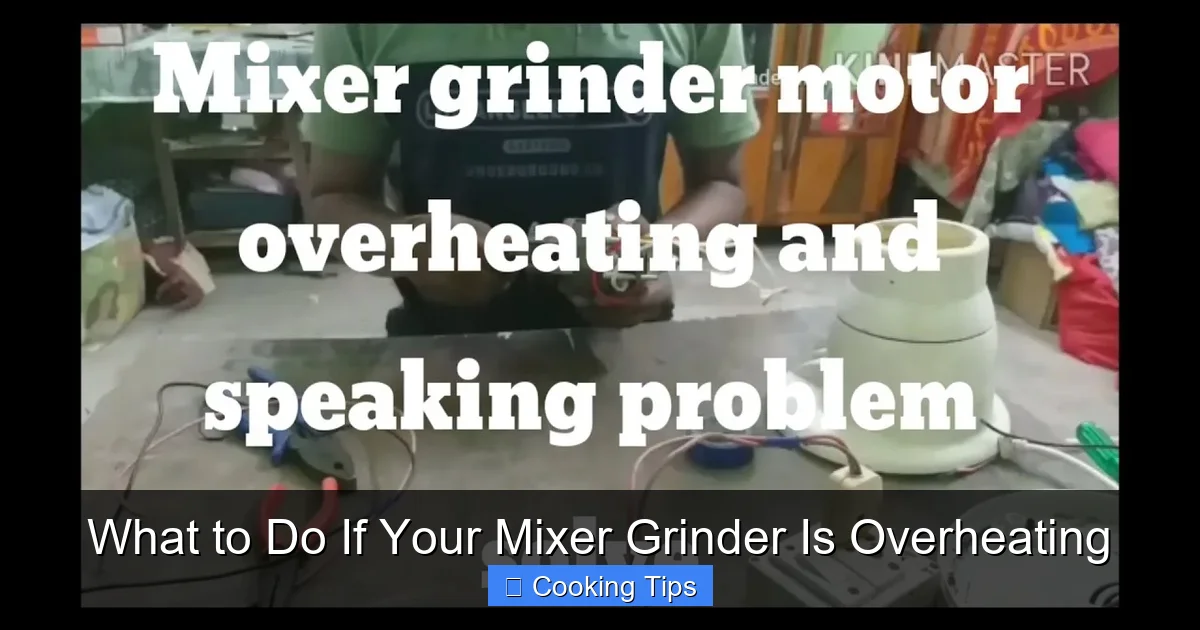
An overheating mixer grinder can be a worrying kitchen issue, but often it’s due to simple oversights. This guide provides practical steps to diagnose and resolve overheating problems, ensuring your appliance’s longevity. Learn about overloading, prolonged use, and maintenance best practices to keep your mixer grinder cool and efficient.
The whirring sound of a mixer grinder is a familiar and often welcome noise in any kitchen. It helps us whip up chutneys, grind spices, and create smooth batters for delicious meals. However, that pleasant hum can quickly turn into a cause for concern when your mixer grinder starts to overheat. A hot motor base isn’t just uncomfortable to touch; it can be a sign of underlying issues that, if ignored, could lead to permanent damage to your valuable kitchen appliance.
But don’t panic! In most cases, an overheating mixer grinder is a solvable problem. This comprehensive guide will walk you through the common reasons why your mixer grinder might be getting too hot and provide clear, step-by-step solutions. We’ll cover everything from simple usage adjustments to essential maintenance tips. By the end of this guide, you’ll be equipped to diagnose the issue, take corrective action, and ensure your mixer grinder serves you well for years to come.
Key Takeaways
- Identify the Cause: Overheating is often a sign of overloading, prolonged continuous use, or a blocked air vent.
- Allow for Rest: Always give your mixer grinder a break between cycles to prevent motor strain.
- Check for Obstructions: Ensure the air vents on the motor base are clear of debris for proper cooling.
- Use Correct Speeds: Match the speed setting to the task to avoid unnecessary motor stress.
- Inspect Blades and Jars: Dull blades or incorrectly assembled jars can force the motor to work harder.
- Regular Maintenance: Keep your mixer grinder clean and free from food particles to ensure smooth operation.
- Know When to Get Help: If the problem persists after trying basic fixes, it might be time for professional servicing.
Understanding Why Your Mixer Grinder Is Overheating
Before we dive into solutions, it’s helpful to understand the primary culprits behind a hot mixer grinder. The motor inside your mixer grinder is designed to handle specific tasks for certain durations. When these limits are pushed, heat is generated as a byproduct of the motor working harder than it should.
Common Causes for Overheating
- Overloading: Trying to grind or blend too much food at once puts immense strain on the motor.
- Prolonged Continuous Use: Running the mixer grinder for extended periods without breaks doesn’t allow the motor to cool down.
- Blocked Air Vents: Most mixer grinders have vents to dissipate heat. If these are blocked, the motor will overheat.
- Incorrect Speed Setting: Using a high speed for a task that requires a lower speed can also stress the motor.
- Dull Blades or Obstructions: If the blades are blunt or there’s a hard lump in the jar, the motor has to work extra hard.
- Jar Assembly Issues: An improperly fitted lid or jar can cause friction and strain.
- Aging or Damaged Motor: Like any mechanical component, the motor can wear out or develop faults over time.
Step-by-Step Solutions to an Overheating Mixer Grinder
Now that we know the potential reasons, let’s get to the solutions. Follow these steps to troubleshoot and fix your overheating mixer grinder.
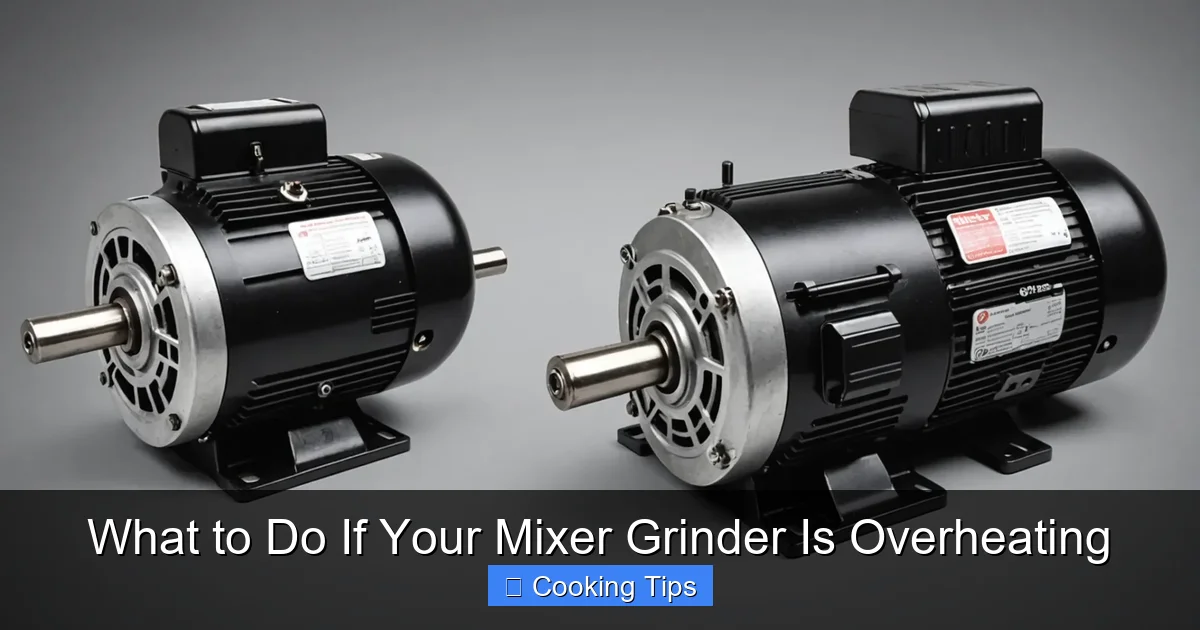
Visual guide about What to Do If Your Mixer Grinder Is Overheating
Image source: iecmotores.com
Step 1: Stop Immediately and Let It Cool Down
This is the most crucial first step. If you notice your mixer grinder is unusually hot, or if you smell a burning odor, stop using it immediately. Unplug the appliance from the power socket. Do not attempt to touch the motor base or the jar if they feel excessively hot. Allow the mixer grinder to cool down completely. This can take anywhere from 15 to 30 minutes, or even longer, depending on how hot it got.

Visual guide about What to Do If Your Mixer Grinder Is Overheating
Image source: m.media-amazon.com
Why This Is Important
Running a motor when it’s already overheated can cause irreparable damage to its windings and other components. Giving it a chance to cool down is the first line of defense against permanent damage.
Step 2: Check for Overloading
Once the mixer grinder has cooled down, assess if you were overloading it before it started to heat up. Grinding large quantities of ingredients at once is a very common cause of overheating.

Visual guide about What to Do If Your Mixer Grinder Is Overheating
Image source: 5.imimg.com
How to Avoid Overloading
- Process in Batches: For large quantities, divide the ingredients into smaller portions and grind them in separate batches.
- Don’t Fill Past the Max Line: Most jars have a maximum fill line. Never exceed this.
- Add Liquids When Necessary: For blending or making pastes, adding a little water or liquid can help the ingredients move freely and reduce motor strain.
Example: If you are grinding a large batch of coconut, it’s better to grind it in two or three smaller batches rather than trying to fit it all in at once. This will significantly reduce the stress on your mixer grinder’s motor.
Step 3: Limit Continuous Running Time
Mixer grinders are not designed for continuous, prolonged operation. Most models have recommended operating times, typically in the range of 1 to 5 minutes at a time, followed by a cooldown period.
Adhering to Usage Guidelines
- Follow Manufacturer’s Instructions: Always refer to your mixer grinder’s user manual for specific operating time limits.
- Use Pulse Function: For tasks that require shorter bursts, use the pulse function. This gives the motor intermittent breaks.
- Take Breaks: If you need to use the mixer grinder for a longer task, plan for short breaks every few minutes to let the motor cool.
Practical Tip: If you’re making a large quantity of chutney, grind half the ingredients, stop and let it rest for a minute, then grind the rest. This simple habit can prevent overheating.
Step 4: Inspect and Clean Air Vents
Proper ventilation is critical for any motor to stay cool. Mixer grinders have air vents, usually located at the base of the motor unit, to allow hot air to escape and cooler air to circulate.
Cleaning the Vents
- Locate the Vents: Examine the motor base for small openings or slits.
- Remove Debris: Use a soft brush (like an old toothbrush) or a dry cloth to gently clean out any dust, food particles, or lint that might be blocking the vents.
- Ensure Free Airflow: Make sure the mixer grinder is placed on a flat, stable surface with adequate space around it, so air can circulate freely. Avoid placing it in confined spaces.
Caution: Never insert sharp objects into the vents, as you could damage the internal components.
Step 5: Check Blades and Jar Assembly
The efficiency of the blades and the correct assembly of the jar play a significant role in how hard the motor has to work.
What to Look For
- Dull Blades: Sharpened blades cut through ingredients more easily. If your blades seem dull, they might be forcing the motor to work harder.
- Proper Jar Sealing: Ensure the jar lid is securely tightened and the gasket (if present) is in place. A loose lid can cause ingredients to splash and create uneven grinding.
- Correct Blade Attachment: Make sure the blade assembly is correctly fitted to the jar and screwed in tightly (if applicable).
- No Foreign Objects: Check that no hard objects like small stones or pits have accidentally ended up in the jar.
Tip: For tougher ingredients like whole spices, consider pre-breaking them into smaller pieces before putting them into the mixer grinder. This reduces the load on the blades and motor.
Step 6: Use the Correct Speed Setting
Every mixer grinder comes with different speed settings, designed for various tasks. Using the wrong speed can lead to inefficiencies and motor strain.
Matching Speed to Task
- Low Speeds: Generally used for thick pastes, grinding spices, or pureeing.
- Medium Speeds: Suitable for making batters, grinding softer ingredients, or making dips.
- High Speeds: Best for liquefying, making smoothies, or when a very smooth consistency is required.
Example: If you are grinding hard spices like peppercorns, start with a lower speed to break them down, then gradually increase to a higher speed if needed. Using a high speed from the start might overwhelm the motor.
Step 7: Regular Maintenance and Cleaning
A well-maintained mixer grinder will operate more efficiently and is less likely to overheat.
Routine Care
- Clean After Every Use: Thoroughly wash the jars, lids, and blade assemblies after each use. Food residue can harden and make grinding difficult.
- Dry Thoroughly: Ensure all parts are completely dry before reassembling or storing them to prevent rust and mold.
- Check for Wear and Tear: Periodically inspect the power cord, plug, and the motor base for any signs of damage.
Storage: Store your mixer grinder in a clean, dry place, away from direct sunlight and moisture.
When to Seek Professional Help
If you have followed all the above steps and your mixer grinder continues to overheat, or if you notice any of the following, it’s time to contact a qualified repair technician or the manufacturer’s service center:
- Persistent Burning Smell: If the smell of burning persists even after cooling down and checking for obvious issues.
- Unusual Noises: Grinding, squealing, or clicking noises that weren’t there before.
- Motor Stalling: The motor stops working mid-operation even with light loads.
- Smoke: If you see smoke coming from the motor base.
- Physical Damage: Any visible cracks or damage to the motor housing or power cord.
These symptoms often indicate a more serious internal problem with the motor or electrical components that require expert attention. Attempting to fix these issues yourself could be dangerous and may void your warranty.
Conclusion
An overheating mixer grinder doesn’t have to spell the end for your beloved kitchen companion. By understanding the common causes and implementing these practical solutions, you can often resolve the issue yourself. Remember to always prioritize safety, allow your appliance to cool down, avoid overloading, and perform regular maintenance. Your mixer grinder is a workhorse in the kitchen, and with a little care and attention, it will continue to help you whip up culinary delights for a long time to come.
