

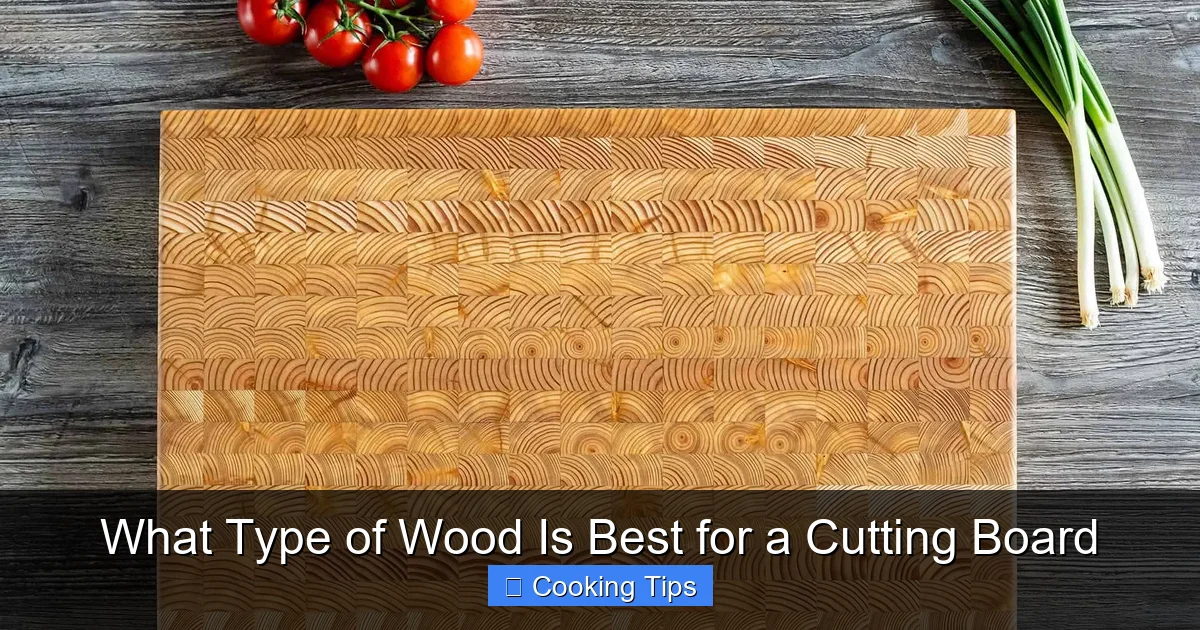
Choosing the right wood for your cutting board is crucial for longevity and knife care. This guide explores the best wood types, focusing on hardwoods with tight grains like maple, walnut, and cherry. Learn to distinguish between end-grain and edge-grain construction and understand why these factors make a significant difference in your kitchen.
Key Takeaways
- Hardwoods are superior: Dense hardwoods like maple, walnut, and cherry are ideal due to their durability, resistance to knife marks, and less tendency to absorb moisture and bacteria.
- Avoid softwoods: Woods like pine and fir are too soft, easily damaged by knives, and can harbor bacteria, making them unsuitable for cutting boards.
- Grain matters: End-grain boards are the most durable and knife-friendly as the wood fibers “self-heal,” while edge-grain boards are a good, more affordable option.
- Porosity is key: Closed-grain woods are less porous, meaning they absorb fewer liquids and are easier to clean and sanitize, preventing bacterial growth.
- Maintenance is essential: Regardless of the wood, regular oiling and proper cleaning will significantly extend the life and hygiene of your cutting board.
- Consider aesthetics and cost: While functional benefits are paramount, wood type also influences the visual appeal and price point of your cutting board.
What Type of Wood Is Best for a Cutting Board?
Welcome to the ultimate guide to selecting the perfect wood for your cutting board! A good cutting board is more than just a surface to chop vegetables; it’s a kitchen essential that can protect your knives, maintain hygiene, and add a touch of beauty to your culinary space. But with so many wood options available, how do you know which one is the best choice?
This guide will walk you through everything you need to know. We’ll dive deep into the characteristics that make a wood ideal for cutting boards, explore the different types of wood and their pros and cons, and help you make an informed decision. By the end, you’ll be confident in choosing a cutting board that will serve you well for years to come.
Understanding Wood Properties for Cutting Boards
Before we look at specific wood types, let’s understand the key properties that make a wood suitable for cutting boards.
Durability and Hardness
A good cutting board needs to withstand the constant impact of knives. Harder woods are generally more durable and resistant to deep knife marks. However, there’s a sweet spot. Wood that is *too* hard can actually dull your knives quickly. We’re looking for a balance.
Porosity and Moisture Resistance
Wood is porous, meaning it has small holes that can absorb liquids. For a cutting board, you want wood that is less porous. Less porous wood means it absorbs fewer juices from meats and vegetables, making it easier to clean and sanitize. This also helps prevent the board from warping or cracking due to excessive moisture.
Grain Structure
The way wood fibers are arranged, its grain, plays a significant role. There are two main grain types to consider for cutting boards: end-grain and edge-grain.
End-Grain Construction
In end-grain cutting boards, the wood is cut into strips, and then these strips are glued together with the end grain facing upwards. This creates a surface where the knife edge glides between the wood fibers. This is considered the most knife-friendly construction because the fibers actually “close up” or “self-heal” after being cut, making the board incredibly durable and gentle on your knives. These are often the most expensive but are considered the premium choice.
Edge-Grain Construction
Edge-grain boards are made by gluing wood boards together along their edges. The grain runs parallel to the cutting surface. This construction is more common and generally more affordable than end-grain boards. While durable, edge-grain boards will show knife marks over time and are not quite as forgiving on knife edges as end-grain boards. They are still an excellent choice for most home cooks.
Hygiene and Bacteria Resistance
Some woods naturally have antimicrobial properties, which can help inhibit bacterial growth. However, the most important factor for hygiene is the wood’s porosity and how well you clean and maintain the board. A well-maintained, less porous board is less likely to harbor bacteria.
The Best Woods for Cutting Boards
Now that we understand the ideal properties, let’s look at the specific types of wood that excel as cutting board materials.
Maple
Maple is often considered the gold standard for cutting boards, and for good reason. Its tight, closed grain makes it resistant to moisture absorption and bacteria. It’s also hard enough to be durable but not so hard that it will excessively dull your knives. Maple is readily available and comes in various types, with Hard Maple (sugar maple) being the most preferred for its superior density and durability. It’s a fantastic all-around choice for both end-grain and edge-grain boards.
Walnut
Black walnut is another highly popular and excellent choice for cutting boards. It offers a beautiful, rich dark color that can add a touch of elegance to your kitchen. Walnut is a hardwood that is durable and less prone to showing knife marks than some other woods. While slightly softer than maple, it’s still very resilient and a good choice for knife longevity. Its closed grain also makes it relatively easy to clean and maintain. Many chefs and home cooks appreciate its aesthetic appeal and practical performance.
Cherry
Cherry wood provides a beautiful warm, reddish-brown hue that darkens with age and exposure to light. It’s a hardwood that strikes a good balance between hardness and the ability to be gentle on knife edges. Cherry has a fine, closed grain, making it resistant to moisture and bacteria. It’s a durable option, though perhaps not quite as hard-wearing as maple. Cherry boards are a beautiful and functional addition to any kitchen.
Teak
Teak is renowned for its natural oils, which make it exceptionally resistant to water and decay. This makes it a very durable and hygienic option for cutting boards. Teak has a beautiful golden-brown color and a unique grain pattern. However, it can be quite dense and may be harder on knife edges than maple or cherry. It’s also often more expensive than other popular wood choices.
Bamboo
Bamboo is technically a grass, not a wood, but it’s widely used for cutting boards. It’s a sustainable and rapidly renewable resource. Bamboo is very hard and durable, making it resistant to knife marks. However, because of its hardness, it can be quite tough on knife edges. Also, many bamboo cutting boards are made using glues and resins, and the quality can vary significantly. If choosing bamboo, look for reputable brands that use food-safe adhesives. Its porosity can also be a concern; some bamboo boards can absorb liquids more readily than hardwoods.
Woods to Avoid for Cutting Boards
While many woods are beautiful, some are simply not suited for cutting board use.
Softwoods (Pine, Fir, Cedar)
Softwoods like pine, fir, and cedar are porous and much softer than hardwoods. Knives will easily gouge and cut into these woods, creating deep grooves that are difficult to clean and can harbor bacteria. They also tend to absorb moisture and odors more readily. Avoid any cutting board made from these woods.
Open-Grained Woods (Oak, Ash)**
**While oak and ash are hardwoods, they have a more open grain structure. This means they have larger pores that can more easily absorb liquids, food particles, and bacteria. They are also more prone to staining and retaining odors. While some edge-grain oak boards exist, they are generally not as ideal as maple, walnut, or cherry for cutting boards intended for regular use.
Caring for Your Wooden Cutting Board
No matter what type of wood you choose, proper care is essential to ensure its longevity and hygiene.
Cleaning Your Cutting Board
After each use, clean your cutting board immediately.
- Scrape off any food debris with a bench scraper or stiff brush.
- Wash with hot, soapy water. Use a mild dish soap.
- Rinse thoroughly with hot water.
- Stand the board upright to dry completely. Never soak a wooden cutting board or put it in the dishwasher.
Sanitizing Your Cutting Board
For deeper cleaning and sanitizing, especially after cutting raw meat:
- Rub half a lemon over the surface, then sprinkle generously with coarse salt. Let it sit for a few minutes, then scrape and rinse.
- Alternatively, you can use a diluted vinegar solution (1 part vinegar to 4 parts water) or a weak bleach solution (1 teaspoon bleach per quart of water), but always rinse thoroughly afterward and ensure the board dries completely.
Oiling Your Cutting Board
Oiling your cutting board regularly is crucial to prevent it from drying out, cracking, and becoming more porous.
- Use food-grade mineral oil, beeswax, or a specialized cutting board conditioner.
- Apply oil liberally to all surfaces of the board.
- Let the oil soak in for at least 30 minutes, or preferably overnight.
- Wipe off any excess oil with a clean cloth.
- Aim to oil your board at least once a month, or more frequently if you notice it looks dry or is absorbing liquids quickly.
Conclusion
Choosing the best wood for your cutting board is an investment in your kitchen’s functionality and aesthetics. For unparalleled durability, knife-friendliness, and hygiene, hardwoods like maple, walnut, and cherry are your top contenders. Consider the construction – end-grain for the ultimate experience and edge-grain for a fantastic, more accessible option.
By understanding the properties of different woods and committing to proper care and maintenance, your wooden cutting board will become a trusted companion in your culinary adventures for years to come. Happy chopping!
