

Finding the perfect spot for your knife block is crucial for a safe and efficient kitchen. This comprehensive guide explores optimal placement strategies, considering factors like accessibility, safety, and aesthetics. Learn how to choose the ideal location to keep your knives sharp, protect your fingers, and enhance your kitchen’s overall flow.
Where to Place Knife Block in Kitchen
Welcome to your ultimate guide for finding the perfect spot for your knife block in the kitchen! In 2026, we’re all about creating kitchens that are not only functional and efficient but also safe and aesthetically pleasing. Your knife block, while a workhorse of the culinary world, can either be a seamless part of your kitchen’s flow or a clunky obstruction. This guide will walk you through everything you need to know to make an informed decision about where to place your knife block, ensuring safety, accessibility, and style.
Let’s dive into the art and science of knife block placement!
Key Takeaways
- Countertop Placement is King: The most common and often most practical spot for a knife block is on the kitchen countertop, offering immediate access to your most-used knives.
- Prioritize Safety Above All: Always position your knife block away from the edge of counters, out of reach of children and pets, and clear of high-traffic areas to prevent accidental bumps or falls.
- Consider Workflow and Ergonomics: Place your knife block near your primary prep area (e.g., cutting board zone) to minimize unnecessary steps and movements while cooking.
- Assess Counter Space Wisely: Evaluate the available counter space, considering the size of your knife block and ensuring it doesn’t obstruct other essential kitchen activities.
- Explore Alternative Storage Solutions: If countertop space is limited, consider in-drawer knife blocks, magnetic strips, or wall-mounted racks as effective alternatives.
- Aesthetics Matter for Ambiance: Choose a location that complements your kitchen’s design and doesn’t clutter the visual appeal of your workspace.
- Maintain Proper Knife Hygiene: Ensure the chosen spot allows for easy cleaning and prevents moisture buildup around the knife block to keep your knives in pristine condition.
The Importance of Proper Knife Block Placement
Before we explore the best locations, let’s understand why this seemingly simple decision is so important. The right placement of your knife block impacts several aspects of your kitchen experience:
- Safety: This is paramount. Improperly placed knives can be a hazard, especially for children or during busy meal preparation.
- Accessibility: You want your most-used knives to be within easy reach, streamlining your cooking process.
- Knife Longevity: The environment where you store your knives can affect their sharpness and condition.
- Kitchen Workflow: The placement should complement how you move and work in your kitchen.
- Aesthetics: Your knife block is a visual element; its placement can contribute positively or negatively to your kitchen’s overall look.
Step-by-Step Guide to Finding the Ideal Spot
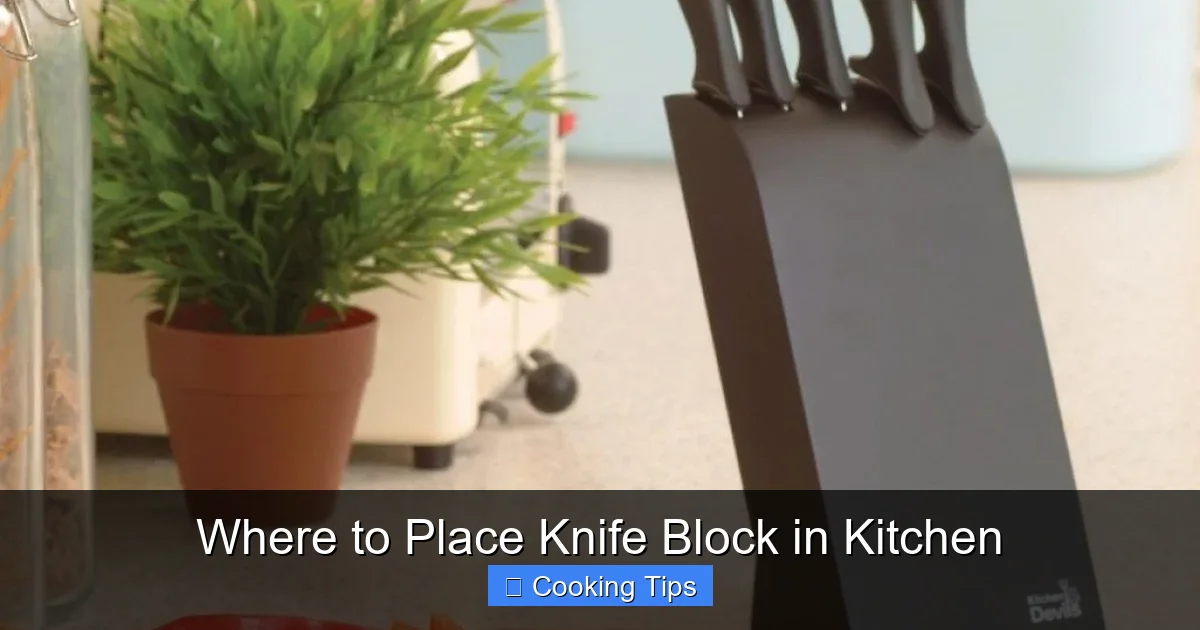
Visual guide about Where to Place Knife Block in Kitchen
Image source: i.pinimg.com
Now, let’s get practical. Follow these steps to determine the best place for your knife block.
Step 1: Assess Your Kitchen Layout and Workflow
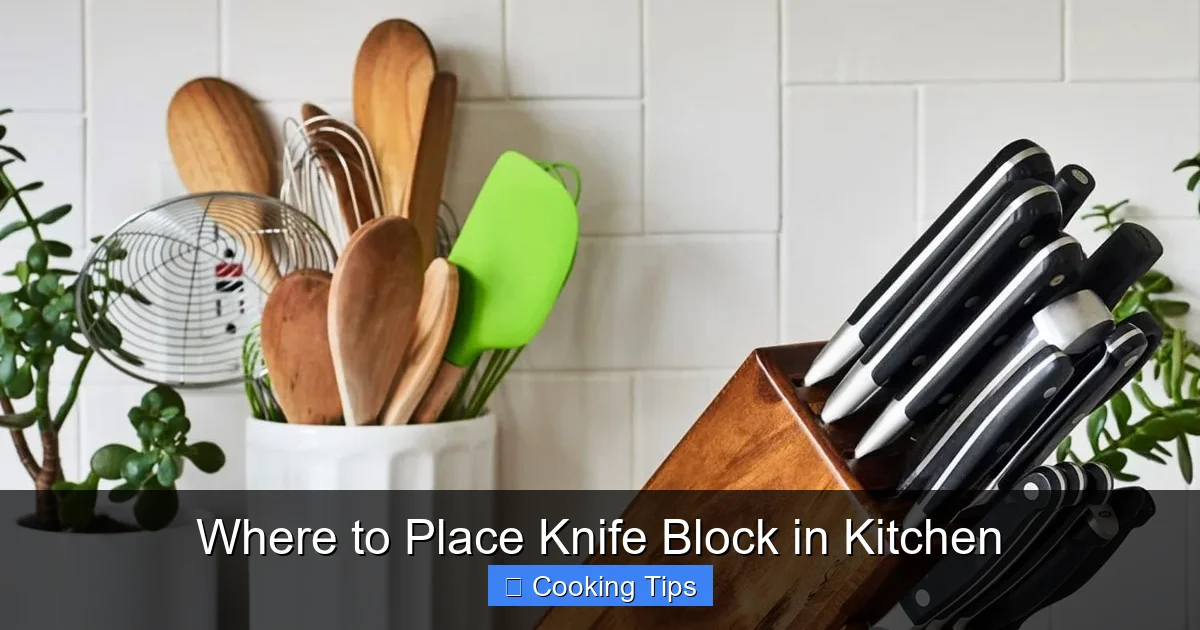
Visual guide about Where to Place Knife Block in Kitchen
Image source: citizenside.com
Your kitchen’s unique layout is the first and most significant factor. Think about how you move around your kitchen when you cook. Where do you chop? Where do you plate your food?
Identify Your Primary Prep Zone
Your primary prep zone is typically the area between your sink and your stovetop, often centered around your cutting board. This is where you’ll do most of your knife work.
Consider Proximity to Key Appliances
Think about where you’ll be using the knives in relation to other appliances.
- Sink: You’ll need to wash produce and sometimes clean knives.
- Stovetop: Many dishes are finished or assembled here.
- Refrigerator: Ingredients come from here.
Ideally, your knife block should be within a few steps of your main prep area to minimize travel time.
Visualize Your Cooking Process
Imagine a typical cooking session. Do you grab knives from the block, chop vegetables on the counter, then move to the stove? Or do you transfer ingredients from the fridge to the counter for chopping? Your knife block’s position should support this natural flow.
Step 2: Prioritize Safety Considerations
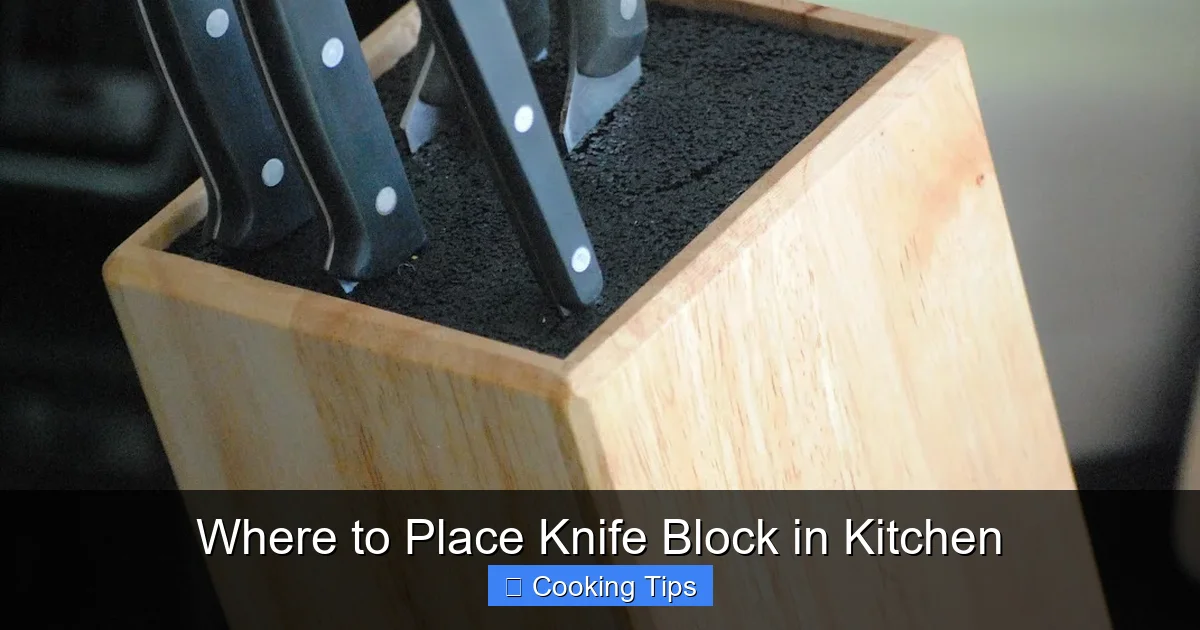
Visual guide about Where to Place Knife Block in Kitchen
Image source: 3.bp.blogspot.com
Safety cannot be overstated when it comes to knives. This is non-negotiable.
Keep Knives Out of Reach of Children and Pets
This is the golden rule.
- High Shelves or Dedicated Drawer Inserts: If you have young children, consider storing knives in a more secure location, like a high cabinet or a specialized drawer insert that locks.
- Avoid Placement Near Play Areas: Never place a knife block where it could be knocked over by a child or pet running past.
Prevent Accidental Falls
A knife block falling to the floor can damage your knives and pose a serious injury risk.
- Stable Surface: Always place the block on a flat, stable, and non-slippery surface.
- Away from Counter Edges: Ensure there’s enough clearance between the block and the edge of your countertop. At least 4-6 inches is a good rule of thumb.
Avoid High-Traffic Areas
Don’t place your knife block in a narrow walkway or a busy intersection of your kitchen where people are constantly moving. This reduces the risk of someone bumping into it.
Step 3: Evaluate Countertop Placement Options
The kitchen countertop remains the most popular and often the most practical location for a knife block.
The Classic “Triangle” Placement
Many people opt to place their knife block within the “kitchen triangle” formed by the sink, refrigerator, and stove. This generally means placing it on a clear section of countertop accessible to your prep zone.
Consider the “Work Zone” Approach
Instead of a strict triangle, focus on your immediate work zone.
- Near the Cutting Board: If your cutting board has a designated spot, place the knife block close to it.
- Opposite the Sink/Stove: Some prefer to have their knives on the counter space opposite their main cooking or washing area to create a dedicated cutting surface.
Placement Next to the Sink
This can be convenient for rinsing knives, but be cautious.
- Pros: Easy access for quick washes.
- Cons: Can lead to moisture buildup if not dried thoroughly, and proximity to water can increase the risk of slips. Ensure the block is dry and the counter is clear of spills.
Placement Near the Stove
Some chefs like to have their knives right where the action is.
- Pros: Immediate access for finishing dishes.
- Cons: Heat and steam from the stove can potentially damage the knife handles over time (especially wood) and create a safety hazard if the block is too close. Keep a safe distance.
Placement Near the Refrigerator
This makes sense if you do a lot of prep work right after taking ingredients out.
- Pros: Streamlines the process of getting ingredients and preparing them.
- Cons: Can sometimes feel out of the main cooking workflow if it’s too far from the prep area.
Step 4: Assess Counter Space and Size
Your knife block, whether it’s a large wooden block or a sleek magnetic strip, takes up space.
Measure Your Knife Block
Before deciding, measure the dimensions of your knife block. This will help you visualize how much space it truly occupies.
Measure Your Available Counter Space
Look at your countertops. Where are the clear, unobstructed areas? Consider not just the footprint of the block itself, but also the space needed to safely remove and return knives.
Don’t Overcrowd
A cluttered countertop makes for a stressful cooking environment. Ensure your chosen spot leaves enough room for your cutting board, bowls, and other essential prep tools.
Step 5: Explore Alternative Knife Storage Solutions
Countertops aren’t the only option. If space is limited or you have specific safety concerns, consider these alternatives.
In-Drawer Knife Blocks
These are designed to fit inside your kitchen drawers, keeping knives neatly organized and out of sight.
Benefits:
- Space-Saving: Frees up valuable countertop real estate.
- Safety: Completely inaccessible to children and pets when the drawer is closed.
- Aesthetics: Keeps your countertops looking clean and uncluttered.
Considerations:
- Drawer Space: Requires a dedicated drawer of sufficient size.
- Accessibility: You need to open a drawer to access knives, which can be slightly less immediate than countertop storage.
- Knife Type: Ensure the drawer insert is designed for the types and sizes of knives you own.
Magnetic Knife Strips
These are mounted on the wall and use magnets to hold knives in place.
Benefits:
- Space-Saving: Mounts vertically on the wall.
- Visibility: Knives are visible and easily accessible.
- Versatility: Can be placed almost anywhere on a wall, including above the backsplash or on the side of a cabinet.
Considerations:
- Wall Space: Requires a suitable wall location.
- Magnetic Strength: Ensure the magnet is strong enough to hold your knives securely.
- Blade Exposure: Blades are exposed, so placement should still consider safety, especially around children.
- Knife Care: Some argue that strong magnets can potentially micro-damage knife edges over time, though this is debated.
Wall-Mounted Knife Racks
Similar to magnetic strips, but often use slots or clips to hold knives.
Benefits:
- Space-Saving: Mounts vertically.
- Organization: Offers a structured way to hold knives.
Considerations:
- Wall Space: Requires mounting.
- Ease of Cleaning: Slots can sometimes accumulate dust or require more effort to clean.
- Knife Fit: Ensure the rack is compatible with your knife sizes.
Knife Guards/Sheaths
If you prefer to store knives loose in a drawer (though not recommended for longevity), individual sheaths are essential.
Benefits:
- Drawer Storage: Allows for drawer storage without damaging knives or creating hazards.
- Protection: Protects blades from chipping and users from cuts.
Considerations:
- Cumbersome: Having to put on and remove sheaths can be time-consuming.
- Less Organized: Knives can still shift around in the drawer.
Step 6: Consider Aesthetics and Kitchen Design
Your kitchen is a reflection of your style. Your knife block should fit in.
Match Your Kitchen Style
- Modern Kitchens: Sleek magnetic strips or minimalist in-drawer solutions might be best.
- Rustic Kitchens: A natural wood block can add warmth and character.
- Traditional Kitchens: Classic wooden blocks often fit seamlessly.
Don’t Let It Be an Eyesore
A bulky, out-of-place knife block can detract from your kitchen’s beauty. Choose a spot where it integrates well with the surrounding elements.
Consider Lighting
Good lighting is essential for any workspace. Ensure your chosen spot for the knife block is well-lit so you can see what you’re doing clearly.
Step 7: Final Placement Checks and Maintenance
Once you’ve chosen a spot, do a final review.
Test the Ergonomics
Stand in your prep zone and simulate making a meal. Can you easily reach, grab, and return your knives without awkward movements or stretching?
Check for Obstructions
Are there any cabinets that interfere with opening or any other elements that make accessing the knives difficult?
Plan for Cleaning
How will you clean the knife block and the surrounding area? Ensure you can easily access it for regular cleaning to prevent food debris or moisture buildup.
Knife Block Material and Maintenance
The material of your knife block can influence its best placement.
- Wood: Can absorb moisture and oils. Place away from direct steam or frequent splashes. Ensure it’s dried thoroughly after cleaning.
- Bamboo: Similar to wood but often denser.
- Plastic/Acrylic: Generally more water-resistant and easier to clean.
- Metal: Durable and easy to wipe down.
Regardless of material, allow your knives to dry completely before returning them to the block to prevent rust and damage.
Troubleshooting Common Knife Block Placement Issues
Even with the best intentions, you might run into a few snags.
Issue: Limited Counter Space
Solution: Explore in-drawer storage, magnetic strips, or wall-mounted racks. Consider a smaller, more compact knife block if countertop placement is essential.
Issue: Safety Concerns with Children/Pets
Solution: Prioritize higher shelves, locked drawer inserts, or a magnetic strip placed out of reach. Never compromise on safety.
Issue: Block Feels Too Far from Prep Area
Solution: Re-evaluate your workflow. Can you shift your cutting board or other prep items slightly to bring the knife block closer? Alternatively, consider if a magnetic strip mounted closer is a better option.
Issue: Block Blocks Access to Outlets or Other Features
Solution: Relocate the block to a more open area. Sometimes, a slightly less “ideal” spot for workflow is better if it allows full access to essential kitchen features.
Issue: Block Seems Unstable
Solution: Ensure the counter surface is clean and dry. If it’s still wobbly, consider adding non-slip pads to the bottom of the block. If it’s inherently unstable, it might be time for a new block.
Conclusion
Choosing where to place your knife block is more than just finding an empty spot; it’s about creating a safer, more efficient, and more enjoyable cooking experience. By considering your kitchen layout, prioritizing safety, evaluating your space, and exploring all available options, you can find the perfect home for your knives. Remember that in 2026, our kitchens are extensions of ourselves, and even small details like knife block placement can make a big difference. Whether it lands on your countertop, slips into a drawer, or hangs elegantly on the wall, ensure it serves your needs perfectly. Happy cooking!
