

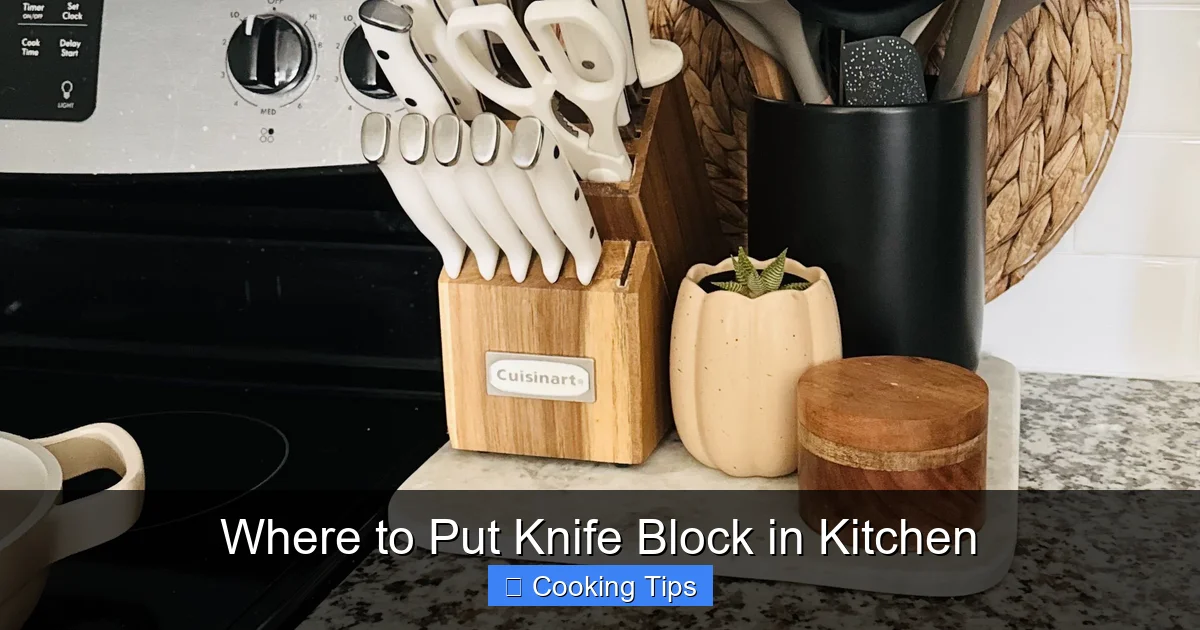
Choosing the ideal location for your knife block is crucial for both kitchen efficiency and safety. This comprehensive guide explores various placement options, considering factors like accessibility, countertop space, and aesthetics. Learn how to maximize your cooking workflow and keep your valuable knives in pristine condition by making an informed decision about where to put your knife block.
Where to Put Knife Block in Kitchen
Welcome to your ultimate guide on finding the perfect spot for your knife block in your kitchen! In the fast-paced world of cooking, where efficiency and safety reign supreme, the placement of your essential tools can make a world of difference. Your knives are among the most important implements in your culinary arsenal, and their trusty home, the knife block, deserves careful consideration. This guide, updated for 2026, will walk you through everything you need to know to decide where to put your knife block, ensuring it’s not just a holder, but an integral part of your kitchen’s functionality and beauty.
We’ll cover everything from the most common and practical locations to less conventional ideas. You’ll learn how to assess your kitchen’s layout, your cooking habits, and your aesthetic preferences to make the best decision for *your* kitchen. Let’s get started on transforming your knife storage from an afterthought to a strategic advantage!
Key Takeaways
- Prioritize Accessibility and Workflow: The best knife block placement allows for quick and easy access to your most frequently used knives during meal preparation, minimizing unnecessary steps.
- Consider Countertop Space and Clutter: Evaluate how much space your knife block will occupy and ensure it doesn’t create an overly cluttered or cramped work area.
- Safety is Paramount: Always position your knife block away from the edge of counters, out of reach of children, and in a stable location to prevent accidental tipping.
- Protect Your Knives: Proper placement can help prevent knives from knocking against each other or other objects, preserving their sharpness and integrity.
- Aesthetics Matter: Choose a location that complements your kitchen’s overall design and style, integrating your knife block seamlessly.
- Proximity to Prep Areas: Ideally, your knife block should be near your main food preparation zone, such as the cutting board area.
Understanding the Importance of Knife Block Placement
Before we dive into specific locations, let’s briefly touch upon why this decision is so important. A well-placed knife block offers several benefits:
- Enhanced Efficiency: When your knives are readily accessible, your cooking process flows smoothly. No more rummaging through drawers or cabinets!
- Improved Safety: Proper placement minimizes the risk of accidental cuts or the block tipping over.
- Knife Longevity: A good knife block protects your blades from damage and dulling, ensuring they remain sharp and effective for longer.
- Kitchen Aesthetics: A knife block can be a stylish addition to your kitchen, or it can look out of place if not positioned thoughtfully.
Step 1: Assess Your Kitchen Layout and Workflow
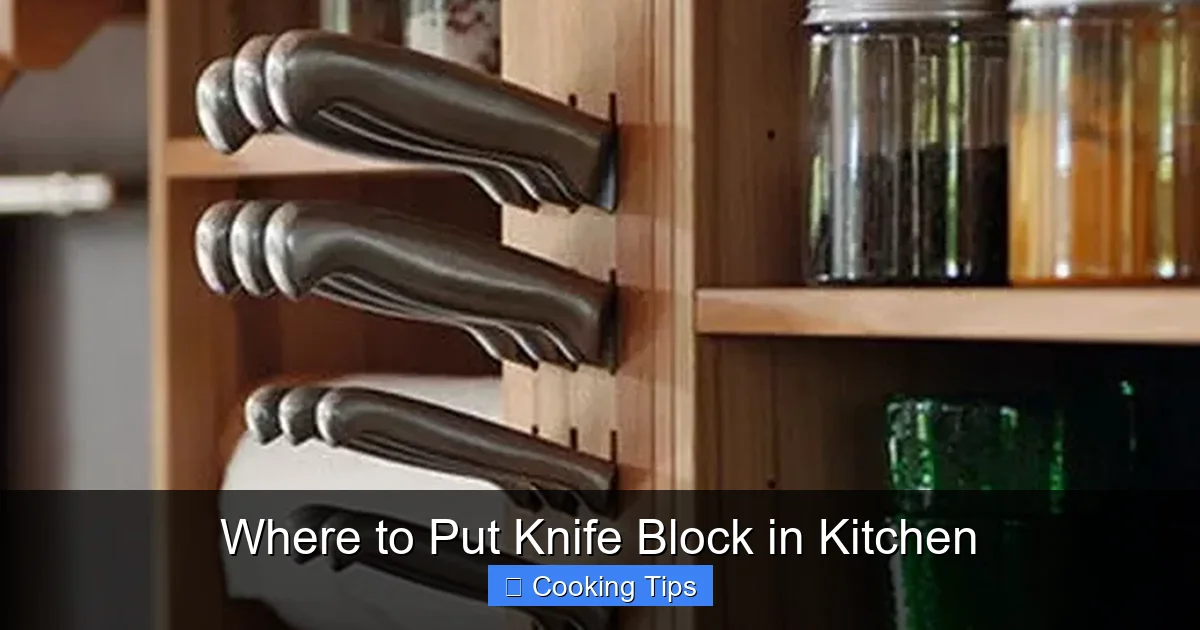
Visual guide about Where to Put Knife Block in Kitchen
Image source: imrorwxhpnjolq5p.ldycdn.com
The first and most critical step in deciding where to put your knife block is to understand how you use your kitchen. Think about your typical cooking routine. Where do you chop, slice, and dice most often?
Identify Your Primary Prep Area
This is usually the space between your sink and your stove, often with a countertop section dedicated to cutting boards. If you tend to prep ingredients directly next to where you’ll be cooking, then this area is a prime candidate.
Consider Traffic Flow
Observe the natural pathways people take through your kitchen. You don’t want to place your knife block in a high-traffic zone where it could be easily bumped or knocked over. This is especially important in kitchens that are open-plan or have a lot of activity.
Evaluate Countertop Space
Knife blocks can take up a significant amount of valuable countertop real estate. Be realistic about how much space you have and how much you’re willing to dedicate to knife storage. A large, bulky block might not be suitable for a smaller kitchen.
Step 2: Explore Common Knife Block Placement Options
Visual guide about Where to Put Knife Block in Kitchen
Image source: ashburtonmenzshed.nz
Now that you’ve analyzed your kitchen, let’s look at the most popular and effective places to put a knife block.
Option A: The Countertop Near the Prep Zone
This is the classic and often most practical solution.
Why it Works
- Immediate Access: Your knives are right where you need them when you’re preparing food.
- Visual Cue: It serves as a visual reminder of your available knives.
- Stability: Most knife blocks are designed to be stable on a flat countertop.
Considerations
- Space Consumption: As mentioned, it takes up valuable counter space.
- Aesthetics: A cluttered countertop can look messy.
- Light and Heat: Avoid placing it directly under a bright, hot lamp or too close to the stove’s heat vent, as extreme temperatures can potentially affect knife handles over time.
Tips for Success
- Choose a block that fits the scale of your kitchen and your knife collection.
- Keep the area around the block clean and organized.
- Ensure the block is heavy enough not to slide easily.
Option B: The Corner of the Countertop
This can be a good compromise for saving prime prep space.
Why it Works
- Frees Up Central Space: It keeps your main prep area more open.
- Out of the Way: It’s less likely to be bumped accidentally.
- Visually Integrated: Corners can sometimes feel like wasted space, and a knife block can fill it nicely.
Considerations
- Slightly Less Immediate: You might have to take an extra step or two to reach your knives.
- Light Accessibility: Ensure the corner isn’t too dark, making it hard to see your knives.
Tips for Success
- Position it on a corner that is still easily accessible from your main prep zone.
- Consider a corner-fitting knife block designed specifically for this purpose.
Option C: In an Appliance Garage or Dedicated Cabinet Nook
If you have custom cabinetry or a specific appliance garage, this can be an excellent way to keep knives hidden yet accessible.
Why it Works
- Clutter-Free: Your countertops remain completely clear.
- Protection: Knives are protected from dust and light.
- Streamlined Look: It maintains a minimalist kitchen aesthetic.
Considerations
- Requires Specific Cabinetry: Not an option for everyone.
- Accessibility: You need to be able to easily open the door or drawer to retrieve knives.
- Ventilation: Ensure the space has some air circulation, especially if you store knives immediately after washing.
Tips for Success
- Measure the space carefully to ensure your knife block will fit comfortably.
- Consider a block with a lid or a design that prevents knives from shifting inside.
Step 3: Consider Less Conventional but Effective Placements
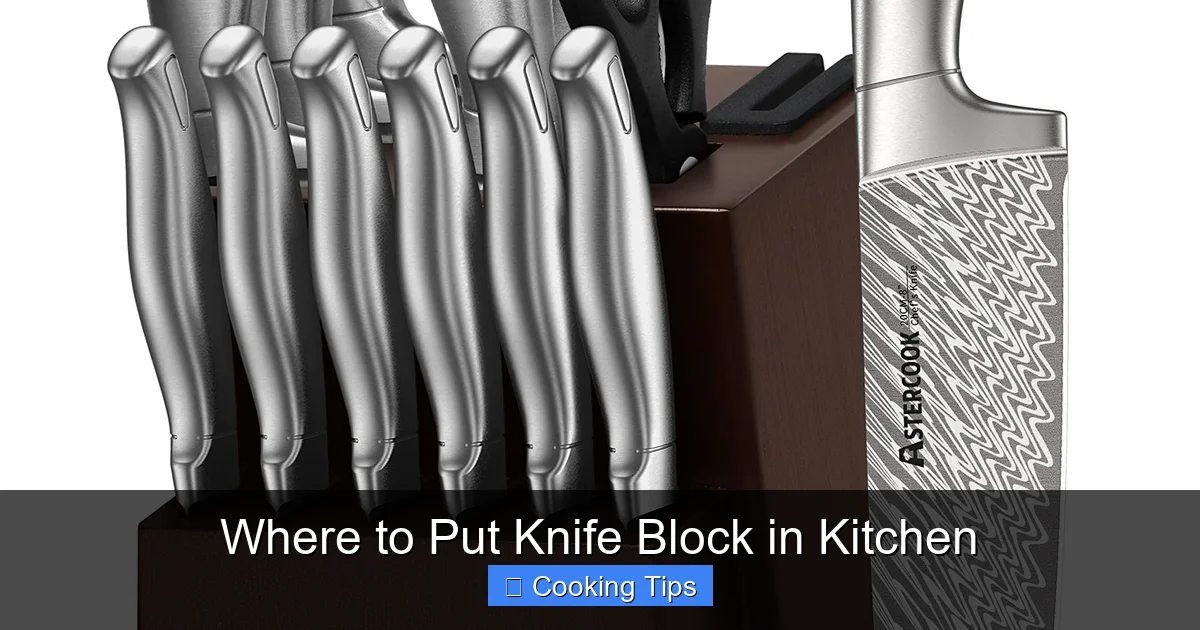
Visual guide about Where to Put Knife Block in Kitchen
Image source: m.media-amazon.com
Don’t be afraid to think outside the box! Here are a few more ideas to consider.
Option D: Mounted Under a Cabinet (Wall Mount Knife Strip)
While this isn’t technically a “knife block,” it’s a very popular alternative that serves the same purpose of keeping knives organized and accessible. You might opt for this if you want to free up all countertop space.
Why it Works
- Ultimate Space Saver: Frees up your entire countertop.
- Easy Cleaning: Makes wiping down counters much simpler.
- Visible Selection: You can see all your knives at a glance.
Considerations
- Requires Installation: You’ll need to mount it securely to the underside of cabinets.
- Visible to Everyone: Knives are out in the open, so consider placement relative to children and pets.
- Dust: Blades can accumulate dust, requiring regular wiping.
Tips for Success
- Install it above your primary prep area for maximum convenience.
- Use a magnetic strip or a slotted holder, depending on your preference and knife types.
- Ensure it’s mounted at a height that is comfortable and safe for you to access.
Option E: On a Dedicated Kitchen Island
If you have a kitchen island, it often becomes a central hub for prep work.
Why it Works
- Central Location: Ideal if your island is your main prep area.
- Can be a Design Feature: A stylish knife block can complement the island’s look.
Considerations
- Island Size: Ensure it doesn’t make the island feel crowded.
- Access from All Sides: If your island is multi-functional, ensure the block’s placement doesn’t impede movement.
Tips for Success
- Place it towards the edge of the island closest to your main work triangle (sink, stove, fridge).
- Consider a block with a lower profile to avoid obstructing views.
Step 4: Prioritize Safety Above All Else
No matter where you decide to put your knife block, safety should be your absolute top priority.
Keep it Away from the Edge
Ensure your knife block is placed well within the countertop, not near the edge where it could be easily knocked off. This is particularly important if you have young children or pets who might be tempted to investigate.
Stable Base is Key
A wobbly or lightweight knife block is a hazard. Make sure your chosen location provides a stable surface and that the block itself has a wide, non-slip base.
Out of Reach of Children
If you have small children, consider placing the knife block in a location that is difficult for them to access, or invest in child-safety locks for drawers or cabinets if you opt for a different storage method.
Avoid High-Heat Areas
While most modern knife blocks are durable, prolonged exposure to extreme heat from ovens or stovetops isn’t ideal for the materials of the block or potentially the knife handles.
Step 5: Consider Knife Protection and Maintenance
Your knife block plays a role in keeping your knives in excellent condition.
Prevent Blade Collisions
A good knife block has individual slots that prevent blades from banging against each other. This is crucial for maintaining their sharpness.
Allow for Drying
If you’re placing your knife block in a contained space like a cabinet, ensure there’s adequate ventilation for knives to dry completely after washing. Storing damp knives can lead to rust and damage.
Cleanliness of the Block Itself
Regularly clean your knife block, especially the slots, to prevent bacteria buildup. This also makes it a more hygienic place to store your knives.
Step 6: Think About Kitchen Aesthetics
Your kitchen is a reflection of your personal style. Your knife block should complement your decor, not clash with it.
Match Your Kitchen Style
Is your kitchen modern, rustic, traditional, or minimalist? Choose a knife block material and design that harmonizes with your existing elements. For example, a sleek stainless steel block might suit a modern kitchen, while a natural wood block fits a more rustic or traditional setting.
Consider the Color and Material
The color and material of your knife block can either blend in or stand out as a statement piece. Think about how it will look against your countertops and cabinetry.
Integration, Not Intrusion
The goal is for your knife block to feel like a natural, integrated part of your kitchen, not an item that was just plunked down.
Troubleshooting Common Knife Block Placement Issues
Even with careful planning, you might encounter a few snags.
Problem: My countertops are too small for a knife block.
Solution: Consider alternative storage methods like a magnetic knife strip mounted on the wall or under a cabinet, or a knife roll that can be stored in a drawer. In-drawer knife organizers are also excellent space-savers.
Problem: My knives get dusty when stored on the counter.
Solution: If dust is a major concern, look for knife blocks with integrated lids or consider storing them in an appliance garage or a dedicated cabinet. Some modern knife blocks have a more enclosed design.
Problem: My chosen spot feels too dark to see my knives clearly.
Solution: Improve lighting in that area with under-cabinet LED lighting or a small task lamp. Alternatively, choose a location that is naturally well-lit.
Problem: My knife block seems to slide around.
Solution: Add non-slip shelf liner or rubber feet to the base of your knife block. Ensure the countertop surface is clean and dry.
Conclusion
Choosing where to put your knife block is a decision that impacts your daily kitchen experience. By thoughtfully considering your workflow, available space, safety concerns, and aesthetic preferences, you can find the ideal spot. Remember, the best location is one that makes your knives readily accessible, keeps them safe and well-maintained, and contributes positively to the overall beauty and functionality of your kitchen. Whether it’s on the countertop, tucked into a corner, or mounted discreetly, your knife block deserves a prime position that enhances your culinary adventures. Happy cooking in 2026 and beyond!
