
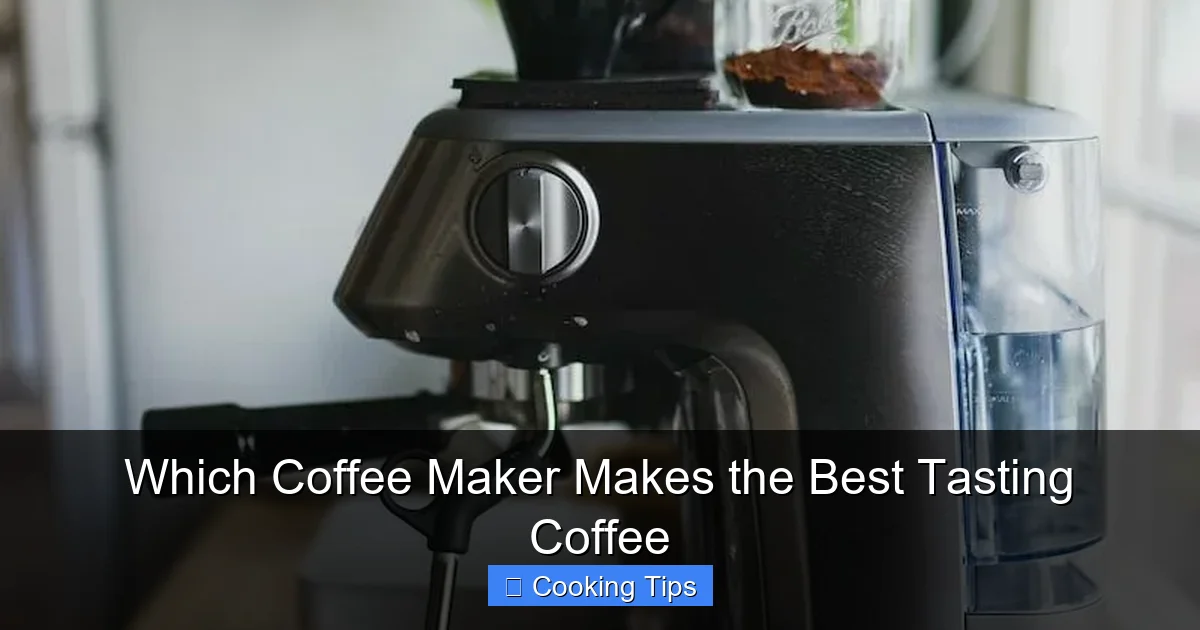
Finding the coffee maker that makes the best tasting coffee is a personal journey, influenced by your preferences and brewing style. This guide breaks down the most popular coffee maker types, from drip machines to pour-overs, explaining how each impacts flavor. We’ll equip you with the knowledge to choose the right brewer and offer practical tips for maximizing the taste of your coffee, ensuring every sip is a delight.
Which Coffee Maker Makes the Best Tasting Coffee
Ah, the quest for the perfect cup of coffee. It’s a journey many of us embark on daily, a ritual that can either be a mundane chore or a delightful prelude to the day. The secret to that truly exceptional cup often lies not just in the beans or your technique, but significantly in the coffee maker you use. But with so many options on the market, how do you know which coffee maker makes the best tasting coffee for *you*?
This comprehensive guide is here to demystify the world of coffee makers. We’ll dive deep into the most popular brewing methods, understand how each one influences the final taste, and provide you with actionable advice to make an informed decision. Whether you’re a beginner seeking simplicity or a seasoned connoisseur craving complexity, you’ll find the path to your ideal coffee brewing setup right here.
Key Takeaways
- Drip Coffee Makers: The most common, offering convenience and consistency for a good everyday cup. Look for SCA-certified models for optimal brewing.
- Pour-Over Coffee Makers: Provide unparalleled control over brewing variables, resulting in a clean, nuanced, and aromatic cup. Requires practice and attention to detail.
- French Press: Known for its rich, full-bodied coffee with natural oils, due to its immersion brewing method. Can sometimes have a sediment.
- Espresso Machines: Ideal for concentrated, intense coffee shots, the foundation of many milk-based drinks. Can be manual, semi-automatic, or super-automatic.
- Cold Brew Makers: Produce a smooth, low-acid concentrate by steeping coffee in cold water for extended periods, perfect for iced coffee.
- Bean-to-Cup Machines: Offer ultimate convenience by grinding beans fresh for each brew, delivering a consistent and high-quality cup with minimal effort.
- Freshness and Grind Size Matter: Regardless of the coffee maker, using freshly roasted beans and grinding them just before brewing is crucial for optimal flavor.
Understanding What Makes Coffee Taste “Best”
Before we explore the machines, let’s talk about taste. What makes coffee taste “best”? It’s subjective, of course, but generally, we’re looking for a balance of flavor, aroma, body, and acidity. The best tasting coffee is one that:
- Has a vibrant and complex aroma.
- Presents a balanced flavor profile – not too bitter, not too sour.
- Offers a pleasant mouthfeel or “body.”
- Has a clean, satisfying finish.
The coffee maker plays a crucial role in extracting the soluble compounds from the coffee grounds that contribute to these characteristics. Factors like water temperature, brew time, water-to-coffee ratio, and filtration all impact the final extraction. The right coffee maker optimizes these factors for your preferred taste profile.
The Top Coffee Makers and Their Flavor Profiles
Let’s explore the most popular types of coffee makers and how they contribute to the taste of your coffee.
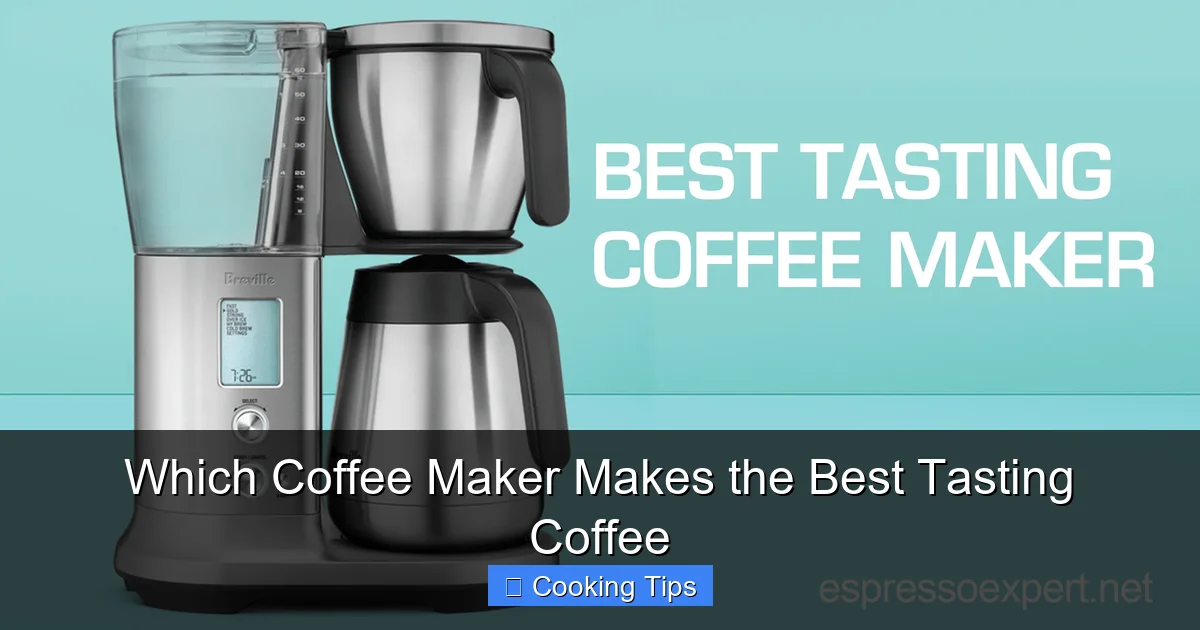
Visual guide about Which Coffee Maker Makes the Best Tasting Coffee
Image source: espressoexpert.net
1. Automatic Drip Coffee Makers
The undisputed king of convenience, the automatic drip coffee maker is found in most homes and offices. It’s simple to use: add water to the reservoir, place a filter in the basket, add coffee grounds, and press a button.
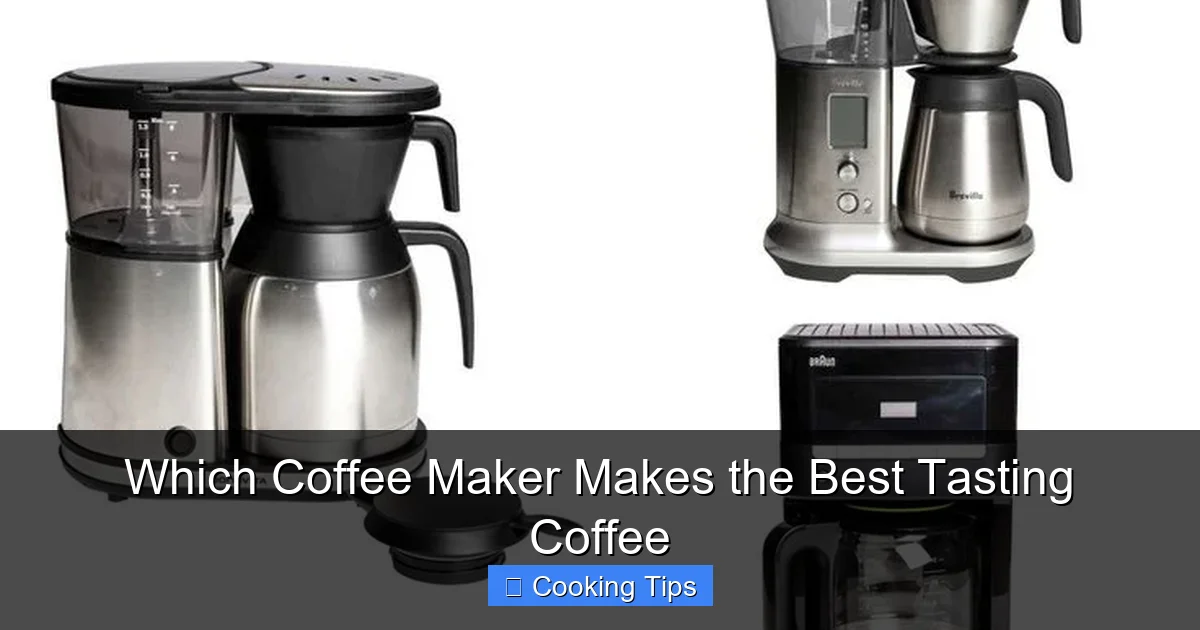
Visual guide about Which Coffee Maker Makes the Best Tasting Coffee
Image source: i.pinimg.com
How Drip Coffee Makers Affect Taste:
- Consistency: They automate the process, providing a consistent brew time and temperature (ideally).
- Cleanliness: Paper filters trap most of the coffee oils and fine sediment, resulting in a cleaner, brighter cup.
- Customization (Limited): While some offer brew strength settings, true control over water temperature and flow rate is minimal.
Pros:
- Extremely easy to use.
- Makes large batches.
- Widely available and affordable.
Cons:
- Limited control over brewing variables.
- Can sometimes produce a flat or less nuanced flavor compared to manual methods.
- Cheaper models may not reach optimal brewing temperatures.
What to Look For:
To get the best tasting coffee from a drip machine, seek out models certified by the Specialty Coffee Association (SCA). These machines are tested to meet rigorous standards for water temperature, brew time, and brewing uniformity, ensuring a consistently excellent cup.
2. Pour-Over Coffee Makers
Pour-over coffee has gained immense popularity among coffee enthusiasts for its ability to highlight the delicate nuances of coffee beans. Devices like the Hario V60, Chemex, and Kalita Wave require a manual pouring technique.
Visual guide about Which Coffee Maker Makes the Best Tasting Coffee
Image source: fluentincoffee.com
How Pour-Over Coffee Makers Affect Taste:
- Control: You control every variable: water temperature, pouring speed, and bloom time. This allows for precise extraction.
- Clarity: Typically uses paper filters, leading to a very clean cup with bright acidity and distinct flavor notes.
- Aroma: The manual pouring process, especially the initial bloom, releases a wonderful aroma.
Pros:
- Exceptional control over brewing.
- Produces a clean, aromatic, and nuanced cup.
- Relatively inexpensive equipment.
- Visually appealing brewing process.
Cons:
What to Look For:
The material of the pour-over device (ceramic, glass, metal) can slightly affect heat retention. The design of the dripper itself (ribs, cone shape, flat bottom) also influences water flow and extraction. Paper filters are almost always recommended for clarity.
3. French Press
The French press is a classic immersion brewing method that uses a plunger to separate the coffee grounds from the liquid.
How French Press Affects Taste:
- Full-Bodied Flavor: Because it uses a metal mesh filter, it allows coffee oils and fine sediment to pass through, resulting in a rich, full-bodied, and sometimes slightly silty cup.
- Mellow Acidity: The immersion method tends to produce a coffee with a smoother, less acidic profile.
- Simplicity: It’s straightforward to use, though the timing and grind size are critical.
Pros:
- Produces a rich, full-bodied coffee.
- Simple to operate once you get the hang of it.
- No disposable filters needed.
- Relatively inexpensive.
Cons:
- Can leave sediment in the cup.
- Requires a coarser grind to avoid over-extraction and clogging.
- Brew time is crucial for taste.
What to Look For:
Choose a French press with a sturdy plunger and a fine-mesh filter. Glass carafes are common, but stainless steel options offer better durability and heat retention.
4. Espresso Machines
Espresso machines are designed to force hot water under high pressure through finely-ground coffee, creating a concentrated shot of coffee.
How Espresso Machines Affect Taste:
- Intensity: Espresso is known for its intense, bold flavor, rich crema (a reddish-brown foam), and complex aroma.
- Versatility: It’s the base for many popular drinks like lattes, cappuccinos, and macchiatos.
- Control (Varies): Manual and semi-automatic machines offer the most control over brewing variables, while super-automatic machines prioritize convenience.
Pros:
- Produces a rich, intense coffee base.
- Capable of making a wide variety of coffee drinks.
- High-quality machines offer excellent results.
Cons:
- Can be expensive.
- Requires a significant learning curve for manual/semi-automatic models.
- Requires a specific fine grind.
- Maintenance can be involved.
What to Look For:
Espresso machines range from simple stovetop Moka pots to sophisticated semi-automatic and super-automatic units. The choice depends on your budget, desire for control, and how often you’ll use it. A good grinder is also essential for espresso.
5. Aeropress
The Aeropress is a versatile, portable, and user-friendly coffee maker that uses air pressure to brew coffee.
How Aeropress Affects Taste:
- Cleanliness & Body: It can produce a cup that’s as clean as a pour-over or as full-bodied as a French press, depending on the method used (standard or inverted).
- Speed: Brews coffee very quickly, often in 1-2 minutes.
- Low Acidity: The rapid brew time and pressure can result in a coffee with lower perceived acidity.
Pros:
- Extremely versatile – many brewing methods possible.
- Fast brewing time.
- Durable and portable.
- Easy to clean.
- Inexpensive.
Cons:
- Makes small batches (typically 1-2 cups).
- Requires paper filters (though reusable metal filters are available).
What to Look For:
The Aeropress comes with a basic set of filters. While the device itself is simple, experimenting with different grind sizes, water temperatures, and steep times will unlock its full flavor potential.
6. Moka Pot (Stovetop Espresso Maker)
The Moka pot brews coffee on the stovetop, creating a strong, espresso-like coffee by using steam pressure.
How Moka Pots Affect Taste:
- Strong & Bold: Produces a concentrated, robust coffee, often described as a weaker espresso.
- Rich Flavor: Extracts a good amount of coffee oils for a rich taste.
- Potential for Bitterness: If overheated or brewed incorrectly, it can produce a bitter cup.
Pros:
- Produces strong, espresso-like coffee.
- Affordable and durable.
- Portable.
Cons:
- Requires careful heat management to avoid bitterness.
- Doesn’t produce true espresso.
- Can be tricky to clean thoroughly.
What to Look For:
Moka pots are typically made of aluminum or stainless steel. Aluminum heats faster but requires more attention; stainless steel is more durable and easier to clean.
7. Cold Brew Makers
Cold brew coffee is made by steeping coffee grounds in cold water for an extended period (12-24 hours).
How Cold Brew Makers Affect Taste:
- Smooth & Low-Acid: The cold water extraction process results in a coffee concentrate that is remarkably smooth, sweet, and significantly less acidic.
- Mellow Flavor: It tends to mute some of the brighter, more acidic notes, highlighting chocolatey and caramel flavors.
- Versatile: The concentrate can be diluted with water or milk, served hot or cold.
Pros:
- Produces a smooth, low-acid coffee concentrate.
- Great for iced coffee.
- Easy to make large batches.
Cons:
- Requires significant advance planning due to the long brew time.
- Doesn’t highlight the bright, fruity notes of some coffees as well as hot brewing.
What to Look For:
There are dedicated cold brew makers with built-in filters, or you can use a French press or even just a jar and a fine-mesh sieve.
Beyond the Machine: Crucial Factors for the Best Tasting Coffee
No matter which coffee maker you choose, these fundamental elements will elevate your coffee game:
1. Fresh, Quality Beans
This is non-negotiable. Coffee is a perishable agricultural product. Buy whole beans from reputable roasters who provide roast dates. Aim to use beans within 1-4 weeks of their roast date for optimal flavor.
2. Proper Grind Size
Grinding your beans just before brewing makes a massive difference. The grind size must match your brewing method:
- Coarse: French press, cold brew.
- Medium-Coarse: Chemex.
- Medium: Drip coffee makers, Aeropress (standard method).
- Medium-Fine: Pour-overs (V60, Kalita), Aeropress (inverted method).
- Fine: Espresso, Moka pot.
A good burr grinder is a worthy investment, offering consistent grind sizes unlike blade grinders.
3. Water Quality and Temperature
Coffee is over 98% water, so its quality matters. Use filtered water free from off-flavors or excessive minerals. For most hot brewing methods, the ideal water temperature is between 195°F and 205°F (90°C to 96°C).
4. The Right Coffee-to-Water Ratio
A common starting point is the “Golden Ratio” of 1:15 to 1:18 (e.g., 1 gram of coffee to 15-18 grams of water). Adjust this to your personal preference. Weighing your coffee and water is the most accurate way to achieve consistency.
Troubleshooting Common Coffee Taste Issues
Even with the best coffee maker, you might encounter taste problems:
- Bitter Coffee: Often caused by over-extraction. This can be due to grinding too fine, brewing too long, or water that’s too hot. Try a coarser grind, shorter brew time, or slightly cooler water.
- Sour or Weak Coffee: Typically under-extraction. This might be due to grinding too coarse, brewing too short, or water that’s too cool. Try a finer grind, longer brew time, or hotter water.
- Muddy or Silty Coffee: Common with French presses if the grind is too fine or the filter isn’t effective. Ensure a coarse grind and a well-fitting filter.
- Flat or Dull Coffee: Could be stale beans or an ineffective brewing method. Ensure your beans are fresh and that your chosen coffee maker is optimized for extraction.
Making Your Choice: Which Coffee Maker is Best for You?
The coffee maker that makes the “best tasting” coffee is ultimately the one that aligns with your lifestyle, budget, and taste preferences. Consider these questions:
- How much time do you have? If you’re always in a rush, an automatic drip or super-automatic espresso machine might be best. If you enjoy the ritual, pour-over or French press could be perfect.
- What kind of coffee do you prefer? Strong and intense (espresso, Moka pot)? Smooth and mellow (cold brew, French press)? Clean and bright (pour-over, drip)?
- What’s your budget? Coffee makers range from under $20 to thousands of dollars.
- How much coffee do you make? For single servings, Aeropress or pour-over is great. For families, a larger drip machine or French press is more practical.
Don’t be afraid to experiment! The joy of coffee is in the exploration. Start with a method that appeals to you, and remember that mastering the fundamentals of bean freshness, grind, and water will lead you to delicious coffee, regardless of the machine.
Conclusion
The journey to finding the coffee maker that makes the best tasting coffee is a rewarding one. By understanding the nuances of different brewing methods, from the convenience of drip to the control of pour-over, you’re empowered to make a choice that suits your palate and routine. Remember, the best coffee maker is a tool; it’s the combination of quality ingredients, proper technique, and personal preference that truly crafts your perfect cup. So, brew on, explore, and savor every delicious drop!
